
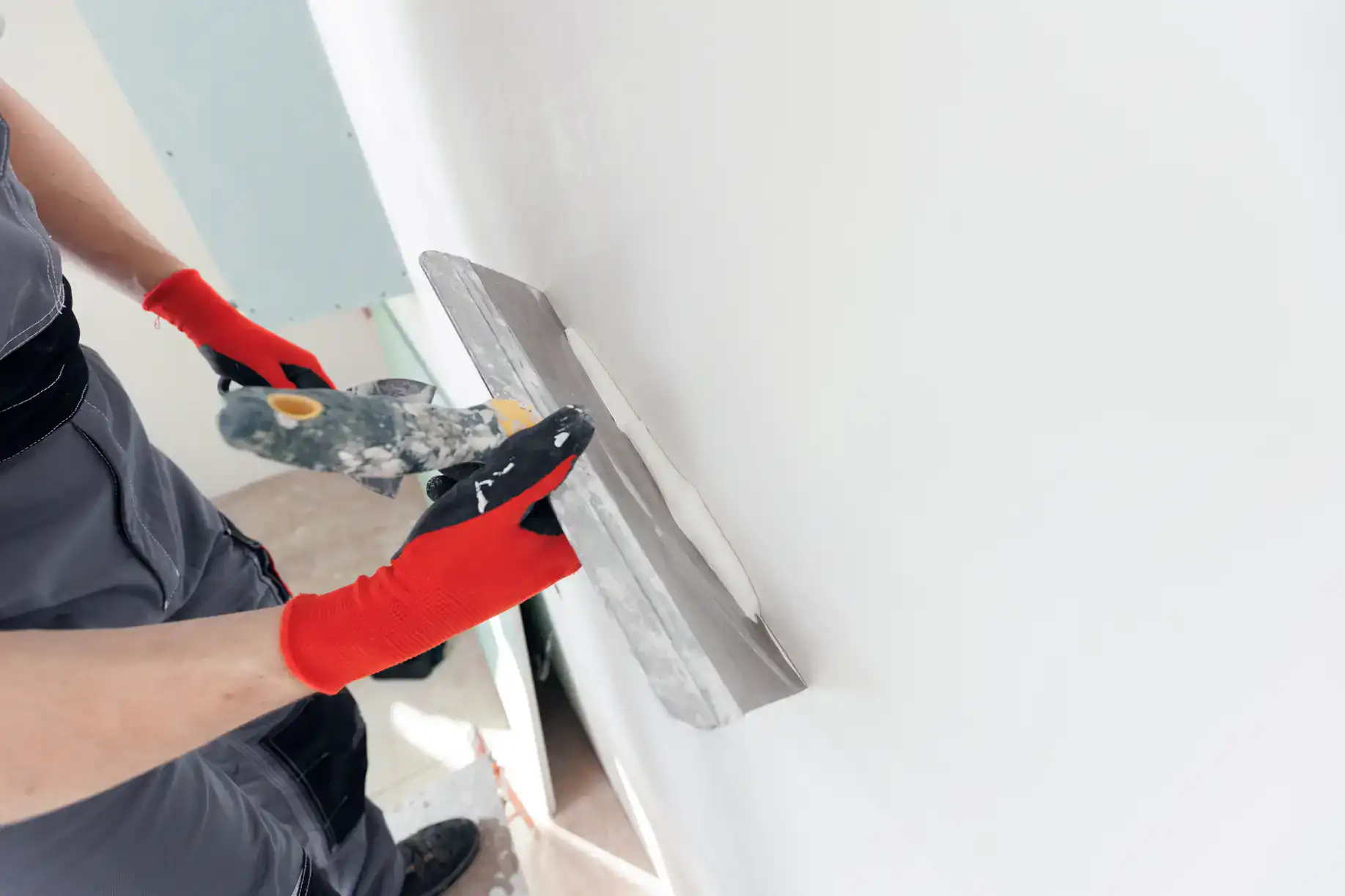
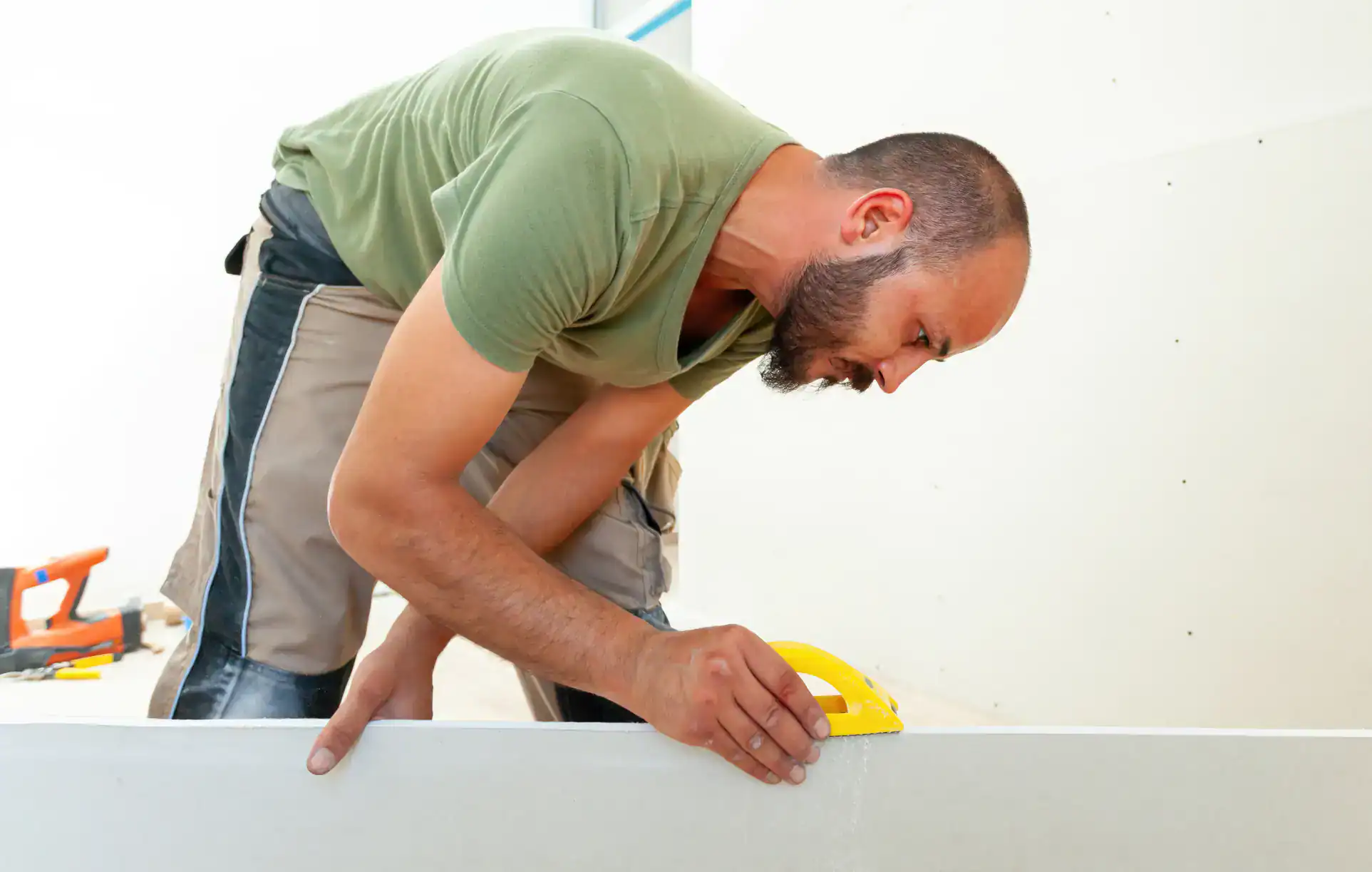
That hole from moving furniture disappears. The crack from your home settling gets fixed properly, not just covered up. Water stains from that roof leak last winter? Gone.
You get walls that match your existing texture perfectly. No patchy spots. No obvious repairs. Just clean, smooth surfaces that blend right in.
Your home looks the way it should. You stop noticing that damaged spot every time you walk past it. And if you’re getting ready to sell or just want your space to feel right again, you’re done worrying about what that wall damage says about your home.
The work gets finished fast—usually same day for most repairs. You’re not dealing with a drawn-out project. You get a quick estimate, a clear timeline, and walls that are fixed correctly the first time.
We work throughout Philadelphia’s historic neighborhoods, and Society Hill presents specific challenges. Your colonial-era row house wasn’t built with modern drywall. Many homes here have original plaster walls, or a mix of old plaster and newer drywall from renovations in the ’50s and beyond.
That matters because repairing a 1790s home isn’t the same as fixing a suburban house built in 1995. The materials are different. The way walls settle is different. Even the way moisture moves through these buildings is unique.
We’ve handled enough Society Hill repairs to know what we’re looking at when we walk in. Whether it’s matching historic plaster texture, dealing with settling cracks common in homes this old, or fixing water damage from aging infrastructure, we’re not learning on your property. You get someone who’s done this before and knows what actually works in these homes.
You reach out, we schedule a time that works for you, and we come look at what needs fixing. We’ll give you a straight answer about what’s required and what it’ll cost. Most drywall repair in Society Hill runs between $150 and $800 depending on size and complexity, but you’ll know your specific number before we start.
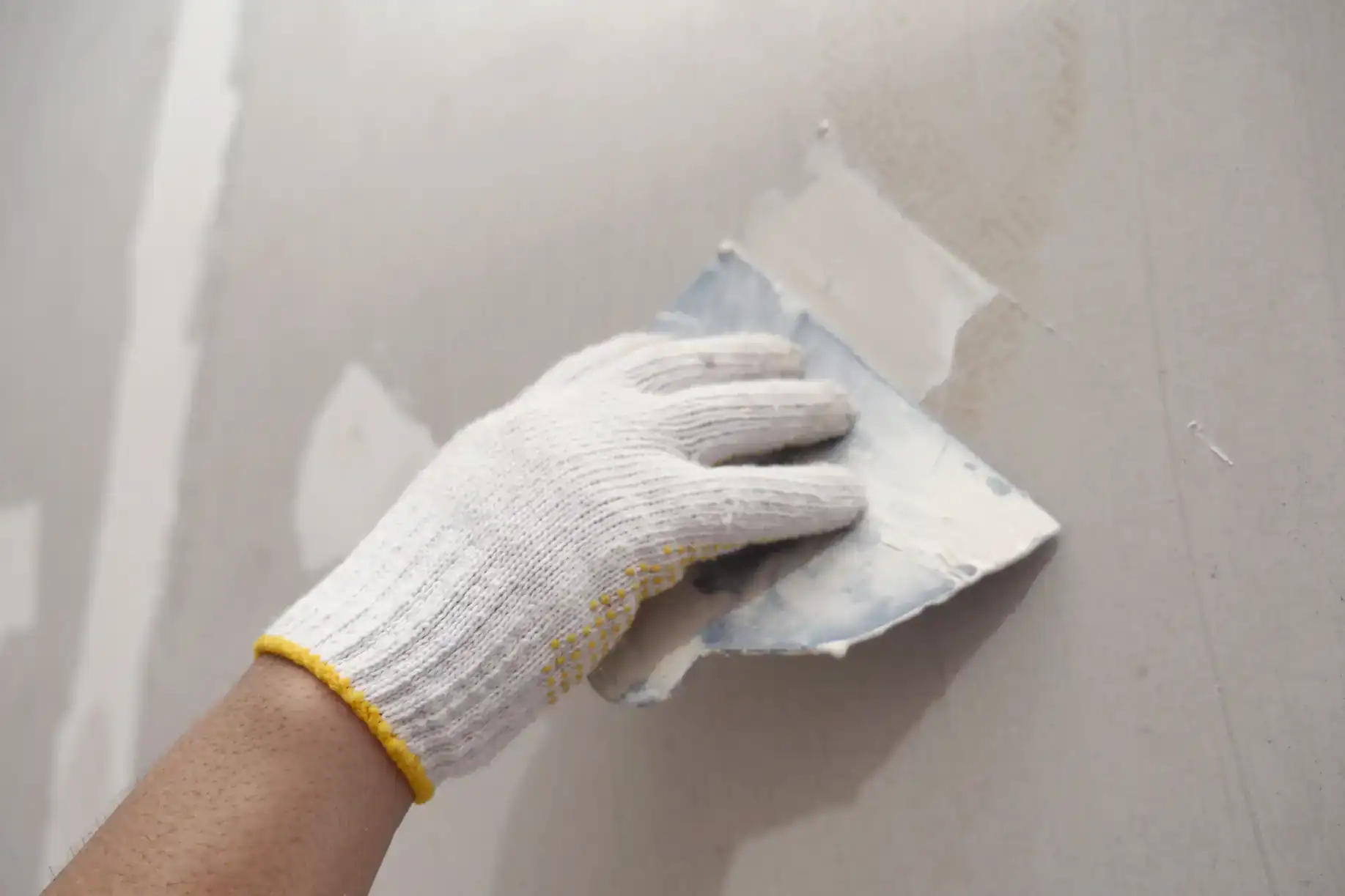
Once you’re ready to move forward, we show up with everything needed to complete the job. For a typical hole or crack repair, we cut out any damaged material, secure the area, apply new drywall or patching compound, and then sand and texture to match your existing wall. If you’ve got water damage, we make sure the source is actually fixed first—no point repairing drywall if it’s just going to get wet again.
The repair gets primed and painted to match your wall. We clean up completely. You’re not left with dust or debris.
Most repairs finish in one day. Larger jobs or multiple rooms might take longer, but we’ll tell you the realistic timeline upfront. You won’t be surprised by how long we’re in your home.
Ready to get started?
You get repairs that account for how your specific home is built. Society Hill has homes spanning different eras and construction methods. A Federal-style row house from 1800 needs different handling than a renovated unit from 1960. We match existing textures whether that’s smooth plaster, knockdown, or something else entirely.
The average cost of drywall repair in Society Hill depends on what you’re fixing. Small holes from picture hangers or doorknobs run on the lower end. Larger holes from accidents or furniture damage cost more. Water damage repairs vary based on how much material needs replacing. Ceiling repairs typically cost more than walls because of access and complexity.
You’re looking at $1.50 to $3.50 per square foot for basic repairs in Philadelphia. Labor runs $50 to $100 per hour depending on the job. But here’s what matters more than averages: you get a specific quote for your specific situation before anything starts.
The work includes patching, texturing, priming, and painting. We don’t just fix the hole and leave you with a white patch on your colored wall. You get a finished repair that matches the rest of your room. And if there’s an underlying issue—like a leak causing water damage—we’ll tell you what needs addressing even if we’re not the ones fixing that part.
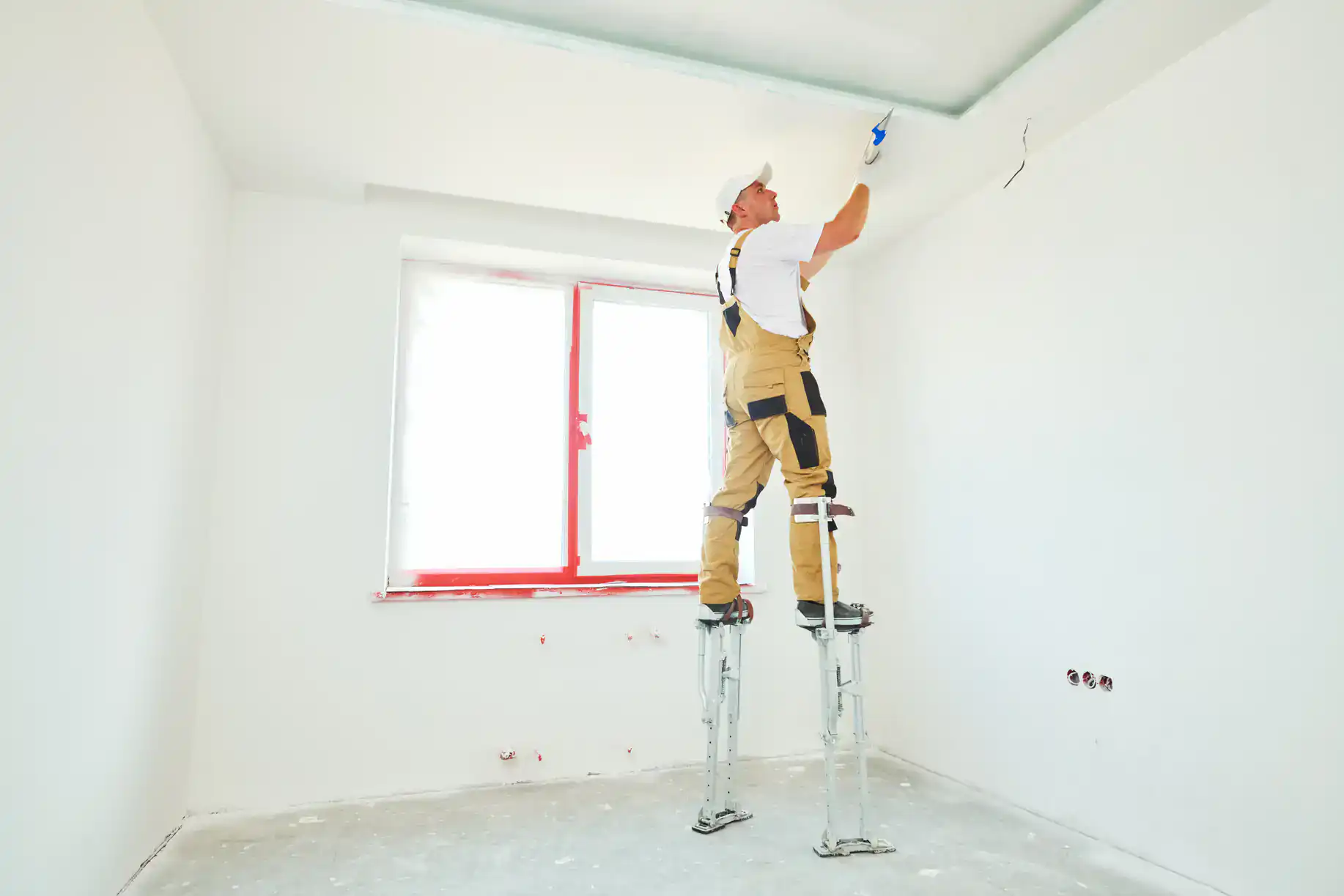
Most homeowners in Society Hill spend between $150 and $800 on drywall repair depending on the size and complexity of the damage. Small holes from doorknobs or picture hangers typically fall on the lower end. Larger repairs—like a two-foot hole from furniture or extensive water damage—cost more.
The cost to repair drywall in Society Hill breaks down to roughly $1.50 to $3.50 per square foot for materials and labor combined. If you’re paying hourly instead of by square footage, expect $50 to $100 per hour depending on the contractor’s experience and the job’s difficulty.
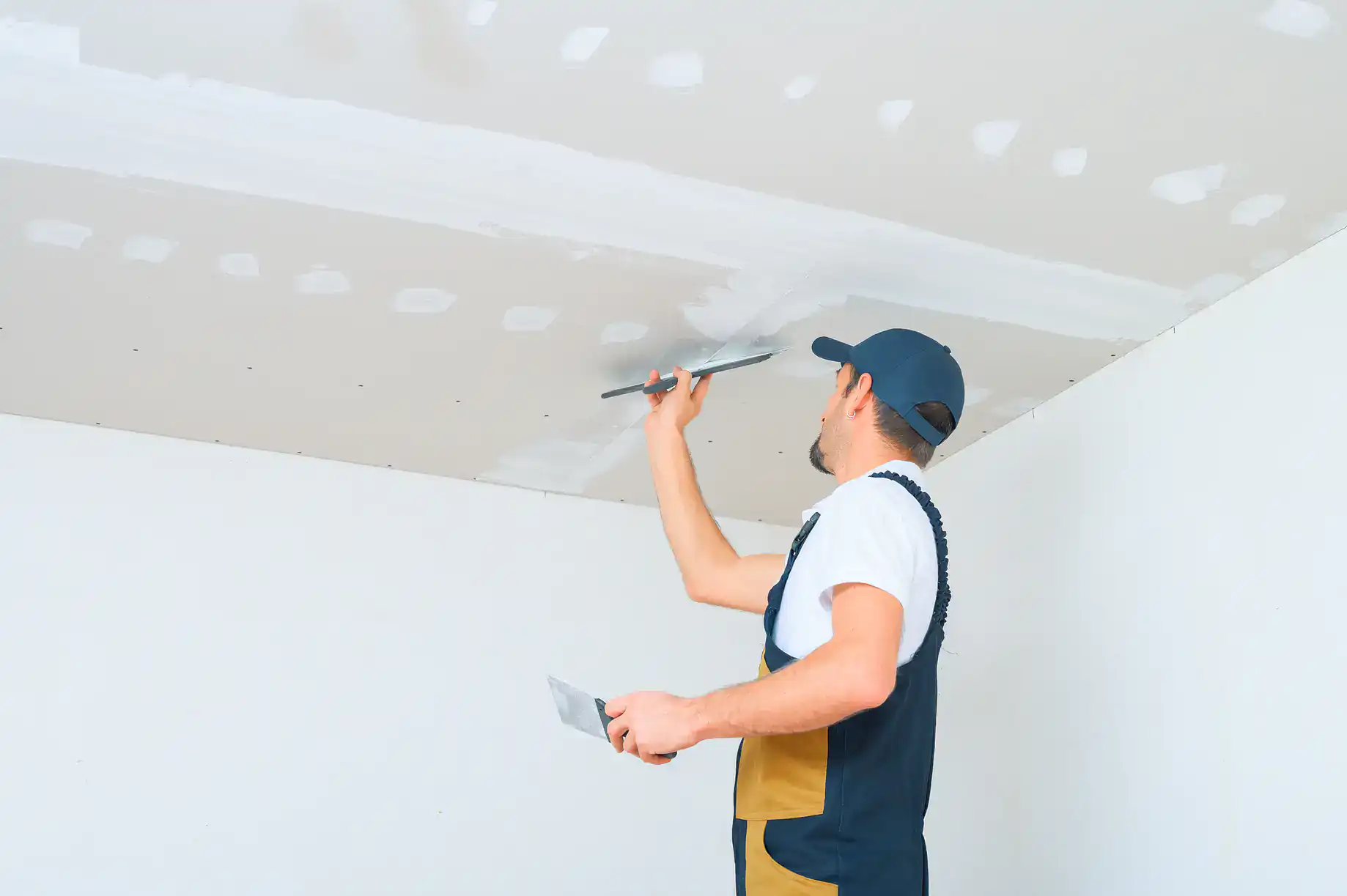
Ceiling repairs usually cost more than wall repairs because they’re harder to access and require more careful finishing work. Water damage repairs vary widely based on how much drywall needs replacing and whether there’s mold remediation involved.
You’ll get the most accurate number by having someone look at the actual damage. Variables like your wall’s current texture, the type of finish you want, and whether we’re matching historic plaster all affect final cost.
Yes, but it takes experience with historic homes to do it right. Many Society Hill homes have original plaster walls with specific textures that aren’t common in modern construction. Some have smooth troweled finishes. Others have slight texture or patterns that were popular in the 18th and 19th centuries.
Matching existing texture is part skill and part having seen enough old homes to recognize what you’re looking at. We assess your current wall finish, then replicate it using the right techniques and materials. Sometimes that means hand-troweling to match a smooth plaster finish. Other times it involves texture matching with specific compounds.
The goal is making the repair invisible. You shouldn’t be able to tell where the old wall ends and the new patch begins. That’s harder with textured or historic finishes than it is with flat modern drywall, but it’s doable when you know what you’re doing.
If your walls have been painted over many times—common in homes this old—we also match the paint sheen and color so the repair blends completely. You’re not left with a visible patch that stands out.
Most drywall repairs in Society Hill finish in one day. A small hole or crack repair might take just a few hours from start to finish. Larger repairs or multiple damaged areas might take a full day but rarely extend beyond that.
The timeline depends on what’s involved. Simple patches dry faster. Repairs requiring multiple coats of compound need drying time between applications. If we’re matching complex textures or dealing with water damage that requires more extensive material replacement, that adds time.
Painting is usually the final step, and that needs to happen after everything’s dried and sanded smooth. We don’t rush this part because bad finishing work is what makes repairs obvious. You want it done right more than you want it done fast.
Weather can affect drying times slightly, especially in humid summer months or cold winter days. But we work with that and adjust our process so you still get a quality result. We’ll give you a realistic completion time when we assess your specific repair, and we stick to it.
Settling is the main culprit in historic homes. Society Hill row houses are 200+ years old in many cases, and structures shift over time. The ground beneath your home settles. Wood framing expands and contracts with humidity and temperature changes. All of that movement creates stress on walls, which shows up as cracks.
You’ll often see cracks at stress points—above doorways, at ceiling corners, where walls meet. These are normal in older homes and don’t necessarily mean anything’s structurally wrong. They’re just the reality of living in a building this old.
Some cracks do signal bigger issues. Large cracks that grow over time, cracks accompanied by doors that won’t close properly, or cracks with separation might indicate foundation problems. That’s different from typical settling cracks and needs a structural assessment, not just a drywall patch.
Water damage also causes cracks. If you’ve had roof leaks, plumbing issues, or condensation problems, the moisture weakens drywall and plaster. You’ll see cracking, bubbling, or crumbling around the damaged area. Fixing that requires addressing the water source first, then repairing the damaged material.
Yes, but the water source has to be fixed first. There’s no point repairing water-damaged drywall if the leak is still active. You’ll just end up with the same problem again in a few months.
Water damage in Society Hill homes often comes from aging roofs, old plumbing, or condensation issues in homes without modern climate control. Sometimes it’s from a one-time event like a burst pipe. Either way, we need to make sure the moisture problem is resolved before we start repairs.
Once the source is handled, we assess how much drywall needs replacing. Water-damaged drywall loses its structural integrity. It gets soft, crumbles, or grows mold. That material has to come out completely. We cut out the damaged section, check for mold, treat the area if needed, and then install new drywall.
Water damage repairs typically cost more than simple hole patches because there’s more involved. You’re dealing with larger areas, potential mold issues, and the need to ensure everything’s completely dry before closing it back up. But it’s necessary work—leaving water-damaged drywall in place creates bigger problems down the road, including health issues from mold.
Small nail holes or minor dings? You can probably handle those yourself with spackle and paint. Anything larger than a few inches or involving structural damage, water issues, or texture matching in a historic home—that’s where DIY usually creates more problems than it solves.
The issue isn’t that drywall repair is impossibly difficult. It’s that doing it well requires technique, the right materials, and experience knowing what “done correctly” actually looks like. Most DIY repairs are obvious. You see the patch. The texture doesn’t match. The paint is slightly off. It looks like someone fixed it themselves.
In a Society Hill home worth $500,000+, visible DIY patches hurt your property value and just look bad. You’ve invested in this home. The repairs should reflect that.
There’s also the question of what’s behind the damage. If you’ve got a crack from settling, is it just cosmetic or is something structural happening? If it’s water damage, is there mold you’re not seeing? A professional assessment catches issues that aren’t obvious to someone who doesn’t do this regularly. You might save $100 doing it yourself, but if you miss a bigger problem or have to redo it later, that’s not actually savings.
Other Services we provide in Society Hill