Here’s what matters: when we’re done, you can’t tell there was ever a problem. No visible seams. No texture mismatch. No “we’ll come back and fix that” promises.
You’re not paying for spackle slapped over a hole. You’re getting texture matched to your exact wall finish, which matters more than you’d think in North Philadelphia where most homes were built in the 1950s and 60s with unique plaster textures that are nearly impossible to replicate without the right tools and experience.
Most repairs get done in a single day. Small holes take a few hours. Larger damage from water leaks or accidents might need a full day, but you’re not waiting weeks for multiple visits. We show up, assess what’s actually needed, complete the work, and clean up completely before we leave.
We serve Montgomery County, Bucks County, and Philadelphia with one focus: drywall repair done correctly. Not handyman patchwork. Not general contracting where drywall is an afterthought.
We’re licensed and insured, which protects you if something goes wrong. We’ve worked extensively in North Philadelphia neighborhoods where housing stock averages 93 years old, so we understand the specific challenges of repairing walls in older attached homes, duplexes, and townhouses that make up most of the area.
When you call, you get a free estimate with transparent pricing. No surprises. No hidden fees for “extra materials” that should’ve been included from the start.
First, we assess the damage in person and give you a free estimate. If it’s water damage, we check for mold and structural issues before any repair starts. You need to know what you’re actually dealing with, not just cover up a problem that’ll come back worse.
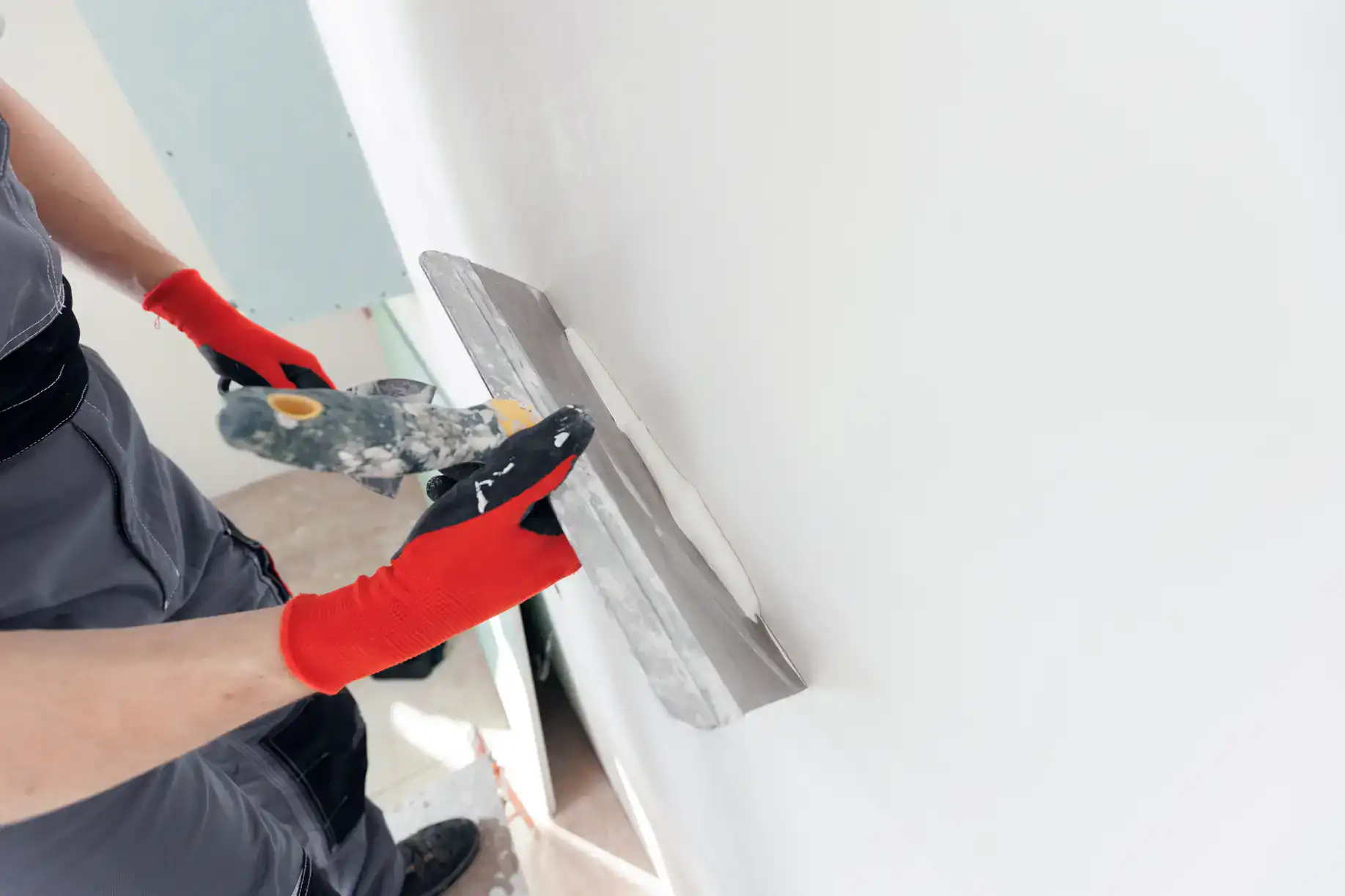
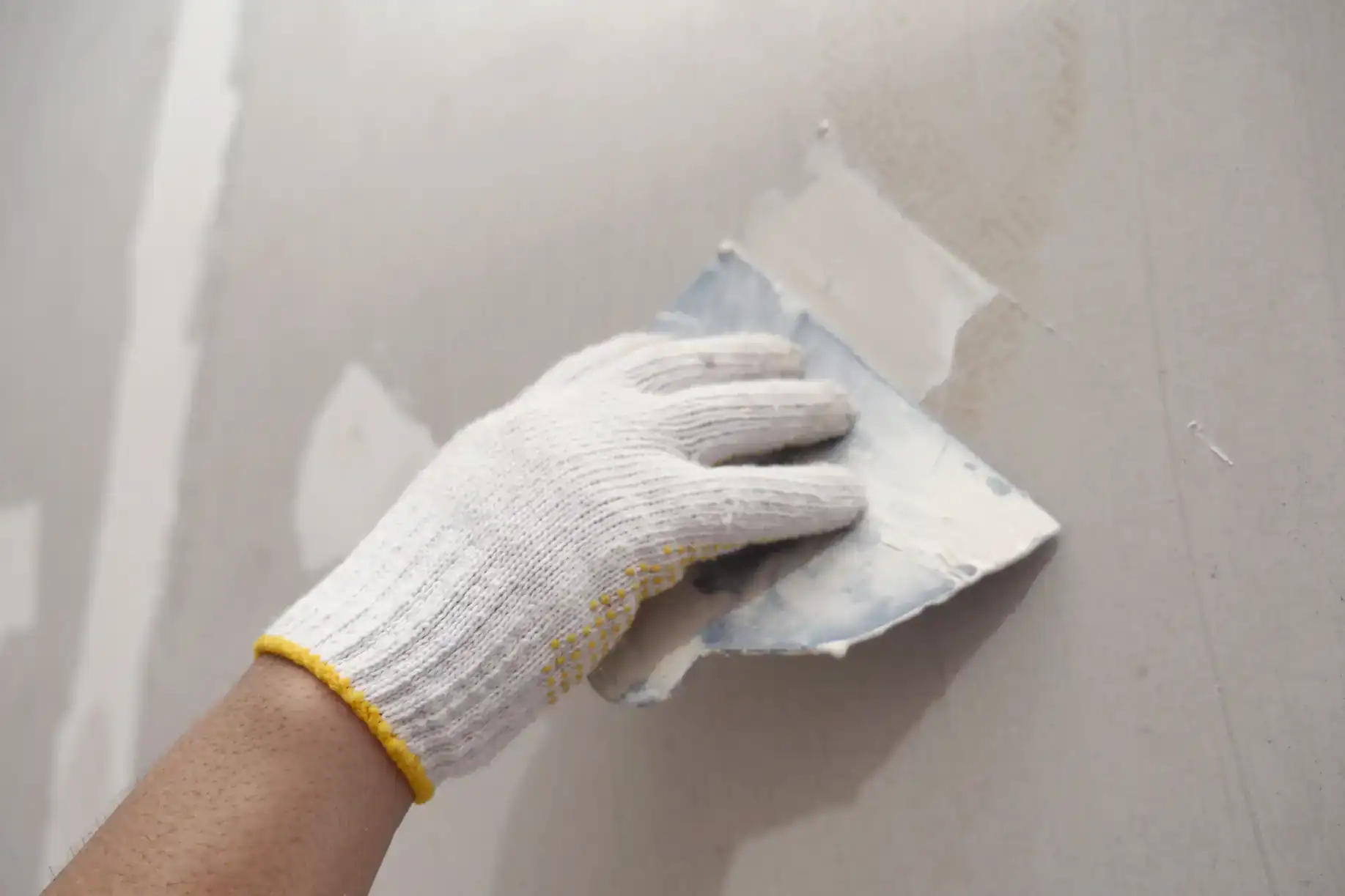
Once you approve the estimate, we schedule the repair. For most jobs, we complete everything in one visit. We cut out damaged drywall, install new material, tape and mud the seams, then match your existing texture. That last part is critical and where most cheap repairs fail.
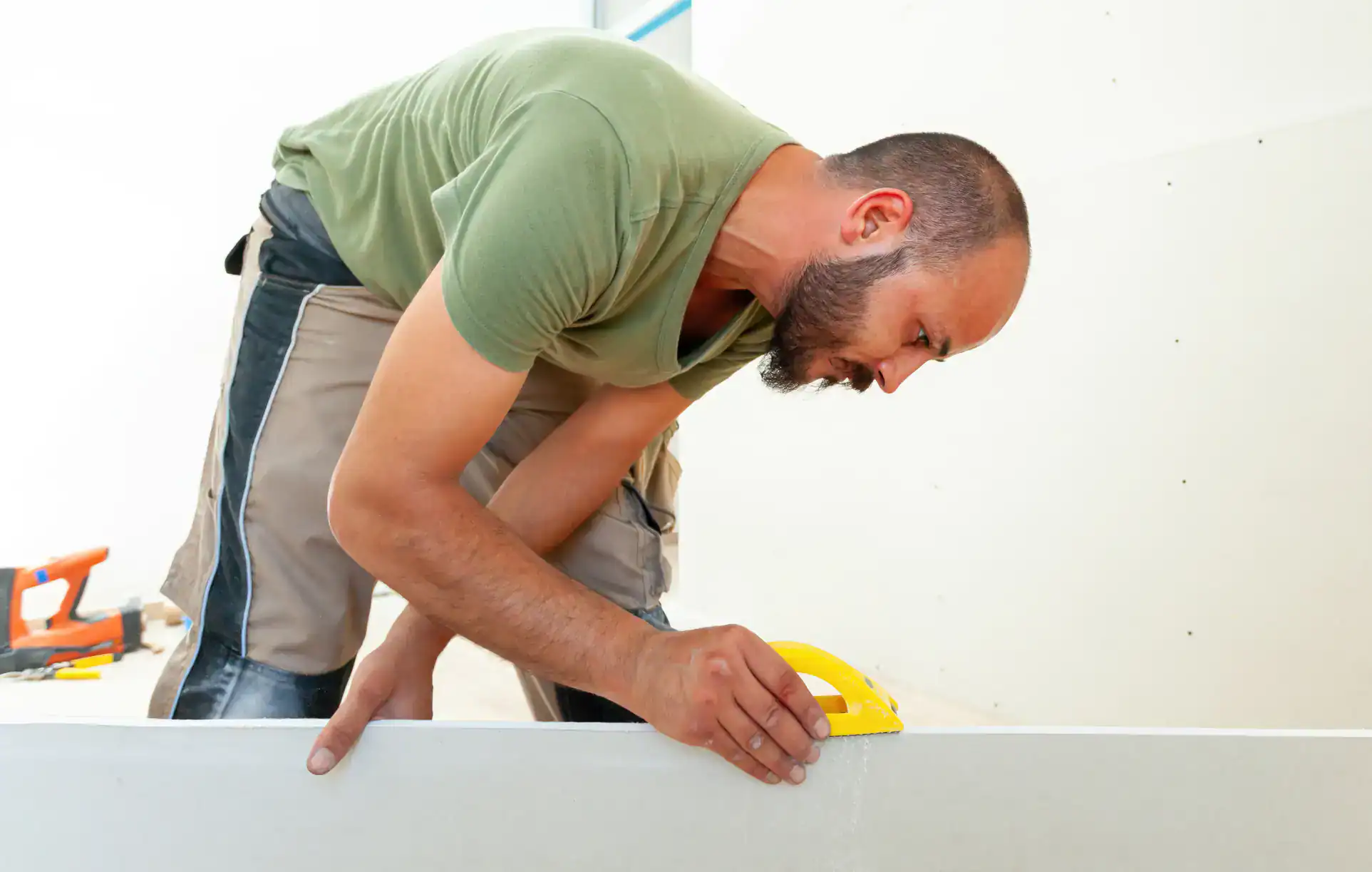
After the repair dries, we sand it smooth, prime it, and clean up completely. You’re left with a wall that’s ready to paint or already blends in if we’re matching an unpainted texture. No dust left behind. No half-finished corners. No “we’ll be back next week to finish.”
Ready to get started?
The cost to repair drywall in North Philadelphia typically runs $150 to $800 depending on damage size and complexity. Small holes from doorknobs or wall anchors sit at the lower end. Larger repairs from water damage, accidents, or multiple problem areas cost more.
Here’s what affects drywall repair costs: the size of the damaged area, whether there’s water damage requiring mold assessment, texture matching complexity, and ceiling versus wall repairs. Ceiling repairs cost more because they’re harder to access and finish smoothly.
You’re paying for specialized tools, materials that match your specific wall type, and years of practice getting textures right. The average cost of drywall repair reflects real expertise, not just spackle and a putty knife. In North Philadelphia’s older housing stock, texture matching often requires custom techniques because standard orange peel or knockdown textures don’t match what’s already on your walls.
Most handyman drywall repair cost estimates seem cheaper upfront but don’t include proper texture matching or thorough water damage assessment. You end up with visible patches that lower your home’s value or hidden moisture problems that create bigger issues later.
Most drywall repair in North Philadelphia costs between $150 and $800. Small repairs like nail holes, small cracks, or minor damage from moving furniture typically run $150 to $300. Larger repairs from water damage, significant cracks, or multiple damaged areas cost $400 to $800 or more.
The biggest cost factors are damage size, location (ceilings cost more than walls), and whether water damage is involved. If there’s water damage, you’re paying for proper assessment to check for mold and structural issues before any cosmetic repair happens. Skipping that step saves money now but costs more later when hidden problems get worse.
Texture matching also affects cost. North Philadelphia homes built in the 1950s and 60s often have unique plaster textures that require specialized tools and techniques to replicate. A cheap patch job that doesn’t match your existing texture is obvious and looks worse than leaving the damage alone.
Most drywall repairs get completed in one day. Small holes from doorknobs, wall anchors, or minor cracks take just a few hours from start to finish. Larger repairs from water damage or significant wall damage might need a full day, but you’re not waiting for multiple visits spread across weeks.
The timeline depends on drying time for joint compound and whether multiple coats are needed. Small repairs often need just one or two coats. Larger repairs might need three coats to build up a smooth, level surface that blends with your existing wall.
If there’s water damage, the timeline extends because we need to assess moisture levels and check for mold before starting any repair. Rushing that process means covering up problems that’ll come back worse. Once we confirm the area is dry and safe to repair, the actual drywall work follows the same timeline as any other repair.
Yes, texture matching is a core part of what we do. North Philadelphia has a lot of homes built in the 1950s and 60s with unique plaster textures that aren’t standard knockdown or orange peel. Matching those textures requires specific tools, materials, and years of practice.
Here’s why texture matching matters: a repair with mismatched texture is immediately visible. It looks like a patch job, which lowers your home’s value and makes it obvious something was wrong with that wall. A proper repair disappears completely because the texture blends seamlessly with the surrounding area.
We bring samples and test texture application before finishing the entire repair. That way you see exactly how it’ll look before we complete the work. Most cheap repairs skip this step and just slap on whatever texture is easiest, which is why you see so many obvious patch jobs in older homes.
Call for an assessment before the damage gets worse. Water-damaged drywall needs professional evaluation to check for mold, structural issues, and the source of the water. Covering up water damage without addressing the cause means you’ll have the same problem again, plus potential mold growth behind your walls.
North Philadelphia’s proximity to Pennypack Creek and the area’s older housing stock means basement flooding and water damage are common issues. If you’ve had recent flooding, roof leaks, or plumbing problems, the drywall might look okay on the surface but have hidden damage that’ll show up later as sagging, discoloration, or mold.
We assess the moisture level, identify the water source, and determine whether the drywall needs repair or full replacement. Sometimes damaged drywall can be dried and repaired. Other times it needs complete replacement to prevent mold and structural problems. You need to know which situation you’re dealing with before any repair work starts.
Yes, estimates are completely free with no obligation. We come to your home, assess the damage in person, and give you transparent pricing with no hidden fees. You know exactly what you’re paying for before any work starts.
Free estimates matter because drywall repair costs vary significantly based on damage type, size, and complexity. A phone estimate can’t account for texture matching requirements, water damage extent, or access challenges in your specific home. In-person assessment gives you accurate pricing, not a lowball number that increases once work starts.
During the estimate, we explain what work is actually needed and why. If there’s water damage, we tell you what assessment is required before repair. If texture matching will be complex, we explain why that affects cost. You’re not getting a sales pitch—you’re getting a clear explanation of what your specific repair requires and what it’ll cost.
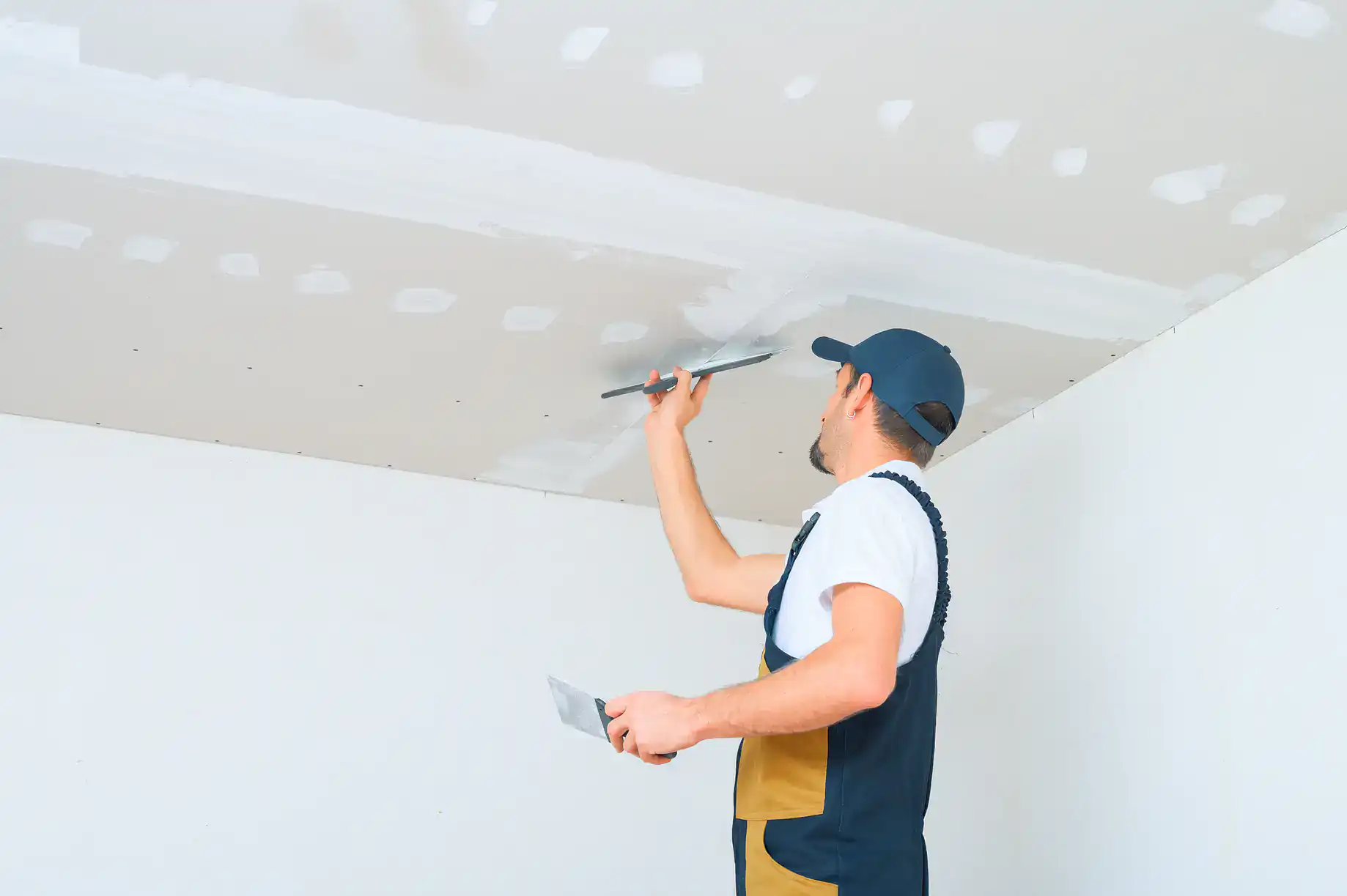
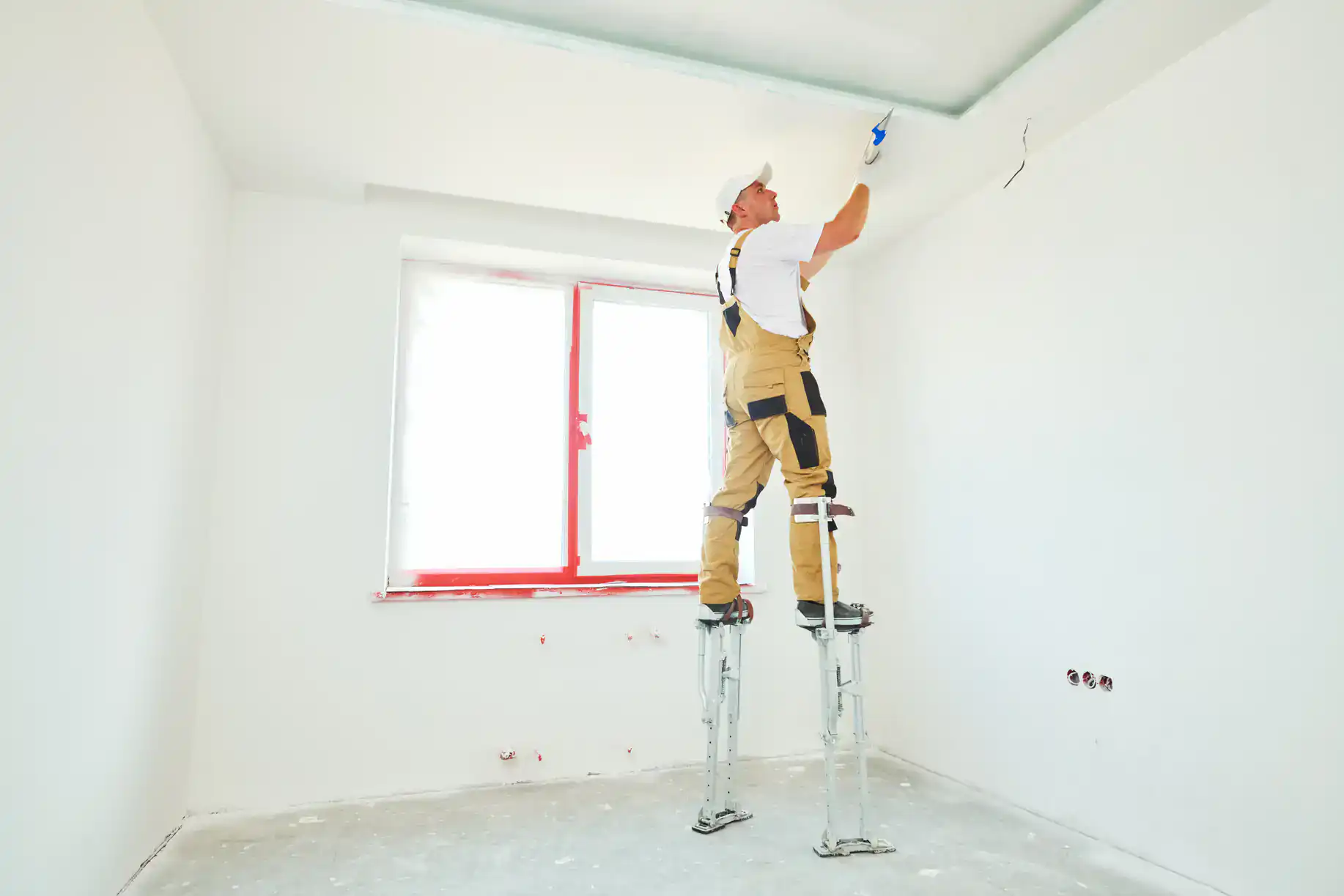
Ceiling repairs cost more because they’re harder to access, more difficult to finish smoothly, and require more careful technique to prevent visible seams or sags. Gravity works against you on ceilings, so joint compound application and texture matching require more skill and time.
Ceilings also show imperfections more easily than walls because of how light hits them. A slightly uneven repair that might be invisible on a wall becomes obvious on a ceiling. That means more careful surface preparation, more precise texture matching, and often additional coats of joint compound to achieve a perfectly smooth finish.
The average cost for drywall ceiling repair in North Philadelphia typically runs 20-30% higher than comparable wall repairs. If you’re dealing with water damage on a ceiling from a roof leak or upstairs plumbing issue, the cost increases further because we need to assess structural damage to ceiling joists and check for mold in the space above the drywall.
Other Services we provide in North Phila.