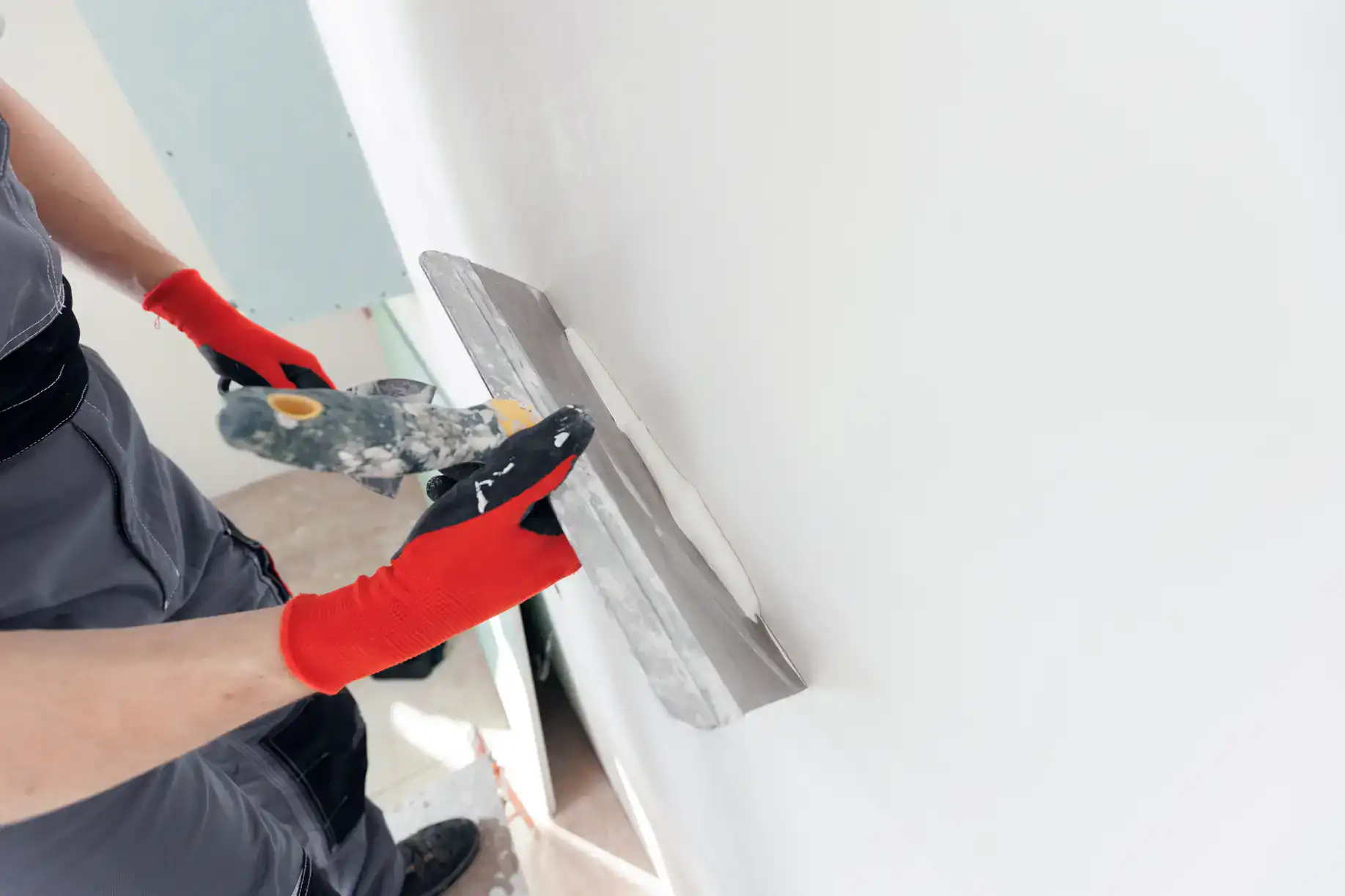
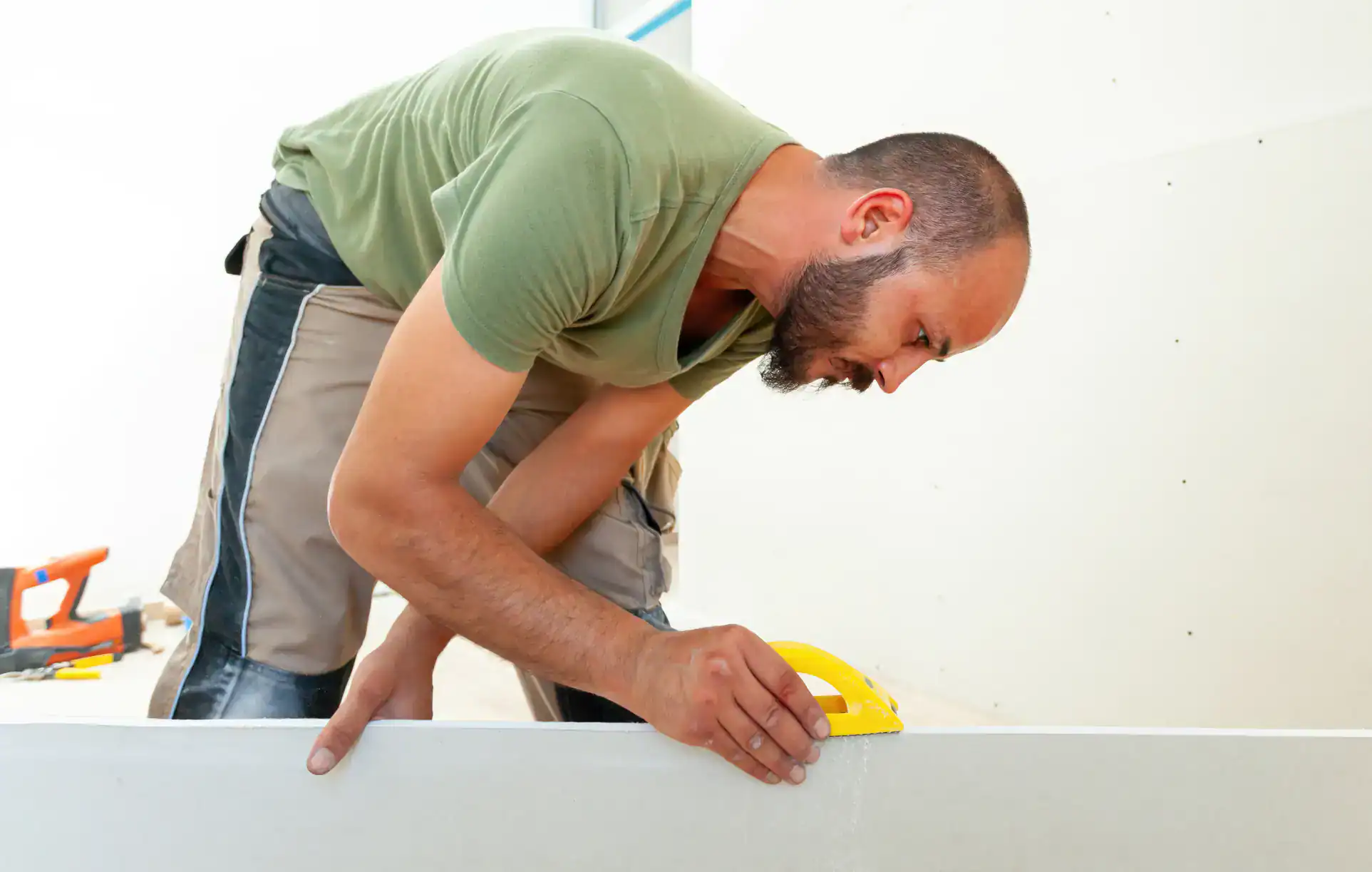
You get walls and ceilings that look untouched. No lines, no shadows, no obvious patches that scream “something happened here.” The texture matches. The paint blends. Your home looks the way it should.
Most drywall repair jobs in East Passyunk run between $300 and $600, depending on the size and complexity. Water damage from an upstairs bathroom leak? Stress cracks from your century-old rowhouse settling? Holes from old fixtures or DIY mistakes? We handle all of it, and we finish most repairs in a single day.
You’re not waiting around for multiple visits or dealing with dust tracked through your house. We protect your floors and furniture with heavy plastic sheeting, complete the work, and leave your place cleaner than we found it. That’s not a sales pitch—it’s how we work.
East Passyunk isn’t new construction. Most homes here were built over a century ago, which means plaster walls, settling foundations, and quirks that require actual experience to handle correctly. We’ve worked in enough rowhouses to know what we’re looking at before we even open the toolbox.
Sharpe Drywall is locally owned and fully licensed and insured. We’re not a handyman with a YouTube tutorial or a crew that disappears after the deposit clears. We’re the team your neighbors call when they need drywall repair in East Passyunk, PA that actually holds up.
You’ll get a free estimate with no pressure and a clear explanation of what needs to happen. If the job makes sense, we’ll schedule it. If it doesn’t, we’ll tell you that too.
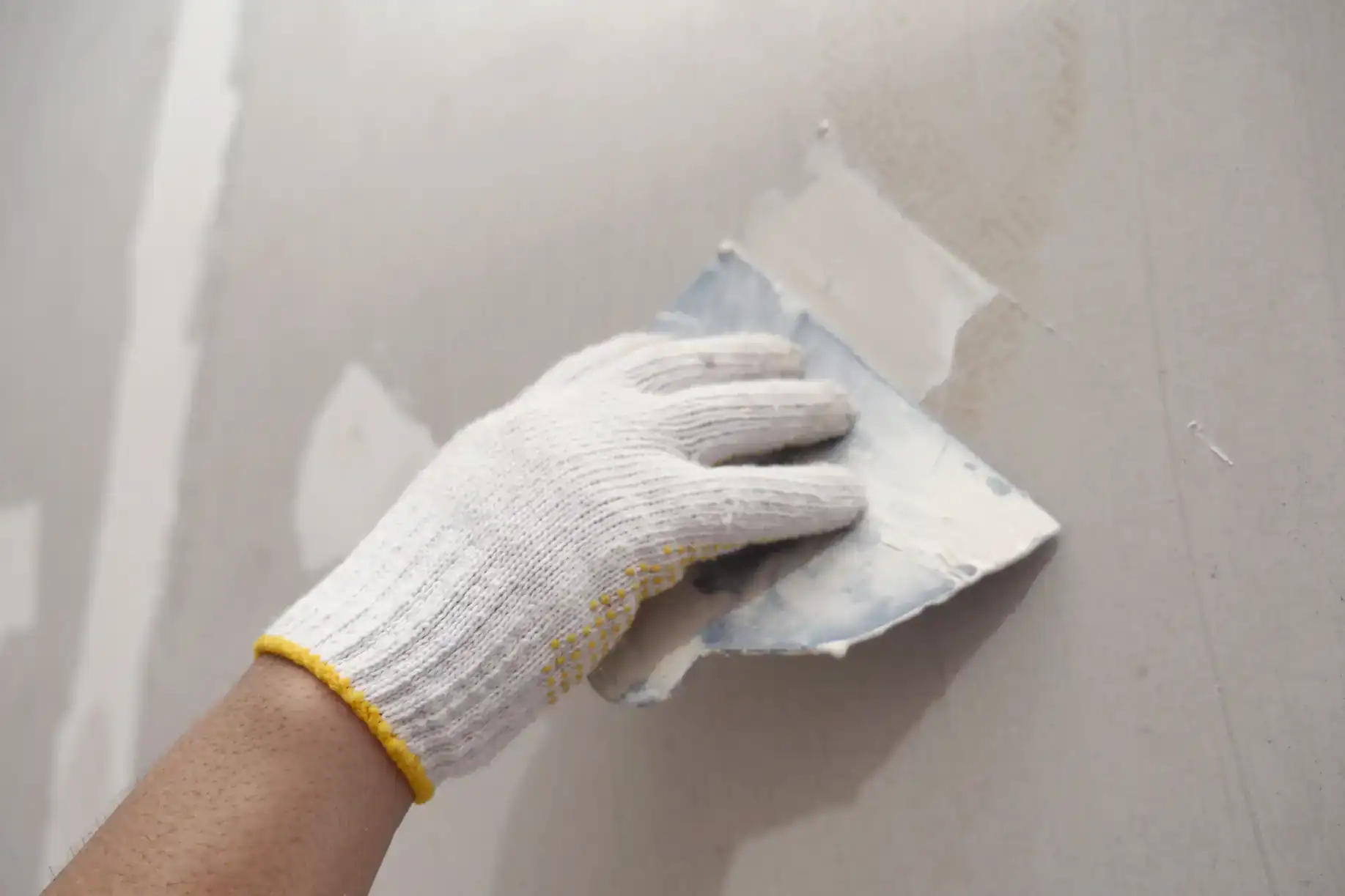
First, we assess the damage. Water stains, cracks, holes—we figure out what caused it and whether there’s an underlying issue that needs attention before we patch anything. If your ceiling’s damaged from a leak, we’re not covering it up until we know the leak is fixed.
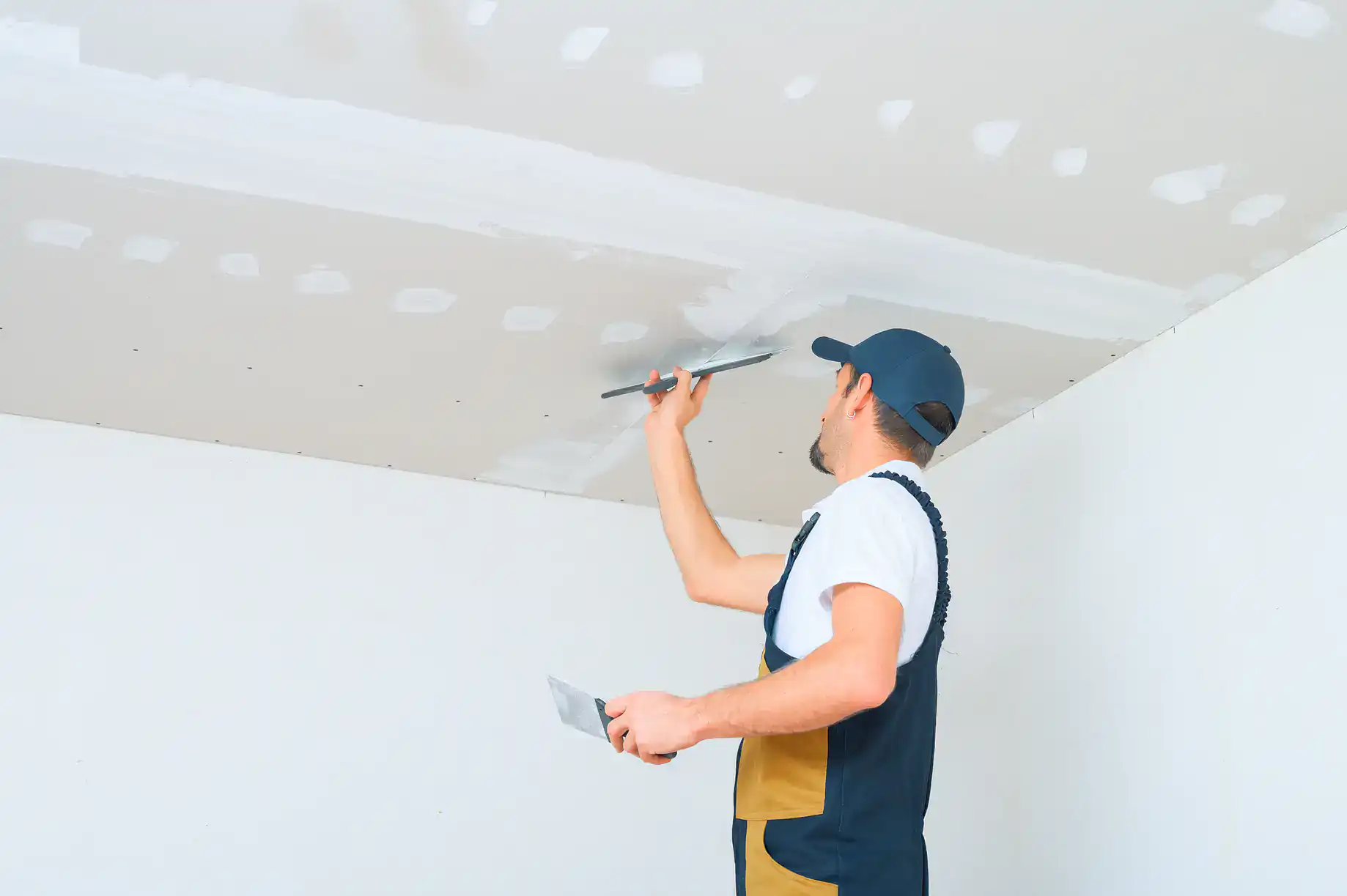
Next, we prep the area. That means plastic sheeting over your floors and furniture, dust barriers if needed, and making sure nothing gets damaged in the process. Then we cut out the damaged section, install new drywall or plaster, and apply joint compound in layers. We use rapid-setting materials when it makes sense, which is how we complete most jobs in one day instead of dragging it out over a week.
After that, we sand it smooth, match your texture, prime, and paint. The goal is for you to forget where the repair even was. We don’t leave until it’s done right, and we don’t consider the job finished until you’re satisfied with how it looks.
Ready to get started?
Every drywall repair in East Passyunk, PA includes full surface prep, patching or replacement of damaged sections, multiple coats of joint compound, sanding, texture matching, priming, and finish painting. You’re not paying for the patch and then finding out paint costs extra.
We also include complete cleanup. That means no dust left behind, no debris in your yard, and no mess for you to deal with after we leave. The average cost for drywall repair here typically falls between $300 and $600 for standard jobs—holes, cracks, small water damage sections. Larger projects like full ceiling repairs after significant water damage will cost more, but you’ll know the price upfront.
East Passyunk homes come with specific challenges. Plaster walls that need to tie into new drywall. Settling cracks that reappear if they’re not addressed at the source. Old paint layers that don’t play nice with modern materials. We account for all of that in the estimate, so there are no surprise charges halfway through the job.
If you’re dealing with emergency water damage—burst pipe, roof leak, bathroom overflow—we offer same-day response. The faster you get water-damaged drywall addressed, the less likely you are to deal with mold or structural issues down the line.
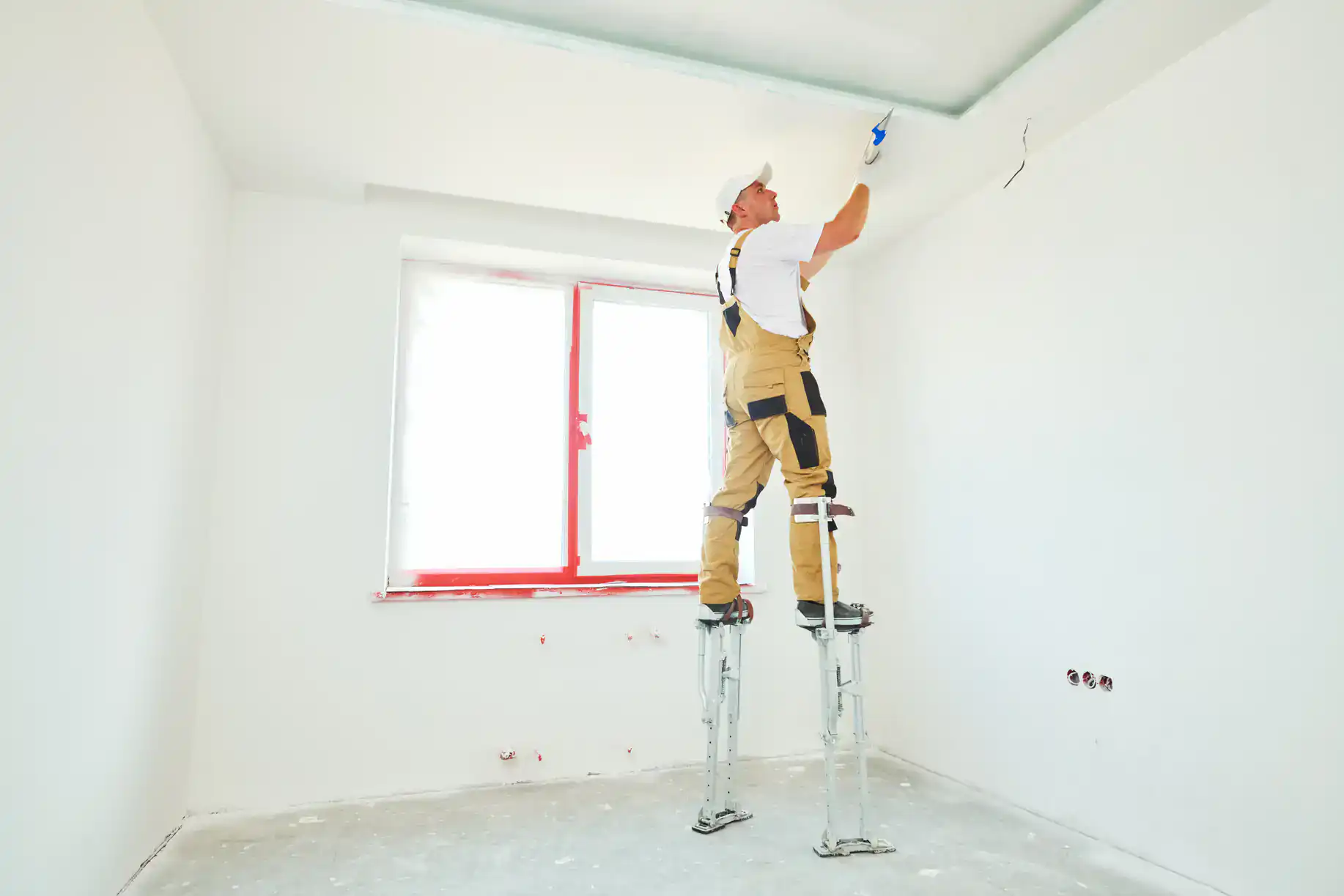
Most homeowners in East Passyunk pay between $300 and $600 for standard drywall repair, which covers small to medium holes, cracks, or water-damaged sections. That price includes labor, materials, surface prep, texture matching, and paint. If you’re dealing with something more extensive—like a full ceiling replacement after a major leak—the cost to repair drywall will be higher, but you’ll get a detailed estimate before any work starts.
The variation in drywall repair cost comes down to the size of the damage, the type of wall (plaster vs. drywall), and how much prep work is involved. A small hole from a doorknob might run $150 to $250. A ceiling repair from water damage that requires cutting out and replacing a 4×4 section, re-taping, multiple coats, texture matching, and paint could push toward $500 or more.
You won’t get hit with surprise fees. We walk through what needs to happen, explain why, and give you a number you can actually plan around. If the scope changes once we open up the wall, we’ll talk to you before doing anything extra.
Yes. Texture matching is one of the most important parts of drywall repair in East Passyunk, PA, especially in older rowhouses where walls have unique finishes that aren’t standard anymore. We don’t slap on a generic orange peel texture and call it done. We take the time to replicate what’s already there, whether it’s smooth plaster, knockdown, skip trowel, or something custom from decades ago.
The process involves testing different techniques and materials on scrap pieces until we get it right. Sometimes that means using traditional plaster methods instead of modern joint compound. Sometimes it means layering textures or using specific tools that aren’t common anymore. The goal is for the repair to disappear completely once it’s painted.
This is where experience with old Philadelphia homes makes a difference. If you’ve only worked on new construction, you don’t have the reference point for how these older finishes were originally done. We’ve worked in enough century-old rowhouses to know what we’re looking at and how to replicate it. You shouldn’t be able to tell where the damage was, and if you can, we didn’t do our job.
Most drywall repair jobs in East Passyunk are completed in one day. That includes cutting out the damaged section, installing the patch, applying multiple coats of joint compound, sanding, texture matching, priming, and painting. We use rapid-setting materials that allow us to move through the process faster without sacrificing quality.
Larger jobs—like repairing an entire ceiling after water damage or addressing multiple rooms—might take two days, but that’s the exception. The key is that we don’t leave your home torn apart for a week while we bounce between other jobs. We schedule the work, show up, and finish it.
The one variable is drying time for paint. If your walls need two coats of finish paint and we’re matching a specific color, we might need to come back the next day for the second coat. But the actual repair work—the part that requires skill and attention—is done in a single visit. You’re not living with plastic sheeting and half-finished walls while you wait for us to come back.
Cracks in East Passyunk rowhouses usually come from settling. These homes are over 100 years old, and foundations shift over time. When that happens, stress concentrates at weak points—above doorways, along ceiling seams, at corners where walls meet. You’ll see hairline cracks that grow slowly, or sometimes larger cracks that appear after a particularly wet season when the ground shifts.
Another common cause is plaster failure. Original plaster walls were applied over wood lath, and as the wood ages, it can pull away from the framing. That creates cracks or even sections where the plaster feels loose or sounds hollow when you tap it. If that’s the case, patching the crack won’t fix the problem—you need to address the underlying structure.
Temperature and humidity changes also play a role. Old homes weren’t built with the same moisture barriers or climate control as modern construction. When the house expands and contracts with the seasons, materials move at different rates, and cracks form. The fix isn’t just filling the crack with spackle. You need to determine whether it’s cosmetic or structural, address the cause if possible, and then repair it in a way that accounts for future movement. Otherwise, you’re just patching the same crack every year.
Yes. Water damage is one of the most common reasons homeowners in East Passyunk call for drywall repair, and it’s something that needs to be addressed quickly. Whether it’s a burst pipe, a roof leak, or an overflowing bathroom, water-soaked drywall doesn’t just look bad—it becomes a breeding ground for mold and can compromise structural integrity if left too long.
We offer same-day response for emergency situations. That means we can assess the damage, remove the wet or damaged drywall, dry out the area, and get the repair process started before mold has a chance to set in. The longer water sits in your walls or ceiling, the worse the problem gets and the more expensive the fix becomes.
The process involves cutting out the damaged section, checking the framing and insulation behind it, drying everything thoroughly, treating for mold if necessary, and then installing new drywall. We don’t patch over water damage and hope for the best. If there’s an active leak, that needs to be fixed first—we’ll tell you if you need a plumber before we start the drywall work. Once the source is handled and everything’s dry, we complete the repair the same way we would any other job: clean, matched, and finished right.
Older homes in East Passyunk come with complications that new construction doesn’t have. You’re often dealing with plaster walls instead of drywall, which requires different materials and techniques. Tying new drywall into old plaster takes more time and skill than patching drywall to drywall. The framing behind the walls might be irregular, the surfaces might not be level, and you’re working around a century of previous repairs and modifications.
There’s also the issue of materials. Modern joint compound doesn’t always bond well with old plaster or lime-based finishes. Sometimes we need to use traditional plaster methods or specialty bonding agents to make sure the repair actually sticks and doesn’t crack again in six months. That adds time and material cost.
Texture matching is another factor. New homes have standard textures that are easy to replicate. Older homes have custom finishes, hand-troweled plaster, or textures that aren’t made anymore. Getting that right takes experience and often some trial and error. The average cost of drywall repair reflects that reality. You’re paying for someone who knows how to work with old construction, not just someone who can patch a hole in standard half-inch drywall. The result is a repair that actually lasts and looks right, which is worth the difference.
Other Services we provide in East Passyunk