
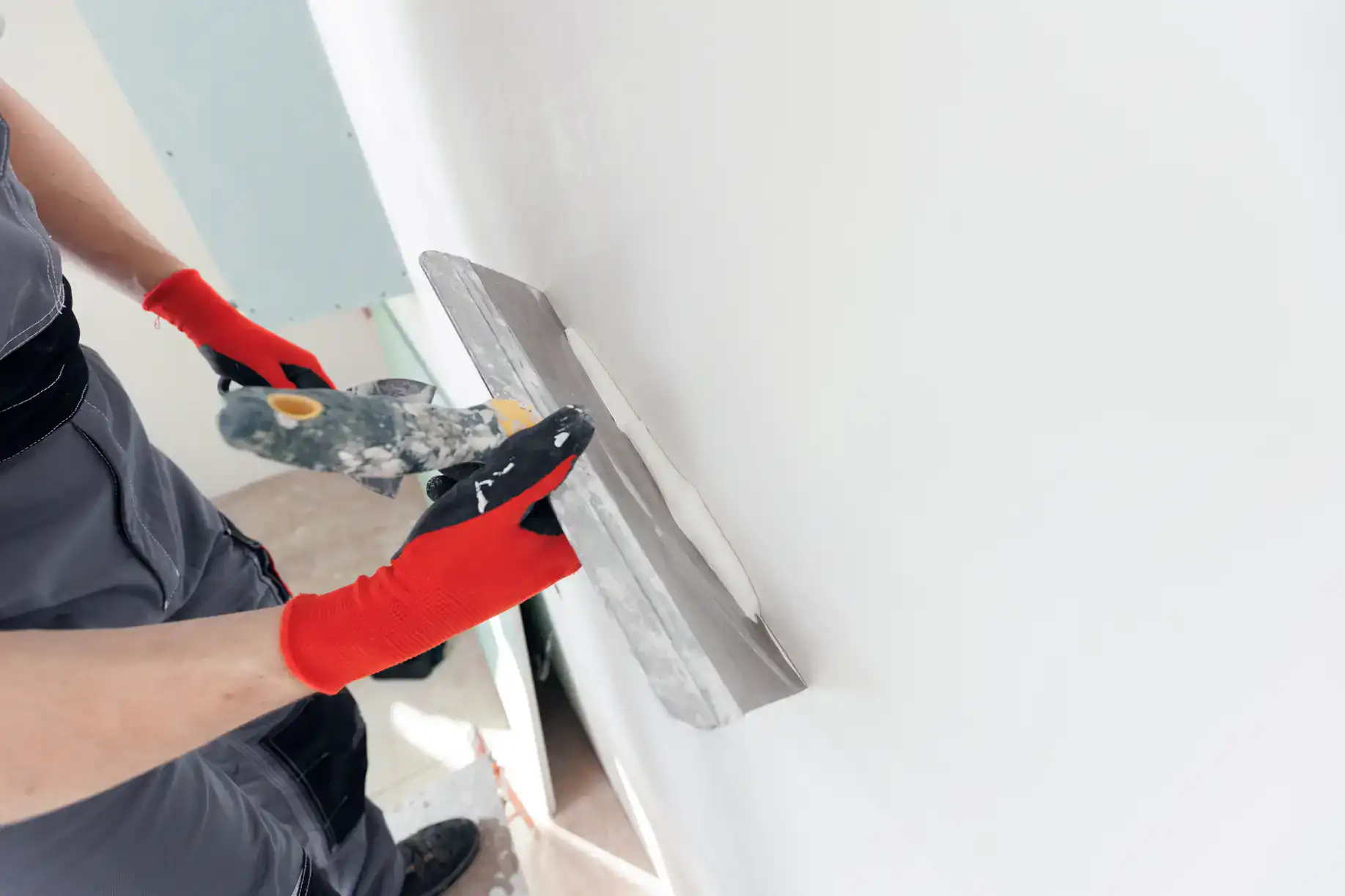
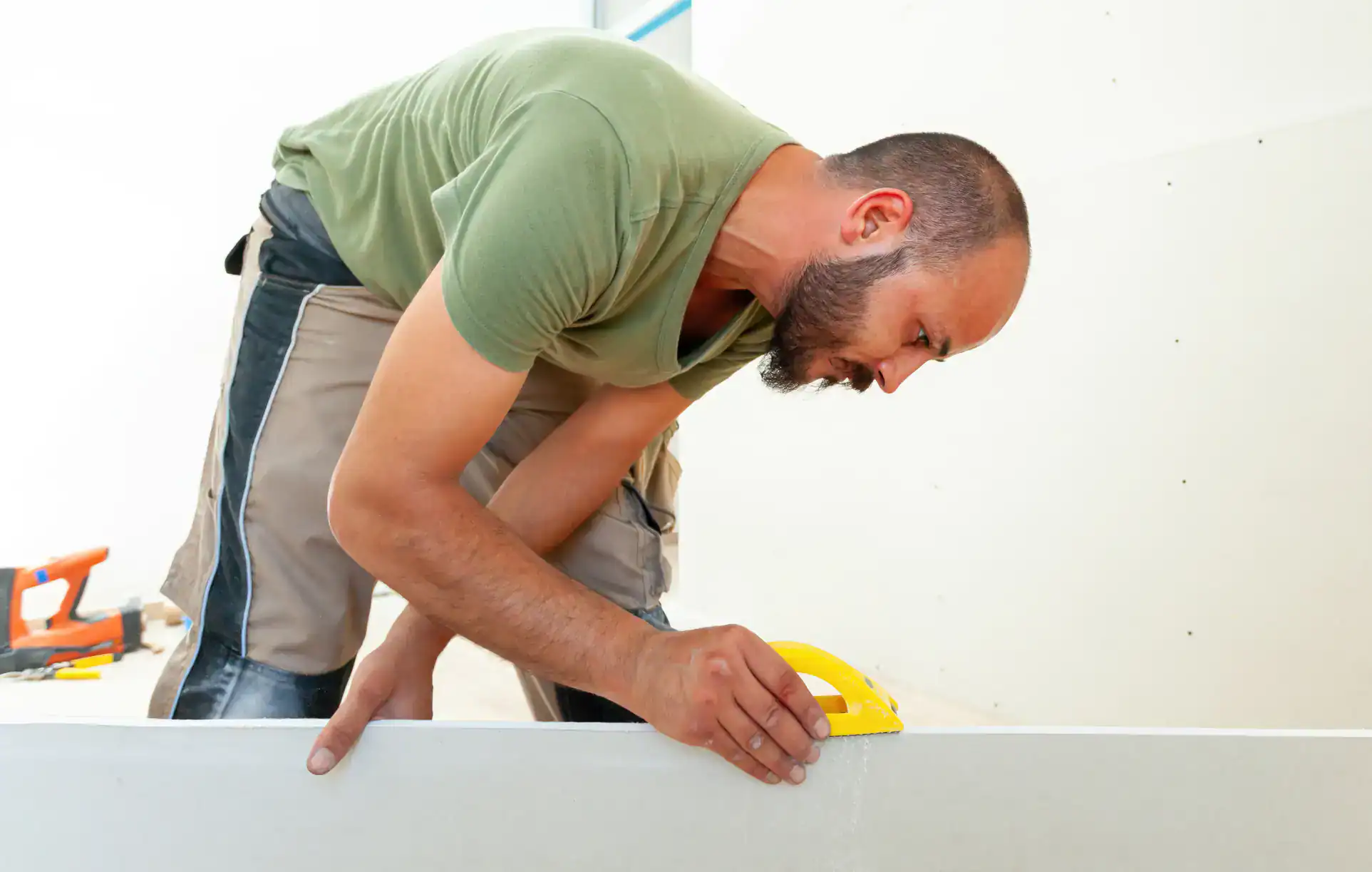
You’re not looking at patched walls anymore. You’re looking at smooth, seamless surfaces that disappear under paint—no lines, no shadows, no coins slipping through gaps.
The water stain on your ceiling? Gone, along with any worry about what’s happening behind it. We don’t just cover damage—we address what caused it, dry it properly, and rebuild it so it doesn’t come back.
Most jobs wrap up the same day we start them. That means you’re not coordinating schedules for a week, wondering when someone’s going to show up, or living with plastic sheets and dust longer than necessary. We finish, we clean up completely, and you move on with your life.
Your walls look like walls again. Not repair jobs.
Sharpe Drywall exists because too many people in Bustleton and throughout Montgomery and Bucks County were dealing with contractors who didn’t show up, left messes, or delivered work that looked worse than the original damage. You shouldn’t have to choose between an overpriced commercial outfit that doesn’t want your residential job and a handyman who’s guessing their way through your walls.
We’re locally owned, fully licensed and insured, and we live in the communities we serve. That matters when you’re letting someone into your home—and when you want to know we’ll be around if something needs attention down the road.
Bustleton homes—many built between 1940 and 1969—need contractors who understand how older construction settles, how plaster transitions to drywall, and how to match textures that haven’t been standard in decades. We’ve been doing this long enough to know what we’re looking at before we start cutting.
You reach out, we schedule a time that works for you, and we show up when we say we will. We assess the damage—not just what you can see, but what’s behind it. If there’s water damage, we check moisture levels with actual meters, not guesswork.
We give you a fixed price before we start. That number doesn’t change unless you ask us to do something different. No surprise fees when we’re halfway through.
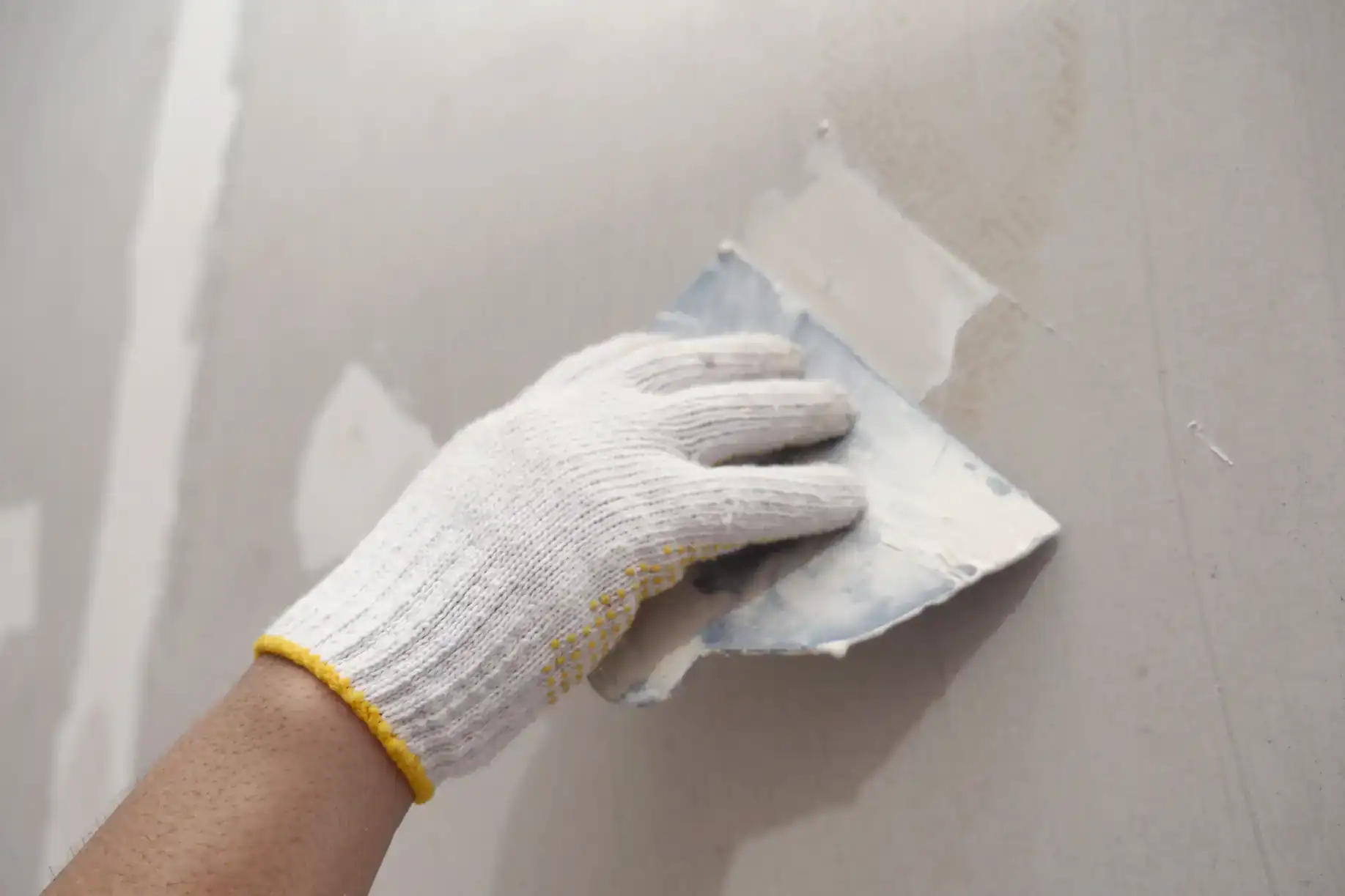
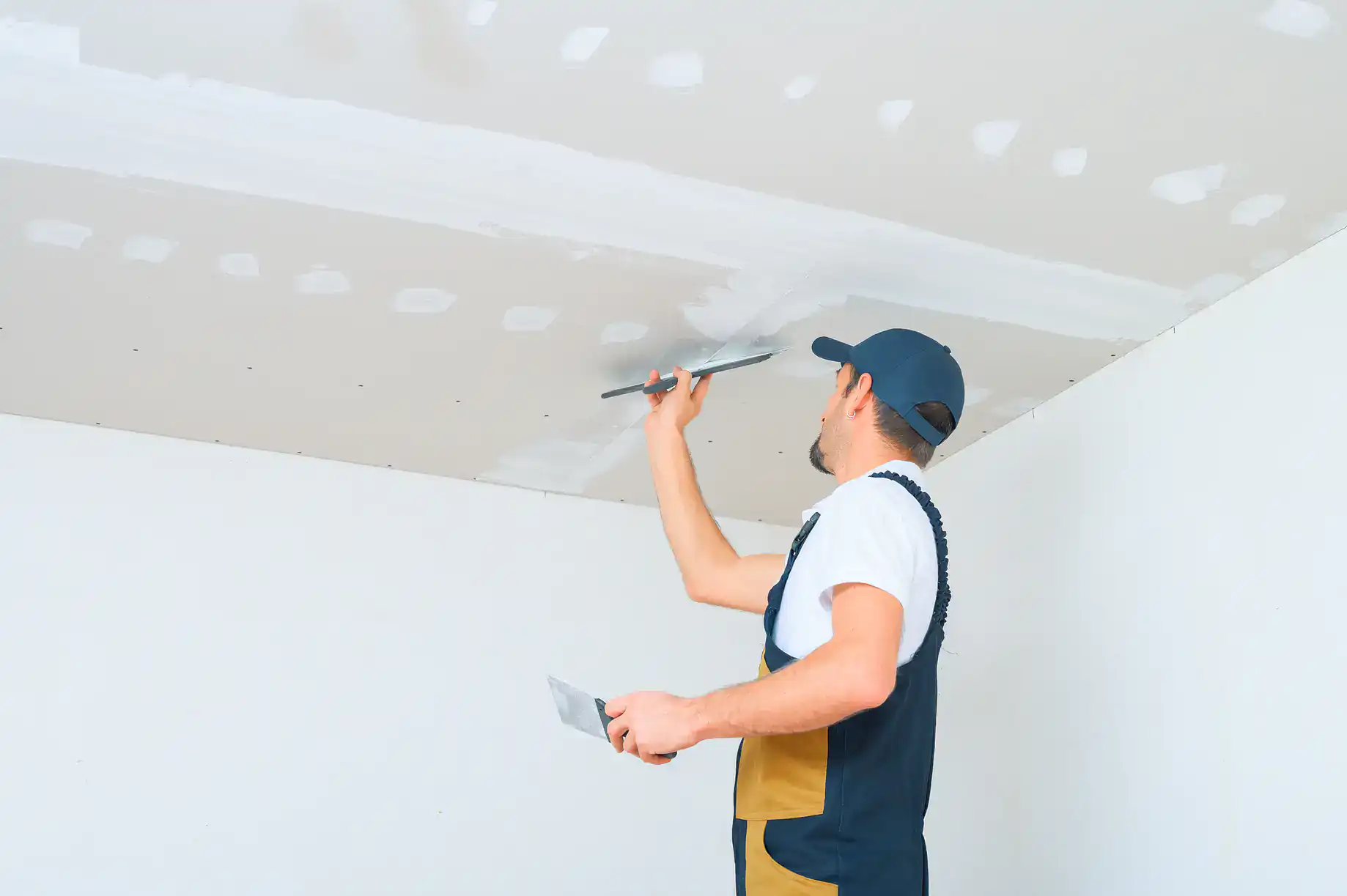
Then we get to work. We cut out damaged sections cleanly, install new drywall or patch material, tape and mud the seams, sand everything smooth, and prime the surface so it’s ready for your paint. If you’ve got texture, we match it. If you’ve got an older home with plaster, we blend the transition so you can’t tell where one ends and the other begins.
Most repairs finish the same day. When we’re done, we clean up—completely. No dust on your floors, no mud on your baseboards, no debris left in your driveway.
You’re left with walls that look like nothing ever happened.
Ready to get started?
The cost to repair drywall in Bustleton depends on the size of the damage, what caused it, and what’s involved in fixing it properly. A small hole from a doorknob costs less than a ceiling section damaged by a roof leak—but both get the same attention to detail.
Most homeowners in Bustleton spend between $150 and $800 on drywall repair, depending on the scope. Small patches run on the lower end. Larger repairs involving water damage, multiple rooms, or matching complex textures cost more because they take more time and materials to do right.
We don’t charge by the hour and hope the job takes longer. We give you a fixed price based on what needs to happen. That includes materials, labor, and cleanup—everything. If we quoted $400, you pay $400.
Here’s what matters more than the number: you’re paying for work that lasts. Gaps that don’t reappear. Seams that don’t crack after the first season change. Repairs that don’t announce themselves every time the light hits the wall. Bustleton’s housing stock—with a median build year of 1968—needs contractors who know how to work with older structures. Homes settle. Materials shift. A cheap patch job shows up fast. A proper repair doesn’t.
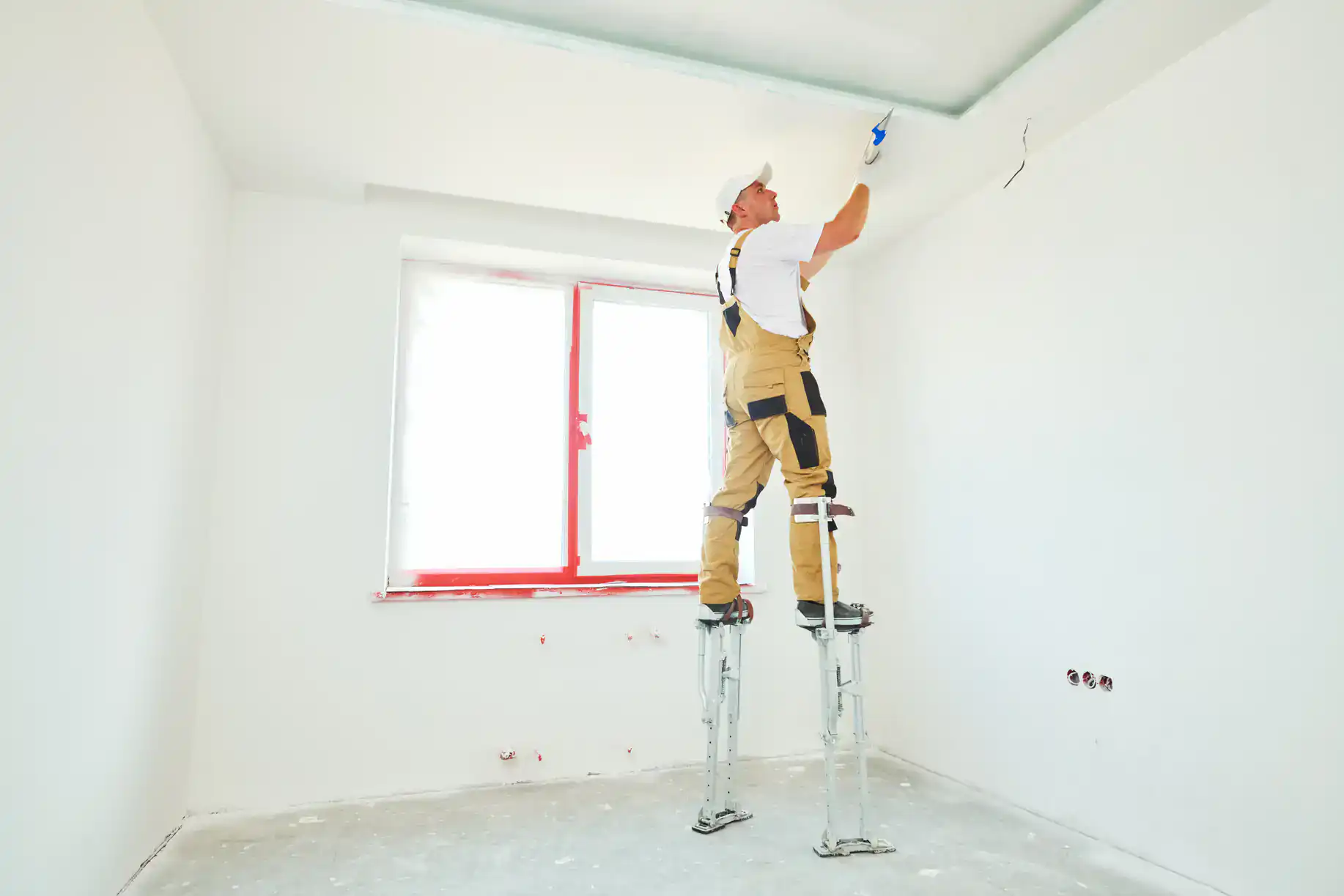
Most drywall repair jobs in Bustleton run between $150 and $800, depending on the size and complexity of the damage. A small hole or crack repair typically falls on the lower end. Larger projects—like repairing water-damaged ceilings, fixing multiple rooms, or matching textured finishes—cost more because they require more materials, time, and skill.
The average cost for drywall repair in the Philadelphia area ranges from $3.70 to $6.85 per square foot when you factor in labor and materials. But square footage doesn’t tell the whole story. A repair behind a bathroom where we need to check for mold or moisture damage takes more work than patching a nail pop in a hallway.
We price each job based on what actually needs to happen—not a formula. You get a fixed quote before we start, and that’s what you pay. No hourly rates that stretch out. No surprise charges when we’re halfway done.
Most drywall repairs finish in the same day we start them. Small to medium jobs—holes, cracks, minor water damage—usually take a few hours from start to cleanup. You’re not waiting days for us to come back and sand, then come back again to prime.
Larger projects, like repairing significant water damage or multiple rooms, might take longer. But we’ll tell you upfront what to expect. If a job needs to happen over two days because of drying time or the scope of work, we’ll schedule it that way from the beginning—not surprise you halfway through.
What slows most repairs down isn’t the drywall work itself. It’s waiting for contractors to show up, dealing with change orders, or living with half-finished work while they juggle other jobs. We schedule your repair, we show up, and we finish it. Then we clean up and get out of your way.
Water damage is the most common issue we see in Bustleton. Roof leaks, plumbing issues, or poor ventilation in bathrooms create stains, warping, and soft spots that need more than a coat of paint. If water damage isn’t handled right—dried completely and treated for mold—it spreads and gets worse.
Settling and age-related stress cracks come next. Bustleton’s housing stock has a median build year of 1968, and older homes shift over time as foundations settle and framing adjusts. You’ll see cracks along ceilings, especially near corners, and sometimes along door frames. These aren’t always structural problems, but they need proper repair so they don’t keep opening up.
Then there’s the everyday stuff—holes from doorknobs, wall anchors that failed, furniture dings, or old repairs done poorly the first time. A lot of homeowners try DIY fixes that look fine until the paint dries and every seam shows through. Drywall repair isn’t complicated, but it’s easy to do wrong if you don’t know how the materials work.
We handle both, but water damage gets treated differently than a simple hole repair. You can’t just patch over water-damaged drywall and hope it holds. The material absorbs moisture, weakens, and creates conditions for mold growth if it’s not dried and treated properly.
When we’re dealing with water damage, we start by checking moisture levels with meters—not guessing based on what it looks like. If the drywall is still wet or the moisture has spread beyond the visible stain, we need to dry it out first. Sometimes that means cutting out more material than you’d expect, but it’s the only way to make sure the repair lasts.
Once everything’s dry, we treat the area with mold-inhibiting primer before installing new drywall. Then we finish it the same way we’d handle any other repair—tape, mud, sand, prime. The difference is you’re not just covering up a problem. You’re actually fixing it so it doesn’t come back the next time it rains.
Yes, if it’s done right. Matching the surrounding wall—especially texture—is where most cheap repairs fall apart. A smooth patch on a textured wall stands out immediately. So does a repair that’s slightly higher or lower than the surrounding surface.
We match textures by hand when needed. Knockdown, orange peel, skip trowel—whatever’s on your wall, we replicate it so the repair blends in. If your home has older plaster walls with drywall repairs added over the years, we make sure the transition is seamless. You shouldn’t be able to run your hand over a repair and feel where it starts and stops.
The finish matters just as much. We sand everything smooth, feather the edges so there’s no ridge, and prime the surface so your paint goes on evenly. If you’re repainting the whole room, the repair disappears completely. If you’re just touching up the patch, we blend it so it doesn’t announce itself every time the light hits it.
You can, but most handymen treat drywall repair like a side task—not a skill. They’ll slap some spackle in a hole, sand it down, and call it done. It looks fine until the paint dries and you see every seam, every low spot, every place they didn’t feather the edges.
Drywall repair isn’t hard, but it’s detail work. The difference between a repair that disappears and one that shows through your paint comes down to knowing how joint compound shrinks as it dries, how many coats you actually need, and how to sand without creating new problems. Most handymen don’t do enough drywall work to develop that feel.
The bigger issue is water damage or structural repairs. A handyman might patch the visible damage without checking what’s behind it—moisture, mold, framing issues. Then you’re paying twice: once for the patch that didn’t work, and again for someone to fix it properly. We’re licensed, insured, and we’ve been doing this long enough to know what we’re looking at before we start cutting. You’re not getting a guess. You’re getting a repair that lasts.
Other Services we provide in Bustleton