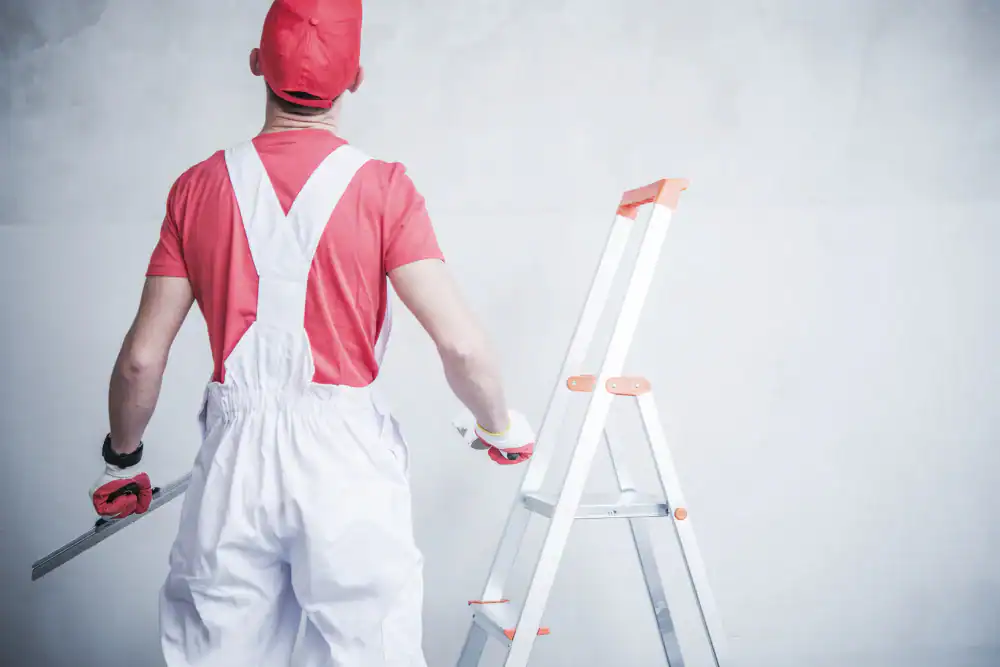
You’re not looking at that damaged spot anymore. The texture matches perfectly, the paint blends in, and nobody walking through your home would ever know there was a problem.
That’s what happens when drywall patching in Walton Park gets done right. The repair disappears completely because the finishing work was handled by someone who knows how to feather the edges properly and match your existing texture.
Most jobs wrap up in a few hours. You get your space back the same day, and the repair holds up for years because we’re using the right materials and techniques from the start. No callbacks, no touch-ups, no wondering if it’ll crack again next month.
Sharpe Drywall exists because too many homeowners in Walton Park were dealing with contractors who left messes, missed deadlines, and delivered patch jobs that looked worse than the original damage. We saw it happening over and over, so we built something different.
We’re locally owned, fully licensed and insured, and we’ve been handling drywall patching in Walton Park for years. The neighborhood’s mix of twin homes and single-family properties from the 1950s and 60s means we’ve seen every type of wall damage you can imagine—foundation shifts, moisture problems, outdated plumbing leaks.
You’re hiring people who live in the communities we serve. We’re not showing up, cashing a check, and disappearing. Our reputation here matters, which is why we clean up completely, stick to our quoted price, and make sure the repair actually lasts.
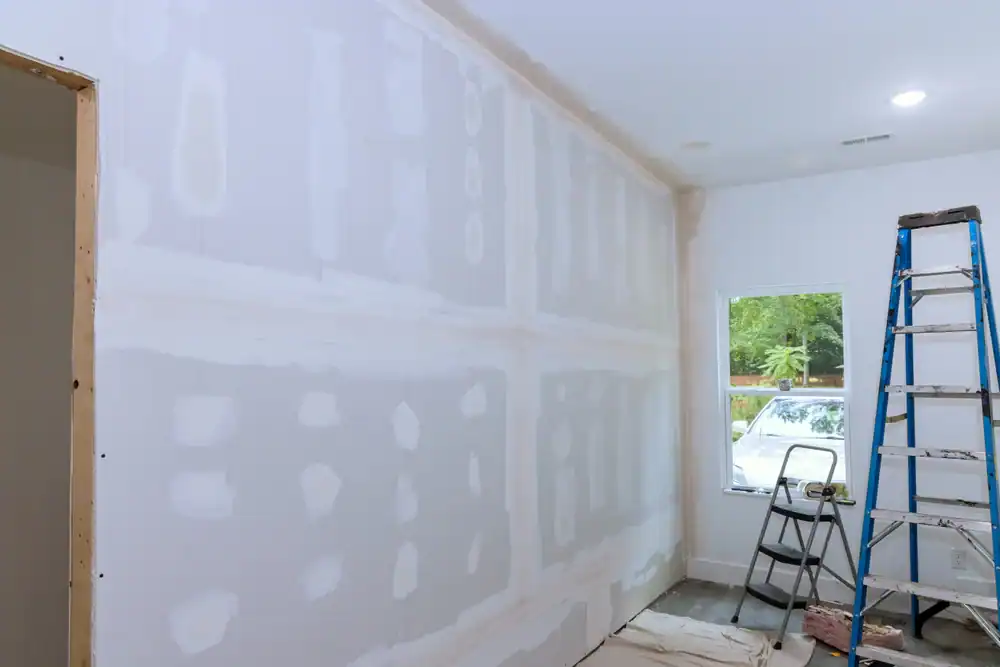
First, we assess the damage to figure out what’s causing it. A hole from moving furniture is different from a crack caused by foundation movement. If there’s an underlying issue like moisture or structural shifting, you need to know before we patch over it.
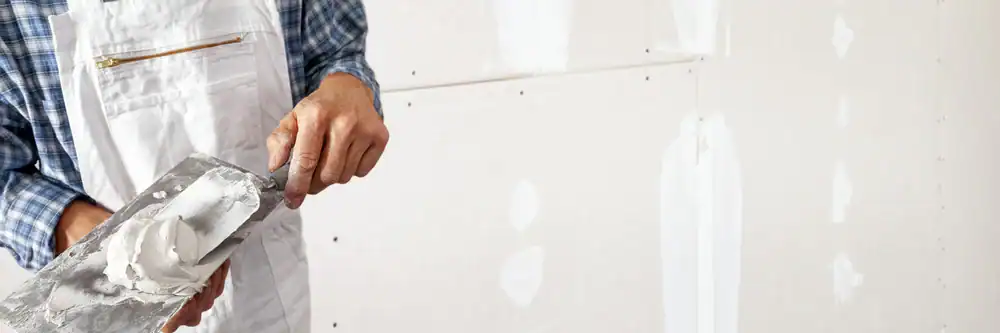
Next comes the actual repair. We cut out any damaged drywall, secure a new piece, and apply joint compound in thin, even layers. This is where most DIY jobs and cheap contractors fail—they slap on too much drywall mud at once, skip proper dry time between coats, and don’t feather the edges correctly.
We apply the first coat, let it dry completely, then sand and apply additional coats as needed. Each layer gets thinner and blends further out from the repair. The goal is making the patched area perfectly flush with your existing wall so there’s no visible transition.
After the final coat dries and gets sanded smooth, we prime and paint to match your wall. The texture matching is critical here—whether your walls are smooth, knockdown, or orange peel, we replicate it so the repair disappears completely.
Ready to get started?
Every drywall patching job in Walton Park includes complete prep, repair, finishing, and cleanup. We’re not cutting corners or charging extra for things that should be standard.
You get proper surface preparation, which means cleaning around the damaged area and protecting your floors and furniture. The repair itself uses premium mold-resistant drywall and professional-grade joint compound that’s designed to last. We’re not buying the cheapest materials at the big box store and hoping they hold up.
The finishing process includes multiple coats of drywall mud with proper dry time between each application, expert sanding to create a smooth surface, and texture matching that actually looks right. Then we prime and paint the repaired area to blend with your existing wall color.
Cleanup is included in every job. We’re not leaving dust, debris, or mud splatter for you to deal with. When we’re done, your space is back to normal—except the damaged wall now looks perfect.
Walton Park’s older housing stock means we often encounter plaster walls, outdated framing, and moisture issues that require more than just slapping compound over a hole. We handle those complications without surprise fees or excuses.
Most drywall patching in Walton Park gets finished in one visit, typically within a few hours to a full day depending on the size and number of repairs. Small holes and cracks can often be patched, finished, and painted the same day.
Larger repairs or multiple damaged areas might require a second visit for final sanding and painting after the joint compound has fully dried. The dry time between coats is what determines the timeline—rushing this step is how you end up with cracks and visible repair lines later.
We’ll give you an accurate timeline upfront based on what we’re fixing. If your repair needs extra dry time or additional coats, we’ll explain why instead of cutting corners to finish faster. You’re better off waiting an extra day than living with a patch job that fails in six months.
Most drywall damage in Walton Park comes from foundation movement, moisture problems, or outdated building materials common in homes from the 1950s and 60s. The neighborhood’s twin homes and single-family properties often have plumbing that’s decades old, insulation that doesn’t meet modern standards, and framing that’s shifted over time.
Foundation settling causes cracks, especially around doorways and corners. Roof leaks, plumbing issues, and poor ventilation lead to water damage and mold. Impact damage from furniture, doorknobs, and everyday wear is common too.
Before we patch anything, we figure out what caused the damage. If there’s an underlying moisture or structural issue, just covering it with joint compound won’t fix the problem. You need to address the root cause first, or you’ll be calling us back in a few months to repair the same spot again.
Drywall patching in Walton Park typically runs a couple hundred dollars for small holes and dents, up to more for extensive damage from water or large sections that need replacement. The final cost depends on the size of the repair, how many areas need fixing, and whether there’s texture matching or painting involved.
We give you a fixed price upfront that includes everything—materials, labor, finishing, and cleanup. That quoted price doesn’t change unless you ask us to fix additional damage we didn’t know about initially.
You’ll find cheaper options, but they usually cut corners on materials, skip proper surface prep, or rush the dry time between coats. Those repairs look okay for a few weeks, then start cracking or showing visible lines. Paying a bit more now means you’re not paying twice to fix the same problem later.
Yes, texture matching is a standard part of every drywall patching job we do in Walton Park. Whether your walls have a smooth finish, knockdown texture, orange peel, or something custom, we replicate it so the repair blends in completely.
This is where experience matters. Matching texture isn’t about slapping some compound on the wall and hoping it looks close. It requires the right tools, the right technique, and knowing how different textures are created in the first place.
We test the texture on scrap material first to make sure it matches before applying it to your wall. After it dries, we prime and paint so the color matches too. The goal is making the repair invisible—if someone walks into your room, they shouldn’t be able to tell where the damage was.
Yes, we handle water-damaged drywall throughout Walton Park, which is common in older homes with outdated plumbing and insulation. Water damage requires more than just patching the visible hole—you need to address moisture, check for mold, and replace any compromised materials.
First, we identify the water source and make sure it’s fixed. Patching over active moisture problems is pointless. Then we remove all water-damaged drywall and check the framing and insulation behind it. If there’s mold or rot, that gets addressed before any new drywall goes up.
We use mold-resistant drywall and moisture-resistant joint compound for repairs in areas prone to humidity or leaks. This is especially important in Walton Park’s older homes where bathrooms, kitchens, and basements often have ventilation issues. The repair needs to handle moisture better than the original materials did, or you’ll be dealing with the same problem again.
DIY drywall patches look obvious because most people skip the steps that make repairs invisible—proper feathering, multiple thin coats, adequate dry time, and texture matching. It’s not about effort; it’s about knowing the technique.
The biggest mistake is applying too much joint compound at once. Thick coats crack as they dry and create a raised bump that’s impossible to hide. Professional drywall patching in Walton Park uses thin layers that get progressively wider, feathering the edges so there’s no visible transition between the patch and the existing wall.
Skipping proper sanding between coats, rushing the dry time, and not matching the texture are the other common problems. You end up with a lumpy patch that’s a different texture and color from the rest of the wall. At that point, you’ve wasted a weekend and money on materials, and you still need to call someone to fix it properly.
Other Services we provide in Walton Park