The difference between a good patch and a bad one shows up the second the light hits it. You see the shadow. The texture doesn’t match. The paint looks off. And now you’re stuck staring at it every time you walk by.
That’s what happens when someone rushes the job or doesn’t know how to feather the edges properly. The repair becomes more obvious than the original damage.
When drywall patching in Village Shires, PA is done right, you shouldn’t be able to tell where the problem was. The texture blends. The paint matches. The wall looks clean, not “fixed.” That’s what you’re paying for—work that disappears into the rest of your home, not a patch that announces itself every time someone walks into the room.
Most repairs get finished the same day. You’re not waiting around for multiple visits or dealing with a drawn-out process. The work gets done, the mess gets cleaned up, and your walls go back to looking the way they should.
We’ve been handling residential drywall repairs across Montgomery, Bucks, and Philadelphia County for over a decade. We’re locally owned, fully licensed and insured, and we’ve patched everything from nail pops to water-damaged ceilings in homes just like yours.
Village Shires homes tend to be older, well-maintained, and worth protecting. You’re not looking for someone to slap mud on a wall and call it done. You want someone who understands how to match existing textures, work with older plaster, and respect the quality of your property.
That’s what we do. We show up on time, we work clean, and we don’t leave until the job’s done right. No shortcuts, no surprises.
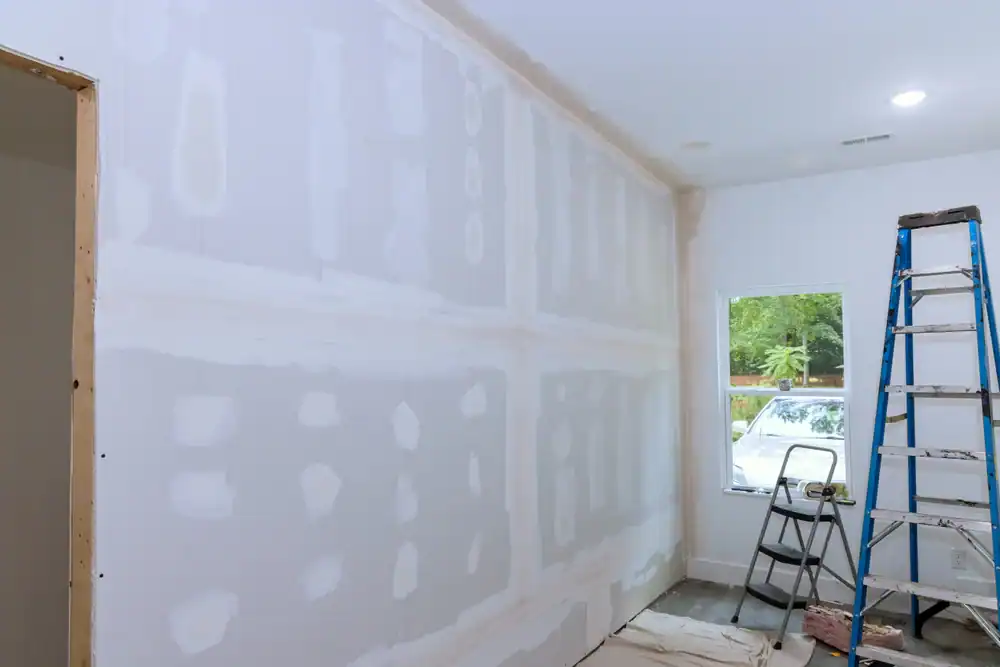
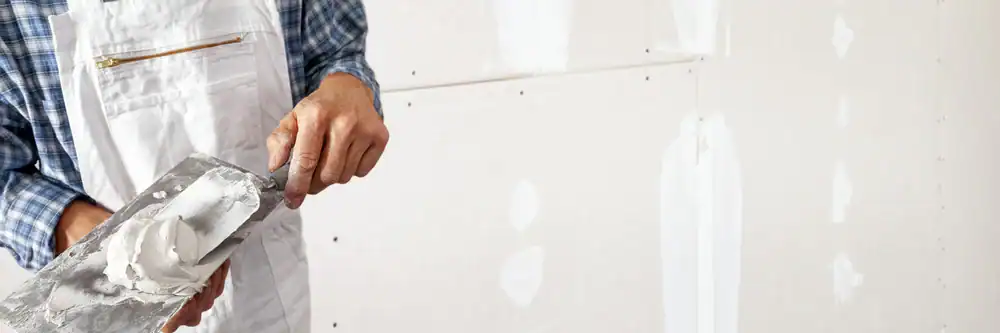
First, we assess the damage. Not every hole needs the same approach, and we’ll tell you exactly what’s required before we start. If it’s a small dent or crack, we clean the area and apply joint compound. If it’s a larger hole, we cut out the damaged section, install a backer, and secure new drywall.
Once the patch is in place, we apply the first coat of drywall mud and let it dry completely. Dry time matters—rushing this step is how you end up with cracks later. After it’s dry, we sand it smooth, feather the edges so there’s no visible line, and apply additional coats as needed.
Then comes finishing. We match your existing texture, whether it’s smooth, knockdown, or orange peel. Once the texture’s set, we prime and paint the area so it blends with the surrounding wall. Before we leave, we clean up completely—no dust, no debris, no mess left behind.
You’re not dealing with a multi-week project. Most drywall patching in Village Shires, PA gets wrapped up in a single visit, often in just a few hours depending on the size of the repair.
Ready to get started?
You get a complete repair, not just a quick fix. That means proper prep, quality materials, and attention to the details that make the difference between a patch that lasts and one that fails in six months.
We handle texture matching, which is harder than it looks. Village Shires homes often have unique textures or older finishes that require experience to replicate. We don’t guess—we test, match, and apply until it’s right.
Paint matching is part of the process too. If you have the original paint, great. If not, we’ll do our best to blend the new paint with your existing color. The goal is always the same: make the repair invisible.
You also get a clean worksite. We protect your floors and furniture, contain the dust as much as possible, and leave your home the way we found it. Drywall work gets messy, but your house doesn’t have to stay that way.
In a community where median home values sit around $459,000, you’re not looking for the cheapest option. You’re looking for someone who won’t create more problems than they solve. That’s what this service is built around—quality work that protects your investment and looks right the first time.
Most repairs get done in one day, and many finish in just a few hours. The timeline depends on the size of the damage and how many coats of joint compound are needed.
Small holes or cracks usually take two to three hours once you factor in dry time between coats. Larger repairs might take four to six hours, especially if we’re replacing a full section of drywall and matching a complex texture.
The key variable is dry time. Each coat of drywall mud needs to dry completely before we can sand and apply the next layer. We don’t rush that step because it’s how you avoid cracks and uneven surfaces later. If the repair requires priming and painting, we handle that the same day as long as the surface is ready. You’re not waiting around for multiple visits or dealing with a half-finished wall for days.
Yes. Texture matching is one of the most important parts of a clean repair, and it’s something we do on every job.
Whether your walls have a knockdown finish, orange peel, skip trowel, or something custom, we replicate it so the patch blends in. That requires the right tools, the right technique, and enough experience to know what works on different surfaces.
Older homes in Village Shires sometimes have textures that aren’t common anymore, or they’ve been painted over so many times that the original finish is hard to identify. In those cases, we test a small area first to make sure we’re matching it correctly before we finish the entire patch. The goal is always to make the repair invisible. If you can tell where we worked after we’re done, we didn’t do our job right.
They’re the same thing. “Joint compound” and “drywall mud” are two terms for the material we use to fill gaps, cover seams, and smooth out patches.
There are different types depending on the job. All-purpose compound works for most repairs—it’s easy to sand and handles both filling and finishing. Lightweight compound dries faster and is easier to work with on ceilings. Setting-type compound (also called hot mud) hardens through a chemical reaction instead of drying, which makes it stronger and faster for deep holes or structural repairs.
For most drywall patching in Village Shires, PA, we use all-purpose or lightweight compound because it gives a smooth finish and sands cleanly. If we’re dealing with a larger repair or an area that needs extra strength, we’ll use setting-type compound for the base layers and switch to all-purpose for the final coat. The material matters, but so does how it’s applied. That’s where experience makes the difference.
We prep the area before we start and clean up completely when we’re done. Drywall work creates dust, but we contain it as much as possible.
Before we begin, we move or cover furniture and lay down drop cloths to protect your floors. If we’re sanding, we use a vacuum sander when possible to capture most of the dust at the source. For larger jobs, we’ll seal off the room with plastic sheeting to keep dust from spreading to other areas of your home.
After the repair is finished, we vacuum the work area, wipe down surfaces, and remove all debris. You shouldn’t have to spend your afternoon cleaning up after us. We take care of it before we leave. That’s part of the service, not an extra. Your home should look clean when we’re done, not like a construction zone.
Not usually. In most cases, we can blend the paint so you only need to touch up the repaired area.
If your paint is relatively new and you have some left over from the original job, we can usually match it closely enough that the patch disappears. If the paint has faded over time or you don’t have a sample, we’ll do our best to match the existing color, but there might be a slight difference depending on how much the original paint has aged.
For the best results, we prime the patched area first, then apply at least two coats of paint. We feather the paint out beyond the repair so there’s no hard line where the new paint stops. If your walls haven’t been painted in years and the color has shifted significantly, you might want to consider repainting the full wall for a uniform look. But that’s your call. We’ll give you an honest assessment of how close we can get the match before we start.
It depends on the size and complexity of the repair. Small patches—nail holes, minor dents, hairline cracks—typically run between $75 and $150. Medium repairs like fist-sized holes or multiple small patches usually cost $150 to $400. Larger jobs involving significant wall damage or multiple rooms can range from $400 to $1,000 or more.
The price reflects the materials, labor, and skill required to make the repair look right. Texture matching, multiple coats of joint compound, proper dry time, and clean finishing all take time. You’re not paying for someone to smear mud on a wall and walk away.
We offer free estimates, so you’ll know exactly what the job costs before we start. No surprises, no hidden fees. If the repair reveals additional issues—like water damage or structural problems—we’ll discuss that with you before moving forward. You’re in control of what gets done and what it costs.
Other Services we provide in Village Shires