The difference between amateur patchwork and professional drywall patching in Upper Makefield comes down to what you see—or don’t see—when the job’s done. You shouldn’t be able to tell where the damage was. The texture should match. The surface should be smooth when you run your hand across it.
Most patching failures happen because someone rushed the dry time between coats or didn’t feather the edges properly. You end up with a visible hump or a different texture that catches the light wrong. Then you’re repainting the whole wall just to hide it.
When drywall mud and joint compound are applied correctly, with proper drying between each coat, the repair blends into the existing wall. You get a surface ready for prime and paint that actually looks finished. That’s what protects your home’s value in Upper Makefield, where property standards are high and details matter.
We’ve been handling drywall patching in Upper Makefield and throughout Bucks County long enough to know what goes wrong in homes here. Many properties in your area were built between the 1970s and 1990s, and some date back even further. Settling foundations, water intrusion from aging roofs, and normal wear all create the kind of damage that needs more than spackle and hope.
We’re licensed and insured, and we’ve seen what happens when repairs aren’t done right the first time. You call us because you want it fixed correctly, and you don’t want to think about it again. We handle everything from small nail pops to larger water damage repairs, and we can prime and paint when the patching is done so you’re not coordinating multiple contractors.
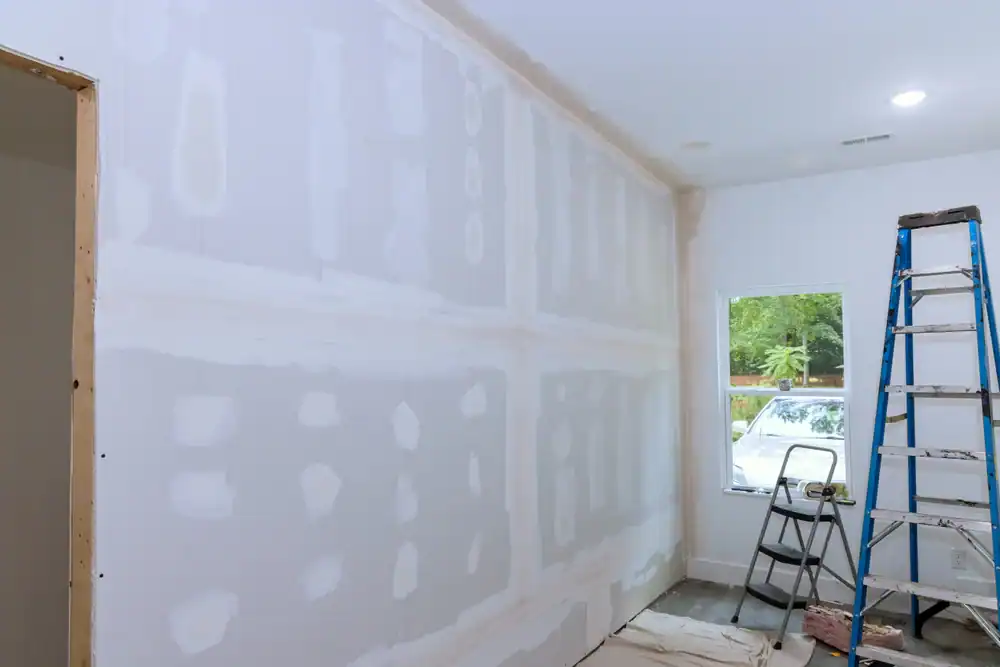
First, we assess the damage to understand what caused it. A crack that keeps coming back usually means something’s moving underneath. Water damage needs the source fixed before we patch, or you’ll be calling us again in six months.
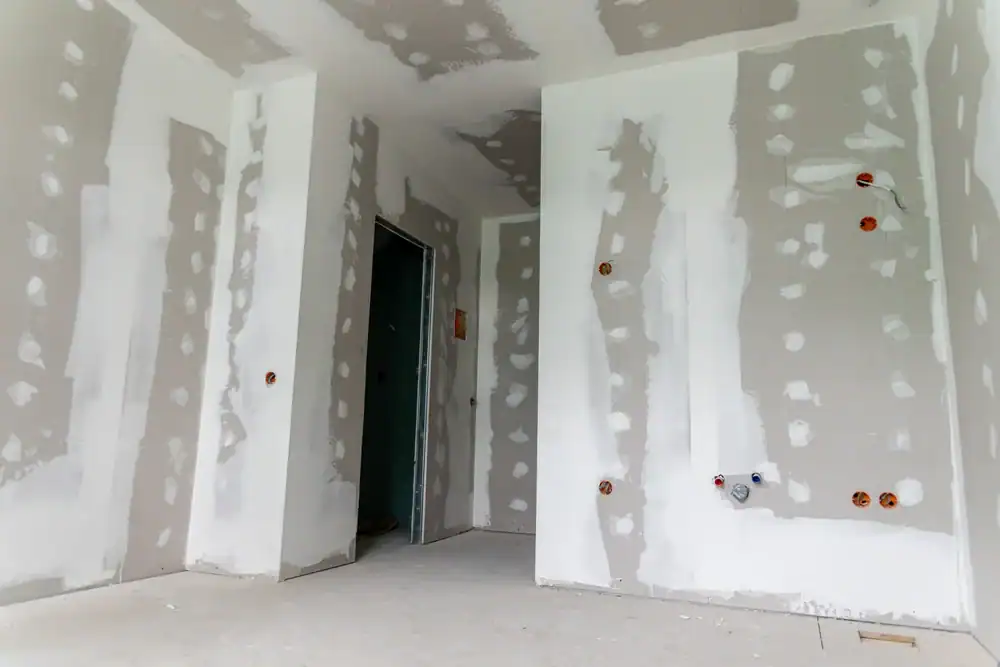
Once we know what we’re dealing with, we prep the area. That means cutting back to solid drywall, cleaning edges, and making sure everything’s stable. Then comes the first coat of joint compound. This fills the void and gives us a base to work from. Dry time matters here—rushing this step is where most DIY jobs fall apart.
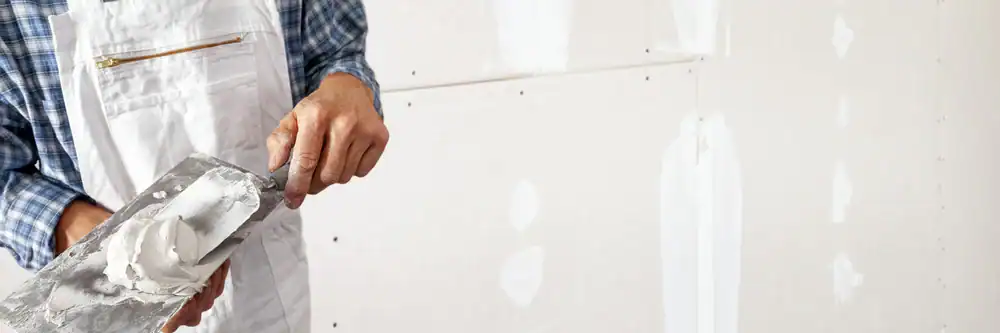
After the first coat dries completely, we apply additional coats, feathering the edges each time so the repair blends into the surrounding wall. Each layer gets sanded smooth once it’s dry. The goal is a surface you can’t feel when you touch it.
The final step is finishing. We match your wall’s texture—whether that’s smooth, orange peel, or knockdown—so the patch disappears. Then we prime the area so it’s ready for paint. If you want us to handle the painting too, we do that. Most repairs in Upper Makefield are done in a day unless we’re dealing with extensive water damage that needs extra dry time.
Ready to get started?
You’re getting more than someone who knows how to spread drywall mud. Professional drywall patching in Upper Makefield means we bring the right materials, match your existing texture, and leave your home clean when we’re done.
We use quality joint compound designed for durability and proper adhesion. Cheap mud shrinks and cracks. We’re also matching your wall texture exactly—this is where experience matters. Orange peel, knockdown, and smooth finishes all require different techniques. Get it wrong and the patch stands out under every light in the room.
Upper Makefield homes often have unique architectural details and high-end finishes. You’re not looking for “good enough.” You need the repair to meet the standard of the rest of your home. We take the time to feather the edges properly, allow adequate dry time between coats, and sand everything smooth before finishing.
If there’s water damage, we’re checking for mold and addressing moisture issues before we patch. Covering up a problem doesn’t fix it. And if you need the area painted after patching, we handle that too—same crew, same day in most cases. You’re not juggling multiple contractors or waiting weeks for someone to come back and paint.
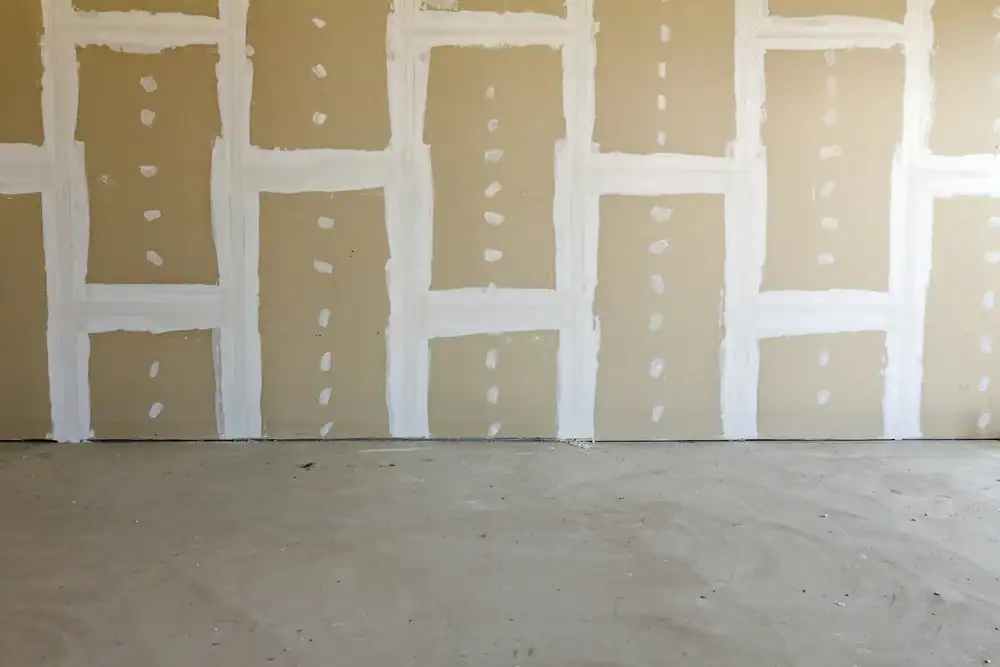
Dry time depends on humidity, temperature, and how thick the coat is. In Upper Makefield’s climate, you’re usually looking at 24 hours between coats for joint compound to dry completely. Rushing this is the number one reason patches fail.
If it’s humid or cold, that time extends. If someone tells you they can do multiple coats in a few hours, they’re not letting the material cure properly. You’ll end up with shrinkage, cracking, or a repair that telegraphs through your paint.
We don’t cut corners on dry time. Each coat needs to be fully cured before we sand and apply the next layer. That’s how you get a patch that actually lasts and looks right. Most standard repairs are still done within a day because we plan the work around proper drying, but we’re not compromising the quality of your repair to save an hour.
Feathering the edges means gradually thinning out the joint compound as you move away from the damaged area. Instead of a hard line where the patch stops, you’re creating a smooth transition that blends into the existing wall.
This is done over multiple coats. Each layer extends slightly beyond the previous one, and you’re using less pressure on your knife as you move outward. The goal is a repair you can’t feel when you run your hand over it. If the edges aren’t feathered properly, you’ll see a raised area or a shadow line when light hits the wall.
It takes patience and technique. You can’t do it in one pass, and you can’t do it if you’re not letting each coat dry completely. This is where professional drywall patching in Upper Makefield makes a difference—we know how to blend repairs so they disappear completely, even on walls with texture.
Yes. Texture matching is part of professional drywall finishing, and it’s non-negotiable if you want the repair to look right. Whether your walls have orange peel, knockdown, smooth, or skip trowel texture, we match it.
This requires the right tools and experience. Orange peel texture is sprayed on. Knockdown is sprayed and then lightly flattened with a knife. Smooth walls need perfect sanding with no imperfections. Each one has a specific technique, and if you don’t know what you’re doing, the patch stands out.
We’ve worked on enough homes in Upper Makefield to handle the range of textures you’ll find here. We test the pattern on scrap first if needed, and we don’t consider the job done until the texture matches and you can’t tell where we worked. That’s what you’re paying for—a repair that actually disappears.
Yes. Bare joint compound and drywall mud are porous and will absorb paint differently than your existing wall. If you paint directly over a patch without priming, it’ll show as a dull spot or a different sheen even if you’re using the same paint.
Primer seals the repair and creates a uniform surface. We use a stain-blocking primer if there was any water damage, which prevents discoloration from bleeding through your paint later. Once the primer dries, the patched area takes paint the same way as the rest of your wall.
We can handle the priming and painting for you as part of the drywall patching service in Upper Makefield. Most clients prefer this because it means one crew, one timeline, and no waiting around for a painter to come back. We’re set up to do both, and it’s usually more efficient than coordinating separate contractors.
Cost depends on the size of the damage, how many repairs you need, and whether there are underlying issues like water damage or structural movement. Small holes from doorknobs or picture hangers are straightforward. Large sections of damaged drywall or repairs that need texture matching across an entire wall cost more.
We give you a clear estimate upfront after seeing the damage. You’ll know what the repair involves, how long it’ll take, and what it costs before we start. No surprises, no upselling once we’re halfway through.
Upper Makefield homeowners typically care more about quality than finding the cheapest option. You’re protecting a significant investment in your property. A repair done right the first time costs less than fixing a bad patch job twice. We price fairly for professional work that lasts, and we include everything—materials, labor, cleanup, and painting if you want it.
Recurring cracks usually mean something’s moving. Foundation settling, temperature changes causing wood framing to expand and contract, or structural issues can all create stress that cracks drywall. If you keep patching the same spot and it keeps cracking, you’re treating the symptom instead of the cause.
We look at why the crack formed before we repair it. Cracks at corners of doors and windows often come from framing movement. Ceiling cracks can indicate truss uplift. Long horizontal cracks might point to foundation issues. Understanding the cause tells us how to fix it properly.
Sometimes the fix is as simple as using mesh tape and flexible joint compound that can handle minor movement. Other times, you need to address the underlying issue first—like stabilizing a settling foundation or adding blocking in the framing. We’ll tell you what’s actually going on and what needs to happen so the repair holds. That’s the difference between drywall patching that lasts and drywall patching that fails six months later.
Other Services we provide in Upper Makefield