
You’re staring at that hole again. The one from moving furniture last month, or the crack that showed up after last winter, or the water spot from that upstairs bathroom leak. Every time you walk past it, there it is—reminding you it needs fixing.
Here’s what happens when the repair is done right. The texture matches so well you forget where the damage was. The paint blends seamlessly. Your walls look the way they’re supposed to—smooth, clean, unremarkable in the best possible way.
Most drywall patching jobs in Neshaminy, PA get finished in a single visit. You’re not living in a construction zone for days. You’re not dealing with dust everywhere or half-finished work. The repair gets done, the area gets cleaned, and you move on with your day.
That’s the difference between a patch that stands out and one that disappears. Between a contractor who shows up when they say they will and one who doesn’t. Between work that lasts and work that cracks again in six months.
We’ve been handling drywall patching and sheetrock repair across Bucks County for years. We’re licensed, insured, and local—which means we understand how homes in Neshaminy, PA are built and what problems show up in houses from the 1970s and 1980s.
Most homes around here weren’t built yesterday. They’ve settled, shifted, and dealt with Pennsylvania winters. That means cracks along seams, nail pops in ceilings, and drywall that’s seen better days. We’ve patched hundreds of walls in this area, and we know what it takes to make repairs hold up.
You’ll get a clear estimate before any work starts. No surprises, no upselling, no vague “we’ll see when we get in there” pricing. Just straightforward numbers and realistic timelines from people who do this every day.
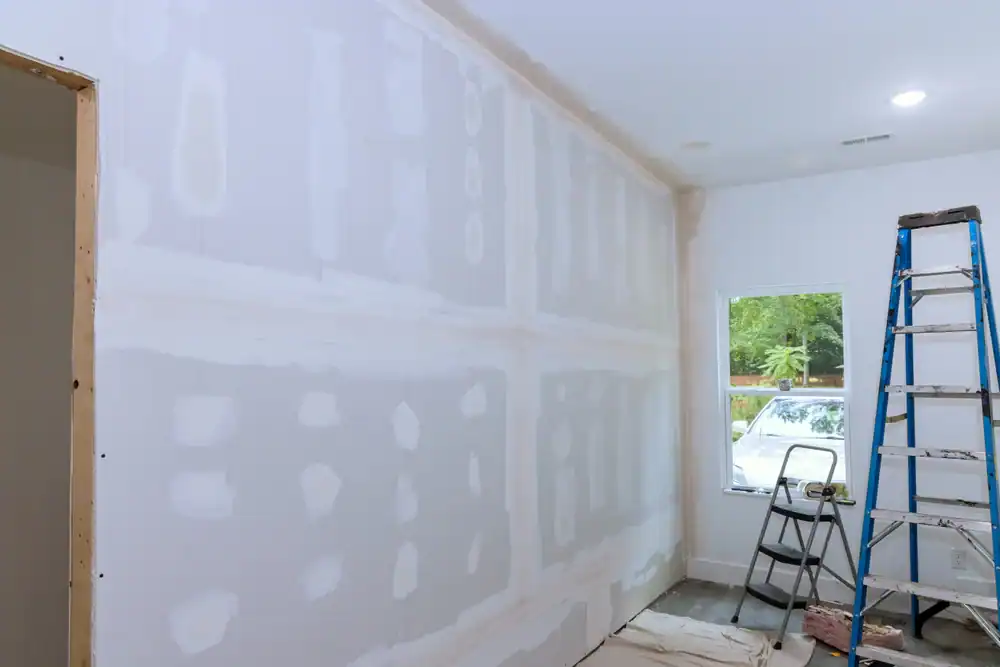
First, we look at the damage. Not every hole needs the same fix, and not every crack means the same thing. Small holes get patched with backing and compound. Larger damage might need a new piece of drywall cut to size and secured. Water damage gets checked for mold or structural issues before any patching happens.
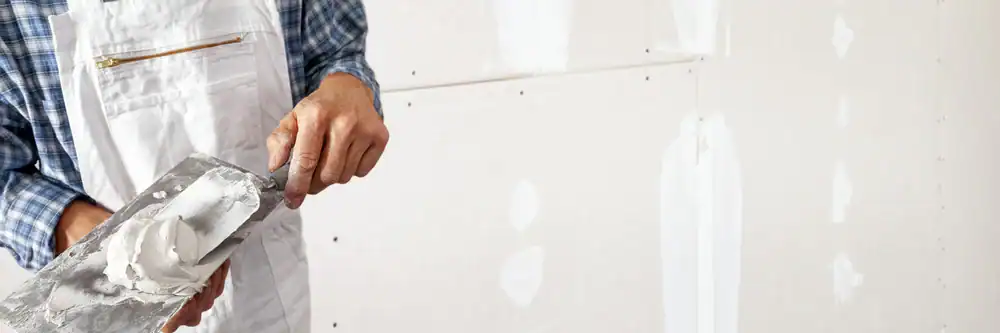
Once the repair is prepped, we apply joint compound in layers. This isn’t a one-and-done spackle job. Each layer dries, gets sanded smooth, and blends into the surrounding wall. The goal is zero visible lines, no shadows, no telltale signs that anything was ever wrong.
Texture matching comes next. If your walls have knockdown, orange peel, or skip trowel texture, we recreate it. This is where most DIY jobs and cheap contractors fall apart—the patch is smooth, but everything around it has texture. It looks obvious. We match it so it doesn’t.
Finally, priming and painting. The patched area gets sealed and painted to match the existing wall color. If you’re repainting the whole room, we prep it so your painter has a clean surface. If you just want the patch fixed, we blend it so you can’t tell where we worked.
Ready to get started?
Drywall patching in Neshaminy, PA typically runs between $150 and $500 depending on size and complexity. Small holes—think doorknob dents or nail pops—are on the lower end. Larger repairs, especially those involving water damage or multiple areas, cost more. You’ll know the exact price before we start.
That price includes everything: materials, labor, texture matching, priming, cleanup. We’re not tacking on fees for “unexpected complications” or charging extra because the repair took an hour longer than planned. The quote is the quote.
Homes in Neshaminy built in the ’70s and ’80s often have textured ceilings and walls that require specific techniques to match. We carry the tools and materials to handle those finishes, which matters more than you’d think. A smooth patch on a textured wall looks terrible no matter how well it’s applied.
You’re also paying for speed and reliability. Most small to medium drywall patch repairs get completed the same day. Larger jobs might need a second visit for final sanding and paint, but you’re not waiting weeks for someone to come back and finish. We schedule it, we show up, we complete it.
The average cost for drywall patching around here aligns with what you’d expect for professional work—not the cheapest option, but not inflated either. You’re getting licensed contractors, quality materials, and repairs that don’t need redoing in six months.
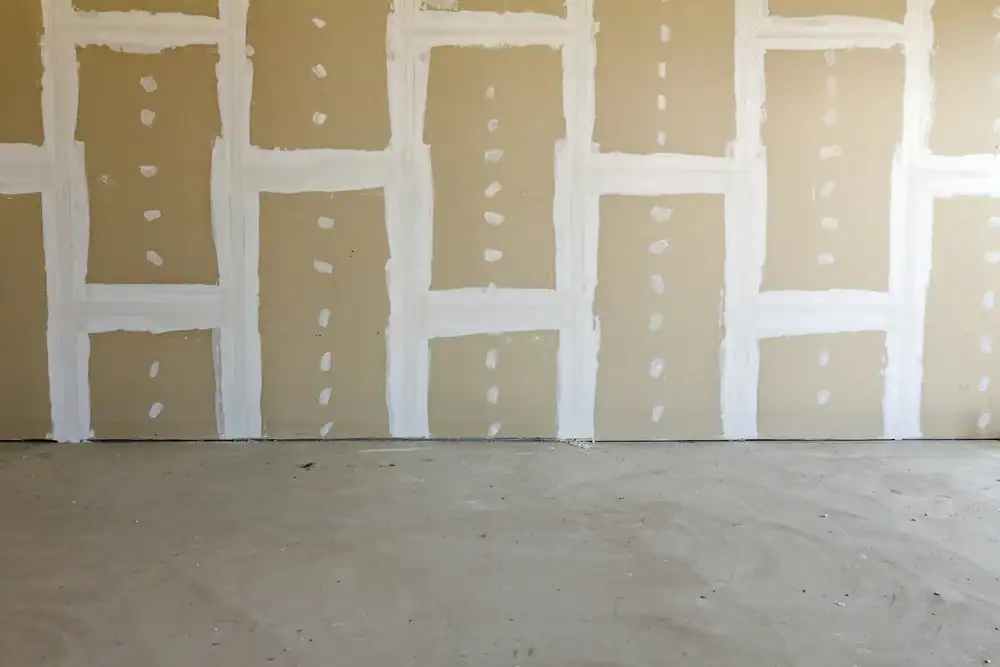
Small holes—anything under three inches—usually cost between $150 and $250 to patch properly. That includes cutting out damaged drywall if needed, applying backing material, mudding and sanding multiple coats, texture matching, priming, and paint blending.
Larger holes, like those from doorknobs punched through or removed electrical boxes, run $250 to $500 depending on whether new drywall needs to be cut and installed. Water damage repairs cost more because we need to check for mold, verify the area is dry, and sometimes replace insulation or vapor barriers before patching.
The cost of drywall patching in Neshaminy, PA depends on access too. Ceiling repairs take longer than wall repairs because of the overhead work and gravity fighting against the mud. Textured finishes add time since we’re recreating patterns, not just smoothing and painting.
You’ll get a firm price after we see the damage. No ballpark guesses, no “it depends” estimates. We measure, assess, and quote the actual work.
Yes. Texture matching is part of every drywall patching job we do, and it’s the difference between a repair that blends in and one that screams “something was fixed here.”
Most homes in Neshaminy, PA have some type of texture—knockdown, orange peel, skip trowel, or light splatter. We carry the tools to recreate those finishes: texture hoppers for spray patterns, trowels for knockdown, brushes for skip patterns. The technique matters as much as the tools, and that comes from doing this repeatedly on homes built in the same era with the same finishes.
Here’s what doesn’t work: slapping smooth joint compound on a textured wall and calling it done. It’s obvious. It catches light differently. It feels different if you run your hand over it. A proper texture match means you can’t tell where the old wall ends and the new patch begins.
We let the base coats dry completely before applying texture. Rushing it causes cracking and separation. Once the texture is applied and dried, we prime and paint so the color matches too. The whole point is making the repair invisible.
Most small drywall patch repairs in Neshaminy, PA get finished in three to five hours, including dry time between coats. That’s for holes under six inches, nail pops, small cracks, or minor corner damage. You’re looking at one visit, same-day completion.
Larger repairs—anything requiring new drywall installation, multiple patches, or ceiling work—might take a full day or need a second visit for final sanding and painting. Water damage repairs take longer because we need to verify everything is dry and check for hidden issues before sealing it up.
The timeline also depends on how many coats of joint compound the repair needs. Small patches might only need two coats. Larger areas need three or four to build up a smooth, blended surface. Each coat has to dry before the next one goes on, which is why rushing the job leads to cracks and visible seams later.
We don’t leave jobs half-finished. If we’re scheduled to complete your drywall patching service in Neshaminy in one day, that’s what happens. If it needs two visits, we schedule them close together so you’re not waiting around.
Patching works when the damage is localized—a hole, a crack, a dent, or a small water-damaged area. We cut out the damaged portion, add backing if needed, fill it with joint compound, and blend it into the surrounding wall. It’s faster and costs less than replacing entire sheets.
Replacing a section makes sense when damage is widespread, the drywall is severely water-damaged or moldy, or there are multiple holes close together. At that point, cutting out a larger section and installing new drywall is cleaner and more stable than trying to patch around extensive damage.
In older Neshaminy homes, we sometimes find drywall that’s deteriorated from years of moisture exposure or just age. Patching won’t fix drywall that’s crumbling or separating from the studs. That needs replacement. We’ll tell you which approach makes sense after looking at the damage.
Sheetrock patching and repair costs less than full replacement, but only if the existing drywall is solid enough to support the patch. If the surrounding area is compromised, patching just delays the inevitable. We’re not going to patch something that’s going to fail in six months—that wastes your money and our reputation.
Yes, and water damage is one of the most common reasons people call for drywall patching in Neshaminy, PA. Leaking roofs, burst pipes, overflowing toilets, and slow plumbing leaks all cause drywall damage that needs more than just a cosmetic patch.
First step is making sure the source of the water is fixed. We’re not patching anything while it’s still getting wet. Once that’s confirmed, we check the drywall for mold, soft spots, and structural integrity. If the drywall is just stained but still solid, we can seal and patch it. If it’s soft, sagging, or moldy, that section gets cut out and replaced.
Water-damaged drywall often extends further than it looks. A small stain on the surface might mean soaked insulation and damaged framing behind it. We check the full extent before quoting the repair so there are no surprises halfway through the job.
Ceiling drywall patching service after water damage takes extra care because gravity works against wet drywall. Sagging sections need to be removed before they fall on their own. We also check for mold in ceiling cavities since that’s where moisture sits longest. The repair might cost more than a simple wall patch, but it’s done right—dry, mold-free, and structurally sound.
Recurring cracks usually mean movement. Houses settle, framing shifts with temperature changes, and drywall is rigid—it doesn’t flex. When the structure moves and the drywall doesn’t, you get cracks, typically along seams, corners, or above doorways.
In Neshaminy, PA, homes built in the ’70s and ’80s have had decades to settle. Most of that movement is done, but seasonal temperature swings still cause expansion and contraction. If a crack keeps reopening in the same spot, it’s often because the joint wasn’t reinforced properly the first time, or because there’s ongoing movement that needs to be addressed differently.
We use mesh tape and flexible joint compound on seams prone to cracking. For corners, we install metal or paper-faced corner bead that holds up better than just mud. If the crack is caused by a structural issue—like a sagging ceiling joist or a poorly supported header—we’ll point that out. Patching over a structural problem just means you’ll be calling someone back in six months.
Sometimes the fix is as simple as using the right materials and technique. Other times, it means addressing what’s causing the movement before doing the drywall patching and texture matching. We’ll tell you which situation you’re dealing with after looking at the crack and the framing behind it.
Other Services we provide in Neshaminy