You’re staring at a hole or crack in your wall. Maybe you tried patching it yourself with hardware store joint compound and a YouTube video. Now you’ve got a lumpy spot that’s more obvious than the original damage.
That’s the problem with drywall patching—it’s not about filling the hole. It’s about matching the texture so perfectly that you forget where the damage was. The first coat of drywall mud matters. How you feather the edges matters. Dry time between coats matters. Skip any of these steps and you end up with a visible repair.
We handle drywall patching the right way in Melrose Park Gardens. That means proper joint compound application, multiple coats with correct dry time between each layer, texture matching that blends with your existing wall, and finishing that’s ready to prime and paint. You get a wall that looks untouched, not a patch job that screams “something happened here.”
Most repairs finish in one visit. You’re not living in a construction zone for days. We show up, fix it right, clean up completely, and you move on with your life.
We exist because too many contractors in Montgomery and Bucks County leave messes, miss deadlines, and deliver work that doesn’t hold up. We saw neighbors dealing with it and decided to do things differently.
We’re fully licensed and insured. We’ve been repairing drywall in homes across Melrose Park Gardens for years, including plenty of the 1950s-era rowhomes and colonials that make up most of this neighborhood. Those older homes have specific challenges—foundation settling, original drywall that needs careful handling, textures that aren’t easy to replicate.
You’re not getting a crew that treats your home like a quick flip. We use premium mold-resistant drywall and professional-grade materials. We respect your schedule and your space. And we don’t leave until the job is done right and your home is clean.
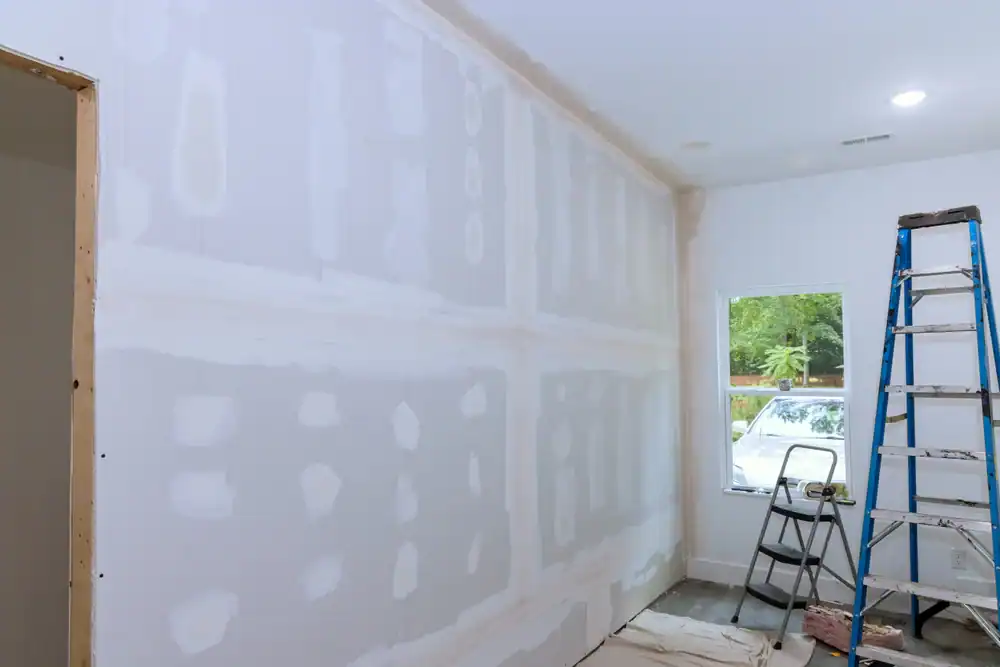
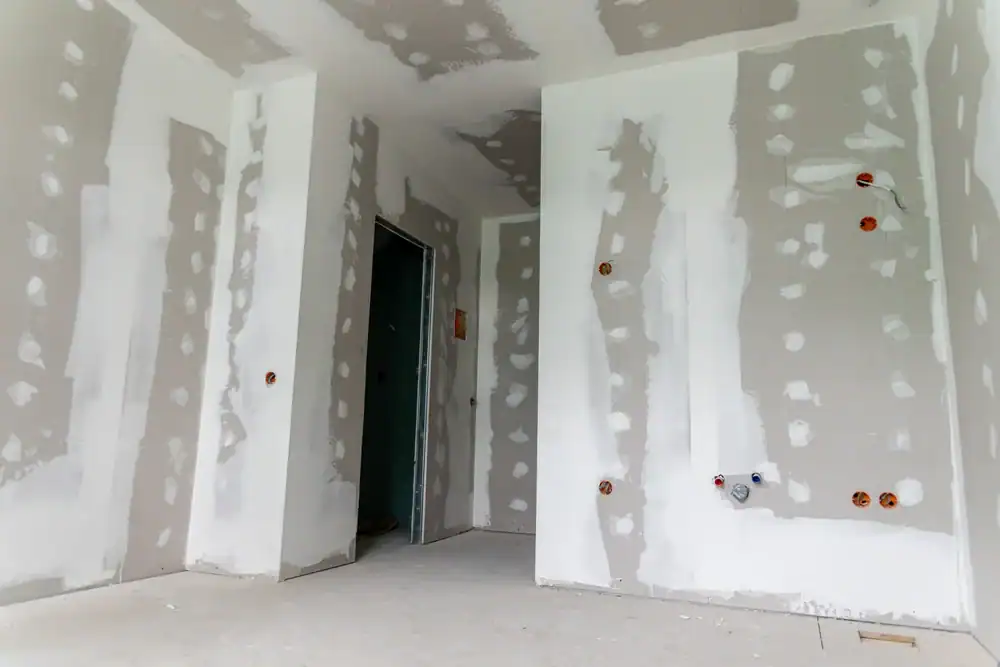
First, we assess the damage. Small holes get patched with backing and joint compound. Larger damage means cutting out the damaged section and installing new drywall that fits flush with your existing wall.
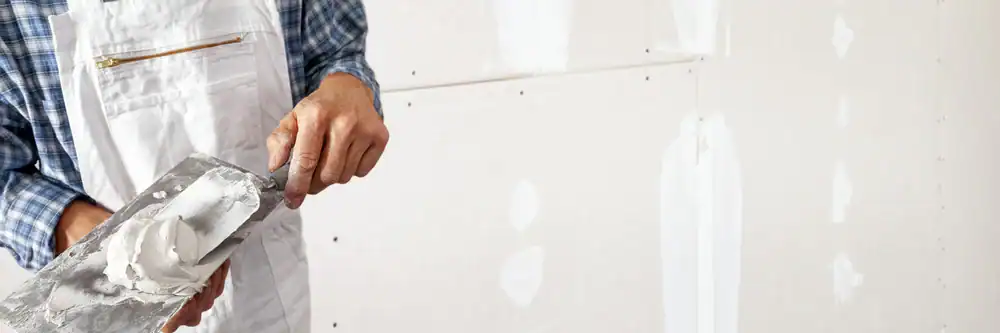
Then comes the mudding. We apply the first coat of drywall mud, let it reach proper dry time, then add subsequent coats. Each layer gets feathered at the edges so there’s no visible line where the repair meets your wall. This is where most DIY jobs and cheap contractors fail—they rush the dry time or don’t feather the edges properly.
Next is texture matching. Your walls in Melrose Park Gardens likely have a specific texture, especially if your home was built in the 1940s or 1950s. We replicate that texture so the repair blends completely. No smooth spots on a textured wall. No obvious differences in finish.
Finally, we sand everything smooth, prime the repaired area, and make sure it’s ready for paint. If you want us to handle the painting too, we do that. Otherwise, you’re left with a clean, primed surface that any painter can work with. We clean up all dust and debris before we leave. Most jobs finish the same day we start them.
Ready to get started?
You get complete drywall patching from start to finish. That means all materials, including premium joint compound and mold-resistant drywall when needed. It means proper surface prep, multiple coats with correct dry time, and texture matching that actually works.
In Melrose Park Gardens, we see a lot of foundation settlement issues in older homes. Shallow footings from pre-1940s construction cause floors to slope and drywall to crack. We don’t just patch those cracks—we address them properly so they don’t reappear in six months. That might mean reinforcing the area or using flexible joint compound that can handle minor movement.
Water damage is another common issue here. Broken pipes, ice damming, roof leaks—water finds a way in and destroys drywall fast. We handle water-damaged drywall with mold-resistant materials and make sure the area is properly dried before we patch. Skipping that step leads to mold growth behind your walls.
You also get complete cleanup. No drywall dust coating your furniture. No mud tracked through your house. No debris left in your yard. We treat your home the way we’d want someone to treat ours—with respect and care. The quoted price stays the same from start to finish. No surprise fees when we’re halfway through the job.
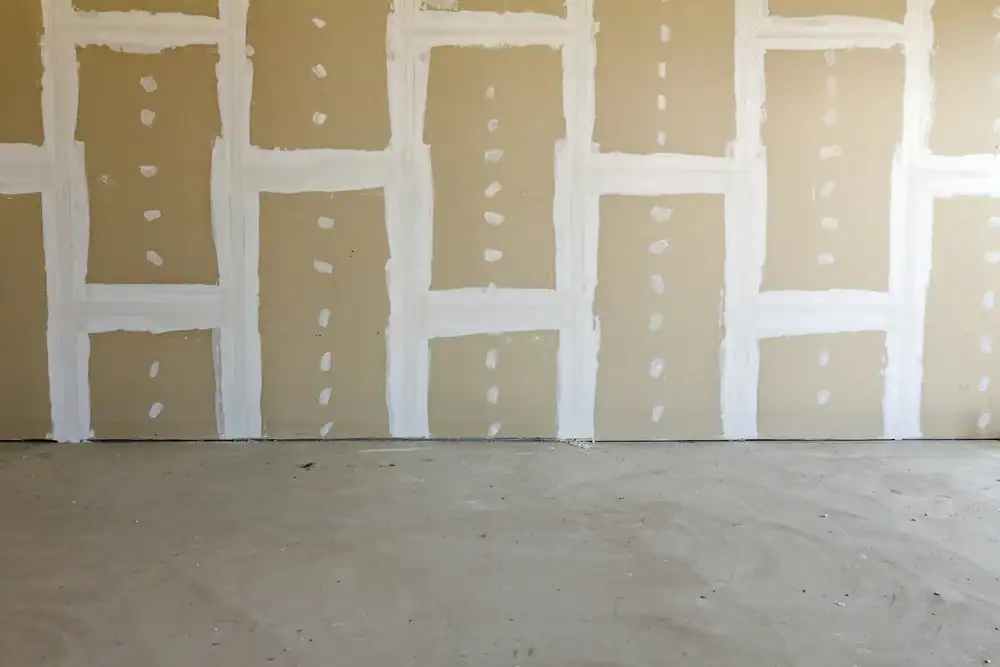
Proper dry time for joint compound is typically 24 hours between coats, but that depends on humidity, temperature, and how thick you applied the mud. In Melrose Park Gardens, especially during humid summer months, you might need longer. Winter heating can speed it up.
Rushing dry time is the biggest mistake in drywall patching. If you apply the second coat before the first coat is completely dry, the moisture gets trapped. That causes cracking, shrinking, and a repair that fails within weeks. You’ll see the patch sink or develop hairline cracks around the edges.
We use professional-grade joint compound and control the application thickness to optimize dry time. Most of our repairs in Melrose Park Gardens still finish in one day because we schedule the work efficiently and use techniques that allow proper curing without extending the timeline. You’re not waiting days for us to come back for the next coat.
Yes. Texture matching is one of the most important parts of drywall patching in Melrose Park Gardens, where most homes were built in the 1940s and 1950s. Those homes have specific wall textures—knockdown, orange peel, skip trowel—that aren’t easy to replicate if you don’t know what you’re doing.
We’ve worked on enough homes in this neighborhood to recognize the common textures from that era. We use the right tools and techniques to match your existing texture so the repair blends completely. That might mean using a specific trowel, a texture hopper, or hand-application methods depending on what’s on your walls.
A mismatched texture is obvious. You’ll see a smooth patch on a textured wall from across the room. It looks unfinished and unprofessional. We don’t leave jobs like that. The repair should disappear into your wall, and proper texture matching is how that happens.
We prime the patched area and can handle the painting if you want. Most drywall patching companies in Melrose Park Gardens don’t offer painting, which means you’re either hiring another contractor or doing it yourself. We do both to make the process easier for you.
After we finish the drywall mud, feather the edges, match the texture, and sand everything smooth, we apply primer to the repaired area. Primer seals the joint compound and creates a consistent surface for paint. Without primer, the patch will show through your paint because the compound absorbs paint differently than drywall.
If you want us to paint the wall, we match your existing paint color and finish the job completely. If you’d rather use your own painter or do it yourself, we leave you with a primed surface that’s ready for paint. Either way, the drywall work is done right and you’re not coordinating multiple contractors to finish one repair.
Small holes—nail pops, doorknob damage, small cracks—typically run $150 to $300 depending on how many you have and whether texture matching is involved. Medium repairs like fist-sized holes or water damage spots range from $300 to $600. Large repairs that require cutting out sections and installing new drywall start around $600 and go up based on square footage.
The price depends on the size of the damage, the complexity of the texture matching, how many coats of joint compound are needed, and whether there’s any underlying issue like water damage or foundation movement that needs addressing. We give you a clear quote upfront. That price doesn’t change unless you ask us to fix additional damage we didn’t know about.
In Melrose Park Gardens, we see a lot of foundation-related cracks in older homes. Those repairs sometimes cost more because we reinforce the area to prevent the crack from returning. It’s worth spending a bit more to fix it properly once instead of patching the same crack every year. We’ll explain what’s needed and why before we start the work.
Joint compound (also called drywall mud) is what professionals use for drywall patching. It’s designed for larger repairs, bonds properly to drywall, and can be sanded smooth and textured to match your walls. Spackle is a quick-fix product for tiny holes like nail pops. It dries fast but doesn’t hold up for anything bigger than a small nail hole.
Most homeowners in Melrose Park Gardens try spackle first because it’s easy to find at hardware stores and dries quickly. Then they realize it cracks, shrinks, or falls out because it’s not designed for real repairs. Joint compound takes longer to dry between coats, but it creates a permanent repair that won’t fail.
We use professional-grade joint compound for all drywall patching. It’s formulated to handle the expansion and contraction that happens in your walls, especially in older homes where foundation settling causes movement. The repair holds up for years, not months. You’re not calling us back to fix the same spot because we used the right materials the first time.
Drywall work creates dust—there’s no way around that. Sanding joint compound produces fine dust that gets everywhere if you don’t control it. We use dust containment methods, including plastic sheeting to isolate the work area and HEPA-filtered sanders that capture most of the dust at the source.
After we finish the repair, we vacuum the work area with HEPA filters, wipe down surfaces near the repair, and remove all debris and materials from your home. We don’t leave drywall scraps in your yard or joint compound containers in your garage. Everything goes with us when we leave.
In Melrose Park Gardens, where many homes have original hardwood floors and older finishes that show dust easily, we’re extra careful about cleanup. You shouldn’t have to spend hours cleaning after we leave. The repair is done, the area is clean, and you can move on with your day. That’s part of doing the job right.
Other Services we provide in Melrose Park Gardens