
The hole in your wall isn’t the real problem. It’s wondering if a repair will look worse than the damage itself.
That’s where most drywall patching in Lawncrest, PA falls short. Someone slaps on joint compound, doesn’t feather the edges properly, skips the texture matching, and suddenly you’ve got a smooth patch on a textured wall. Now you’re staring at it every day.
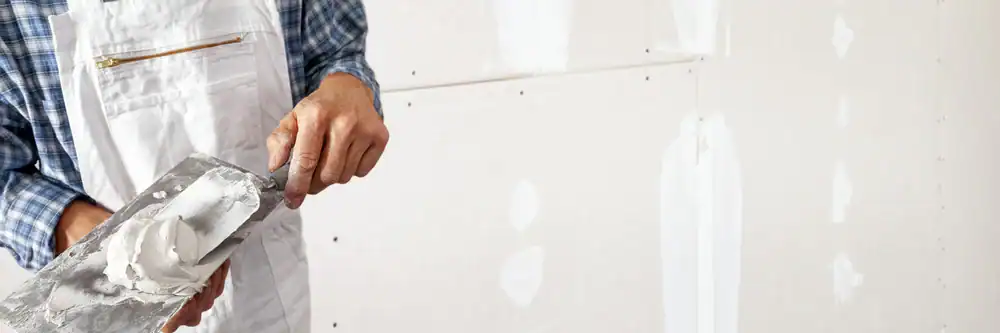
We handle it differently. The first coat gets applied clean, with attention to how your existing wall was finished. Dry time matters, so we don’t rush it. Then we match the texture—knockdown, orange peel, whatever’s on your ceiling or walls—so the repair disappears. After that, we prime and paint to blend everything together.
You’re left with a wall that looks untouched. No obvious patch. No different sheen. Just a clean surface that doesn’t announce itself every time you walk past it.
We’ve been serving Lawncrest, PA and the surrounding Philadelphia area for years. We’re not a general handyman service trying to do everything—we focus on drywall, and we do it right.
Lawncrest has a lot of older housing stock. Brick rowhomes, cottage-style properties with stone siding, twins with plaster underneath the drywall. These homes weren’t built last year, and they don’t all have the same smooth, builder-grade walls you’d see in a new development.
That means drywall patching in Lawncrest, PA requires someone who understands texture matching, knows how to work with older construction, and won’t leave you with a repair that stands out. We’ve done enough of these jobs to know what works and what doesn’t.
First, we assess the damage. Small nail holes get treated differently than larger holes from doorknobs, wall anchors, or water damage. We’ll tell you what’s needed and give you a free estimate before we start.
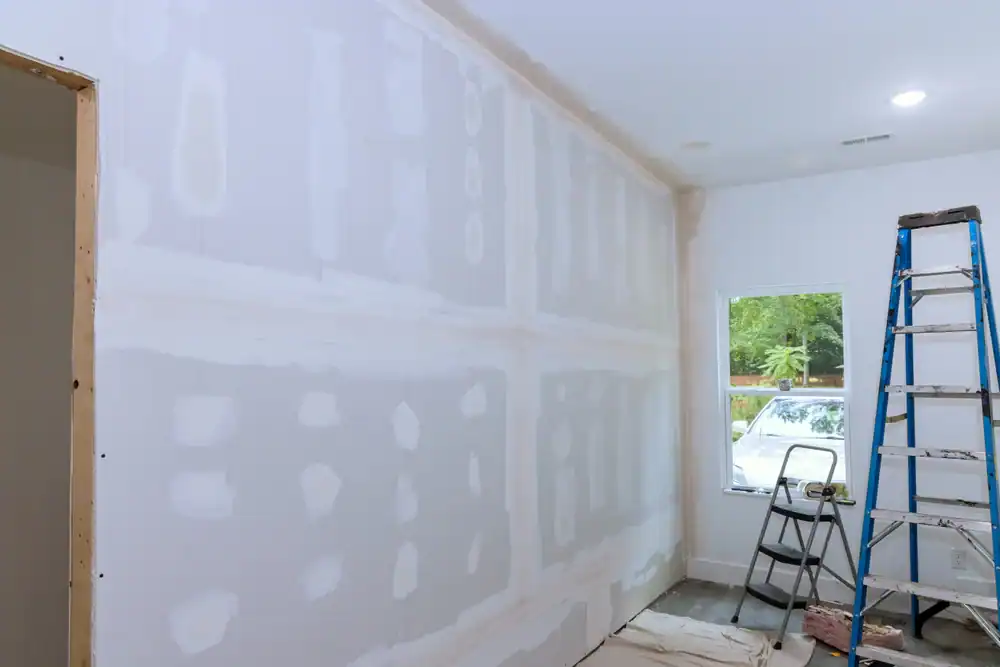
Once we begin, we prep the area to keep dust and mess contained. Then we apply drywall mud or joint compound depending on the size of the repair. For larger patches, we may need to cut out damaged drywall and install a backing before applying the first coat.
After the first coat dries, we sand it smooth and feather the edges so there’s no visible ridge where the repair meets your existing wall. Dry time between coats matters—rushing this step is where most repairs go wrong.
Next comes texture matching. If your walls or ceilings have a specific finish, we replicate it so the patch blends in completely. Finally, we prime and paint the repaired area to match your existing color and sheen. The result is a wall that looks like the damage never happened.
Ready to get started?
Our drywall patching in Lawncrest, PA covers everything from small holes to larger repairs. You’re not paying for a quick fix that shows—you’re getting a complete finishing process.
That includes proper surface prep, multiple coats of joint compound with adequate dry time between each layer, sanding and feathering to eliminate visible edges, and texture matching for walls or ceilings with knockdown, orange peel, or other finishes. We also handle priming and painting so the repair blends seamlessly with your existing wall color.
Lawncrest homes—especially the older rowhomes and cottages built in the 1940s and earlier—often have unique textures or plaster underneath the drywall. We account for that. If there’s water damage or structural concerns behind the drywall, we’ll let you know before we patch over it.
You also get a clean work area. We protect your floors and furniture, contain dust during sanding, and leave the space cleaner than we found it. Most repairs are completed in a single day, so you’re not dealing with an ongoing project that drags out for weeks.
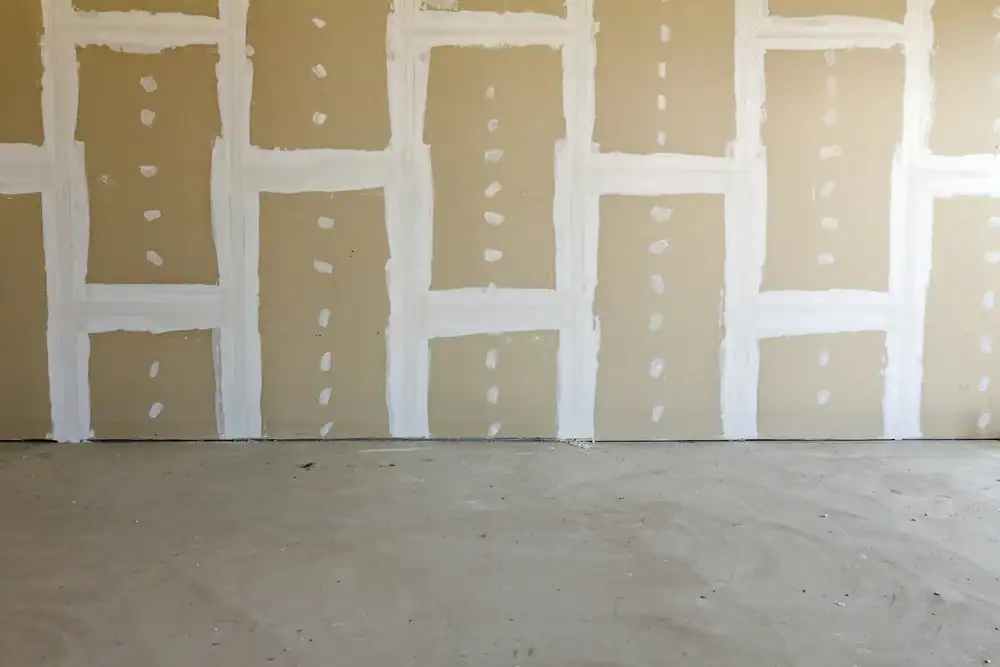
Most drywall patching jobs in Lawncrest, PA are finished in one day. Small holes—like nail pops or minor dings—can often be repaired in a few hours. Larger repairs that require cutting out damaged drywall, installing backing, and applying multiple coats of joint compound may take longer, but we’ll give you a clear timeline upfront.
The key factor is dry time. Each coat of drywall mud needs to dry completely before we can sand and apply the next layer. Rushing this step leads to cracking, uneven surfaces, and repairs that don’t hold up. We factor in proper dry time so the repair lasts.
If your repair involves texture matching or custom paint blending, that adds a bit of time, but it’s worth it. You’re getting a wall that looks original, not a patch that announces itself every time someone walks into the room.
Yes. Texture matching is one of the most important parts of drywall patching in Lawncrest, PA, especially with older homes. Many of the rowhomes and cottages in this area have knockdown, orange peel, or hand-troweled textures that aren’t standard anymore.
We replicate the existing texture after the joint compound is applied and sanded smooth. This involves using the right tools and techniques to match the pattern, depth, and finish of your current walls or ceilings. If the texture is inconsistent or worn in some areas, we’ll work with what’s there to make the repair blend as naturally as possible.
Skipping this step is where most DIY repairs and inexperienced contractors fail. A smooth patch on a textured wall is immediately obvious. We make sure that doesn’t happen, so your repair disappears into the rest of the surface.
Drywall mud and joint compound are often used interchangeably, but there are different types depending on the repair. For most patching work in Lawncrest, PA, we use all-purpose joint compound because it’s easy to sand, feathers well, and works for both small and medium-sized repairs.
For larger holes or areas that need more structural support, we might use setting-type compound, which hardens through a chemical reaction rather than air drying. This dries faster and provides a stronger base, but it’s harder to sand, so it’s not ideal for finishing coats.
The first coat is about filling the hole and building up the surface. Subsequent coats are about smoothing and feathering the edges so there’s no visible transition between the patch and your existing wall. We choose the right compound for each stage of the repair to ensure a clean, lasting result.
Yes, but water damage requires more than just patching. If water has soaked into your drywall, the clock starts immediately. Wet drywall can develop mold, lose structural integrity, and cause bigger problems if it’s not addressed quickly.
When we assess water damage in Lawncrest, PA, we check whether the drywall can be dried and repaired or if it needs to be cut out and replaced. If the damage is limited to the surface and the drywall is still solid, we can dry it out, treat it, and patch it. If it’s compromised, we remove the damaged section, check for mold or moisture behind it, and install new drywall before finishing.
Water damage also means we need to identify and fix the source—whether it’s a roof leak, plumbing issue, or condensation problem. Patching over water damage without addressing the cause just sets you up for the same problem again. We’ll let you know what we find and what needs to happen next.
Cost depends on the size and complexity of the repair. Small holes—like those from nails, screws, or minor wall damage—are usually the most affordable and can often be handled quickly. Larger repairs that involve cutting out drywall, installing backing, applying multiple coats of joint compound, and matching custom textures will cost more.
We provide free estimates for drywall patching in Lawncrest, PA, so you know exactly what you’re paying before we start. There’s no guessing, no surprise charges, and no pressure to commit on the spot.
Keep in mind that a proper repair costs more than a quick patch, but it also lasts longer and looks better. If you’re planning to sell your home or just want your walls to look right, it’s worth doing it correctly the first time. Lawncrest homes sell in about 39 days on average, so if you’re prepping for a sale, clean walls matter.
Not if it’s done right. The goal of professional drywall patching in Lawncrest, PA is to make the repair invisible. That means matching the texture, blending the paint, and feathering the edges so there’s no visible line where the patch meets the existing wall.
Most noticeable patches happen because someone skipped a step—didn’t sand enough, didn’t match the texture, used the wrong paint sheen, or didn’t feather the joint compound properly. We handle all of that as part of the process.
After we prime and paint, the repaired area should blend seamlessly with the surrounding wall. You might know where the patch is because you’ve been staring at the hole for weeks, but visitors won’t be able to tell. That’s the standard we work to—walls that look original, not repaired.
Other Services we provide in Lawncrest