You’ve got a hole in your wall from moving furniture, cracks spreading around a doorway, or water damage from a leak that finally got fixed. Now you’re stuck looking at it every day, wondering if you should try patching it yourself or call someone.
Here’s what happens when the repair is done right. The patch blends completely—no shadows, no bumps, no obvious rectangle where the fix happened. The texture matches so well that even you forget where the damage was. And it’s finished in one visit, so you’re not dealing with a half-done project for weeks.
That’s what professional drywall patching in Huntingdon Valley gets you. Your walls look clean again. Your home feels put together. And you didn’t waste a weekend trying to figure out joint compound and feathering edges, only to end up with something that looks worse than when you started.
We started Sharpe Drywall because too many homeowners in Montgomery and Bucks County were dealing with contractors who didn’t finish jobs, left messes, or delivered work that looked amateur. We built this company to be the call you make when you want it done right the first time.
We’ve been serving Huntingdon Valley and surrounding areas for over a decade. We know the housing stock here—the older homes with plaster underneath, the settlement issues common in this area, the way Pennsylvania weather affects walls and ceilings. That local knowledge matters when you’re trying to match 40-year-old texture or repair cracks that keep coming back.
You’ll work with licensed, insured contractors who clean up completely and quote you a price that doesn’t change halfway through the job. No drama, no disappearing acts, no surprises.
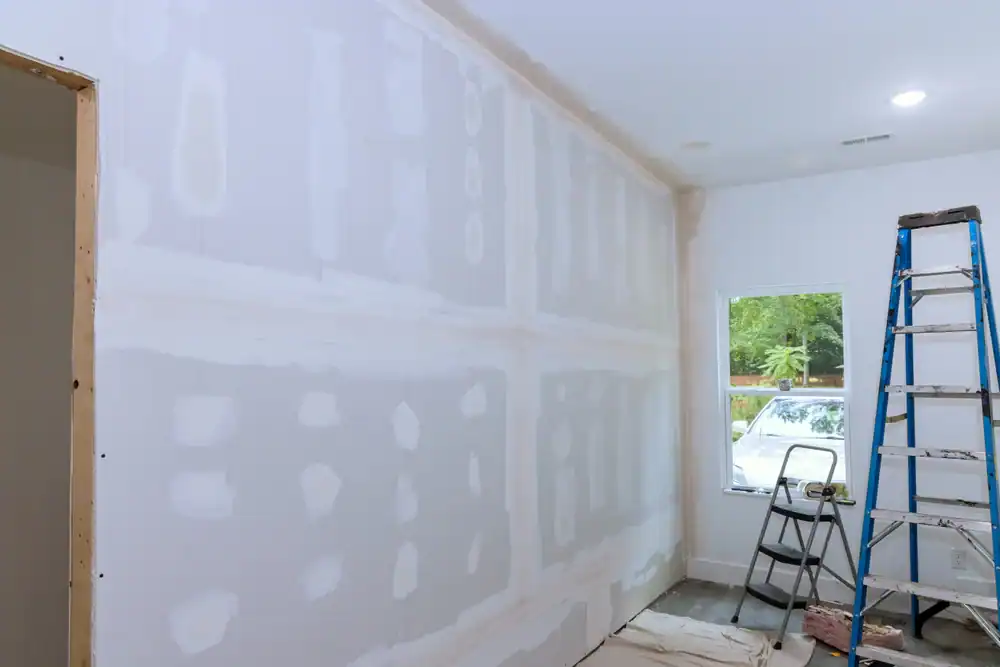
First, we assess the damage. Small holes get filled with joint compound and sanded smooth. Larger holes need a backer board or drywall patch cut to size, secured, then taped and mudded. We’re checking for any underlying issues—moisture, structural movement, anything that would cause the problem to come back.
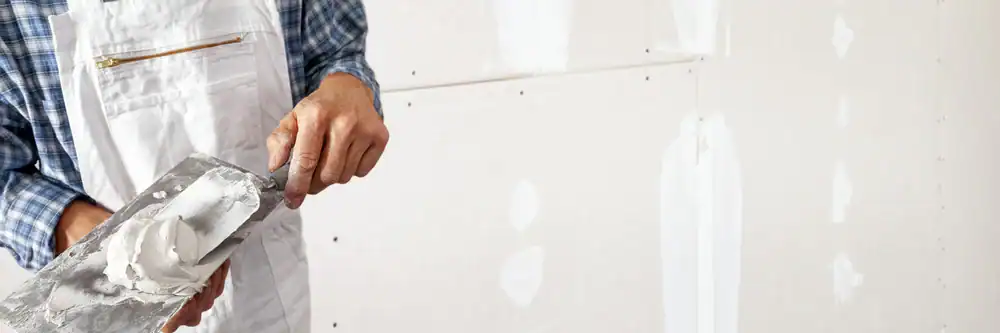
Next comes the finishing work. This is where most DIY jobs and cheap contractors fall apart. We apply the first coat of drywall mud, let it dry completely, then add subsequent coats while feathering the edges so there’s no visible line between old and new. Each layer gets sanded smooth before the next goes on. If your wall has texture, we match it exactly using the right tools and technique.
Finally, we prime and paint the repaired area so it blends with the surrounding wall. We don’t just slap paint over wet mud or skip the primer—that’s how you end up with patches that show through or paint that peels. And before we leave, we clean everything. No dust on your floors, no debris in your yard, nothing left behind except walls that look right again.
The whole process usually wraps up in one visit for most repairs. Larger jobs might need a second trip after dry time, but we’ll tell you that upfront.
Ready to get started?
Every drywall patching job in Huntingdon Valley includes damage assessment, proper prep work, premium materials, expert finishing, texture matching, priming, painting, and complete cleanup. You’re not paying for a quick patch that shows through your paint six months later.
Huntingdon Valley homes—especially the older properties in established neighborhoods—often have unique challenges. Foundation settlement is common here, which causes cracks around doorways and windows. We see it constantly in homes built in the 60s and 70s. We don’t just patch those cracks; we assess whether there’s ongoing movement and recommend the right approach so you’re not calling us back next year for the same problem.
Water damage is another big one. Whether it’s from roof leaks, plumbing issues, or the freeze-thaw cycles we get every winter in Pennsylvania, water-damaged drywall needs more than spackle. We remove any compromised material, check for mold, install mold-resistant drywall if needed, and make sure the area is completely dry before we close it up. Cutting corners on water damage repairs just creates bigger problems down the road.
You’re also getting transparent pricing. The quote we give you is what you pay. No surprise fees because the job “took longer than expected” or we “found additional damage” that somehow wasn’t visible during the estimate. If there’s something unexpected, we talk to you about it before doing extra work.
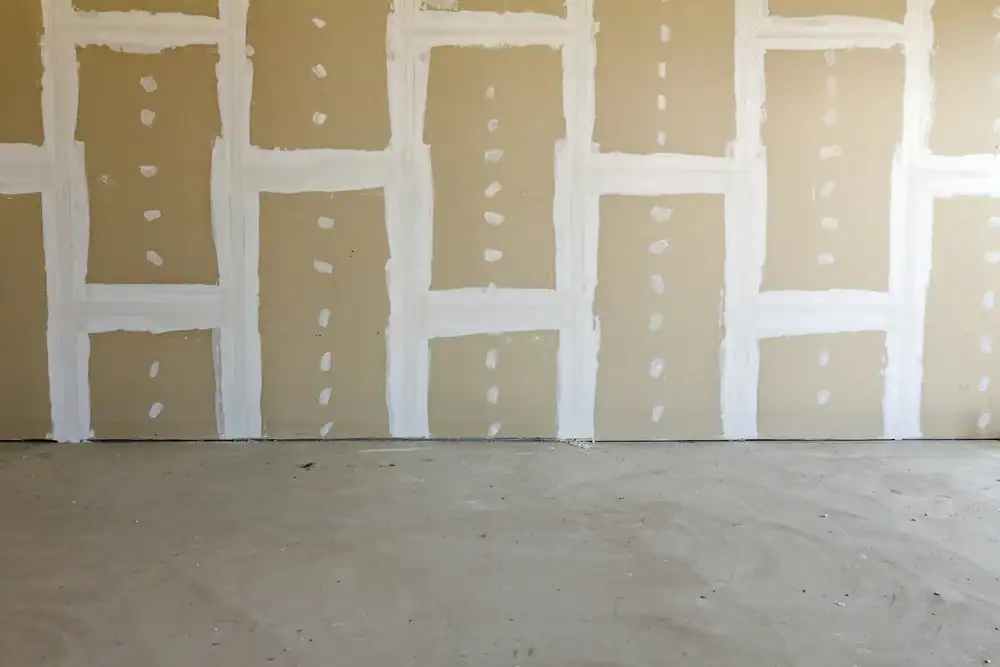
Dry time for joint compound typically runs 12 to 24 hours between coats, but humidity makes a big difference. In Huntingdon Valley, especially during summer months when humidity spikes, you’re looking at the longer end of that range. Winter heating can speed it up, but you don’t want to rush it.
If the mud isn’t completely dry before the next coat goes on, you’ll end up with cracking, shrinking, or a repair that never fully hardens. That’s why same-day completion works for smaller patches where we’re only doing one or two coats, but larger repairs need proper cure time between layers.
We don’t use heat guns or fans to force it. That causes uneven drying and more problems. We just plan the work correctly so each coat has time to cure properly, and you end up with a repair that lasts.
Yes, and this is where experience really matters. Older homes in Huntingdon Valley have all kinds of textures—knockdown, orange peel, skip trowel, even hand-troweled plaster finishes. Matching those isn’t something you learn from a YouTube video.
We keep different tools and techniques ready depending on what we’re matching. Sometimes it’s a specific roller, sometimes it’s a trowel technique, sometimes it’s a spray texture that needs to be knocked down at exactly the right time. We test it on scrap material first to dial in the pattern before we touch your wall.
The goal is for you to not be able to find the repair once we’re done. Not “close enough”—actually invisible. That takes the right materials, the right tools, and enough experience to know what you’re looking at and how to recreate it. Most contractors can’t do this well, which is why you see so many obvious patches in homes around here.
Cracks that reappear after repair usually mean there’s ongoing movement in the structure. In Huntingdon Valley, foundation settlement is the most common culprit. The soil here shifts, houses settle, and that movement transfers to your walls—especially around door frames, windows, and ceiling corners.
Just filling those cracks with spackle is pointless. They’ll be back in six months. You need to figure out if the movement is ongoing or if it’s old settlement that’s stabilized. Sometimes the fix is as simple as using flexible caulk instead of rigid joint compound in areas that still move slightly. Other times, you need to address the foundation issue before any cosmetic repair will hold.
We look at the whole picture during our assessment. Where are the cracks located? Are they active or old? Is there other evidence of movement—sticking doors, sloped floors, exterior cracks? That tells us the right way to approach the repair so it actually lasts. If there’s a bigger structural issue, we’ll tell you that too, even though we’d love to just patch it and move on. That’s not helpful to you.
Small nail holes and minor dings? You can probably handle those yourself with spackle and touch-up paint. Anything bigger than your fist, or anything involving cracks, water damage, or texture matching—call someone who does this for a living.
Here’s why. Drywall patching looks simple until you’re standing there with a lumpy wall, visible seams, and texture that doesn’t match. The measuring, cutting, taping, mudding, sanding, and finishing all require specific techniques that take practice to get right. Most homeowners underestimate how much time it takes and how easy it is to make it look worse.
You’ll also need tools you probably don’t own—taping knives in multiple sizes, a mud pan, sanding blocks, possibly texture equipment. By the time you buy materials, spend your weekend on it, and realize it doesn’t look good, you’ve wasted time and money. Then you’re calling us to fix the original damage plus your repair attempt, which costs more than if you’d called first. If your time is worth anything, and you want results that actually look professional, just call a contractor from the start.
Small patches typically run $150 to $300. Medium repairs where we’re cutting in new drywall, taping, and finishing usually fall between $300 and $600. Large repairs involving multiple areas, water damage remediation, or complex texture matching can run higher depending on scope.
The price reflects more than just slapping mud on a wall. You’re paying for proper materials—mold-resistant drywall if needed, quality joint compound that won’t crack, primer and paint that match your existing finish. You’re paying for technique—knowing how to feather the edges so the repair disappears, matching texture accurately, and getting it smooth without endless sanding. And you’re paying for it to be done right so you’re not dealing with the same problem again next year.
We give you a clear, upfront estimate that breaks down what we’re doing and why. No hidden fees, no surprise charges. The price we quote is what you pay. If you’re getting estimates that seem too cheap, ask what’s included. Are they priming? Painting? Matching texture? Cleaning up? A lot of low-ball quotes leave those out, then you’re stuck finishing the job yourself or paying extra.
Yes, and it’s one of the most common calls we get. Water damage from roof leaks, burst pipes, or foundation moisture shows up as stains, soft spots, bubbling paint, or sagging sections. You can’t just paint over that or patch the surface—you need to remove the damaged material and address what caused it.
First step is making sure the water source is actually fixed. We’re not tearing out drywall if there’s still an active leak. Once that’s confirmed, we remove any drywall that’s compromised—soft, moldy, or structurally weakened. We check the framing behind it to make sure that’s dry and solid too.
Then we install new drywall, usually mold-resistant board in areas prone to moisture. We tape, mud, sand, and finish it to match your existing walls. If there was any mold present, we treat the area properly before closing it back up. This isn’t optional—mold behind your walls creates health issues and keeps spreading. Huntingdon Valley’s humidity, especially in basements and older homes, makes this particularly important. Doing water damage repairs correctly means you’re not dealing with mold problems or repeat damage down the road.
Other Services we provide in Huntingdon Valley