

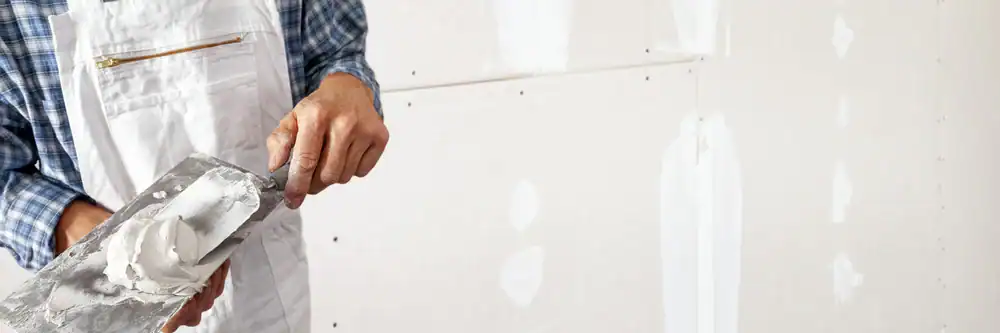
You’re not looking at that hole in your wall because you enjoy it. You’re looking at it because the last fix didn’t hold, or because you know a quick DIY job will crack in three months.
Here’s what changes when the repair is done right. The patch blends in completely—no visible seams, no texture mismatch, no reminder that there was ever damage. You’re not repainting the same spot next year because the joint compound in Fitler Square, PA was applied without proper backing or the right dry time between coats.
And if your home was built in the 1800s like most rowhouses here, you’re dealing with plaster walls that need to integrate with modern drywall. That’s not a handyman job. That’s knowing how to feather the edges so old materials and new ones don’t separate, crack, or bubble up later. You get a repair that respects what your home is made of and lasts as long as the original construction.
We work in Fitler Square because we understand what these homes demand. Most of the rowhouses here were built before drywall even existed. You’ve got plaster, lath, calcimine paint, and layers of old repairs that weren’t done with modern materials in mind.
We’ve spent years learning how to tie those materials together without creating future problems. That means knowing which joint compound works with plaster, how to prep surfaces that have been painted over a dozen times, and how to reinforce patches so they don’t crack when your floors shift or your roof settles under snow load.
You’re not hiring a general contractor who patches drywall on the side. You’re hiring people who do this every day in homes just like yours.
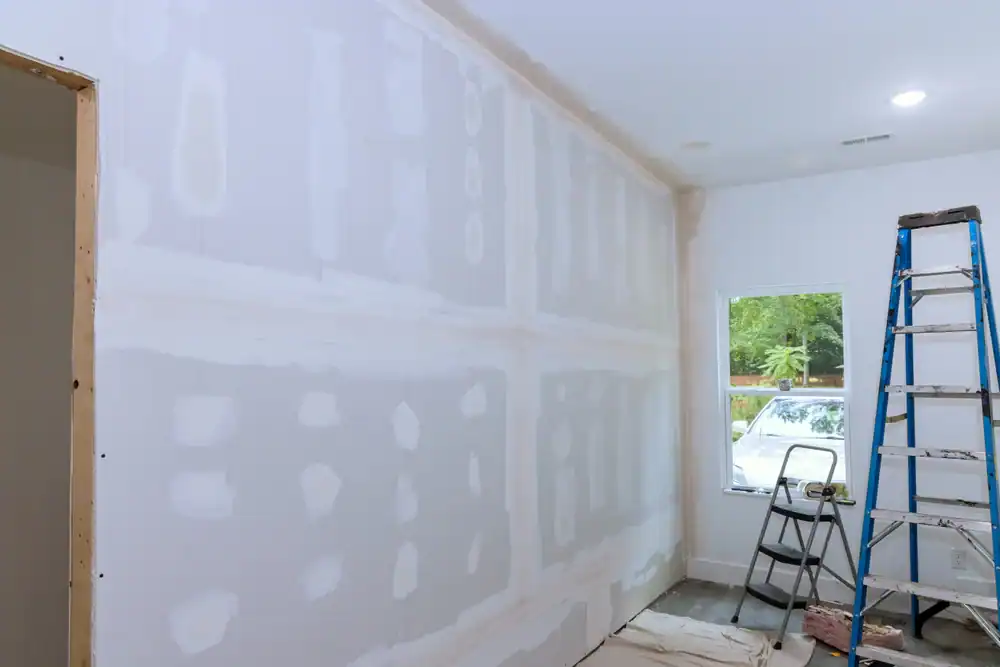
First, we assess the damage and what’s behind it. If it’s water damage, we’re checking for mold, soft framing, or issues that go deeper than the surface. If it’s a crack or hole, we’re looking at whether the studs or lath need reinforcement before we even touch drywall mud in Fitler Square, PA.
Next comes prep. We cut back to solid material, add backing if needed, and clean the area so nothing interferes with adhesion. For historic homes, that might mean dealing with old plaster that’s still sound but needs a transition zone to new drywall. We use fiberglass mesh tape on every joint because paper tape doesn’t hold up the same way when materials expand and contract at different rates.
Then we apply the first coat—usually a setting-type compound that hardens chemically, not just by drying. This gives you a stronger base and lets us move faster without sacrificing quality. We feather the edges out wide so the repair blends invisibly into the surrounding wall. Each coat gets proper dry time, even when we’re using fast-setting materials, because rushing this step is how you end up with cracks later.
After the finishing coats, we sand smooth, prime the patch, and paint to match. The area gets cleaned completely before we leave. You shouldn’t be able to tell where the damage was.
Ready to get started?
Every drywall patching job in Fitler Square, PA includes full surface prep, reinforcement with fiberglass mesh tape, and multiple coats of joint compound applied with proper dry time between layers. We’re not skipping steps to finish faster.
If you’ve got water damage, we’re addressing the source and making sure the framing is dry and stable before we close anything up. Fitler Square’s historic homes often have basements that see moisture, and patching over a wet wall is a waste of your money. We use setting-type compounds in those areas because they resist moisture better than standard drywall mud.
For homes with plaster walls, we take extra care blending old and new materials. Plaster doesn’t flex the same way drywall does, so the transition zone needs to be wider and reinforced properly. We also match textures if your walls aren’t smooth—something most contractors can’t do well.
You also get prime and paint color-matched to your existing walls, plus complete cleanup. We’re not leaving dust on your furniture or patches of joint compound on your floors. The space should be cleaner than when we started, and the repair should be invisible unless you know exactly where to look.
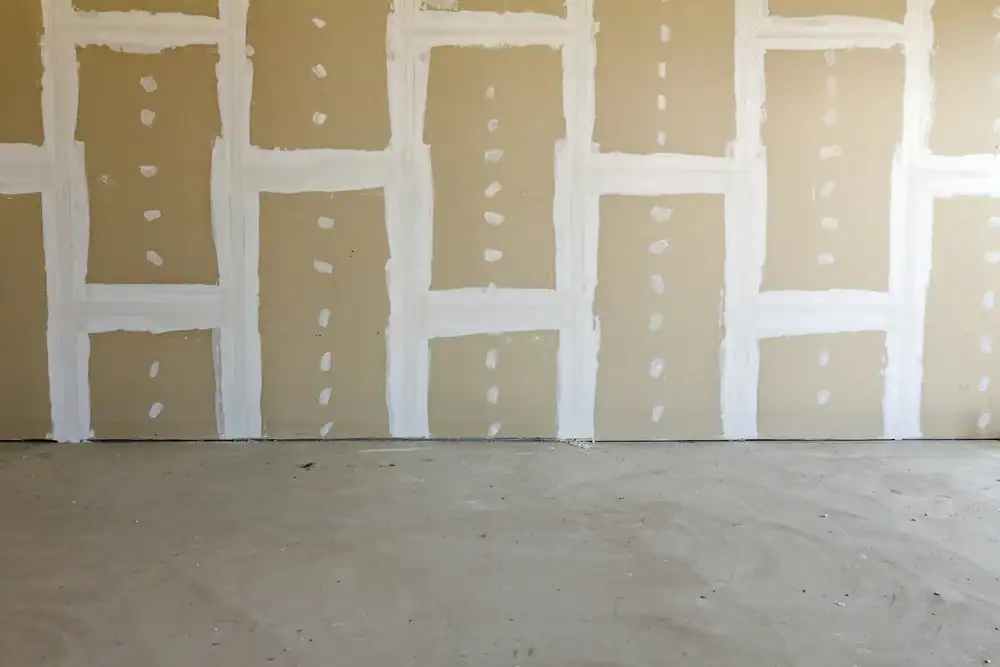
Most drywall patching jobs in Fitler Square, PA are finished in one day, but the timeline depends on the size of the damage and what’s behind it. A small hole in a standard drywall section can be patched, finished, and painted in a few hours if we use fast-setting joint compound and the conditions are right.
Larger repairs, water damage, or patches that involve plaster walls take longer. Each coat of drywall mud needs adequate dry time before the next one goes on, and we won’t rush that just to say we’re done. If we’re dealing with a historic rowhouse where we need to integrate plaster and drywall, expect the job to take a full day or potentially a return visit for final finishing and paint.
Water damage adds time because we need to make sure everything is dry before we close up the wall. If there’s mold or structural issues behind the drywall, those get addressed first. Cutting corners on dry time or prep is how you end up with a repair that cracks or fails in a few months.
Drywall patches crack in Fitler Square’s older homes because most contractors don’t account for how historic buildings move. Your floors flex when people walk on them. Your roof settles under snow load. Plaster and drywall expand and contract at different rates when temperature and humidity change.
If the patch isn’t reinforced properly, those movements create stress at the seams. Paper tape and standard joint compound aren’t strong enough for that kind of environment. You need fiberglass mesh tape and a setting-type compound for the base coats—materials that harden chemically and create a stronger bond.
Another common issue is improper surface prep. If someone patches over old calcimine paint, oil-based paint, or loose plaster without priming or scraping first, the new material won’t adhere. It might look fine for a few weeks, but it’ll eventually separate. And if the patch doesn’t extend far enough past the damage, or if the edges aren’t feathered out properly, you’ll see ridges and cracks as the materials settle. This isn’t about the patch failing—it’s about the patch not being done right in the first place.
Yes. Texture matching is part of what makes a drywall patch invisible, and it’s something we handle on every textured wall in Fitler Square, PA. Whether you’ve got a knockdown finish, orange peel, skip trowel, or something custom, we replicate it so the repair blends completely.
The process involves applying the final coat of joint compound, then using the right tools and technique to recreate the existing texture before it dries. That might mean a specific trowel, a texture hopper, or a sponge depending on what’s on your walls. We match the depth, pattern, and spacing so you can’t tell where the old wall ends and the new patch begins.
This is harder than it sounds, and most general contractors can’t do it well. It takes experience to read a texture and know how it was originally applied. If the texture isn’t matched correctly, the patch will stand out even after it’s painted. That’s why we take the time to get it right the first time, and why texture matching is included in every job—not an extra charge or an afterthought.
There isn’t one—drywall mud and joint compound are the same thing. It’s the material we use to fill seams, cover fasteners, and smooth out patches so they blend into your wall. But not all joint compounds are the same, and that matters for repairs in Fitler Square, PA.
Standard all-purpose joint compound dries through evaporation, which means it shrinks as it dries and takes longer in humid conditions. It works fine for new construction, but it’s not ideal for patches in older homes where you need strength and faster turnaround. Setting-type joint compound hardens through a chemical reaction, which makes it stronger, more moisture-resistant, and faster to work with. We use setting compounds for base coats and areas with water damage or plaster integration.
Lightweight joint compound is easier to sand and creates less dust, so we use it for finishing coats where the priority is a smooth surface, not structural strength. Choosing the right type of drywall mud for each layer is part of doing the job correctly. Using the wrong compound, or using the same type for every coat, is how you end up with repairs that don’t hold or take twice as long to complete.
Yes, and water damage is one of the most common reasons we’re called to Fitler Square, PA. Basements, old plumbing, roof leaks—historic homes deal with moisture issues that newer construction doesn’t. The key is addressing the water source first, then making sure the framing and surrounding materials are completely dry before we patch anything.
We don’t just cover up water-damaged drywall and hope it holds. If the studs or lath behind the wall are wet or compromised, we let them dry out or replace them if needed. If there’s mold, we treat it. Closing up a wall before it’s dry traps moisture inside, which leads to bigger problems later—more mold, rot, and a patch that fails as soon as the materials start breaking down.
Once everything is dry and stable, we use fiberglass mesh reinforcement and setting-type joint compound for the repair. These materials handle moisture better than standard drywall mud and paper tape. We also prime with a stain-blocking primer so any residual discoloration doesn’t bleed through your paint. Water damage repairs take longer than standard patches, but doing it right the first time means you’re not dealing with the same problem again next year.
Drywall patching costs in Fitler Square, PA depend on the size of the damage, what caused it, and what’s behind your walls. A small hole in standard drywall might run a few hundred dollars. Larger repairs, water damage, or patches that involve integrating plaster and drywall in a historic home cost more because they take more time and specialized materials.
If we need to add backing, treat mold, or reinforce framing before we even start patching, that adds to the cost. Same with texture matching, multiple rooms, or repairs that require custom paint color matching. We’re not inflating prices—we’re accounting for the actual work involved in doing the job right.
The bigger question is what it costs not to fix it correctly. A cheap patch that cracks in six months means you’re paying twice—once for the bad repair, and again when you hire someone to do it over. We give you an upfront estimate based on what the job actually requires, and we don’t cut corners to hit a lower number. You’re paying for a repair that lasts, not a repair that looks okay until we leave.
Other Services we provide in Fitler Square