

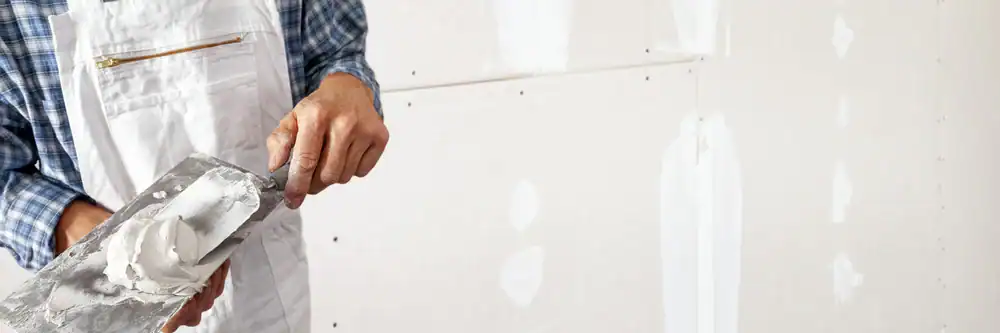
That crack keeps coming back because the last repair didn’t address what’s actually causing it. Foundation settling in these older Fern Rock homes creates movement that standard patching can’t handle.
You need someone who understands how 1920s and 1940s construction behaves. These row homes shift differently than newer builds, and the drywall work has to account for that movement or you’ll see the same problem again.
When the repair is done correctly, you can’t tell where the damage was. The texture matches, the paint blends, and the patch holds up through humidity, temperature swings, and the natural settling that comes with older homes. You’re not covering up a problem—you’re actually fixing it.
We handle full-service drywall work throughout Bucks County and the greater Philadelphia area, including Fern Rock. We’ve worked in enough row homes to know exactly what challenges you’re dealing with—plaster and lath underneath newer drywall, moisture issues from older ventilation systems, and cracks that reappear because of foundation movement.
Most of the homes in your neighborhood were built between the 1920s and 1940s. That means specific construction methods that require specific repair techniques. We don’t treat every patch job the same because every home isn’t built the same.
You’ll get someone who shows up when they say they will, does clean work, and explains what’s happening and why. No runaround, no surprise charges, no mess left behind.
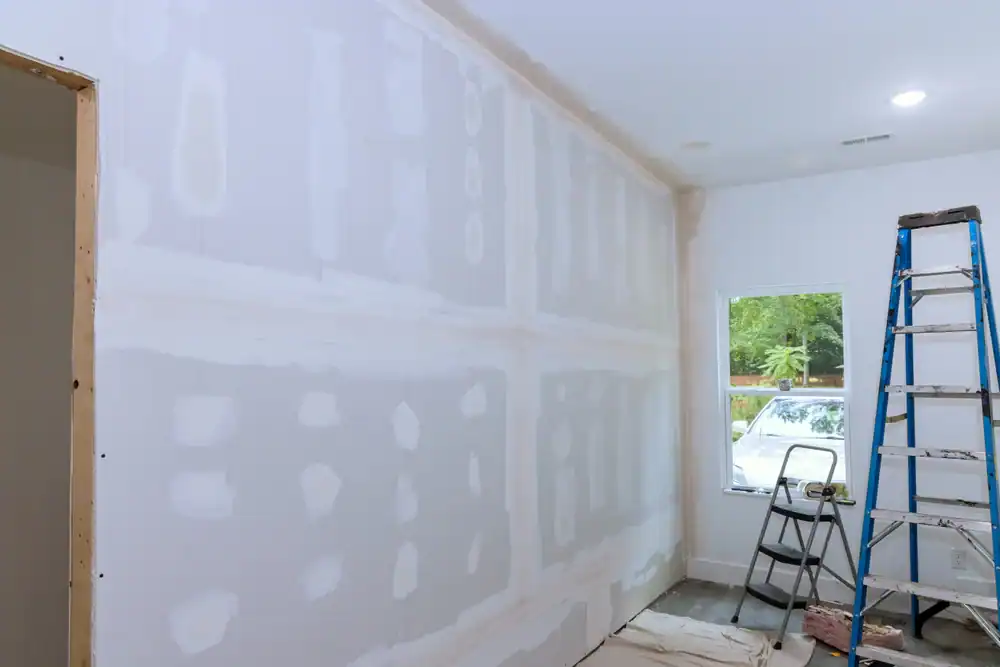
First, we assess the damage to figure out what caused it. A hole from moving furniture is different from a crack caused by settling, and the repair approach changes based on the root issue.
Once we know what we’re dealing with, we prep the area. That means cutting back to solid material, cleaning edges, and making sure the surface is ready for joint compound. If there’s moisture damage or mold, we address that before any patching happens.
Then comes the actual drywall patching in Fern Rock, PA. We apply joint compound in layers, feathering the edges so the repair blends into the surrounding wall. Each coat needs proper dry time before the next one goes on—rushing this step is why DIY repairs look obvious.
After the final coat dries, we sand it smooth and clean. If you want us to prime and paint, we match your existing finish so the repair disappears completely. You’re left with a wall that looks untouched.
Ready to get started?
You get a complete patch job from start to finish. We handle the drywall mud application, texture matching, sanding, and cleanup. If you need us to prime and paint, we do that too so you’re not coordinating multiple people.
Fern Rock homes deal with specific issues that newer construction doesn’t face. Humidity from older HVAC systems, plaster walls that were covered with drywall decades ago, and foundation movement from the clay-rich soil common in this area. We account for all of it when we’re doing the repair.
The work is clean. We contain dust, protect your floors and furniture, and leave the space cleaner than we found it. You won’t be vacuuming drywall dust out of your vents for the next month.
Same-day service is available for urgent repairs. If you’ve got a hole that needs fixing before guests arrive or water damage that can’t wait, we can usually get to you quickly. The goal is to make this as easy as possible for you while delivering a repair that actually lasts.
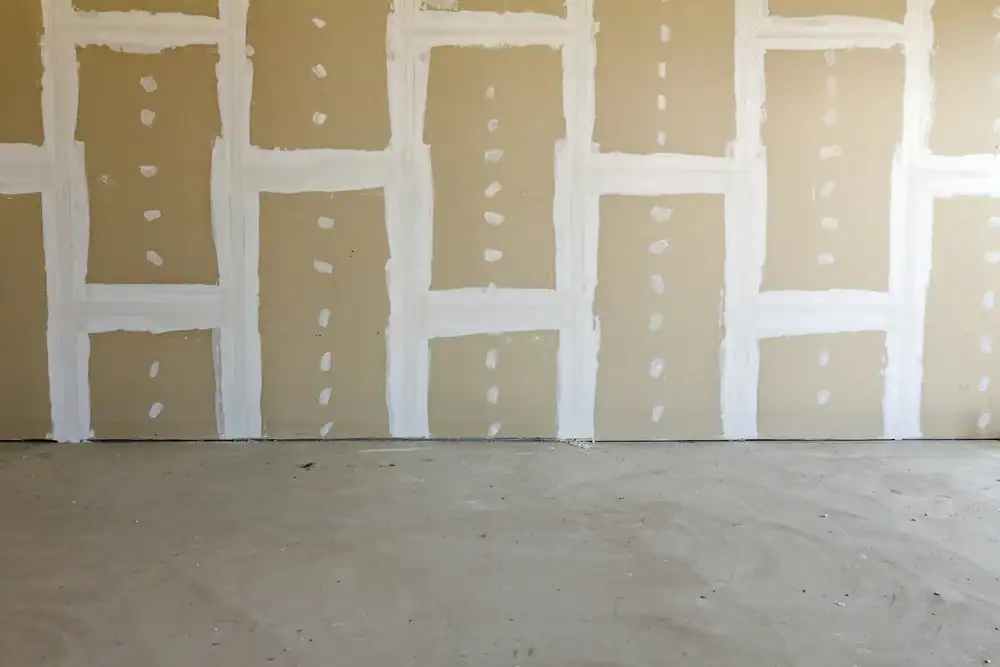
Most small to medium patches take a few hours of actual work, but the dry time between coats stretches the timeline. Joint compound needs to dry completely before the next layer goes on, and rushing this is how you end up with cracks or an uneven finish.
For a standard repair, expect the first coat to take about 24 hours to dry. The second coat adds another day, and the final finishing coat needs time before sanding. If we’re doing the full job including prime and paint, you’re looking at three to four days from start to finish.
Larger repairs or areas with water damage take longer because there’s more prep work involved. We need to make sure any moisture issues are resolved and the underlying structure is sound before we start patching. If you’ve got a timeline you’re working with, let us know upfront and we’ll tell you exactly what’s realistic.
The crack is a symptom, not the problem. Most recurring cracks in Fern Rock homes come from foundation settling or movement in the structure. If you’re just filling the crack with joint compound without addressing why it’s happening, it’ll open back up as soon as the house shifts again.
Older row homes built in the 1920s through 1940s settle differently than modern construction. The soil underneath moves with temperature and moisture changes, and that movement transfers to your walls. A proper repair accounts for this by using techniques that allow for slight movement without cracking.
The other common issue is improper application. If you don’t feather the edges correctly, don’t let each coat dry fully, or use the wrong type of compound, the patch won’t hold. It’s not about effort—it’s about knowing which materials and methods work for your specific situation.
Yes, and this is one of the most important parts of making a repair look invisible. Texture matching takes practice and an understanding of how different finishes are created. Whether your walls have a knockdown texture, orange peel, or smooth finish, the patch needs to blend seamlessly.
We look at your existing texture, figure out what technique was used to create it, and replicate that on the repair. This might mean using specific tools, adjusting the consistency of the joint compound, or applying it in a particular way. The goal is for you to not be able to find the patch once it’s painted.
Many Fern Rock homes have plaster walls that were later covered with drywall, which creates unique texture challenges. The original plaster often has a different finish than the drywall that was added, and matching both requires experience with older homes. We’ve done enough of these repairs to know what works.
Older homes weren’t built with the same moisture control systems you see in modern construction. You’re dealing with original plumbing that may have small leaks, roofs that have been patched multiple times over decades, and ventilation systems that don’t move air as efficiently as they should.
Philadelphia’s humidity doesn’t help. During summer months, moisture gets trapped in walls, especially in bathrooms and kitchens where ventilation is limited. That moisture breaks down drywall over time, causing it to sag, bubble, or crumble. If you see discoloration or soft spots, that’s water damage that needs professional attention.
The other common culprit is roof leaks that go unnoticed until they’ve caused significant damage. Water travels along beams and studs before it shows up on your ceiling or walls, so by the time you see it, the problem has been happening for a while. We check for the source of moisture before patching anything, because covering up water damage without fixing the leak just delays a bigger problem.
This is extremely common in Fern Rock, and yes, we handle it regularly. Many homes in your neighborhood had drywall installed over the original plaster and lath sometime in the 1970s or 1980s. When you need to patch these walls, you’re working with two different materials that behave differently.
The challenge is that plaster is rigid and doesn’t flex, while drywall has some give to it. Where they meet, you can get cracking or separation, especially as the house settles. A proper repair has to account for both materials and create a transition that holds up over time.
We also run into situations where the plaster underneath has deteriorated or separated from the lath. If that’s the case, we need to address the plaster issue before patching the drywall, or the repair won’t have a solid base. It’s more involved than a standard drywall patch, but it’s the only way to do it correctly and avoid the same problem six months later.
Cost depends on the size of the repair, what caused the damage, and whether there are underlying issues that need to be fixed first. A small hole from a doorknob costs less than a large section of water-damaged drywall that requires structural work before patching.
For a straightforward patch—something like a hole from moving furniture or a crack from normal settling—you’re looking at a few hundred dollars including materials and labor. If we’re matching texture and doing the prime and paint work, that adds to the cost but gives you a completely finished result.
Larger jobs or repairs that involve moisture damage, mold remediation, or fixing issues with the plaster underneath will cost more because there’s more work involved. We’ll assess the damage, explain exactly what needs to happen, and give you a clear price before we start. No surprises, no padding the bill. You’ll know what you’re paying for and why.
Other Services we provide in Fern Rock