

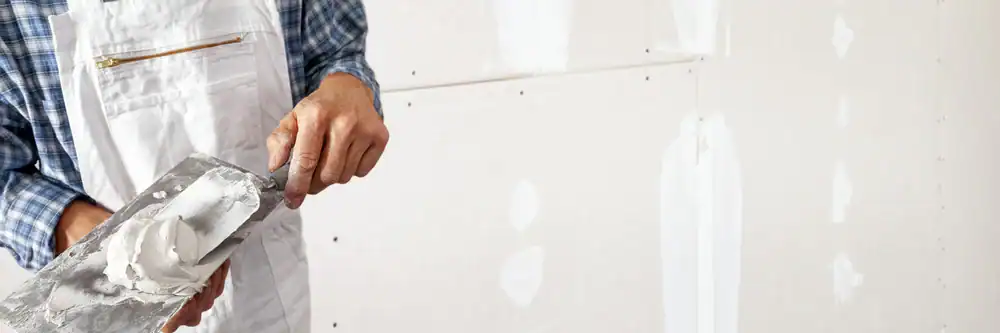
You’re not looking at the repair anymore. The texture matches perfectly, the paint blends in, and there’s no evidence anything was ever wrong. That’s what happens when someone knows how to feather the edges in Castor Gardens properly and doesn’t rush the dry time between coats.
Most drywall patching in Castor Gardens fails because contractors skip steps or don’t understand how to match the textures common in homes built during the 1950s. You end up with a flat spot on a textured wall, or a repair that shows through every time the light hits it wrong.
When the first coat of joint compound in Castor Gardens goes on correctly and each layer gets proper attention, the finished surface disappears into the surrounding wall. You shouldn’t be able to find where the damage was, even if you’re looking for it. That’s the standard you deserve, and it’s what separates a professional job from one you’ll need fixed again in six months.
We work throughout Montgomery and Bucks counties, and we’ve handled hundreds of repairs in neighborhoods like yours where the housing stock dates back to the post-war building boom. We know what’s behind those walls because we’ve opened enough of them.
Your home was likely built between 1930 and 1956, which means specific construction methods and materials that affect how repairs should be done. We’re licensed, insured, and we’ve built our reputation on showing up when we say we will and cleaning up completely when we’re done. You won’t find drywall mud tracked through your house or dust coating your furniture after we leave.
You’ll get a free estimate first—no pressure, just a clear explanation of what needs to happen and what it costs. If you move forward, we schedule a time that works for you and show up when we say we will.
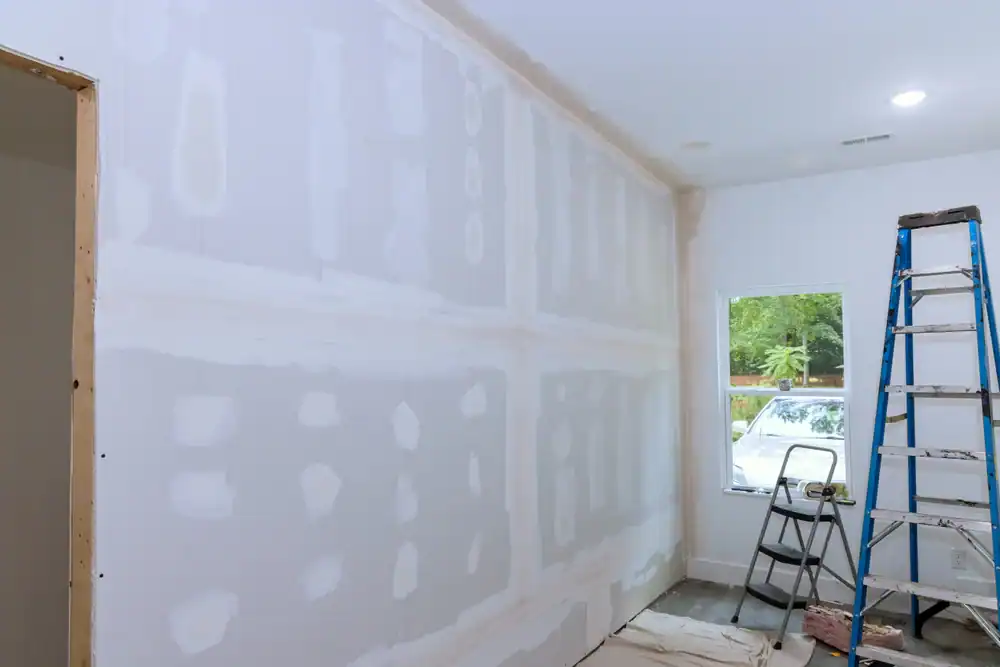
The damaged section gets cut out clean and replaced with new drywall that’s secured properly to the studs or backing. Then comes the joint compound in Castor Gardens application—multiple thin coats instead of one thick glob that cracks later. Each coat needs proper dry time before the next one goes on, and we feather the edges in Castor Gardens so there’s no ridge where the repair meets the existing wall.
After the finishing work and sanding, we match your wall’s texture. That’s the part most contractors mess up, but it’s also what makes the repair invisible. Then we prime and paint in Castor Gardens to blend everything together. The whole process usually wraps up in one day for typical repairs, and we clean up completely before we leave—no dust, no debris, no mess left behind for you to deal with.
Ready to get started?
You get the full job done right—cutting out damaged drywall, installing the patch, applying multiple coats of drywall mud in Castor Gardens with proper dry time between each layer, texture matching, and finishing with prime and paint in Castor Gardens. We don’t leave you with a white square on your wall to deal with yourself.
Castor Gardens homes often have specific texture patterns that require experience to replicate correctly. Whether it’s a smooth finish, knockdown, orange peel, or something else, matching it so the repair disappears takes skill and the right materials. We use mold-resistant drywall in areas prone to moisture and professional-grade compounds that won’t crack or shrink as they cure.
The cleanup is part of the service, not an afterthought. Drywall work creates dust and debris, but you shouldn’t have to spend your evening vacuuming it up or wiping down your furniture. We contain the mess during the work and clean thoroughly when we’re finished. In a neighborhood where 57% of residents own their homes and the median home value sits in the $200,000s to $500,000s, you’re protecting an investment—the repair should reflect that.
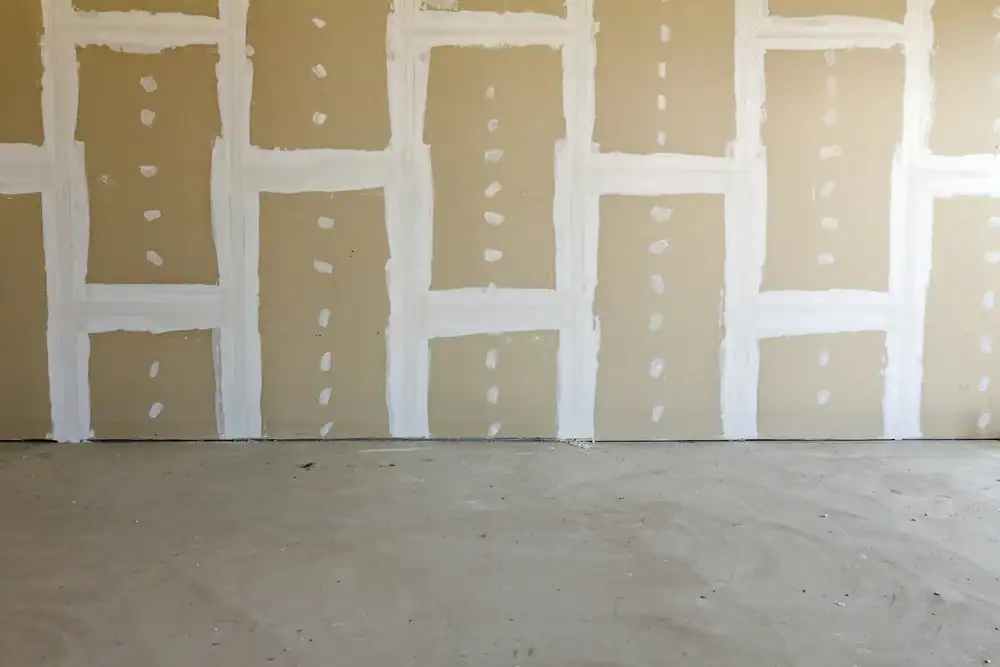
Joint compound typically needs 24 hours of dry time in Castor Gardens between coats, but that changes based on humidity, temperature, and how thick the application is. Rushing this step is where most repairs fail—if you put the next coat on before the previous one is fully cured, you’ll get cracking, shrinking, or a repair that never fully hardens.
In older Castor Gardens homes without modern climate control, dry time can extend during humid summer months or cold winter conditions. A thick application takes longer than a thin one, which is why proper technique means multiple thin coats instead of trying to fill everything at once.
Most standard repairs need three coats minimum—a first coat to fill the gap, a second to smooth and level, and a third for final finishing. Each one needs to cure completely before the next application. That’s why realistic timelines matter more than promises of same-day completion when the repair involves significant damage. You can’t cheat the dry time without compromising the final result.
Yes, but it requires understanding what texture was originally used and having the experience to replicate it. Castor Gardens homes from the 1930s through 1950s often have textures that aren’t common in new construction anymore—specific knockdown patterns, hand-troweled finishes, or plaster textures that were standard back then.
Matching texture is the difference between a repair that disappears and one you’ll notice every time you walk past it. It’s not just about slapping some texture on—it’s about matching the pattern, the depth, and the consistency of what’s already there. That takes practice and the right tools, not just a spray can from the hardware store.
We keep samples of common textures and test the match before we commit to the final application. If your walls have a specific finish that requires custom work, we’ll walk you through what’s involved. The goal is always the same: when we’re done, you shouldn’t be able to find the repair unless you know exactly where to look.
Water damage is the most common culprit in homes built during the 1940s and 1950s—old plumbing eventually fails, roofs develop leaks, and moisture finds its way into walls. Castor Gardens sits in an area where many homes share center walls in twin configurations, which can also lead to damage from settling or structural movement over time.
Doorknob holes, furniture impacts, and failed DIY repairs are the other usual suspects. Kids playing, moving furniture, or just decades of normal wear eventually create damage that needs professional attention. In older homes, you also see damage from outdated electrical work or plumbing updates where walls were opened and never properly finished.
The housing stock age matters because repairs need to account for how these homes were built. You’re not working with modern drywall in many cases—you might be dealing with plaster over lath, or early drywall installations that used different materials and methods than today’s standard. Understanding that context is what separates a repair that lasts from one that fails within a year.
Small repairs typically run $150-$300, medium repairs $300-$600, and larger jobs requiring multiple sheets of drywall start around $600 and go up from there. The actual cost depends on the damage size, location, texture matching complexity, and whether there’s water damage or mold that needs addressing first.
A simple patch where a doorknob punched through costs less than repairing a ceiling section with water damage that requires mold remediation and matching a specific texture. If the damage is in a hard-to-reach area or requires moving furniture, that factors in too. Homes in Castor Gardens with original plaster walls sometimes need more extensive work than standard drywall repairs.
We give you a clear quote upfront after seeing the damage in person. No surprise fees, no upcharges for things that should have been included from the start. The price we quote is what you pay, and we’ll explain exactly what’s included so you know what you’re getting. Most contractors in the Philadelphia area charge similar rates for quality work—if someone’s significantly cheaper, there’s usually a reason, and it’s rarely a good one.
Complete cleanup is included with every job. Drywall work creates fine dust that gets everywhere if you’re not careful, and joint compound drips and sanding debris can make a mess of your floors and furniture. We contain the work area as much as possible during the job and clean thoroughly when we’re finished.
That means vacuuming the dust, wiping down surfaces in the work area, removing all debris and materials, and leaving your space ready to use. You shouldn’t need to spend your time cleaning up after us—that’s part of doing the job right. We bring drop cloths to protect your floors and furniture, and we use dust containment methods that keep the mess from spreading through your house.
In Castor Gardens homes where living spaces are often connected and open, containing dust matters even more. We respect that this is your home, not a construction site, and we treat it accordingly. When we leave, the only evidence we were there is the repair itself—and if we did our job correctly, even that’s hard to spot.
A properly done repair should last as long as the surrounding drywall—decades if nothing damages it again. The repair itself isn’t a weak point if it’s done correctly with the right materials and proper technique. What causes patches to fail is rushing the process, using inferior materials, or not addressing the underlying cause of the damage.
If water damage caused the original problem and you don’t fix the leak, the repair will fail again. If the patch isn’t secured properly to studs or backing, it’ll crack or sag over time. If someone skips the primer before painting, the texture won’t match and the paint will look different. These aren’t drywall problems—they’re contractor problems.
We use mold-resistant drywall in areas prone to moisture, professional-grade joint compound that won’t shrink or crack, and proper fastening methods that prevent future issues. The finishing work gets the same attention as the structural repair because both matter for longevity. In Castor Gardens homes where you’re likely staying long-term based on the neighborhood’s owner-occupancy rate, you want repairs that last—not temporary fixes that need redoing in a few years.
Other Services we provide in Castor Gardens