That’s what matters when you’re dealing with holes, dings, or water damage. You don’t want a patch that shows through the paint six months later. You don’t want dust all over your furniture or a contractor who disappears halfway through.
What you want is someone who shows up on time, finishes the job in one visit, and leaves your space cleaner than they found it. That’s what drywall patching in Buckingham, PA should look like when it’s done by people who actually care about the result.
The wall gets patched with the right materials. Joint compound gets applied in layers that dry properly. Edges get feathered so there’s no ridge or bump. The surface gets sanded smooth, primed, and prepped so your paint goes on evenly without shadows or texture differences.
When the work’s finished, you shouldn’t be able to tell where the damage was. That’s the standard.
Sharpe Drywall has spent more than ten years serving homeowners across Bucks County. We’re locally owned, fully licensed and insured, and we built our reputation on showing up when we say we will and finishing jobs the right way.
Buckingham homeowners deal with the same frustrations everywhere else does: contractors who don’t return calls, handymen who won’t take small jobs, and DIY repairs that look worse than the original damage. We started this business because there was nowhere to turn for professional help on the repairs that actually matter to you.
We treat your home the way we’d treat our own. That means protecting your floors, cleaning up completely, and making sure the finished repair blends seamlessly with the rest of your wall. No shortcuts, no mess, no drama.
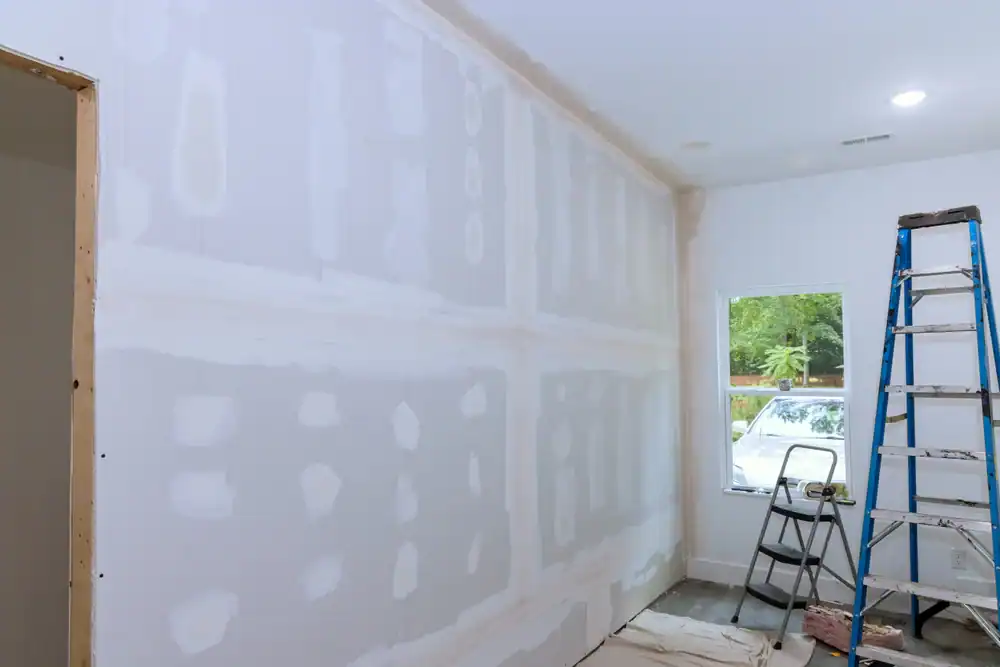
First, we assess the damage and prep the area. That means cutting away any loose or damaged drywall, cleaning the edges, and making sure the surface is ready for a solid repair. If there’s water damage or structural issues, we address those before patching.
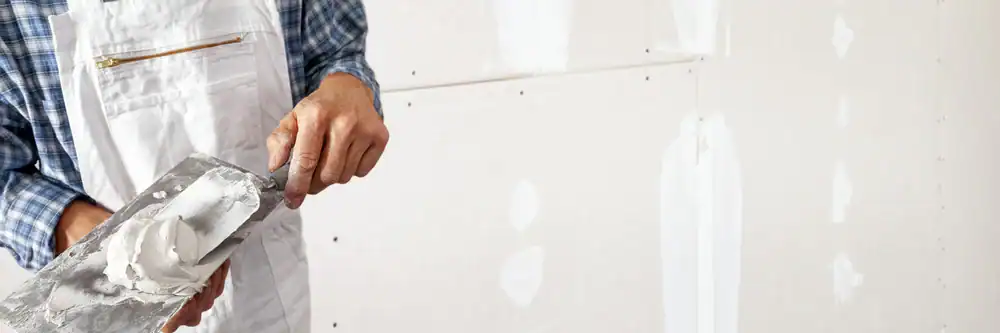
Next comes the actual patch. We cut a piece of drywall to fit the opening, secure it properly, and apply the first coat of joint compound. This isn’t about slapping mud on the wall and calling it done. The first coat needs to bond correctly and dry completely before we move forward.
After the dry time, we apply additional coats, feathering the edges so the repair blends into the surrounding wall. Each layer gets sanded smooth. We check the surface under different lighting to catch imperfections before they become problems.
Finally, we prime and prep the area for paint. If you want us to handle the painting too, we can do that. Otherwise, the surface is ready for you or your painter to finish. Before we leave, we clean everything: no drywall mud on your floors, no dust on your furniture, no debris left behind.
Ready to get started?
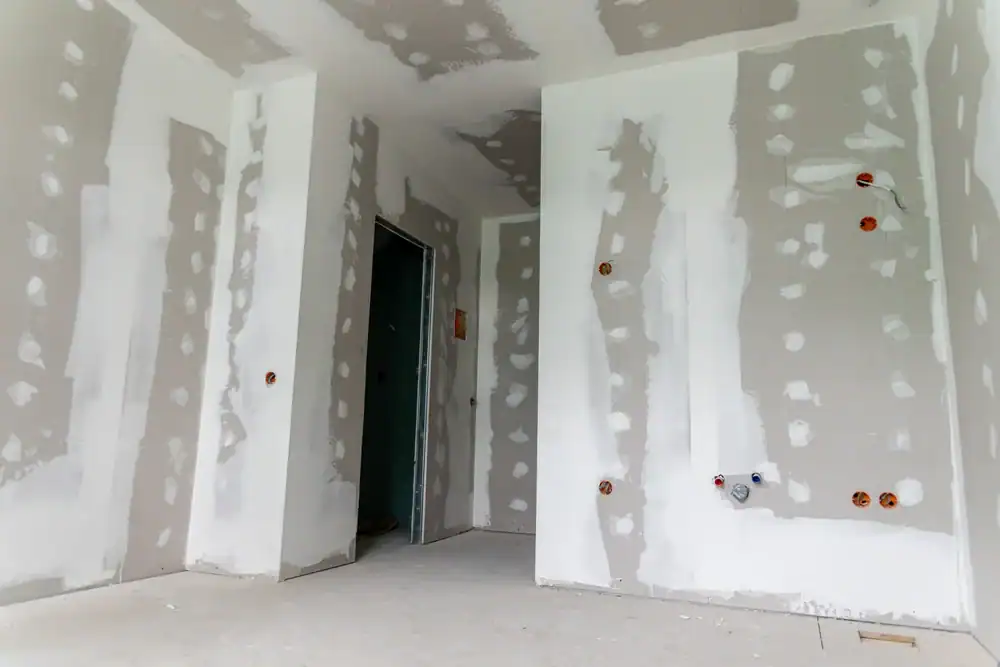
Every drywall patching job in Buckingham, PA includes complete surface preparation, proper application of joint compound, and finishing work that meets professional standards. We’re not just filling holes. We’re restoring your walls to their original condition.
Buckingham homes, especially older properties in established neighborhoods, often have unique textures or finishes that need to be matched. We take the time to get it right. Whether it’s a smooth Level 4 finish for a living room or a Level 5 skim coat for areas with critical lighting, we adjust our approach based on what your space actually needs.
You also get complete cleanup. That’s not optional or extra. It’s part of the job. We protect your floors and furniture before we start, contain dust during sanding, and remove all debris when we’re finished.
Most repairs get completed in one visit. Larger jobs might need a second trip after dry time, but we’ll tell you that upfront. No surprises, no hidden fees, no coming back three times because the work wasn’t planned properly.
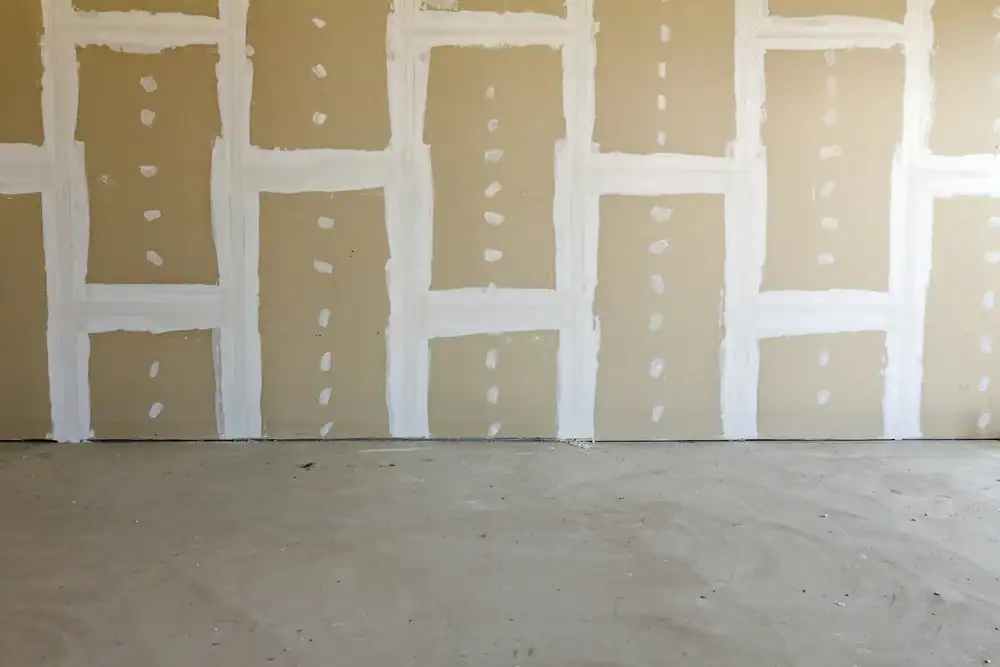
Dry time for joint compound typically runs 24 hours between coats under normal conditions. That’s the standard timeline for most drywall patching work in Buckingham, PA, where indoor humidity and temperature stay relatively consistent.
But dry time isn’t just about waiting. It’s about making sure each layer has fully cured before you add the next one. If you rush it, the compound can crack, shrink, or fail to bond properly. That’s how you end up with repairs that look fine initially but show problems later.
Weather and season affect dry time too. Higher humidity in summer can extend drying. Forced air heat in winter can speed it up but also cause cracking if the compound dries too fast. We adjust our approach based on conditions in your home, not just what the product label says.
Feathering the edges means gradually thinning out the joint compound as you move away from the patch toward the existing wall. Instead of a hard ridge where the repair stops, you create a smooth, gradual transition that disappears under paint.
This is what separates professional drywall patching from amateur work. If the edges aren’t feathered properly, you’ll see a bump or shadow even after painting. The repair becomes obvious, especially under angled lighting or natural light from windows.
We feather edges by applying thin layers of compound in progressively wider areas, then sanding carefully to blend everything together. It takes more time and skill than just filling the hole, but it’s the only way to get a truly seamless result. When we’re done, you shouldn’t be able to feel or see where the patch ends and the original wall begins.
Yes. Priming is essential after drywall patching, and skipping it causes more problems than it solves. Unpainted joint compound absorbs paint differently than the surrounding wall, which creates a visible difference in sheen and color even when you’re using the same paint.
Primer seals the porous surface of the drywall mud and creates a uniform base for your finish coat. Without it, you’ll see shadows, texture differences, or “flashing” where the patch shows through. You might need two or three coats of paint to hide it, and even then it might not look right.
We prime every patch before we consider the job finished. If you’re handling the painting yourself, make sure you use a quality primer rated for drywall. Let it dry completely before applying your finish paint. This extra step makes the difference between a repair that blends in and one that stands out.
Most drywall patching projects in Buckingham, PA run between $150 and $800 depending on the size and complexity of the repair. Small holes from doorknobs or picture hangers sit at the lower end. Larger repairs from water damage or structural issues cost more.
Pricing typically ranges from $1.50 to $3.50 per square foot for the actual patching work. But total cost also includes factors like how many holes need repair, whether texture matching is required, and if you need painting included. We provide clear estimates upfront so you know exactly what you’re paying before work starts.
The real cost isn’t just the repair itself. It’s what happens if the work isn’t done right. Cheap patches crack, show through paint, or need to be redone within months. That ends up costing more in time, materials, and frustration than hiring someone who does it correctly the first time.
Yes, texture matching is part of professional drywall patching, and it’s critical for repairs that need to blend seamlessly with the rest of your wall. Many homes in Buckingham have textured finishes like orange peel, knockdown, or skip trowel that need to be replicated for the patch to disappear.
Matching texture requires the right tools, materials, and technique. We assess your existing wall texture before starting the repair, then use the appropriate method to recreate it on the patched area. Sometimes that means using a specific roller, spray texture, or hand trowel technique.
The texture gets applied after the joint compound has dried and been sanded smooth. Once the texture is in place and dried, we prime the area so it’s ready for paint. When done correctly, the patched section should blend completely with the surrounding wall, both in texture and appearance. Most homeowners can’t tell where the repair was after we’re finished.
Drywall mud and joint compound are the same thing—just different terms for the material used to finish drywall seams and patches. The confusion comes from the fact that there are different types of joint compound, each designed for specific applications.
For patching work in Buckingham, PA, we typically use all-purpose joint compound for most repairs. It bonds well, sands smoothly, and works for everything from small holes to larger patches. For the final coat on premium finishes, we might use topping compound, which is formulated specifically for smooth finishing and easy sanding.
There’s also setting-type compound (often called “hot mud”) that hardens through a chemical reaction rather than drying. We use this for structural repairs or when we need a faster turnaround, since it sets in 20 to 90 minutes depending on the formula. Each type has its place, and using the right one for each stage of the repair is part of doing the job correctly.
Other Services we provide in Buckingham