
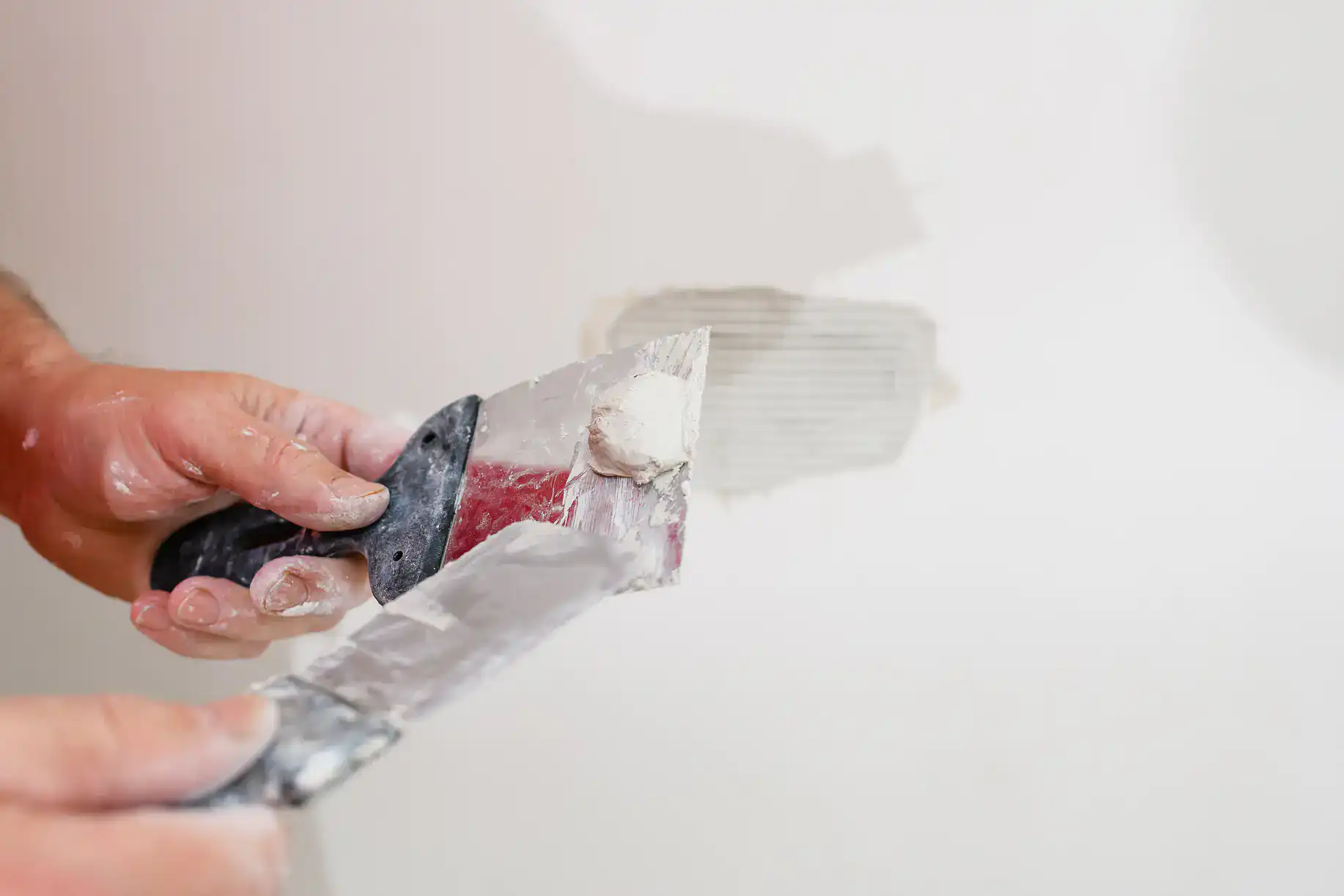
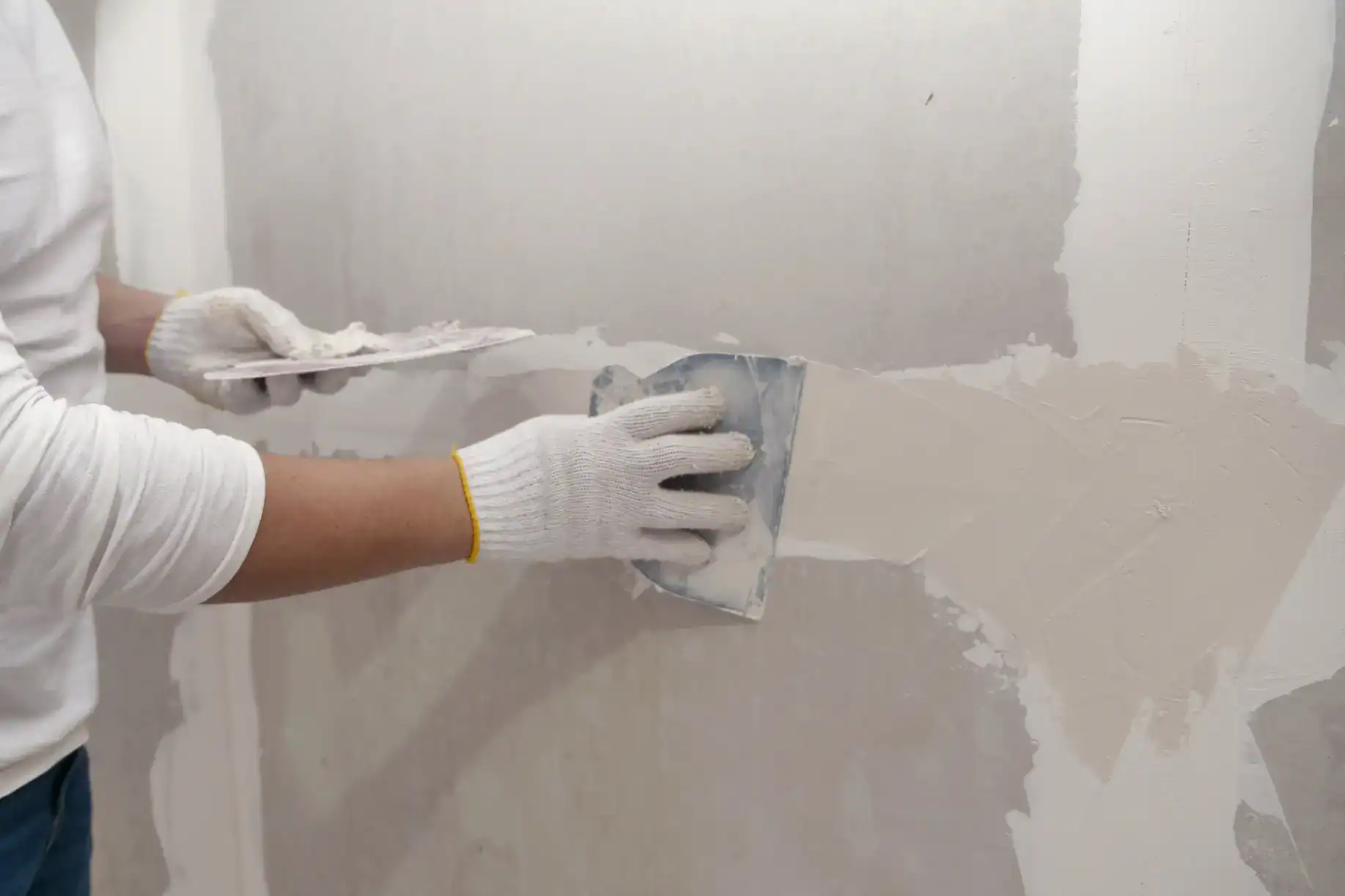
You’re not repainting in six months because seams are showing through. You’re not calling someone back to fix cracks that shouldn’t be there. You’re not dealing with bumps and ridges that catch the light wrong every time you walk past.
When drywall installation in Winchester Park is handled correctly from the start, your walls look smooth under any lighting. They stay that way through settling, through seasons, through the normal wear your home goes through. The finish holds up because the materials were right and the installation wasn’t rushed.
That’s what matters when you’re investing in your home. Not the cheapest quote. Not the crew that can start tomorrow but disappears next week. You want the work done once, done clean, and done so you don’t think about your walls again until you’re ready to change paint colors.
Sharpe Drywall exists because homeowners in Montgomery and Bucks County kept getting left with unfinished jobs, surprise charges, and walls that looked worse after the “pros” left. We decided to do it differently.
Every drywall installation in Winchester Park gets the same attention we’d give our own homes. That means proper materials, clean installation, and respect for your space and schedule. We’re licensed, insured, and we’ve been doing this for over ten years because we show up and finish what we start.
Winchester Park’s housing stock runs older—many homes built between 1940 and 1969—which means walls that have settled, plaster that’s failing, and renovation projects that need someone who knows how to handle both new construction and retrofit work. We handle both.
First, we look at your space and give you a fixed price. Not an estimate that changes when we’re halfway done. A price that covers materials, labor, and cleanup.
Then we prep the area and protect your floors and furniture. Drywall work creates dust, but that doesn’t mean your entire house needs to look like a construction zone. We hang the sheets, making sure they’re secured properly to studs and framing. This step matters more than most people realize—poor hanging is why you get popped nails and cracks later.
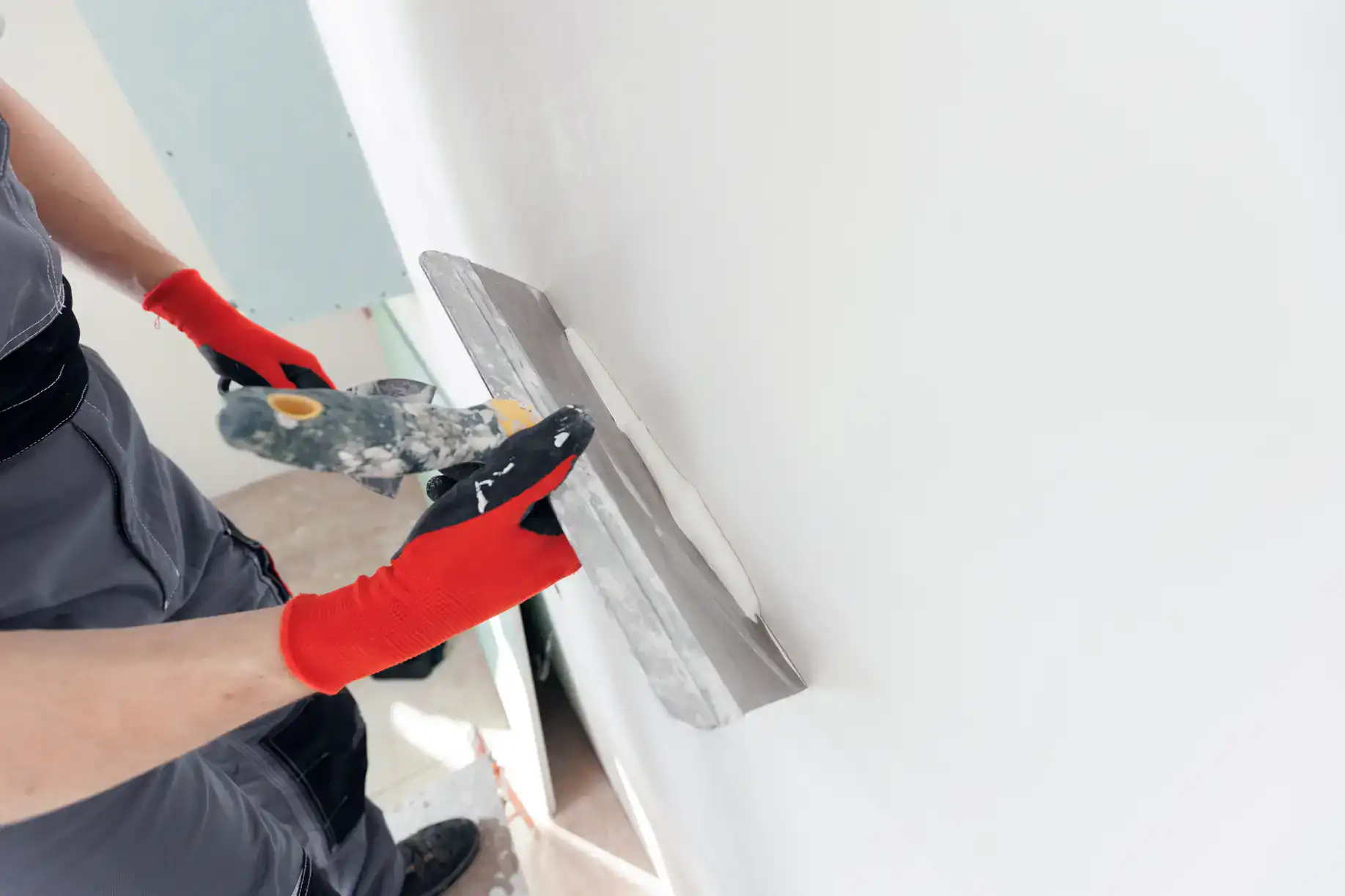
Next comes taping and mudding. This is where you see the difference between a rushed job and one done right. We apply joint compound in layers, letting each dry properly before the next goes on. Then we sand everything smooth and inspect under critical lighting to catch any imperfections before you do.
Finally, we clean up completely. No mud on your floors. No dust coating your furniture. No debris left in your yard. You’re left with walls ready for primer and paint.
Ready to get started?
You get full sheetrock installation from bare studs to finished surface. That includes hanging, taping, mudding, and sanding to your specified finish level. Most residential projects use Level 4 finish, which is smooth enough for flat paint and standard lighting. If you’re doing high-gloss paint or have lighting that hits walls at harsh angles, Level 5 gives you that extra skim coat.
Materials are included in your quote—no surprise charges for screws, tape, or compound. We use quality drywall appropriate for each space. Standard sheets for most rooms. Moisture-resistant for bathrooms and basements. Fire-rated where code requires it.
In Winchester Park, where the median home value sits around $250,000 and most homeowners plan to stay long-term, you’re not just patching walls to flip a property. You’re improving a home you live in. That means the work needs to hold up, look right, and not become a maintenance problem. The average cost to install drywall in the Philadelphia area runs $2.26 to $2.69 per square foot, and that includes everything—materials, labor, and finishing. Your actual cost depends on room size, ceiling height, and finish level, but you’ll know the number before we start.
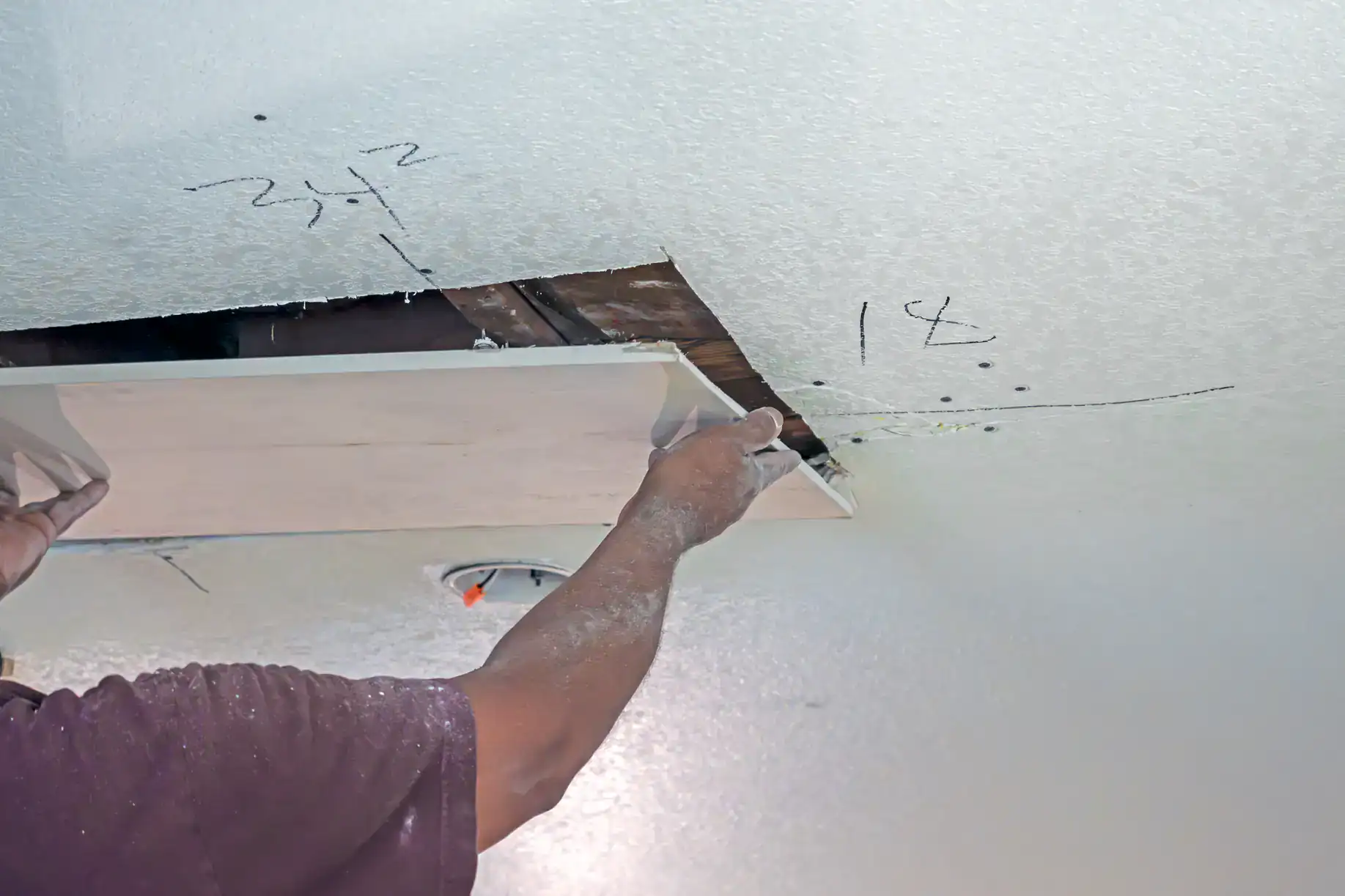
Professional drywall installation in Winchester Park typically runs between $1.50 and $3.50 per square foot, including materials and labor. That range covers everything from basic hanging and finishing to premium Level 5 skim coat finishes.
For a standard 12×12 bedroom, you’re looking at roughly 500 square feet of drywall when you include walls and ceiling. At average rates, that’s $1,130 to $1,750 for complete installation and finishing. Larger projects like finishing a basement or adding a room addition will cost more, but the per-square-foot rate often drops slightly on bigger jobs.
The final number depends on a few factors: ceiling height, number of corners and cuts, finish level you want, and whether we’re working with new construction or retrofit. Retrofit work in older Winchester Park homes sometimes takes longer because we’re working around existing structures, dealing with out-of-plumb walls, or matching textures. You’ll get a fixed price upfront that covers all of this, so there’s no guessing what the final bill looks like.
A single room usually takes two to three days from start to finish. That’s hanging, taping, multiple coats of mud with dry time between each, sanding, and final inspection. Rushing this process is how you end up with visible seams and cracks later.
Larger projects like whole-home drywall or basement finishing take longer—typically one to two weeks depending on square footage and complexity. Each coat of joint compound needs time to dry properly before the next application. We can’t speed up physics, and trying to is how bad contractors deliver poor results.
Most of the timeline is driven by drying time, not labor hours. We’re not on site for eight hours a day for three days straight. We apply a coat, let it dry overnight, come back and apply the next. This is normal and necessary for quality work. If someone tells you they can finish a full room in one day including all coats and sanding, they’re either lying or planning to deliver subpar work.
Yes, for bathrooms, laundry rooms, and basements. Moisture-resistant drywall (often called green board or purple board) has a treated core and facing that resists mold growth and holds up better in humid conditions.
Standard drywall absorbs moisture, and in spaces where humidity is consistently higher, that leads to mold, sagging, and deterioration. Winchester Park’s climate means basements especially need moisture-resistant materials. Many homes here were built before modern moisture barriers were standard, so basements can be damp even without active water issues.
The cost difference is minimal—usually $2 to $5 more per sheet than standard drywall—but the protection is significant. For bathroom walls around tubs and showers, some building codes actually require moisture-resistant or cement board backing. Even where it’s not required, it’s the right choice. You’re already investing in the installation labor; spending slightly more on appropriate materials protects that investment.
Level 4 is the standard finish for most residential spaces. All joints and fasteners are taped, coated with joint compound, and sanded smooth. It’s ready for flat or eggshell paint and looks good under normal lighting conditions.
Level 5 adds a final skim coat of compound over the entire surface, not just the seams. This creates a completely uniform texture and hides any minor imperfections that might show under harsh or angled lighting. You want Level 5 in rooms with large windows, high-gloss paint, or dramatic lighting fixtures that hit walls at severe angles.
The cost difference is about 30-50% more than Level 4 because it requires additional material and labor. For most Winchester Park homes, Level 4 works fine in bedrooms, living rooms, and hallways. Level 5 makes sense in master bathrooms with big mirrors and bright lighting, or in living rooms with floor-to-ceiling windows. It’s not about one being “better”—it’s about matching the finish level to how the space will be lit and painted.
Yes, though it takes more skill than smooth finishing. Many Winchester Park homes built in the 1940s through 1960s have textured plaster or older drywall with knockdown, orange peel, or popcorn textures. Matching these during repairs or additions requires the right tools and experience.
We analyze the existing texture pattern, mix compound to the right consistency, and apply it using the same technique that created the original. Sometimes that’s a specific spray pattern. Sometimes it’s hand-troweled. Sometimes it’s a combination. Getting it right means the repair blends in instead of standing out as an obvious patch.
This matters more in Winchester Park than in newer developments because you’re often adding to or repairing homes with decades-old finishes. If you’re opening a wall to add wiring or plumbing, you want the repair to disappear into the surrounding surface. That’s harder than it sounds, and it’s where experience separates contractors who know what they’re doing from those who don’t. We’ve matched everything from smooth plaster to heavy knockdown, and we don’t leave until the repair blends in.
We handle both. Drywall repair is actually a significant part of what we do in Winchester Park because the housing stock runs older and settling, plumbing issues, and normal wear create damage over time.
Small repairs—holes from doorknobs, popped nails, hairline cracks—usually get fixed in one visit. We cut out damaged sections, patch with new material, tape and mud the seams, sand smooth, and match any existing texture. Most repairs like this are done in a few hours, though the compound needs to dry before you can paint.
Larger repairs—water damage, large holes, multiple rooms with cracking—take longer and sometimes require addressing the underlying cause before we fix the surface. If your drywall is cracking because of foundation settling or a roof leak, patching the drywall without fixing the source just means you’ll be calling us back in six months. We’ll tell you if there’s a bigger issue that needs attention first. That’s not upselling—that’s making sure the repair actually lasts.
Other Services we provide in Winchester Park