
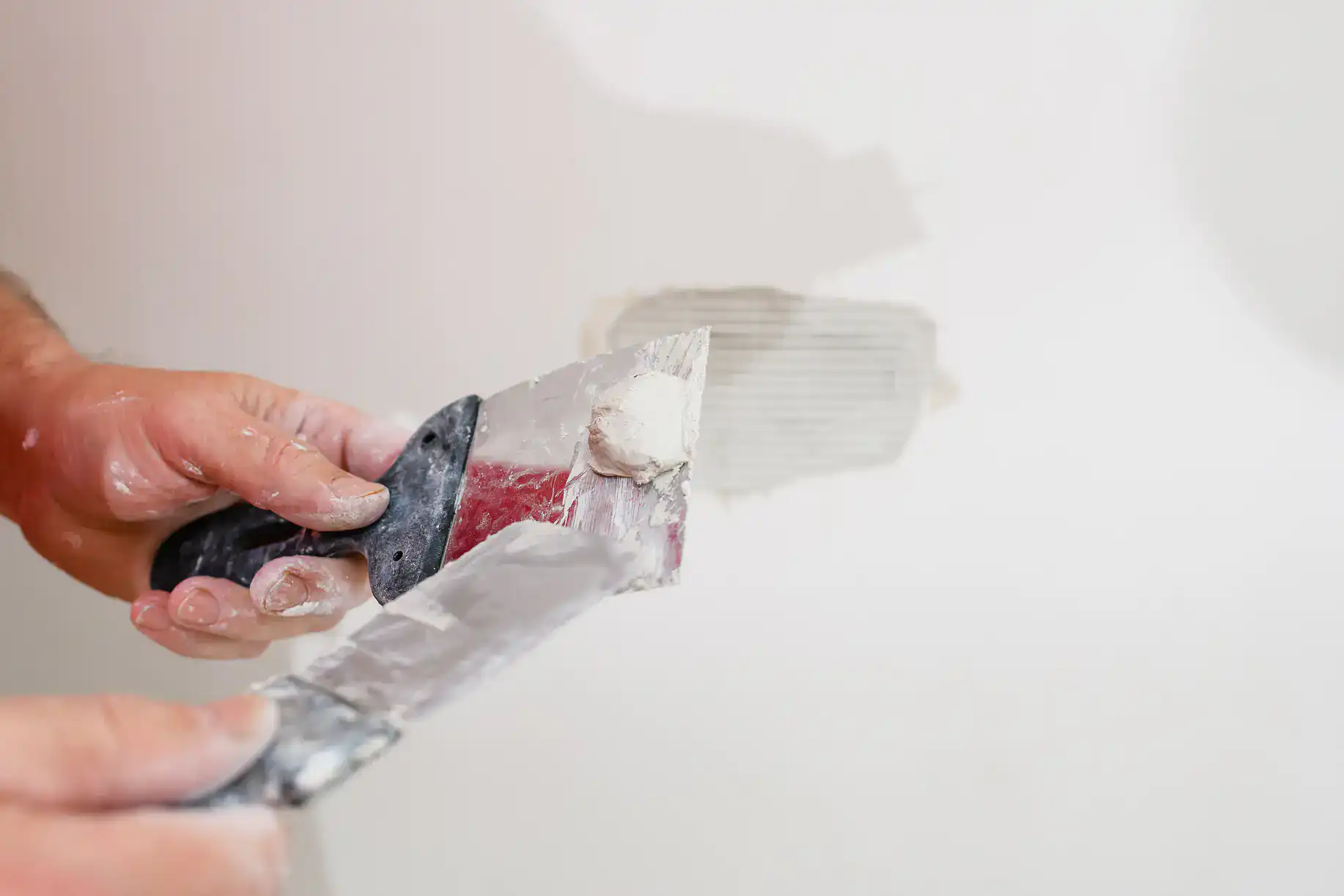
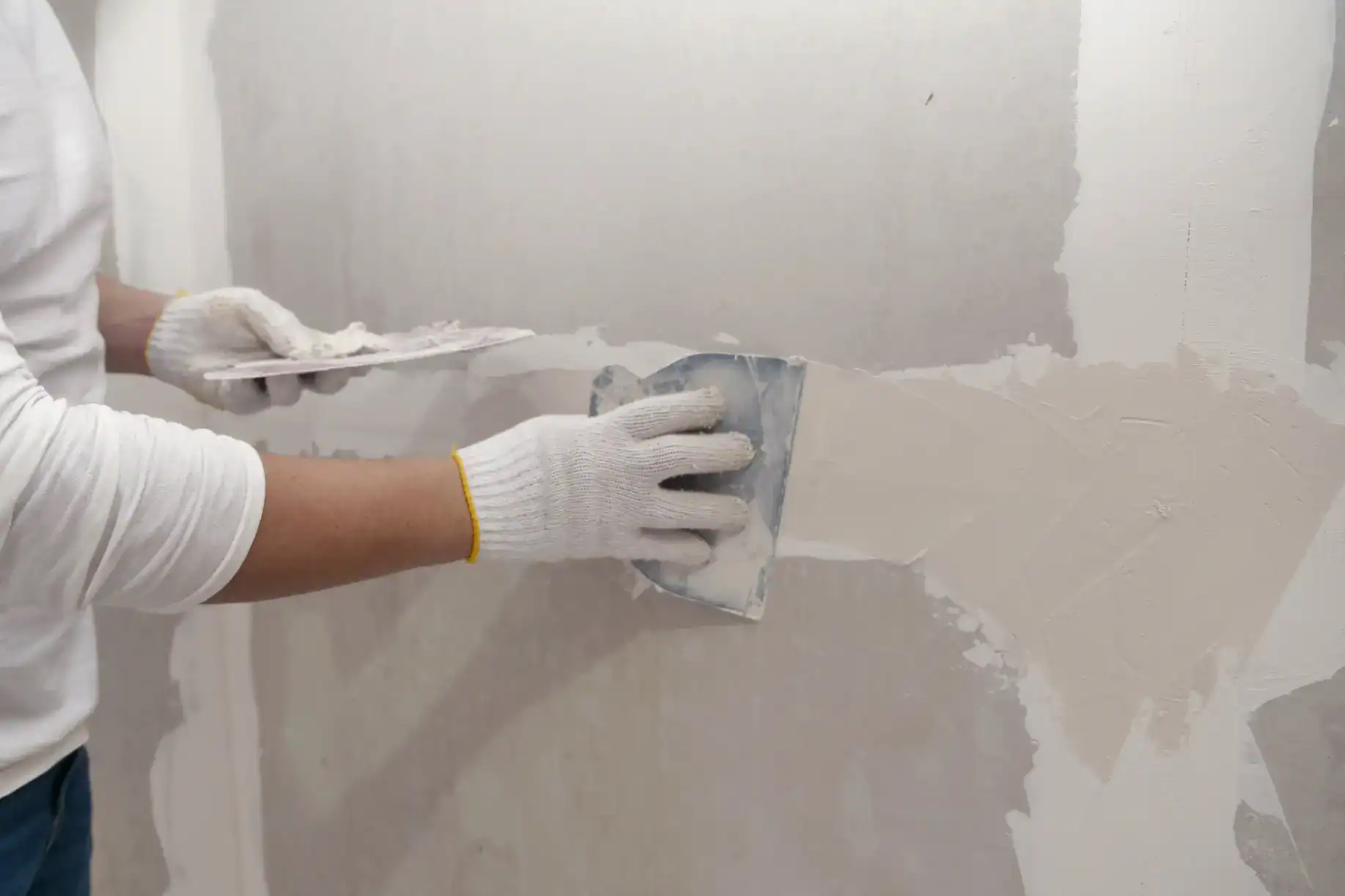
Your walls should be smooth enough that paint glides on without showing seams, gaps, or patches. That’s the standard when you’re installing drywall the right way—not rushing through it to get to the next job.
You’re not looking for the cheapest drywall installer in West Parkside, PA. You’re looking for someone who won’t leave dust in your vents, won’t ghost you halfway through, and won’t charge you extra for things that should’ve been included from the start.
When the work’s finished, you should be able to run your hand across the wall and feel nothing but smooth surface. No ridges. No gaps you could fit a coin through. Just clean, professional drywall installation that’s ready for whatever finish you’re planning—paint, texture, or wallpaper.
Sharpe Drywall exists because too many Montgomery and Bucks County homeowners were dealing with contractors who didn’t finish jobs, left messes, or delivered work that looked fine until the paint went on. We’re locally owned, fully licensed and insured, and we’ve built our reputation on doing what we say we’ll do.
West Parkside homes deserve better than crews who disappear mid-project or quote one price and charge another. We live in the communities we serve, so our reputation isn’t just online—it’s at the hardware store, the coffee shop, and everywhere else locals talk.
Every drywall installation gets the same attention we’d give our own homes. That means proper materials, clean work, and respect for your space and your schedule.
First, we walk the space with you and measure everything. You get a quote that includes materials, labor, and cleanup—no surprises later. If you’re wondering about the cost to install drywall in West Parkside, PA, we’ll break it down by square footage so you know exactly what you’re paying for.
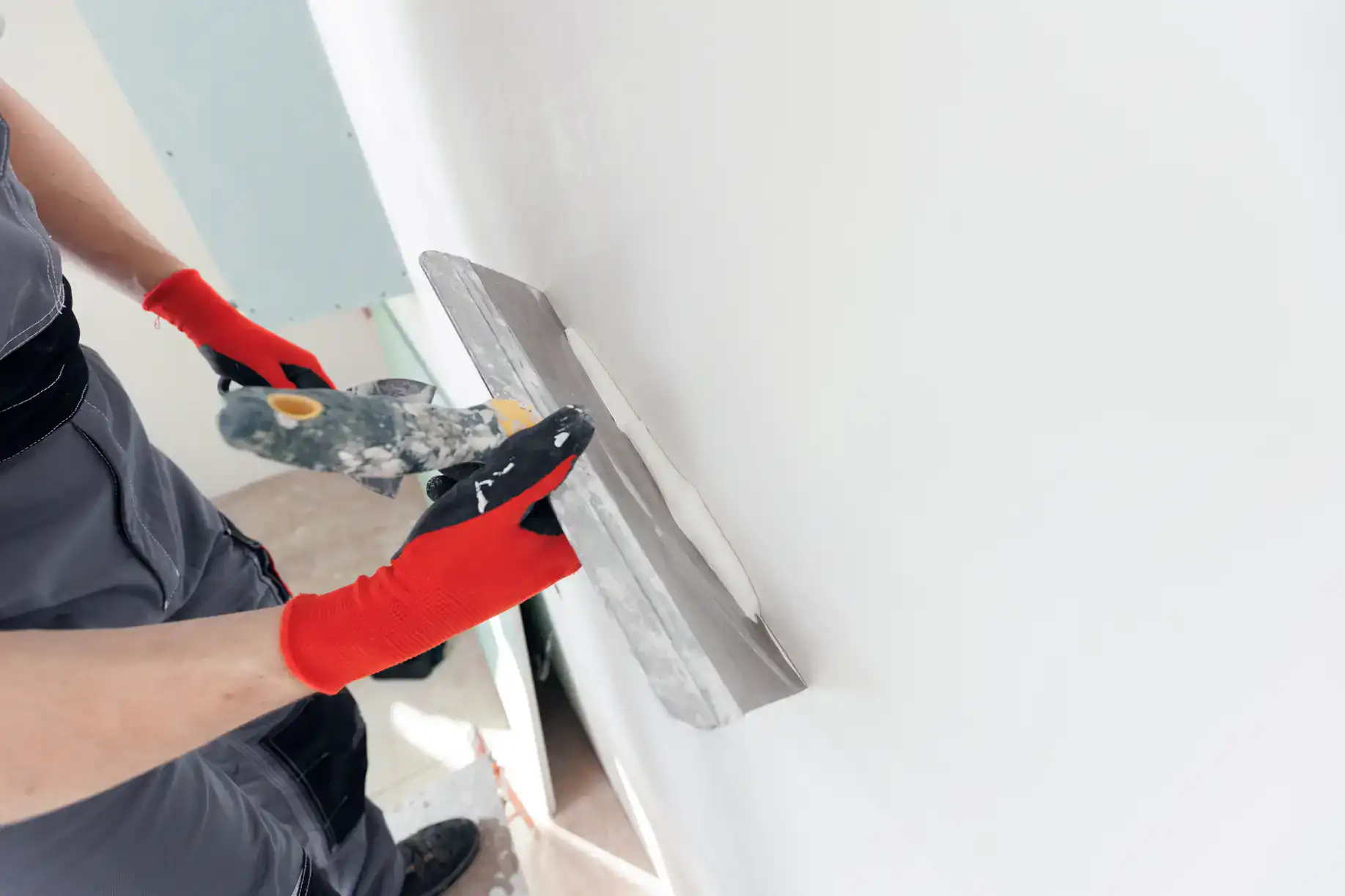
Once we start, we hang the drywall, tape the seams, and apply multiple coats of joint compound. Each coat gets sanded smooth before the next one goes on. This is where cheaper contractors cut corners—they rush the mud, skip sanding, or don’t let it cure properly. We don’t.
When we’re done, we clean up completely. That means sweeping, vacuuming, and removing all debris. You shouldn’t have to deal with drywall dust in your home after paying someone to do professional work. Most jobs wrap up in a few days, depending on size, and you’re left with walls that are ready for whatever comes next.
Ready to get started?
You’re getting licensed, insured drywall installers who use premium materials designed for durability and moisture resistance. We’re not buying the cheapest sheets at the supply house—we’re using products that hold up in West Parkside’s climate and won’t crack or sag over time.
The average cost to install drywall in the Philadelphia area runs between $0.90 and $2 per square foot, depending on the scope and finish level. Our quotes include everything: materials, labor, taping, mudding, sanding, and cleanup. No add-ons. No “we didn’t realize” fees halfway through.
West Parkside homeowners are dealing with the same supply chain issues everyone else is—steel and gypsum shortages have pushed material costs up about 15% in the last year. We’re upfront about that. But we also build time into every job so we’re not rushing to meet an unrealistic deadline. You’d rather have it done right than done fast, and so would we.
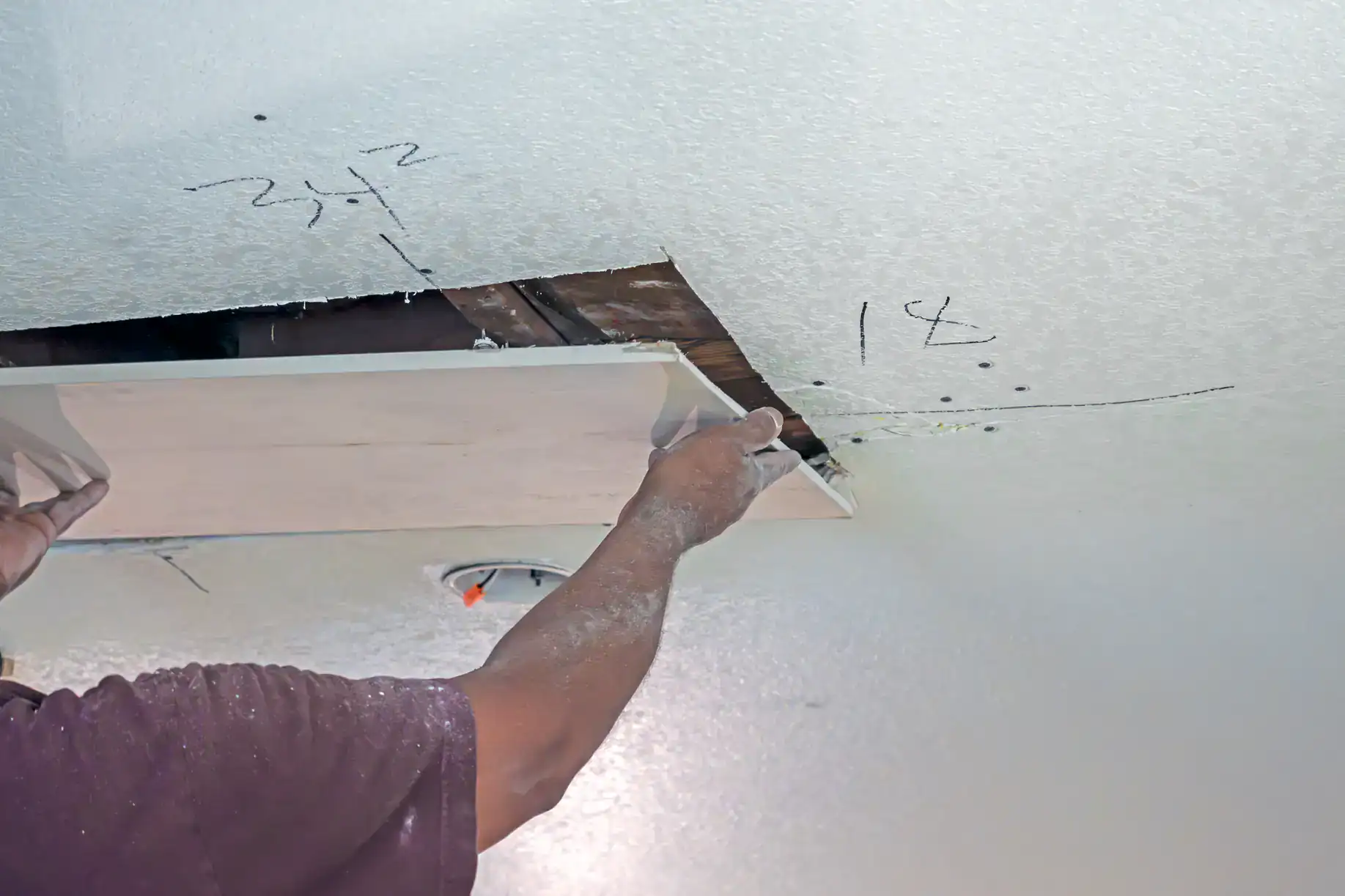
Most residential drywall installation in West Parkside, PA costs between $0.90 and $2.00 per square foot, depending on the size of the job, ceiling height, and finish level you’re after. A standard room might run $600 to $1,200, while a full basement or addition can range from $2,000 to $5,000 or more.
That price includes hanging the drywall, taping and mudding the seams, sanding everything smooth, and cleaning up when we’re done. If you’re comparing quotes, make sure you’re comparing the same scope—some contractors lowball the estimate and then add charges for things like corner bead, texture, or debris removal.
Material costs have gone up in the last year due to gypsum and steel shortages, so if a quote seems way lower than everyone else’s, it’s worth asking what’s not included. We give you one price upfront that covers the full job, so there’s no confusion later.
A single room usually takes two to three days from start to finish, depending on size and whether we’re doing walls, ceilings, or both. Day one is hanging the drywall. Day two is taping and applying the first coat of joint compound. Day three is sanding, applying the final coat, and cleaning up.
If you’re doing multiple rooms or a larger space like a basement, the timeline stretches out proportionally. We don’t rush the mud—it needs time to dry between coats, and if you skip that step, you’ll see cracks and seams later. Some contractors try to finish in one day by using hot mud or skipping coats. That’s not how you get a smooth finish.
Weather and humidity can affect drying times, especially in West Parkside’s more humid months. We build that into the schedule so we’re not leaving you with a half-finished job while we wait for things to cure.
The difference shows up after the paint goes on. Cheap drywall jobs have visible seams, uneven surfaces, and gaps at the corners. You’ll see ridges where the tape is, or dimples where screws weren’t set right. Quality drywall installation looks completely smooth—no lines, no bumps, nothing that catches the light wrong.
It comes down to how many coats of mud get applied, how well each coat is sanded, and whether the installer is using the right materials. Cheaper contractors use fewer coats, skip sanding, or rush the drying process. They might use lower-grade drywall that’s more prone to cracking or sagging over time.
You’re also paying for cleanup and professionalism. A cheap job leaves dust everywhere, damages your floors, and might involve crews that don’t show up when they say they will. A quality job respects your home and your time. You shouldn’t have to repaint a year later because the seams are showing through.
If you’re just replacing damaged drywall in an existing room, you typically don’t need a permit in West Parkside, PA. But if you’re finishing a basement, adding a new room, or doing structural work that involves moving walls, you’ll need permits and inspections.
Philadelphia and Montgomery County have strict building codes, and drywall work that’s part of a larger renovation usually requires a permit to make sure everything meets fire and safety standards. If you’re finishing a basement, for example, the inspector will want to see that electrical and plumbing are up to code before the drywall goes up.
We handle this kind of thing regularly and can tell you upfront whether your project needs a permit. If it does, we’ll make sure the work is done to code so it passes inspection the first time. Skipping permits might save money in the short term, but it’ll cost you more if you ever sell the house and the buyer’s inspector flags unpermitted work.
Yes, but it takes the right tools and experience to make it look seamless. If your existing walls have an orange peel, knockdown, or popcorn texture, we can replicate it so the repair blends in with the surrounding area. The key is matching the spray pattern and density so you can’t tell where the old wall ends and the new patch begins.
This is harder than it sounds. Texture guns and techniques vary, and what looks close when it’s wet can look completely different once it dries and gets painted. We test the pattern on scrap material first to make sure it matches before we apply it to your wall.
If your home was built before the 1980s and has popcorn ceilings, there’s a chance it contains asbestos. We don’t remove or disturb popcorn texture without testing it first. If it tests positive, you’ll need an asbestos abatement specialist before any drywall work can happen. It’s not worth the risk to skip that step.
Clear the room as much as possible—move furniture, take down wall hangings, and remove anything fragile or valuable. Drywall work creates dust no matter how careful we are, so the less stuff in the space, the easier cleanup will be for everyone.
If we’re working in a finished area of your home, we’ll use plastic sheeting to seal off doorways and vents to keep dust from spreading. But it’s still a good idea to cover any furniture that’s staying in the room. If you have pets, plan to keep them in a separate area during the work—open doors, loud noises, and unfamiliar people can stress them out.
Make sure we have clear access to the work area and a place to stage materials. Drywall sheets are heavy and awkward to move, so we’ll need a path from the truck to the room that doesn’t involve tight corners or narrow hallways if possible. If there’s anything we need to know about your home—low ceilings, tricky angles, old plaster walls—let us know upfront so we can plan accordingly.
Other Services we provide in West Parkside