
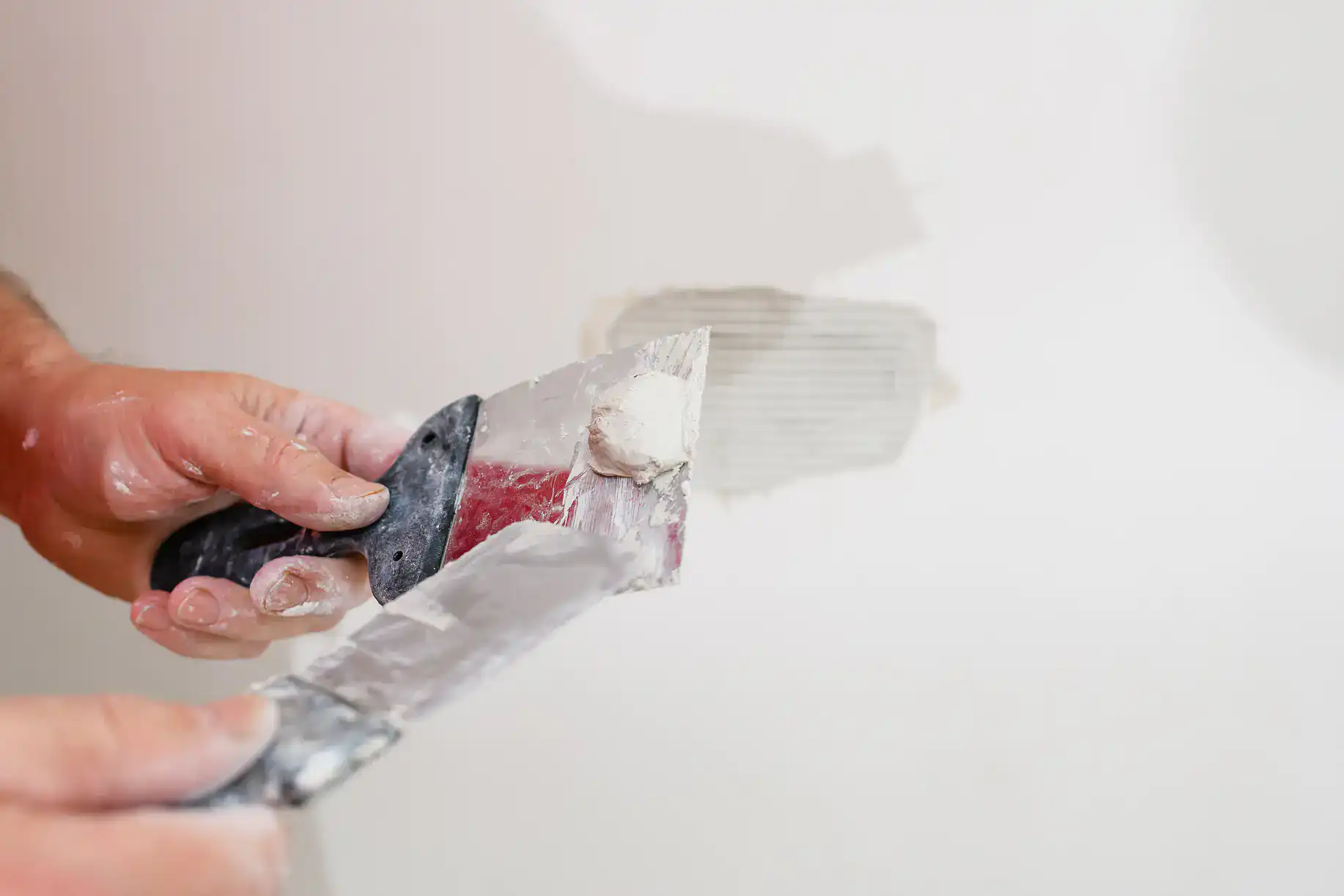
You’re not paying for drywall installation just to have walls. You’re paying to avoid the headaches that come with poor workmanship.
When panels are hung correctly, joints taped properly, and finishing done with precision, you get walls that stay smooth for years. No nail pops showing up six months later. No visible seams catching light from your windows. No cracks forming because someone rushed the mud work or didn’t account for how your home settles.
The difference shows up when you’re ready to paint. Your painter isn’t calling you with bad news about uneven surfaces or joints that need rework. You’re not repainting every few years because the original installation was subpar. You’re living in a home that looks finished and stays that way.
Most drywall projects in Richboro homes wrap up in one to three days, depending on square footage. But the real timeline that matters is how long those walls look good. That’s where proper installation pays off. You want walls you can forget about because they’re doing their job without demanding your attention or your wallet.
We work throughout Richboro and surrounding Bucks County communities. We’re licensed, insured, and familiar with the mix of older established homes and newer construction in this area.
Older Pennsylvania homes come with their own challenges. Uneven framing, plaster walls, non-standard dimensions. We’ve handled enough projects in Bucks County to know what to expect when we walk through your door. That experience means fewer surprises and better results.
Your home is part of a community where reputation matters. When your neighbors ask who did your work, you’ll have an answer you feel good about. We show up when scheduled, communicate clearly throughout the project, and clean up completely when finished.
Every installation starts with measurement and planning. We assess your space, account for outlets and fixtures, and calculate exactly what materials you need. No guessing, no running short mid-project.
Next comes protection and prep. We cover your floors and furniture because drywall work creates dust. Our crews use dust-containment methods that keep the mess contained to the work area. You’re not finding drywall dust in your kitchen three weeks later.
Then we hang the panels. Each sheet gets positioned precisely, fastened with proper screw spacing, and checked for level. Corners get special attention because that’s where poor installation shows up first. We stagger joints to prevent weak points and ensure long-term stability.
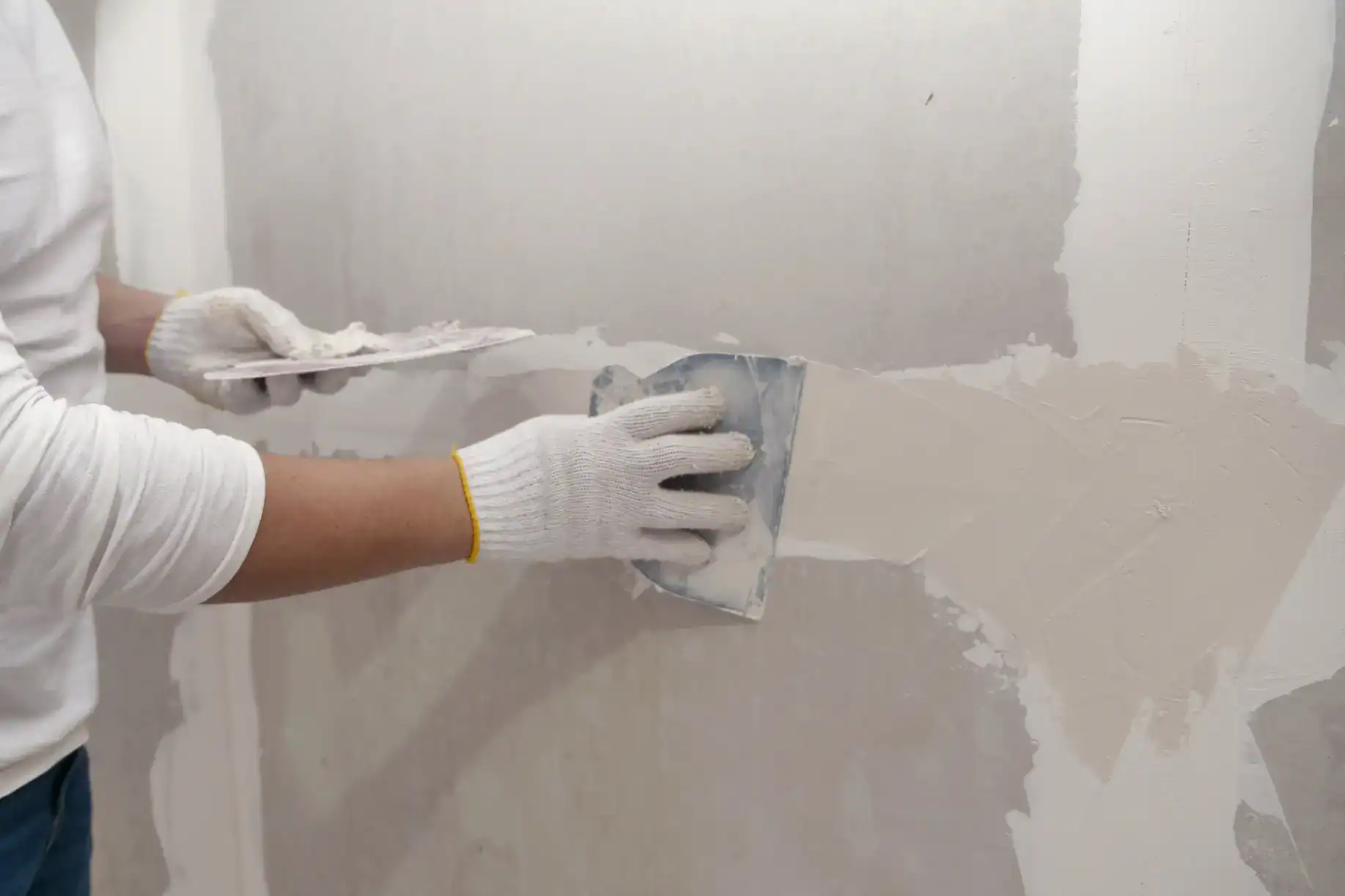
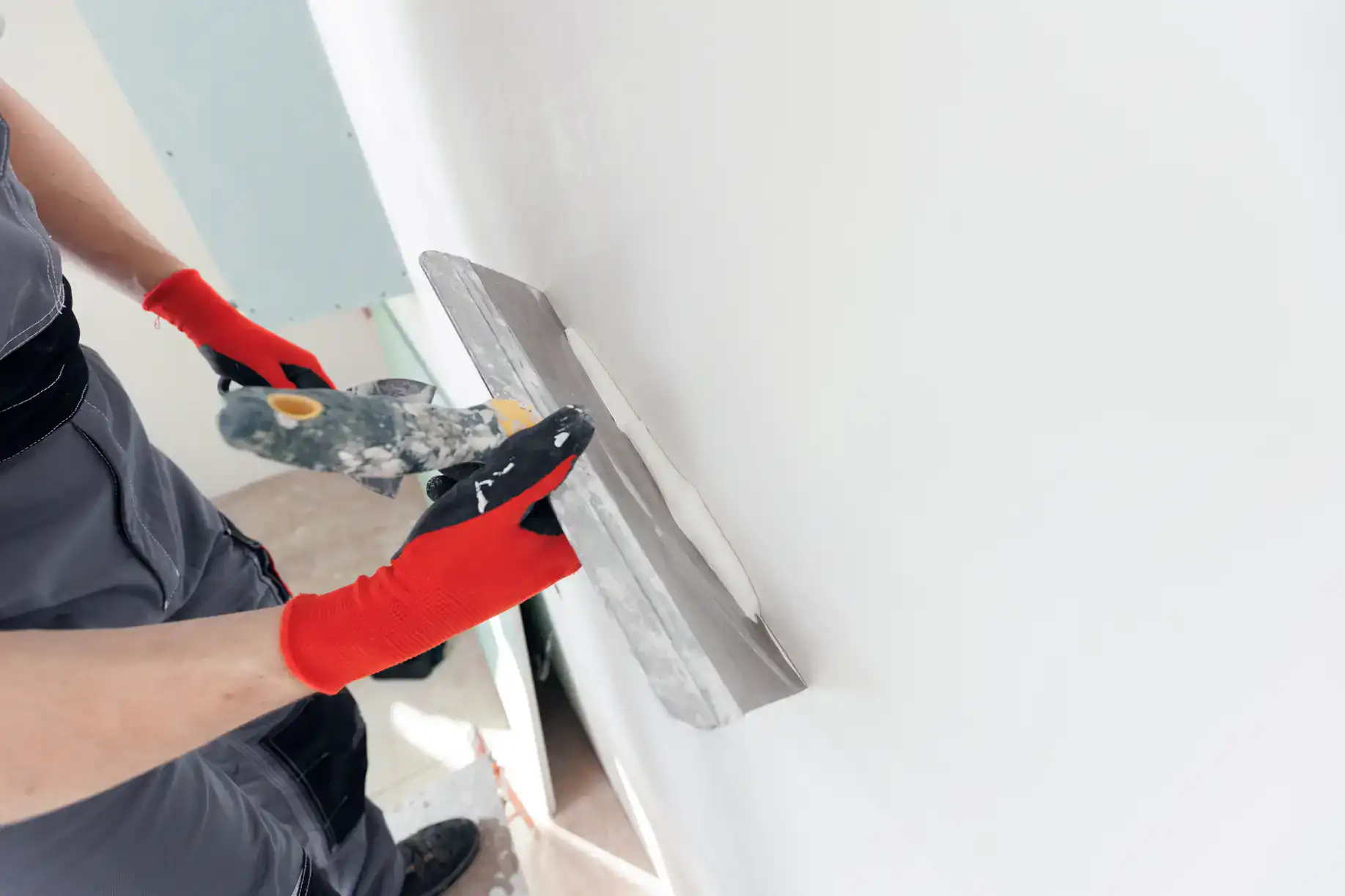
The finishing process takes multiple steps. First coat of joint compound covers seams and fasteners. After it dries, we sand smooth and apply a second coat. Sometimes a third coat is necessary for that seamless look. Each layer gets sanded carefully before the next goes on. Final inspection catches any imperfections before we call it complete.
Cleanup is part of the job, not an afterthought. We remove all debris, vacuum the work area, and leave your home ready for the next step, whether that’s priming, painting, or just moving back in.
Ready to get started?
The cost to install drywall in Richboro typically runs between $1.50 and $3 per square foot, including materials and labor. A standard 12×12 room usually falls in the $580 to $1,800 range, depending on ceiling height, room complexity, and finish level you’re after.
Those numbers include the panels themselves, joint compound, tape, fasteners, and labor for hanging and finishing. What you’re really paying for is the skill that makes those materials turn into smooth, lasting walls. Philadelphia-area pricing tends to run higher than national averages because of labor costs and local building requirements, but you’re also getting crews who understand regional building codes and common issues specific to Bucks County homes.
Here’s what matters more than the per-square-foot number: what’s covered in that estimate. Some contractors quote low and add charges later for prep work, cleanup, or additional coats of mud. We give you upfront pricing that covers the complete job. You know what you’re paying before work starts.
Moisture-resistant drywall costs slightly more but makes sense for bathrooms, laundries, and basements. Fire-rated panels are sometimes required by code depending on your project. We’ll walk you through what your specific situation requires and why, so you’re making informed decisions rather than just nodding along to recommendations you don’t understand.
Timing affects your project too. Most residential installations finish within one to three days. Larger spaces or complex layouts take longer. We’ll give you a realistic timeline upfront, not an optimistic guess that leaves you wondering when your house goes back to normal.
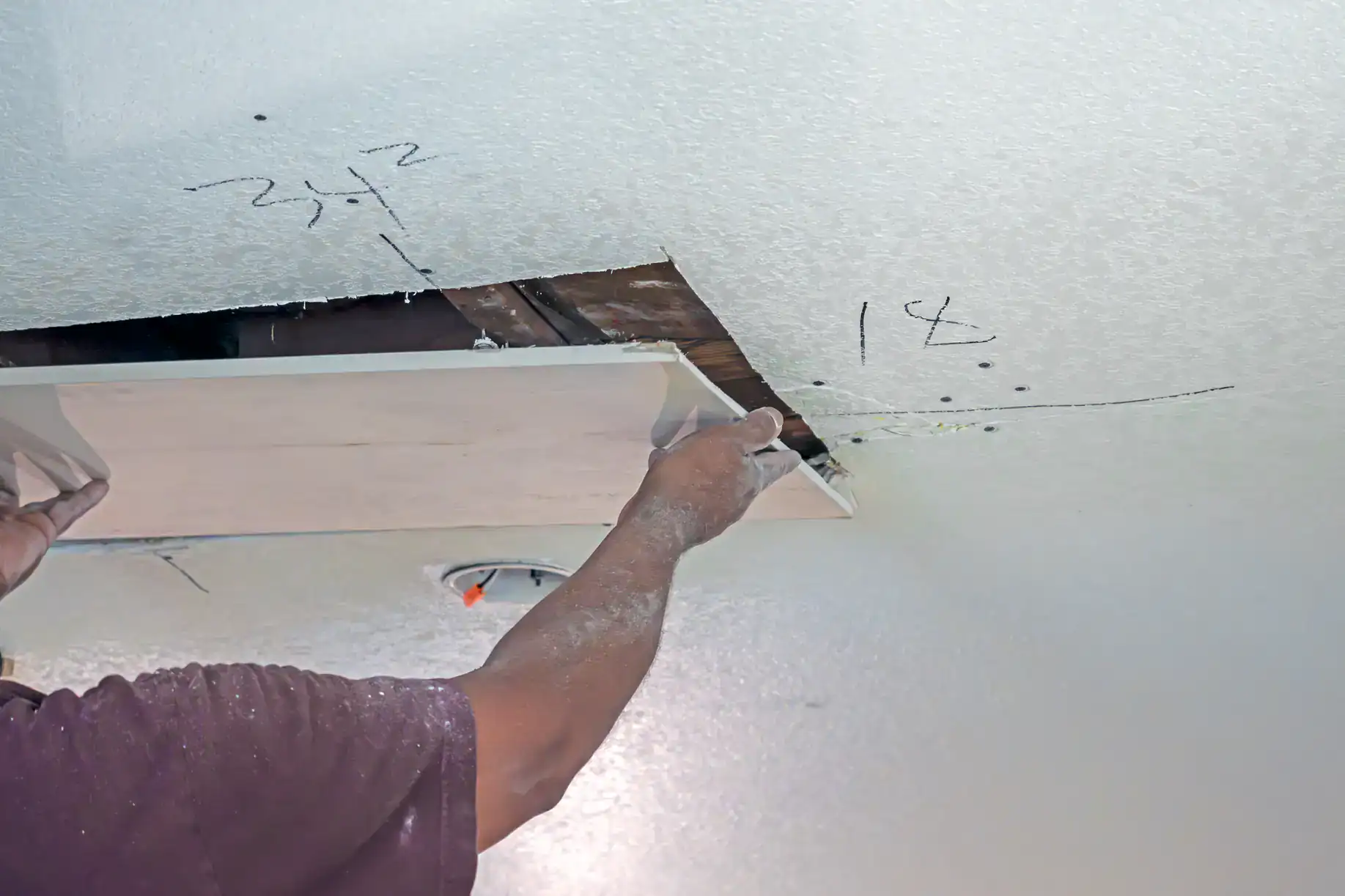
Most homeowners in Richboro pay between $1.50 and $3 per square foot for complete drywall installation, which includes materials, labor, hanging, taping, mudding, and finishing. For a standard 12×12 bedroom, you’re looking at roughly $580 to $1,800 depending on ceiling height and the level of finish you need.
The total cost depends on several factors specific to your project. Room size obviously matters, but so does complexity. A simple rectangular room costs less per square foot than a space with multiple corners, angles, or ceiling details. Ceiling height affects both material and labor costs since higher walls require more panels and additional setup time.
The type of drywall you choose impacts pricing too. Standard half-inch panels work fine for most interior walls. Moisture-resistant drywall costs more but prevents problems in bathrooms and basements. Fire-rated panels are sometimes required by code for garages or shared walls. We’ll explain what your situation requires so you’re not paying for upgrades you don’t need or skipping protection that matters.
Most residential drywall installation projects in Richboro wrap up in one to three days, depending on the size of the space and the complexity of the work. A single room might be done in a day. A whole-house project after renovation takes longer.
The timeline breaks down into distinct phases. Hanging the panels usually goes quickly—a skilled crew can cover a lot of square footage in a few hours. The finishing work takes more time because joint compound needs to dry between coats. We typically apply two to three coats, with drying time in between. Rushing this phase leads to visible seams and poor results.
Weather and humidity affect drying times. In humid conditions, compound takes longer to dry properly. We won’t move to the next step until the previous coat is ready. That patience is what separates a good installation from one that looks amateur. You’ll get a realistic timeline before we start, and we’ll keep you updated if anything changes. Most homeowners are surprised how quickly the actual work moves once we’re on site.
The difference shows up in three places: how it looks when finished, how long it lasts, and how much fixing it requires later. Hanging drywall looks straightforward on YouTube, but small mistakes create big problems.
Professional installers know proper screw spacing, how to avoid overdriving fasteners, and why staggering joints matters for structural integrity. We know how to cut around outlets and fixtures without leaving gaps that need excessive mud work. We understand how much joint compound to apply—too little leaves weak seams, too much creates lumps you’ll see through paint.
The finishing work is where DIY projects really fall apart. Taping and mudding requires technique that comes from repetition. Knowing when compound is dry enough for the next coat, how to feather edges so they disappear, and how to sand without creating divots—these skills take time to develop. Most homeowners attempting their first drywall project end up with visible seams, uneven surfaces, or nail pops that appear months later. Then they’re calling professionals to fix problems that cost more to repair than proper installation would have cost initially. You’re not just paying for labor. You’re paying for walls that look right and stay that way.
Yes, and older homes require a different approach than new construction. Many Richboro properties were built decades ago with plaster walls, uneven framing, and dimensions that don’t match modern standards. We’ve worked on enough older Bucks County homes to know what to expect.
Plaster walls often have settling issues or previous repairs that affect how new drywall integrates. Sometimes we’re working around framing that’s slightly out of square or dealing with walls that aren’t quite plumb. These aren’t problems—they’re just realities of older construction that require adjustment and experience.
We take extra time measuring and planning in older homes. Sometimes furring strips are necessary to create a level surface. Other times we’re matching existing wall thickness so new drywall aligns properly with old plaster. The goal is making new work blend seamlessly with original construction. Your home should look cohesive, not like a patchwork of different eras. If you’re renovating an older Richboro property, we’ll walk through what’s needed to get quality results that respect your home’s character while meeting current standards.
Water-damaged drywall needs replacement, not repair. Once drywall gets saturated, it loses structural integrity. The panels swell, soften, and eventually crumble. Even if they dry out, they’re compromised. Trying to save water-damaged drywall leads to bigger problems down the road.
Mold is the serious concern. When drywall stays wet for more than 24 to 48 hours, mold starts growing inside the wall cavity where you can’t see it. By the time you notice visible mold on the surface, there’s usually more behind it. Mold remediation requires removing affected materials, treating the area, and ensuring the moisture source is fixed before installing new drywall.
If you’ve had a leak, flood, or persistent moisture issue, don’t wait to address it. The longer water sits, the more damage spreads. We’ll assess the extent of damage, remove compromised materials, and make sure everything’s dry and treated before installing new panels. This isn’t an area to cut corners. Your family’s health and your home’s structural integrity depend on handling water damage correctly. We can also install moisture-resistant drywall in areas prone to humidity to prevent future issues.
Moisture-resistant drywall makes sense in bathrooms, laundries, basements, and any space where humidity runs high regularly. It’s not waterproof, but it resists moisture absorption better than standard panels. This helps prevent mold growth and extends the life of your walls in damp conditions.
You’ll recognize moisture-resistant drywall by its green or purple paper facing. It costs slightly more than standard drywall but prevents expensive problems in moisture-prone areas. If you’re finishing a basement in Richboro, moisture-resistant panels are worth the upgrade. Bucks County’s humidity and older home foundations create conditions where moisture resistance pays off.
Fire-rated drywall is sometimes required by building code, not optional. Common applications include walls between your house and attached garage, shared walls in multi-family buildings, and certain commercial spaces. Fire-rated panels contain special additives that slow fire spread, giving you extra time to get out safely. Local building codes dictate where fire-rated drywall is mandatory. We stay current on Bucks County requirements and will let you know what your project requires. You don’t want to find out during inspection that you need to tear out walls and start over because the wrong materials were installed.
Other Services we provide in Richboro