
You walk into a room with finished walls that look like they’ve always been there. No visible seams. No uneven texture. No dust coating your furniture or drywall mud tracked through your hallway.
That’s what happens when drywall installation gets done by someone who knows what they’re doing. You’re not staring at a patch job that screams “repair.” You’re looking at walls ready for paint, ready to live with, ready to stop thinking about.
Most jobs finish in a single day. You get a quote that doesn’t change halfway through. And when the work’s done, your space is cleaner than when it started—because cleanup isn’t extra, it’s part of the job.
We’ve spent over ten years installing and finishing drywall throughout Oxford Circle and Northeast Philadelphia. That matters because most homes here were built in the 1950s and 60s—rowhomes with quirks that newer construction doesn’t have.
Uneven framing. Plaster underneath. Settling that creates cracks every few years. If you don’t know how to handle those issues, your installation fails before the mud even dries.
We’re licensed, insured, and local. We’ve worked enough Oxford Circle homes to know what you’re dealing with before we walk through the door.
It starts with measuring your space and figuring out exactly what you need. We’re looking at the framing, checking for issues that’ll cause problems later, and planning the layout so seams land where they’re least visible.
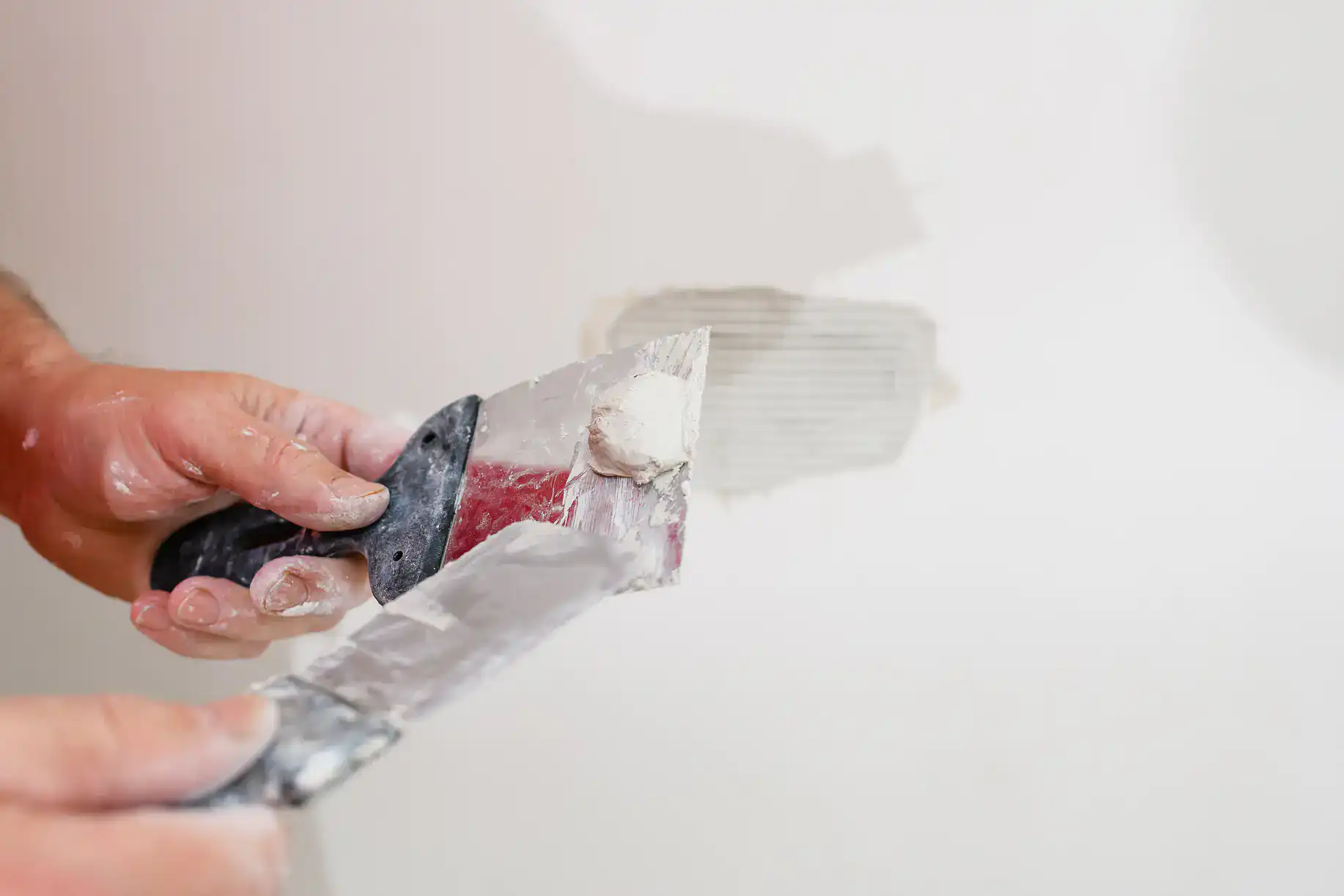
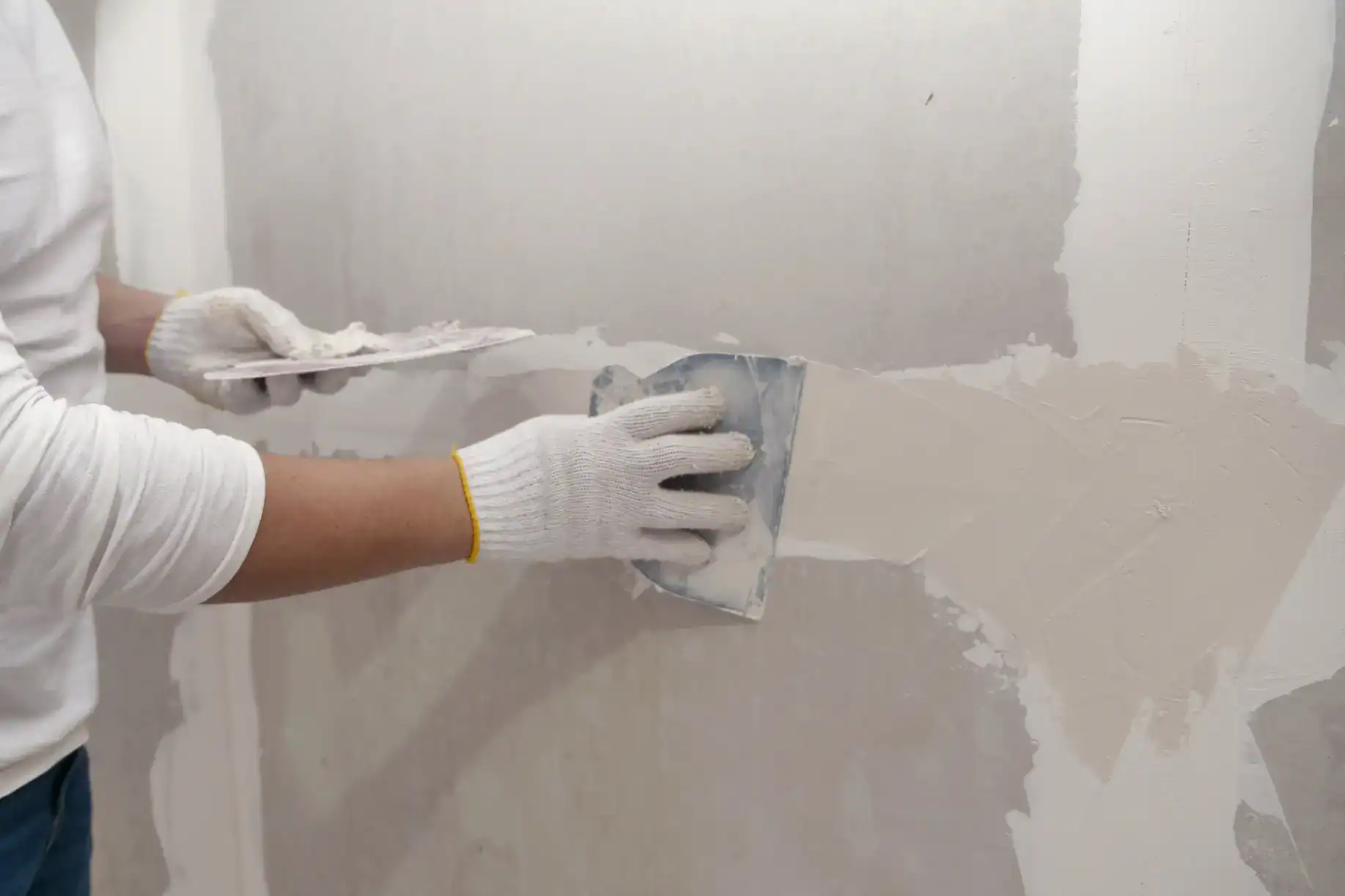
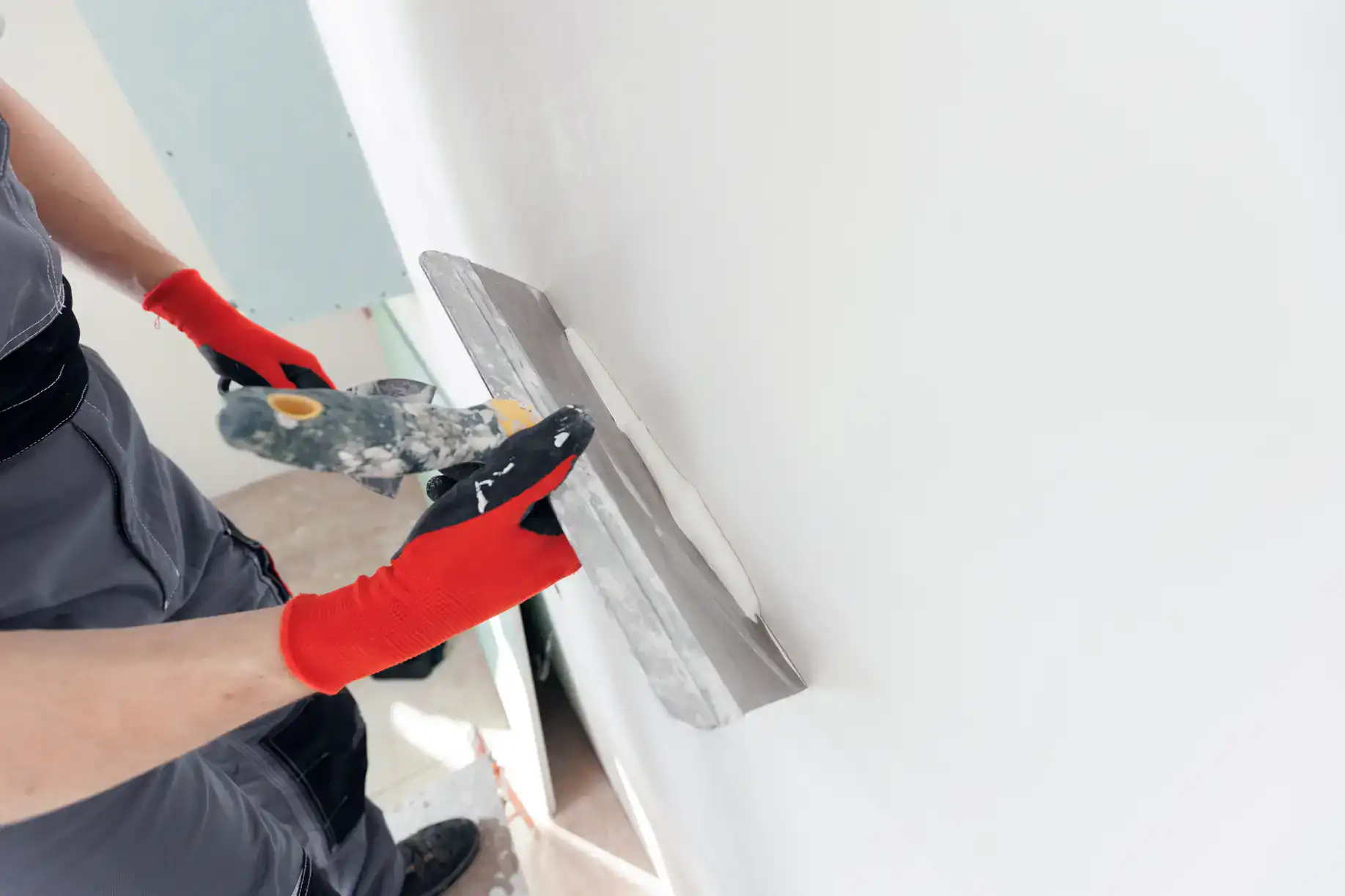
Then comes hanging the sheetrock—cutting panels to fit, securing them properly so nothing sags or cracks down the line. After that, we tape every seam and apply joint compound in layers. Each layer gets sanded smooth before the next goes on.
The final step is finishing. That means matching your existing texture if you’ve got one, or creating a smooth surface ready for paint. We sand everything down, wipe the dust, and clean up completely before we leave.
You’re not dealing with a multi-week project. Most installations finish in a day, and you’re left with walls that are ready to use.
Ready to get started?
You get the full process—measuring, cutting, hanging, taping, mudding, sanding, and finishing. We use mold-resistant drywall that holds up in Philadelphia’s humidity, especially important in Oxford Circle rowhomes where moisture creeps through old brick foundations.
The average cost to install drywall in Philadelphia runs between $1,000 and $3,000 for most residential projects, typically $1.50 to $3.50 per square foot. A standard 12×12 room usually lands between $580 and $1,800 depending on ceiling height, existing damage, and finish level.
Your quote covers materials, labor, and cleanup. No surprise fees. No upcharges for “unforeseen issues” that should’ve been spotted during the estimate. What we quote is what you pay.
Oxford Circle homes often need extra attention around windows and doors where settling causes recurring cracks. We handle that during installation so you’re not calling someone back in six months.
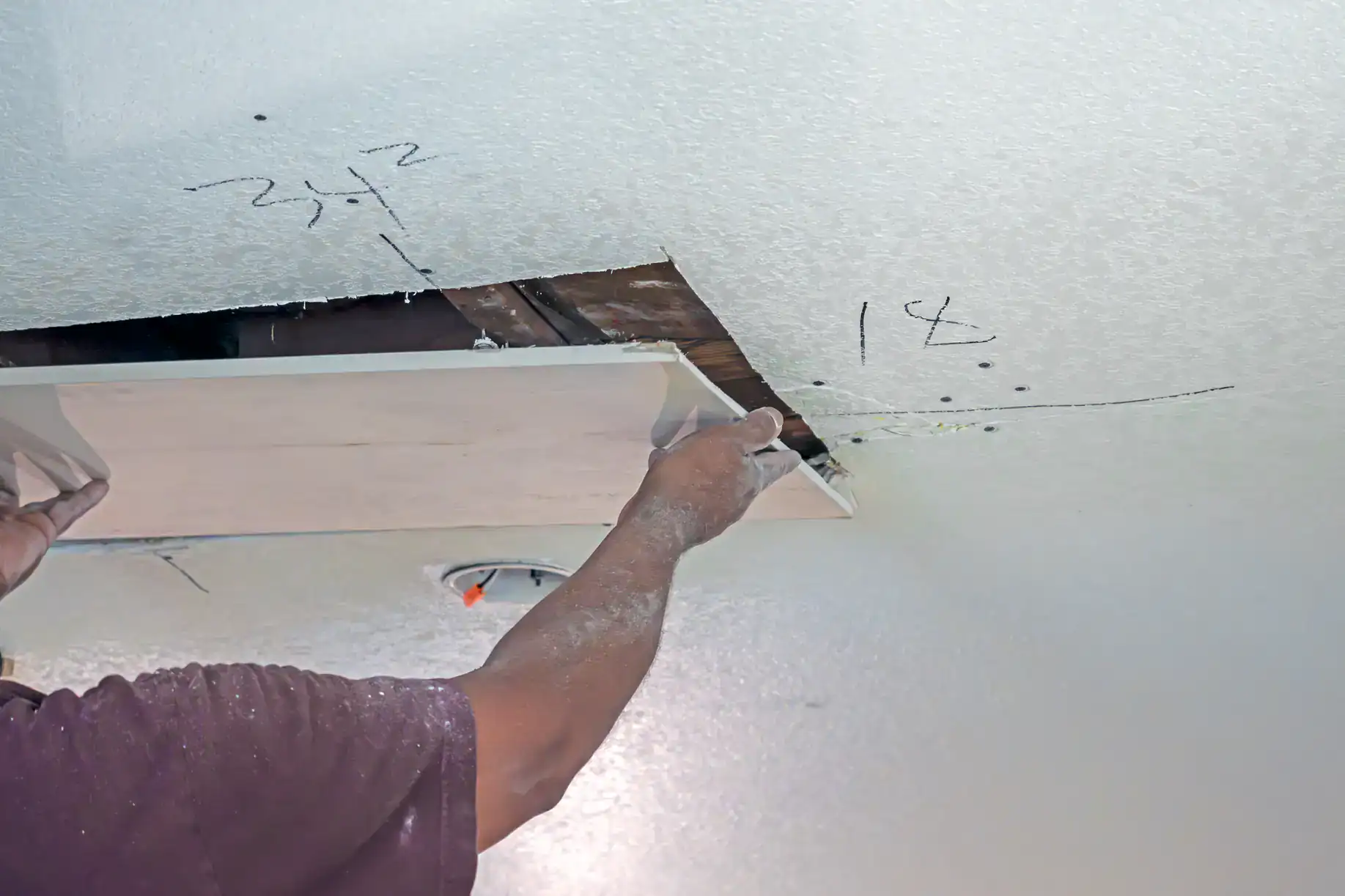
Most single-room installations finish in one day, start to finish. That includes hanging the sheetrock, taping, applying joint compound, and cleanup.
Larger projects—like finishing a basement or multiple rooms—take longer, usually two to three days depending on square footage. The actual hanging goes fast. What takes time is the joint compound, because each layer needs to dry before you can apply the next one or sand it smooth.
Oxford Circle rowhomes sometimes add a day if we’re working around old plaster walls or dealing with uneven framing that needs adjustment first. But you’ll know the timeline before we start, and we don’t drag jobs out unnecessarily.
Installation means putting up new drywall—either in a space that never had it, or replacing entire damaged sections. Repair means fixing holes, cracks, or water damage in existing drywall without replacing whole sheets.
If you’ve got a small hole from a doorknob or a crack from settling, that’s a repair. If you’ve got water damage that’s compromised a large section, or you’re finishing a basement that’s currently exposed studs, that’s installation.
The cost difference matters. Repairs are usually cheaper and faster because we’re patching specific problem areas. Installation involves more material, more labor, and more finishing work. Sometimes what looks like a repair job actually needs installation—like when water damage has weakened drywall beyond what a patch can fix. That’s something we’ll tell you upfront during the estimate.
Yes, and that’s one of the most important parts of the job. If your existing walls have texture—knockdown, orange peel, skip trowel—the new section needs to match or it’ll stand out like a spotlight’s on it.
We bring samples of your existing texture to match during the finishing process. It takes experience to get it right because you’re not just replicating the pattern, you’re matching the depth and consistency so it blends seamlessly.
Most Oxford Circle homes have either smooth walls or light texture. Smooth is actually harder to get perfect because every imperfection shows under the right light. That’s why the sanding and final finish matter so much. You shouldn’t be able to tell where the old wall ends and the new installation begins.
Complete cleanup is included with every installation. That’s not an add-on or an extra fee—it’s part of the job.
Drywall work creates dust. A lot of it. Sanding joint compound sends fine particles everywhere, and cutting sheetrock leaves scraps and debris. We contain as much as possible during the work, then do a full cleanup when we’re done.
That means vacuuming dust, wiping down surfaces, removing all scraps and materials, and leaving your space ready to use. You’re not spending your evening cleaning up after us or finding drywall mud on your baseboards three weeks later. When we leave, the job’s done and your home is clean.
Settling and temperature swings. Philadelphia goes from freezing winters to humid summers, and that constant expansion and contraction puts stress on your walls.
Oxford Circle rowhomes were mostly built in the 1950s and 60s. They’ve been settling for decades, and that movement shows up as cracks—usually around doors, windows, and ceiling corners where the stress concentrates. It’s not that the original installation was bad, it’s just what happens to houses over time.
The fix isn’t just patching the crack. You need to address why it’s cracking—sometimes that means adding reinforcement, sometimes it means using flexible joint compound in areas prone to movement. Otherwise you’re patching the same crack every couple years. When we install drywall, we’re looking at those high-stress areas and handling them properly from the start.
Yes, especially in bathrooms, basements, and exterior walls. Oxford Circle rowhomes deal with moisture—Philadelphia’s humidity, old brick foundations that wick water, and shared walls that can trap condensation.
Mold-resistant drywall (also called green board or purple board depending on the brand) has a treated core that resists moisture absorption. It costs slightly more than standard drywall, but it lasts longer and prevents the mold growth that ruins regular drywall in damp areas.
We recommend it for any installation where moisture is a concern. That includes finished basements, bathrooms, kitchens, and exterior walls. It’s not necessary for every interior wall in your home, but in the spots where moisture shows up, it’s worth the upgrade. You’re protecting your investment and avoiding a replacement job five years down the line.
Other Services we provide in Oxford Circle