
The average cost to repair water damage in Philadelphia is $3,833. Most of that damage starts with improper drywall installation that doesn’t account for the city’s 72-74% summer humidity levels.
When you’re installing drywall in a Kingsessing row home, you’re not just hanging sheets. You’re creating a barrier that needs to handle moisture from aging plumbing, temperature swings from shared walls, and the reality that your home was likely built before 1930. Standard installation doesn’t cut it here.
Proper drywall installation in Kingsessing, PA means using moisture-resistant materials in the right places, understanding how row house settlement affects seams, and knowing when fire-resistant board matters for shared walls. It means your ceiling isn’t sagging in two years because someone skipped steps or used the wrong screws.
You get walls that stay flat, seams that don’t crack when the house shifts, and surfaces that don’t turn into mold farms when summer hits. That’s what separates a drywall installer who knows Philadelphia from someone just following a YouTube tutorial.
We’ve been handling drywall installation in Kingsessing, PA and throughout Philadelphia long enough to know that row homes don’t behave like suburban construction. We’ve seen the plaster-over-brick layers, the additions stacked on additions, and the creative “solutions” previous contractors left behind.
We’re fully licensed and insured, which matters more than it sounds. That $1 million general liability requirement exists because drywall work in older homes comes with real risks—and you shouldn’t be the one holding the bag when something goes wrong.
When you call us for drywall installation in Kingsessing, PA, you’re getting installers who understand why moisture-resistant board matters in Philadelphia, how to match existing plaster textures in historic homes, and what proper fire-rated installation looks like between row house units. We’ve worked in enough Kingsessing basements and second-floor additions to know what you’re dealing with before we show up.
First, we look at what you actually have. That means checking for moisture issues, looking at how the existing walls are built, and figuring out if there are structural concerns that need addressing before new drywall goes up. In Kingsessing row homes, this step catches problems that would otherwise ruin new installation within months.
Next comes material selection and prep. If you’re dealing with a bathroom, kitchen, or basement in Philadelphia, you’re getting moisture-resistant drywall—not because we’re upselling you, but because standard board will fail in these conditions. We prep the framing, make sure everything’s level and solid, and address any issues with settlement or movement that would crack new seams.
Installation itself follows proper technique for row house construction. That means correct fastener spacing for plaster ceilings, proper backing for seams where houses settle, and fire-rated board where building code requires it between units. We’re measuring for electrical boxes, cutting for old radiator pipes, and working around the quirks that come with Philadelphia’s housing stock.
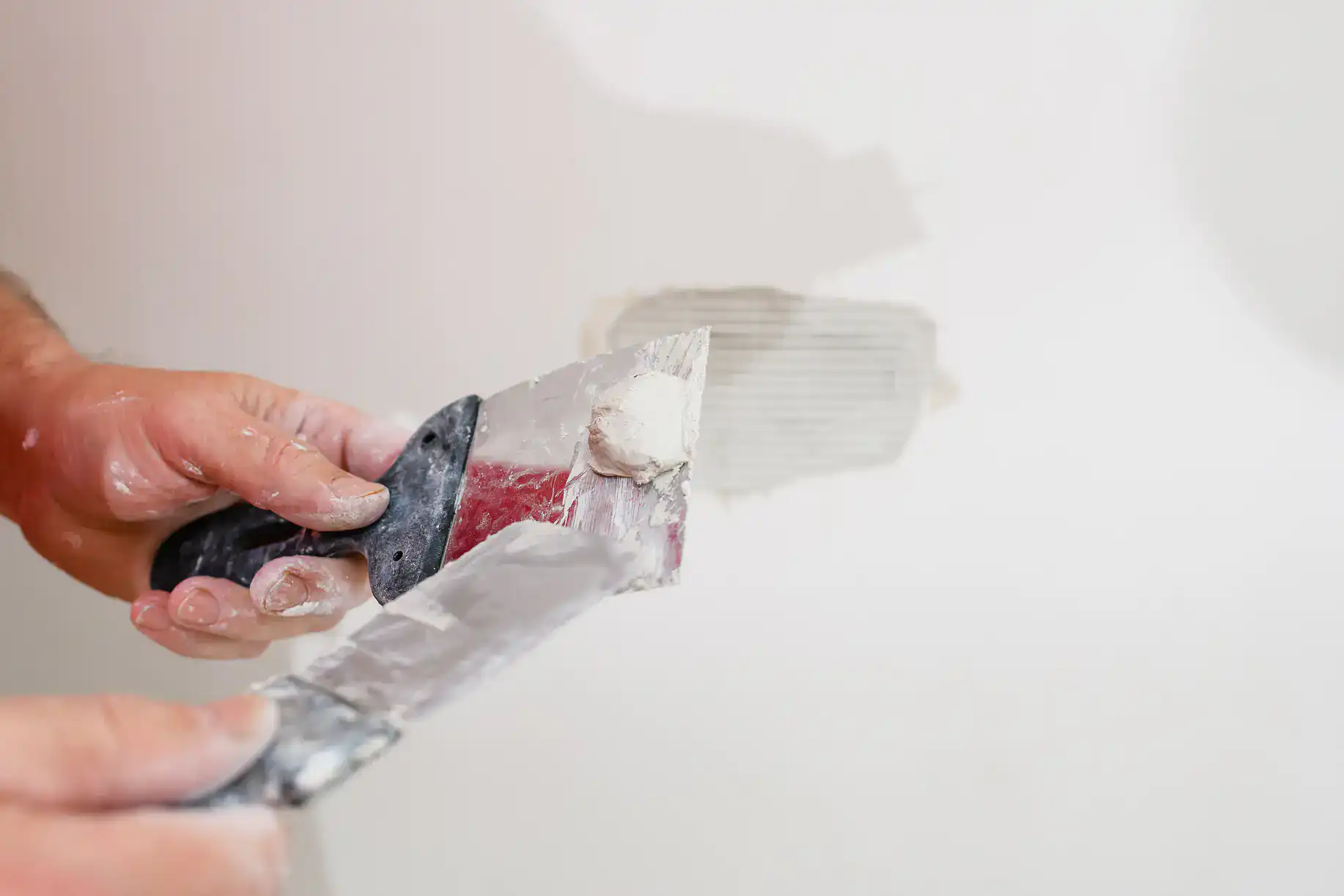
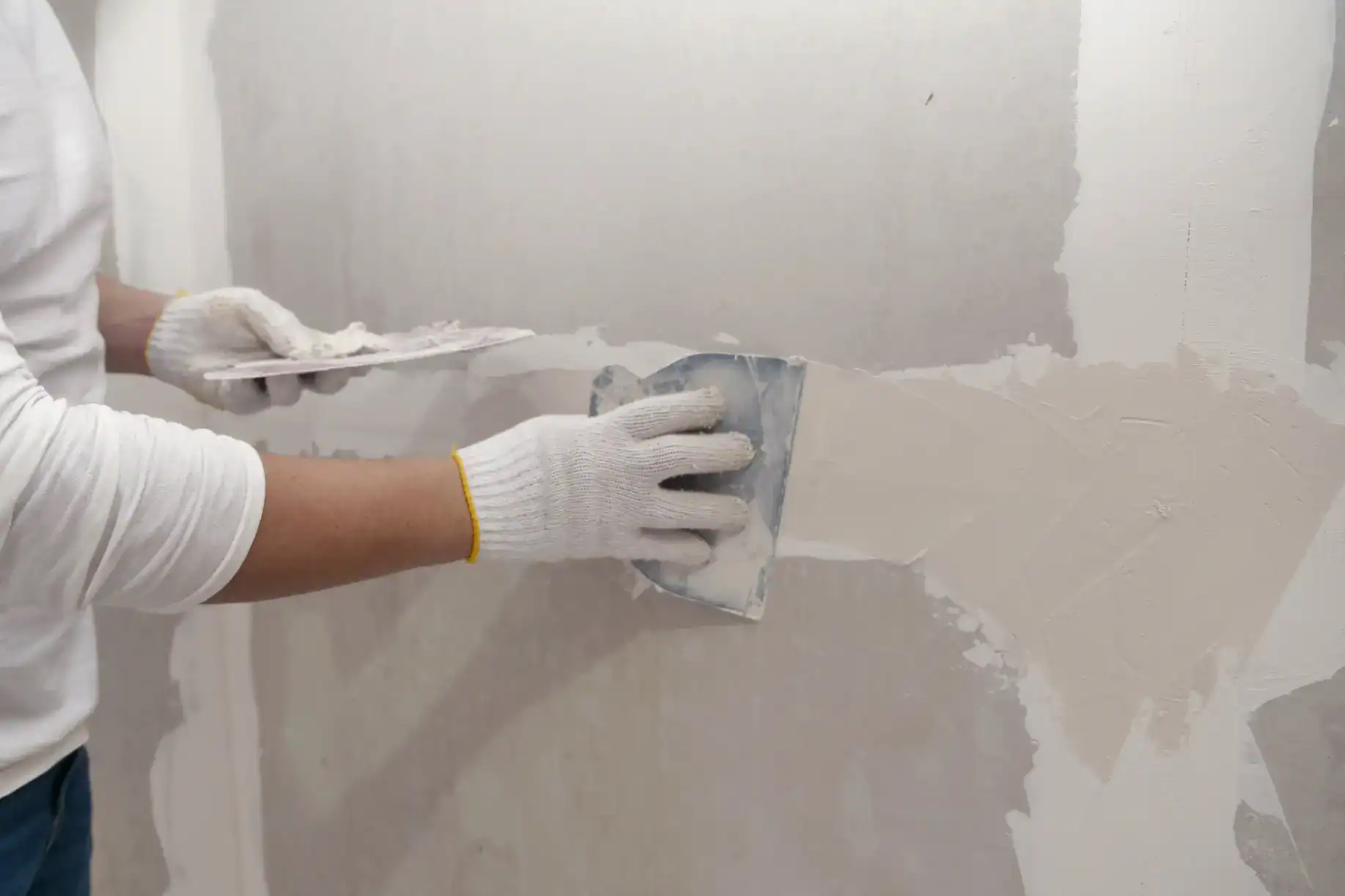
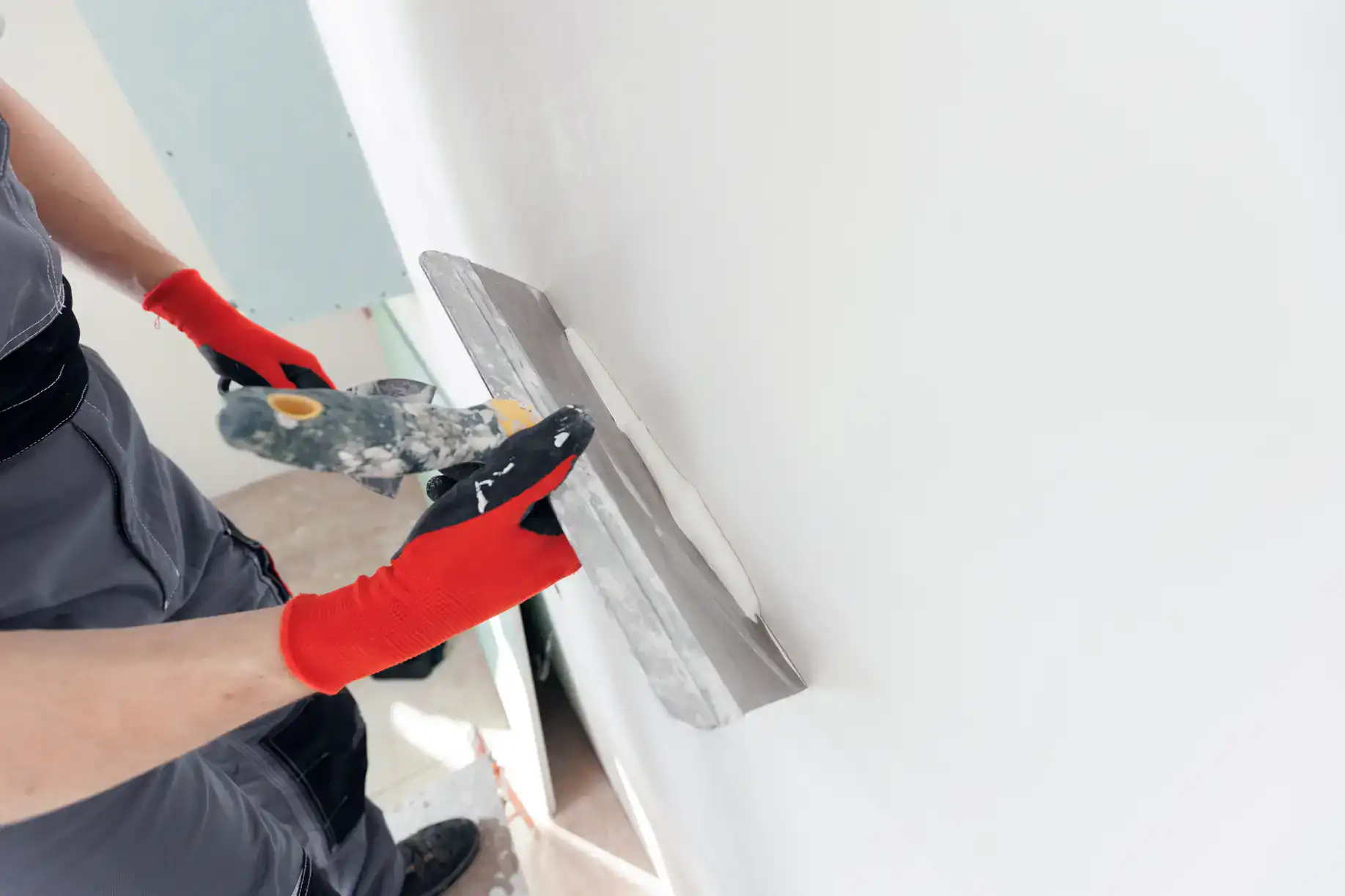
Finishing includes taping, multiple coats of joint compound, sanding, and preparing surfaces for paint. The goal is walls that look flat and seams you can’t find. In historic homes, we can match existing textures so new work blends with old plaster.
Ready to get started?
The cost to install drywall in Kingsessing, PA typically runs between $0.90 and $2 per square foot, with most projects in Philadelphia averaging around $2,095. That range exists because not all installation is equal—and in older homes, it shouldn’t be.
You’re paying for moisture-resistant materials in areas where Philadelphia’s humidity would destroy standard board. You’re paying for installers who know how to work around knob-and-tube wiring, century-old framing that’s not quite square, and plaster walls that crumble if you look at them wrong. You’re paying for proper backing and fastening that accounts for how row houses settle and shift.
The difference between a $0.90 installer and a $2 installer often shows up two years later when cheap work is cracking, sagging, or growing mold. In Kingsessing’s housing stock—where the median home is over 90 years old—cutting corners on installation means you’re paying twice. Once now, and once again when you’re ripping it out to fix water damage or failed seams.
We give you a clear quote upfront based on your actual space, the materials your home requires, and the prep work needed to do it right. No surprises, no “we didn’t know the walls were like that” upcharges after we start.
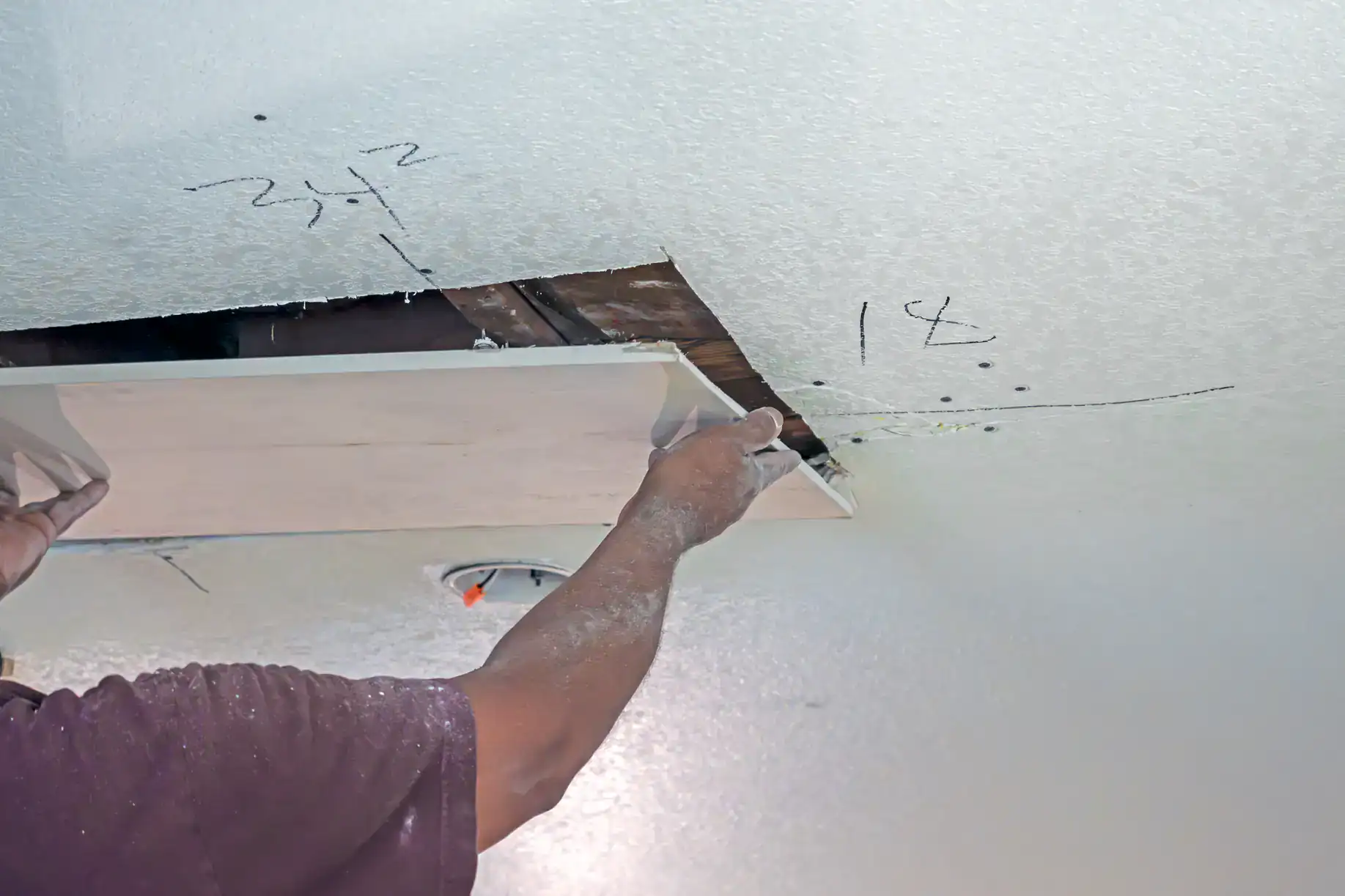
Most single-room installations take one to three days depending on size and complexity. A typical Kingsessing row home bedroom might take a day for hanging and another day or two for finishing and drying time between coats.
Larger projects like full-floor renovations or whole-home installation take longer—usually a week to ten days. The timeline stretches when we’re working around Philadelphia’s older construction, matching existing plaster textures, or dealing with moisture issues that need addressing before new drywall goes up.
The biggest time factor in Kingsessing homes is usually prep work. If we’re removing old plaster, dealing with settlement cracks in framing, or fixing water damage before installation, that adds time upfront. But it’s time that prevents your new drywall from failing in six months. We’ll give you a realistic timeline during the estimate based on what your specific project involves.
Yes. Standard drywall fails in Philadelphia basements and bathrooms because of moisture. You need moisture-resistant drywall (often called green board or purple board) in any space that deals with humidity or potential water exposure.
Kingsessing basements face groundwater issues, foundation moisture, and poor ventilation common in row home construction. Moisture-resistant drywall has a treated core and facing that resists mold growth and water absorption. It costs slightly more than standard board, but it’s not optional if you want installation that lasts.
Bathrooms need moisture-resistant drywall behind tile, around tubs, and on ceilings where steam concentrates. Some installers skip this to save money, then you’re dealing with mold and sagging ceilings within a few years. In Philadelphia’s climate—where summer humidity stays in the 70s and we get 29 days with dew points above 75 degrees—moisture-resistant materials are the baseline for any below-grade or wet area installation.
Row homes settle differently because they’re connected. When one house shifts, it affects the units next to it. That means we need to account for movement at seams and use proper backing techniques that allow for some flex without cracking.
Fire-rated drywall matters more in row homes because you share walls with neighbors. Building code often requires Type X fire-resistant board between units. It’s thicker, heavier, and designed to slow fire spread. Skipping this isn’t just cutting corners—it’s a safety issue and a code violation.
Row homes also have unique framing quirks. Many Kingsessing houses have plaster over brick on exterior walls, multiple layers where previous owners added over existing surfaces, and framing that’s settled over decades. Installing drywall means working with walls that aren’t plumb, ceilings that aren’t level, and understanding how to attach new materials to old construction without causing more damage. A drywall installer who mostly works in suburban new construction won’t know how to handle these issues.
Yes, and this matters in Kingsessing homes where you’re often adding to existing rooms or repairing sections. Philadelphia row homes have distinctive plaster textures—smooth trowel finishes, skip trowel, knockdown, or light orange peel patterns common in different eras.
Matching texture requires the right joint compound consistency, proper tools, and experience with how historic finishes were applied. We sample the existing texture, practice the technique, and blend new drywall so you can’t tell where old plaster ends and new installation begins.
This is especially important in partial renovations where you’re keeping some original walls. If new drywall has a different texture than surrounding plaster, it looks obvious even after paint. Good texture matching means your renovation looks intentional, not patched together. It takes more skill than standard flat finishing, but it’s what makes new work look like it belongs in a 90-year-old home.
Stop and fix the source first. Installing new drywall over active leaks or moisture problems means you’re just covering up damage that will continue. We find the leak source, make necessary repairs, and let areas dry completely before new installation.
Water damage in Kingsessing row homes usually comes from bathroom leaks upstairs, old cast iron plumbing, roof issues, or foundation moisture. The national average to repair water damage is $3,833, but catching it before it spreads saves money. If ceiling drywall is sagging or stained, there’s likely a plumbing leak or roof problem that needs addressing.
Once the source is fixed and everything’s dry, we remove damaged drywall, check framing for rot or mold, treat affected areas, and install new moisture-resistant materials. Trying to save damaged drywall or install over wet framing just means you’ll be doing this again in a year. We’d rather tell you upfront what needs fixing than sell you installation that’s going to fail.
Most basic drywall installation doesn’t require permits in Philadelphia. But if your project involves structural changes, moving walls, electrical work, or plumbing modifications, you’ll need permits—and yes, we handle that process.
Permit requirements depend on scope. Replacing damaged drywall or finishing a basement typically doesn’t need permits. Removing walls, adding new rooms, or major renovations do. We know Philadelphia’s building code requirements and what triggers permit needs in Kingsessing projects.
When permits are required, we pull them, schedule inspections, and make sure work meets code. This matters for insurance, resale value, and avoiding problems when you eventually sell. Some contractors skip permits to save time or hide substandard work. We don’t. Proper permitting protects you legally and ensures installation meets safety standards—especially important for fire-rated drywall between row house units.
Other Services we provide in Kingsessing