
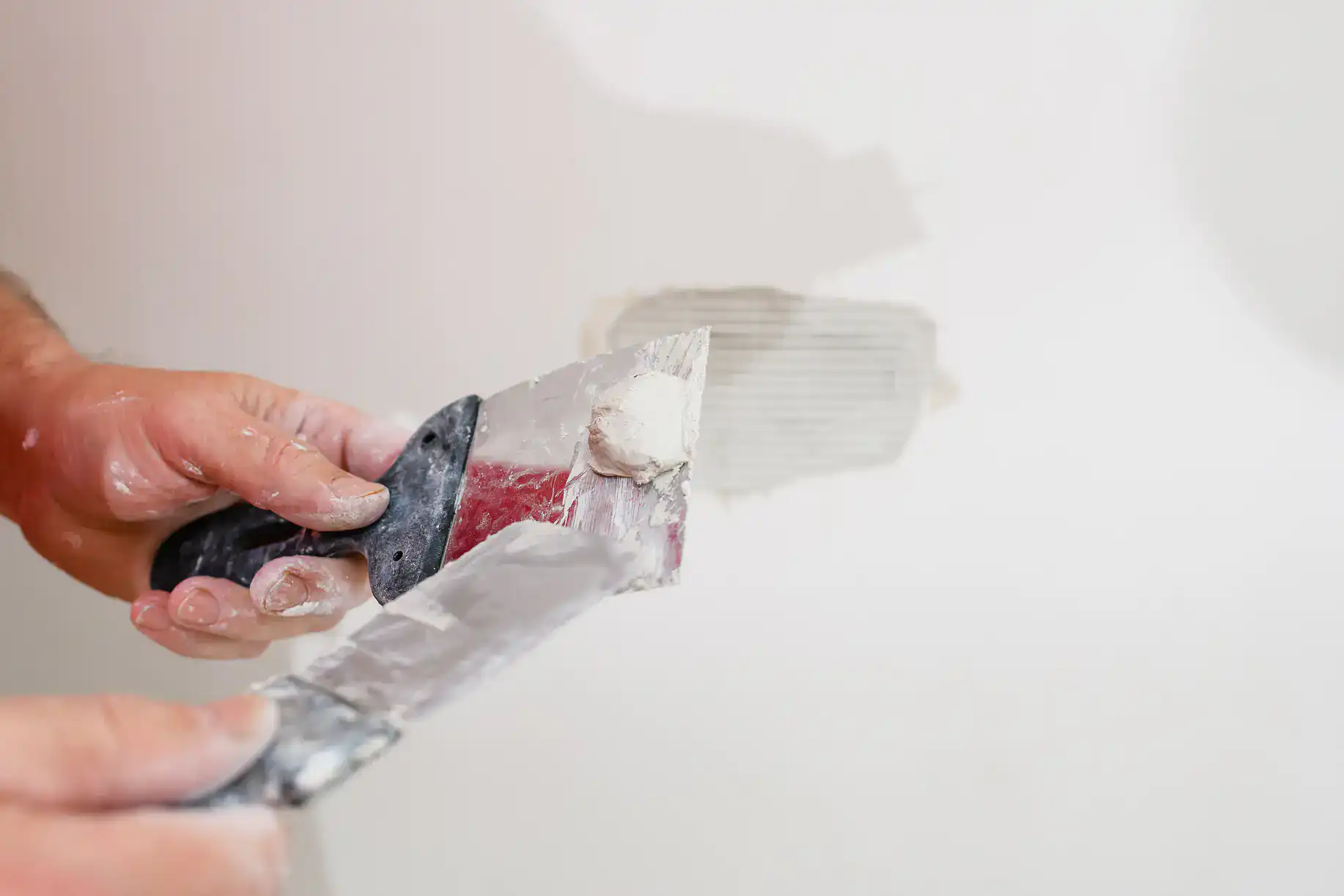
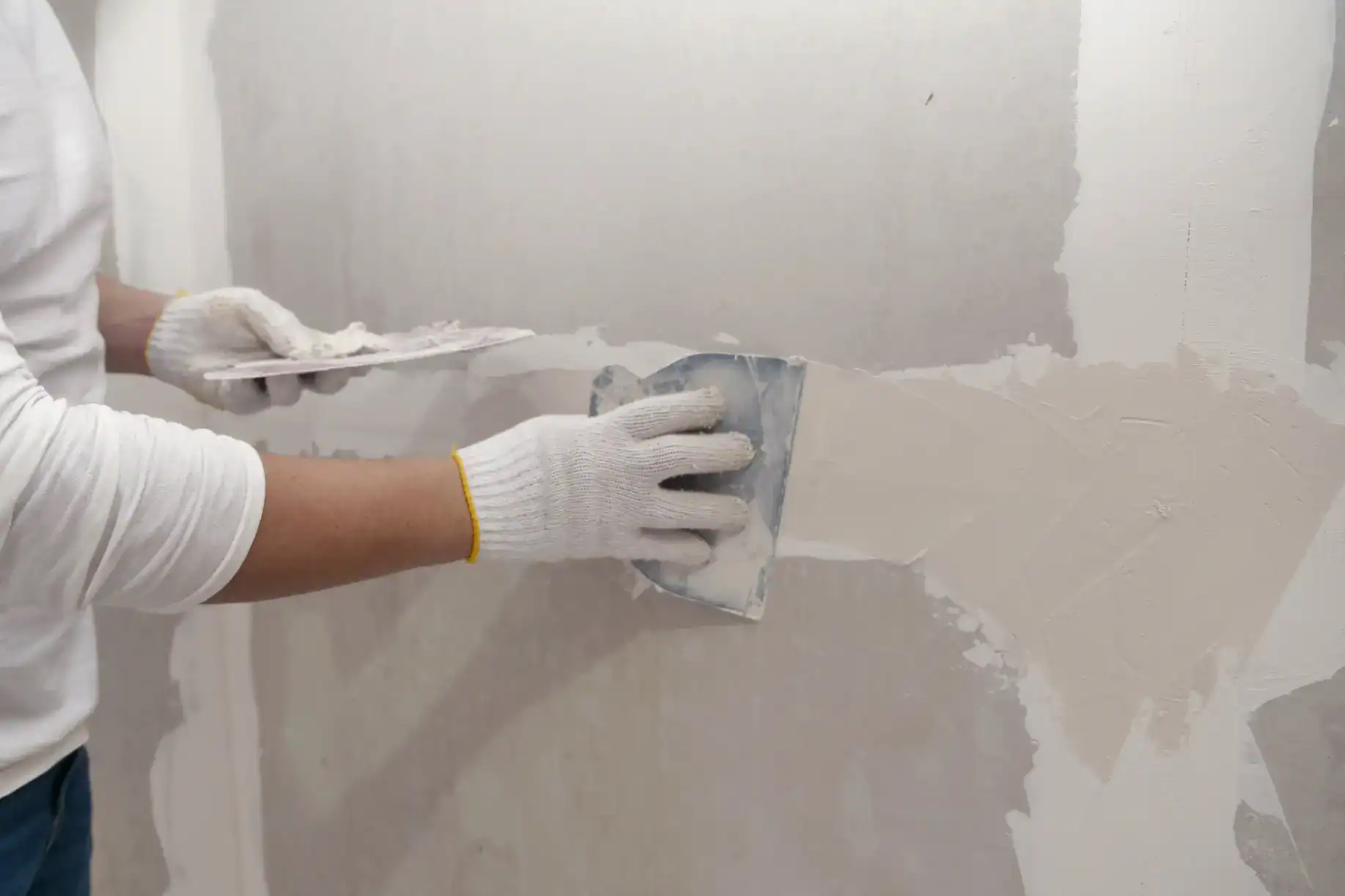
You get walls ready for paint without visible seams, gaps, or the need for a second crew to fix what the first one missed. The kind of finish that doesn’t announce itself because there’s nothing wrong with it.
Most drywall installation projects in Francisville come with challenges you won’t find in newer neighborhoods. Row homes with narrow hallways. Historic properties where nothing is square. Shared walls that need fire-rated materials and proper soundproofing.
We handle all of it. You’re not explaining your home’s quirks to someone who’s never worked in a pre-1940s row home before. We know what to expect, what materials work, and how to move sheets through tight spaces without tearing up your walls or bannisters.
The job gets done in the timeframe we quote. We clean up completely. And the price we give you upfront is the price you pay.
Sharpe Drywall has been installing and repairing drywall across Montgomery, Bucks, and Philadelphia counties for years. We’re not a national franchise or a crew that showed up last month.
We’re local. We know Francisville’s housing stock. Most of the homes here were built before 1940, which means we’re testing for lead when we open walls, using fire-rated drywall on shared walls, and working around foundation settling that’s had 80+ years to do its thing.
You’re hiring licensed and insured contractors who live in the communities we serve. We’re not learning on your job.
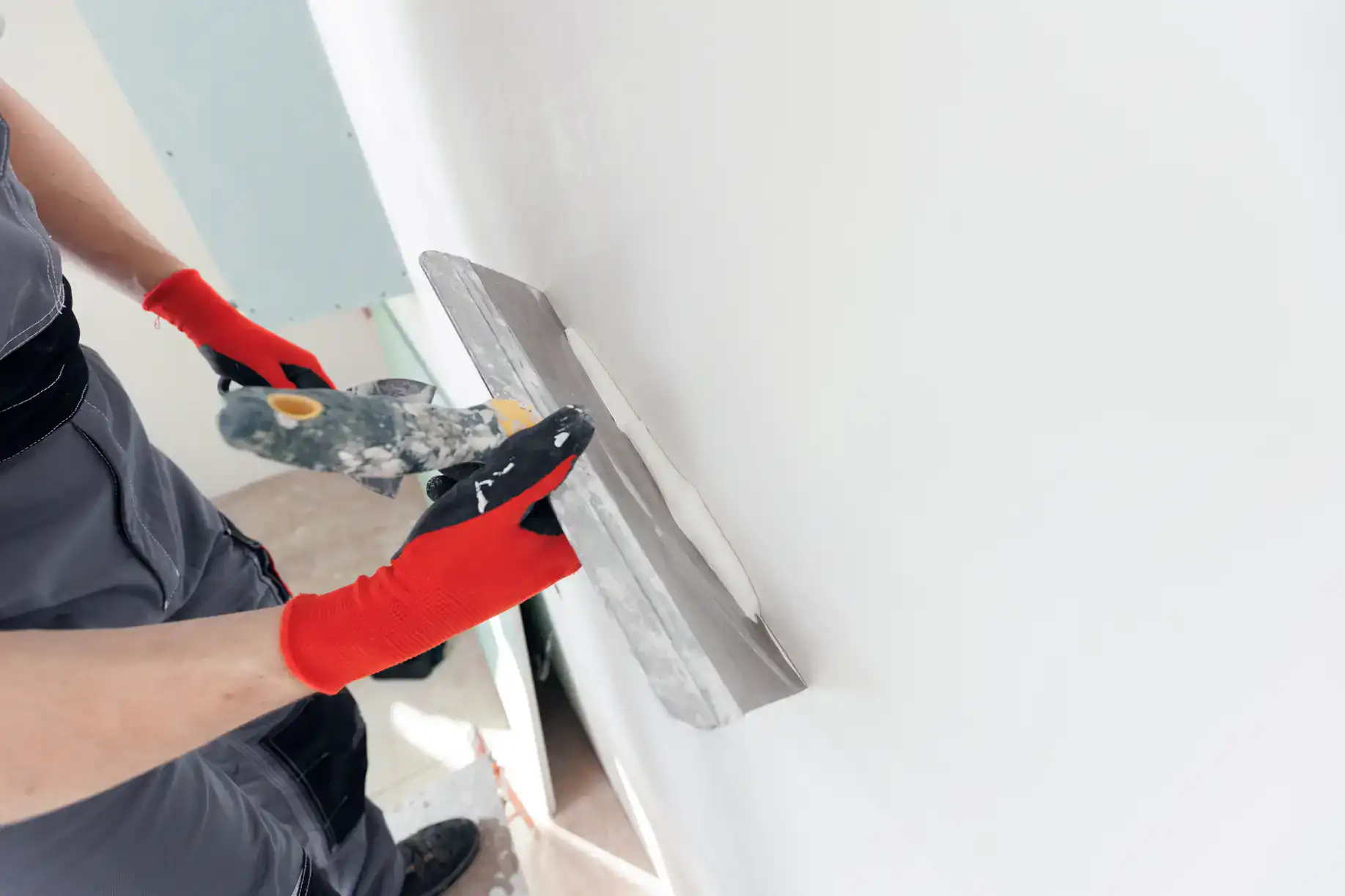
We start with a walkthrough. You show us what needs to be done, we measure, and we give you a fixed price that includes materials, labor, and cleanup. No hourly rates that creep up.
If your home was built before 1978, we test for lead and asbestos before we start cutting or removing anything. It’s required by law in Philadelphia, and it protects you and us.
Once we’re clear to work, we deliver materials and get started. For row homes with narrow staircases, we plan the delivery carefully so we’re not damaging trim or bashing walls on the way up. Sheets get hung, seams get taped and mudded, everything gets sanded smooth.
We apply multiple coats of joint compound because that’s what it takes to get seams flat. Each coat dries completely before the next one goes on. Corners get finished. Fasteners get covered. The surface gets sanded until it’s ready for primer.
Then we clean up. Dust gets contained and removed. Scraps go with us. You’re left with walls that are ready for the next step, whether that’s paint, wallpaper, or tile.
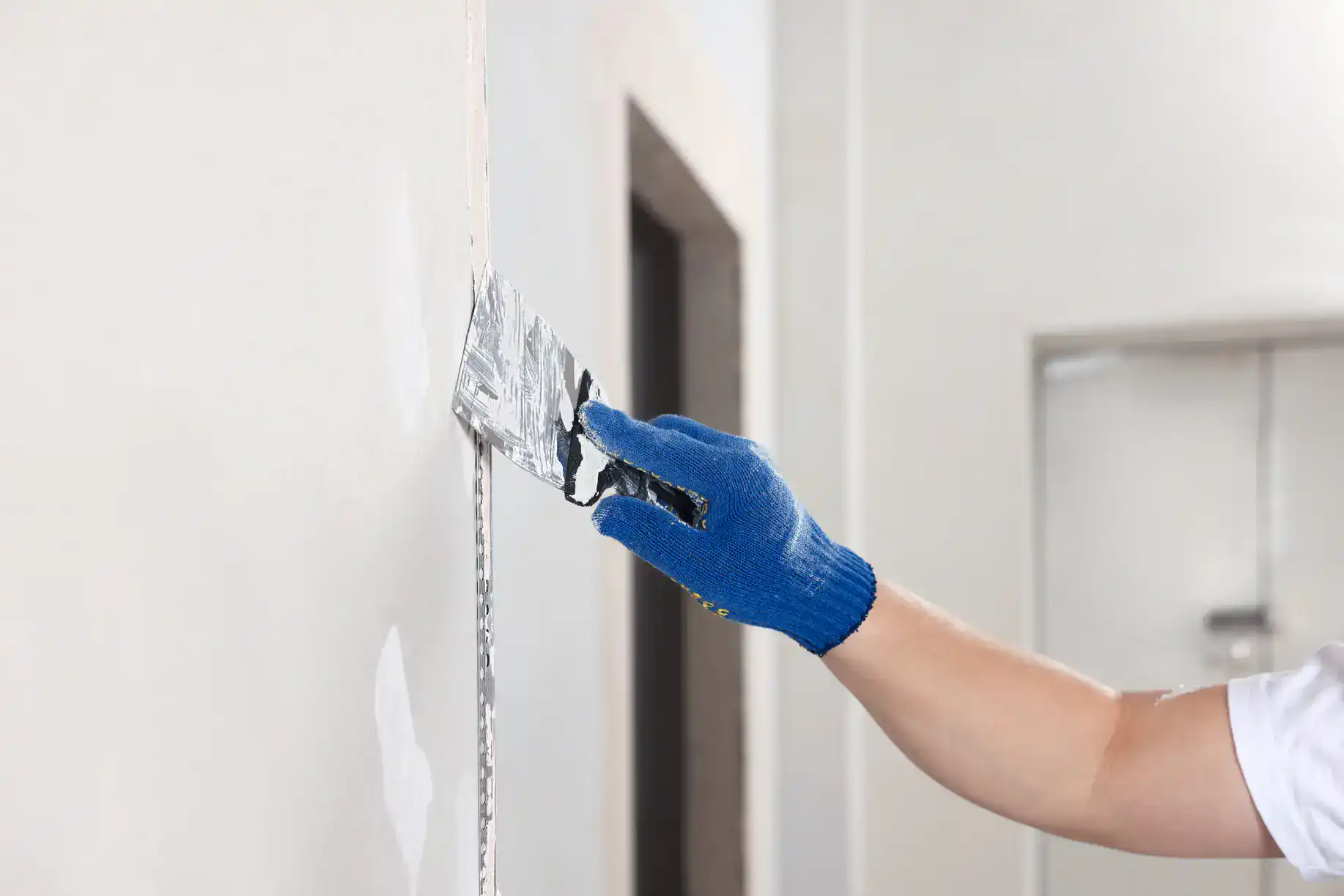
Ready to get started?
Every drywall installation in Francisville includes the materials, labor, taping, mudding, sanding, and cleanup. You’re not paying separately for each step or getting surprise charges for things that should’ve been included from the start.
We use premium drywall and joint compounds that are appropriate for the space. That means moisture-resistant boards in bathrooms and kitchens, fire-rated drywall on shared walls in row homes, and standard drywall everywhere else. The materials matter because they determine how long your walls last and how well they perform.
The average cost to install drywall in Philadelphia runs between $1.50 and $3 per square foot, depending on the scope, ceiling height, and site conditions. Francisville’s older homes sometimes add complexity—uneven framing, plaster removal, lead abatement—but we account for that in the estimate so you know what you’re paying upfront.
Row homes in Francisville sit close together, which makes fire safety critical. We install Type X fire-rated drywall on shared walls where required by code. It’s not optional, and it’s not something you want to skip. The same goes for soundproofing between units if you’re in a multi-family property.
You also get transparency. If we find something during the job that changes the scope—rotted framing, mold, structural issues—we stop and talk to you before we proceed. You decide what happens next.
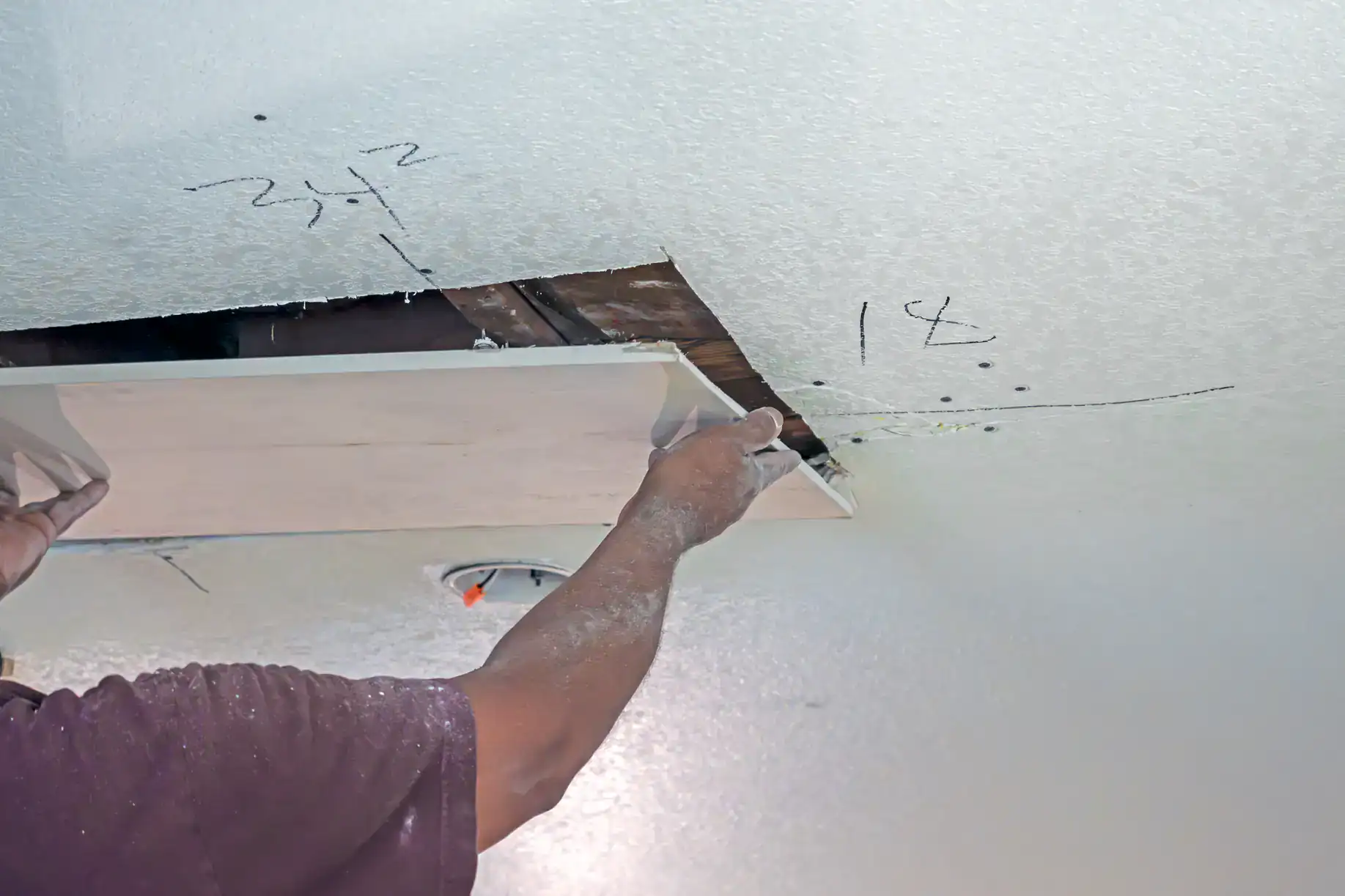
Most drywall installation projects in Francisville cost between $1.50 and $3 per square foot, which includes materials, labor, taping, mudding, sanding, and cleanup. A typical room might run anywhere from $800 to $2,500 depending on size, ceiling height, and whether you need fire-rated or moisture-resistant materials.
Older row homes sometimes add cost because of access challenges, uneven framing, or the need for lead testing and abatement. If your home was built before 1978, you’re required to test for lead-based paint before disturbing walls or ceilings. That’s an additional cost, but it’s non-negotiable under EPA regulations.
We give you a fixed price after the walkthrough. That number includes everything unless we uncover structural issues or hidden damage that changes the scope. If that happens, we stop and talk to you before doing any additional work.
Yes, if you share walls with neighbors. Philadelphia building code requires fire-rated drywall on shared walls in attached homes, and that includes most of Francisville’s housing stock. Type X drywall is the standard—it’s thicker and contains additives that slow the spread of fire.
Fire-rated drywall isn’t just a code requirement. It’s a safety measure that matters in dense neighborhoods where homes are connected. A fire in one unit can spread quickly without proper fire barriers, and insurance companies pay attention to whether you’ve met code.
We install Type X drywall on shared walls as part of the standard process. It costs slightly more than standard drywall, but it’s required and it’s the right thing to do. If you’re renovating or adding walls in a row home, this isn’t optional.
A single room usually takes one to two days, depending on size and complexity. Hanging the drywall is the fast part. Taping, mudding, and sanding take longer because each coat of joint compound needs to dry completely before the next one goes on.
If you’re doing multiple rooms or a whole-floor renovation, expect three to five days for most projects. Larger jobs or homes with high ceilings, intricate layouts, or plaster removal will take longer. We’ll give you a realistic timeline during the estimate.
Row homes in Francisville add time because of access. Narrow staircases and tight hallways mean we’re moving materials carefully to avoid damage. We’re not rushing and breaking trim or bashing walls to save an hour. The timeline accounts for working in older homes where things take a little longer to do right.
Yes. Most of Francisville’s homes were built before 1940, and we work in them regularly. Historic homes come with challenges—uneven framing, plaster removal, foundation settling, lead paint—but none of that is new to us.
Before we start, we test for lead and asbestos if your home was built before 1978. It’s required by law, and it protects everyone involved. If we find lead-based paint or asbestos-containing materials, we follow EPA protocols for safe removal or containment.
Once we’re clear to work, we install drywall the same way we would in any home, but we account for the quirks. Walls aren’t always plumb. Ceilings aren’t always level. Framing might be irregular. We shim, adjust, and make sure the finished surface is straight even if the structure behind it isn’t perfect. That’s part of working in older homes, and it’s something we plan for from the start.
Hanging drywall means cutting and screwing the sheets to the framing. Finishing drywall means taping the seams, applying joint compound, sanding everything smooth, and getting the surface ready for paint. Both are part of a complete installation, but they’re different skills.
Some contractors only hang drywall and leave the finishing to someone else. That’s fine if you want to coordinate multiple crews, but it adds time and complexity. We handle both, which means one crew, one timeline, and one point of contact from start to finish.
Finishing is where quality shows up. Seams need to be flat and invisible. Corners need to be crisp. Fasteners need to be covered completely. It takes multiple coats of joint compound and careful sanding to get it right. Rushing this part is how you end up with visible seams and a surface that looks wavy under paint. We don’t rush it.
Yes, if that’s what the project requires. Many Francisville homes still have original plaster walls, and sometimes it makes sense to remove it and install drywall instead. Plaster removal is messy and time-consuming, but it’s often the right move if the plaster is cracked, crumbling, or failing.
We contain the dust as much as possible and remove all debris when we’re done. Plaster is heavy, so disposal is part of the cost. If your home was built before 1978, we test for lead-based paint on the plaster before we start demo work. Lead abatement adds cost and time, but it’s legally required and the safe way to handle it.
Once the plaster is out, we assess the framing and make any necessary repairs before hanging new drywall. Sometimes we find issues—rotted studs, outdated wiring, old insulation—that need attention before we can close the walls back up. We’ll walk you through what we find and what it means for the project before moving forward.
Other Services we provide in Francisville