
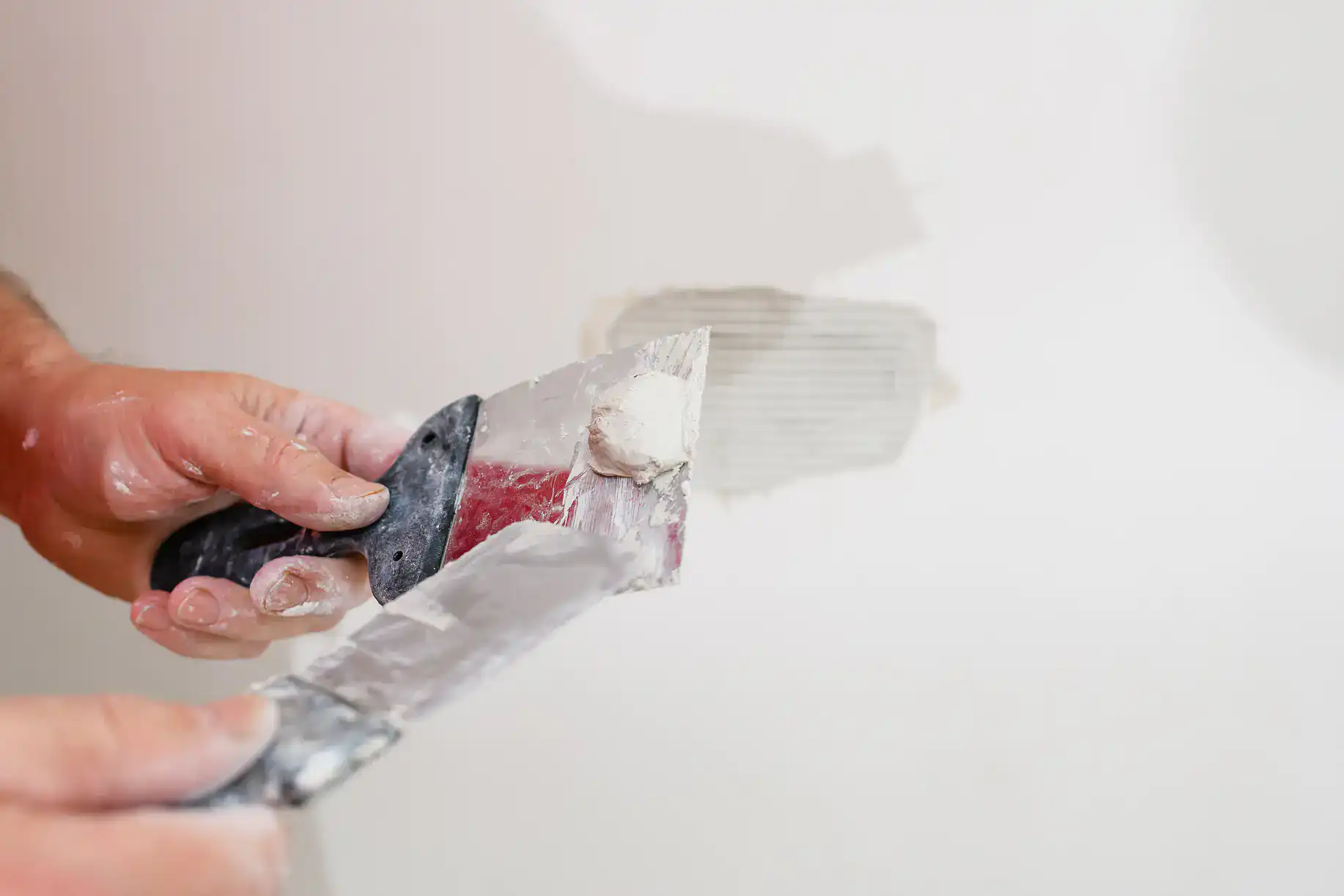
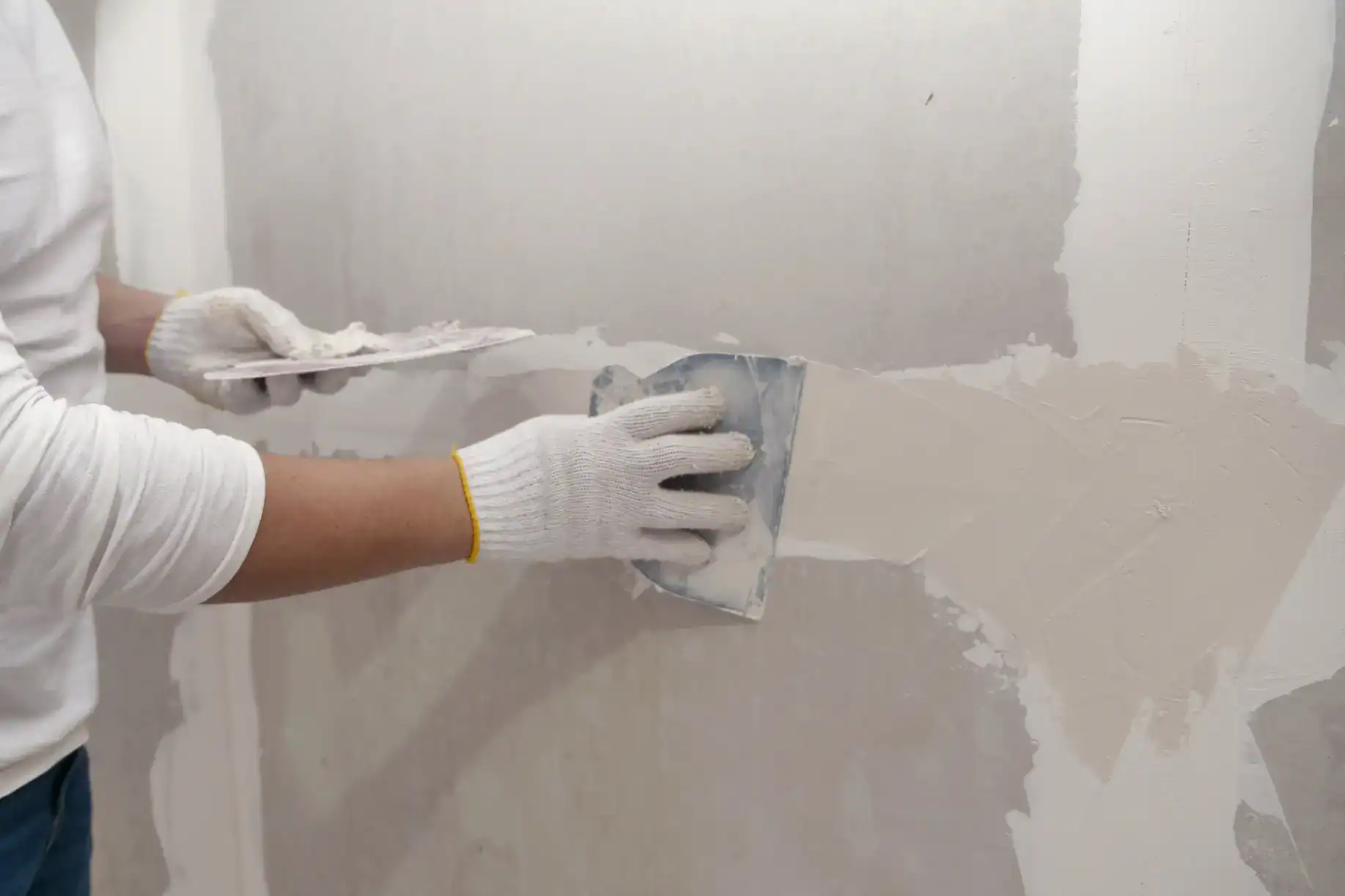
Here’s what matters when you’re installing drywall in Cecil B Moore: the seams don’t show through your paint six months later. The corners are actually straight. And you’re not finding drywall dust in your couch cushions three weeks after the crew left.
Most drywall installation projects around Temple and North Philly get quoted between $1,077 and $3,118, with the Philadelphia average landing around $2,095. That range exists because of square footage, ceiling height, and whether you’re dealing with a straightforward bedroom or a century-old rowhome with plaster walls and settling issues.
You’re not looking for the cheapest option. You’re looking for someone who shows up when they say they will, finishes the job in the timeline promised, and doesn’t leave you dealing with callbacks because the tape is bubbling or the mud wasn’t sanded properly. That’s the baseline, and it’s harder to find than it should be.
Sharpe Drywall exists because too many homeowners and property managers in Montgomery, Bucks, and Philadelphia counties were getting left with half-finished jobs, surprise charges, and walls that looked worse after the “pros” left. We’re locally owned, fully licensed and insured, and we treat your property the way we’d treat our own.
Cecil B Moore has its own challenges. You’ve got older housing stock—median build year of 1959, with over a third of homes dating back before the 1940s. That means plaster walls, uneven framing, and settling that creates cracks standard new-construction guys don’t know how to handle. Add in the rental market driven by Temple students, and you need someone who understands fast turnarounds without cutting corners.
We’ve been serving this area long enough to know what works in these homes and what doesn’t. No drama, no disappearing mid-project, no surprises on the invoice.
First, we come out and look at the actual space. We measure, check for any underlying issues like moisture or structural concerns, and give you a fixed price quote. That number doesn’t change unless you change the scope.
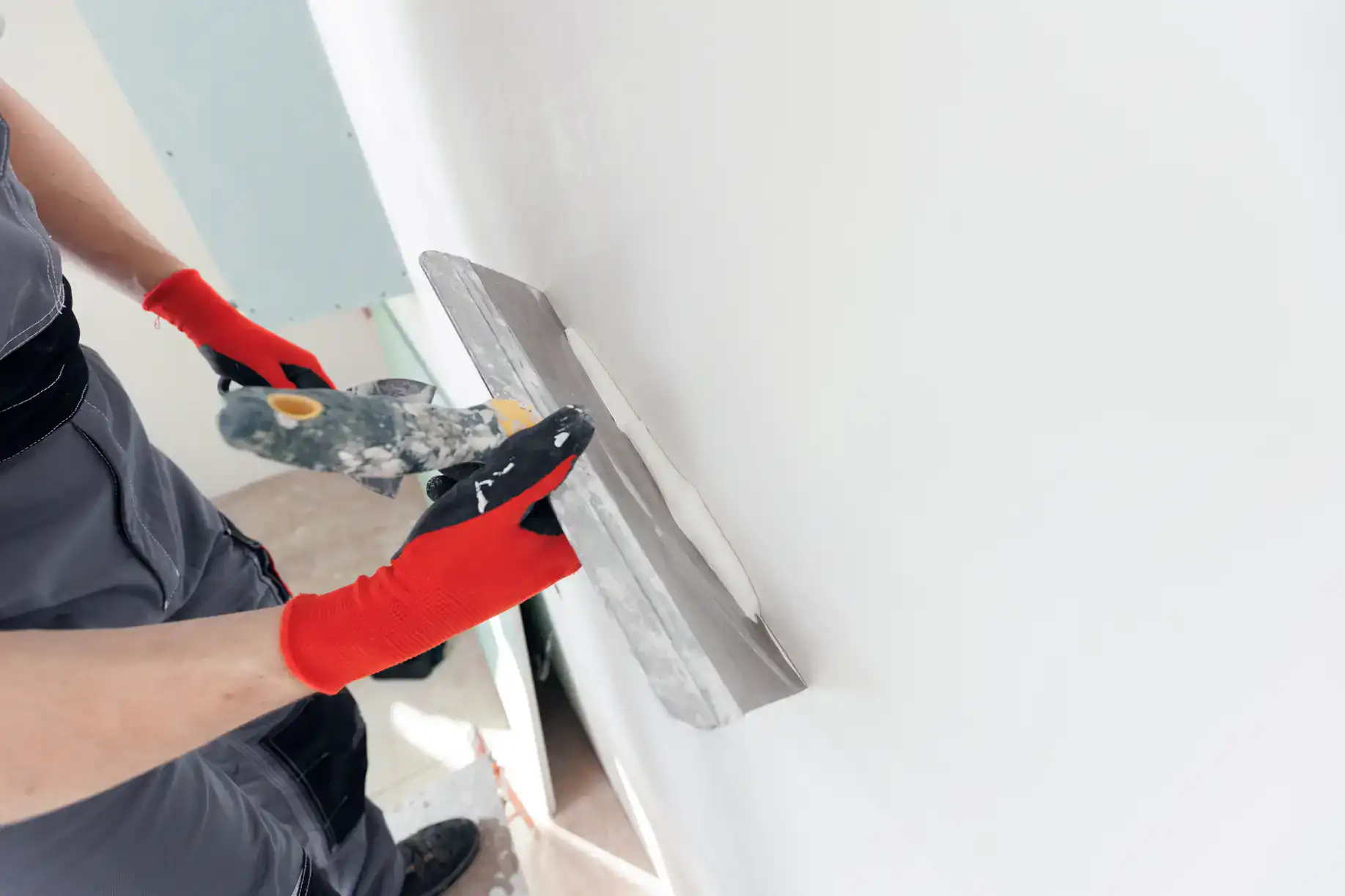
Once we start installing drywall, we protect your floors and furniture, hang the sheets with proper fastening (not the bare minimum that’ll pop nails in two years), and tape every seam with quality joint compound. We’re using mold-resistant drywall in bathrooms and basements because Philadelphia’s humidity isn’t a joke, and we’re not setting you up for problems down the road.
The finishing process includes multiple coats of mud, proper drying time between coats, and thorough sanding so your painter isn’t dealing with ridges and rough spots. Most jobs in Cecil B Moore get completed in one to two days depending on size. When we’re done, we clean everything—dust, scraps, debris—and you’re left with walls ready for paint.
You’re not chasing us for updates or wondering when we’re coming back. We show up, do the work right, and move on to the next job.
Ready to get started?
When you hire Sharpe Drywall for installation in Cecil B Moore, you’re getting premium materials, not builder-grade shortcuts. That means mold-resistant drywall where it matters, professional-grade joint compound that doesn’t crack, and proper fastening patterns that prevent nail pops and sagging.
The average cost to install drywall in Philadelphia runs about $1.50 to $3.50 per square foot depending on ceiling height, room complexity, and finish level. A standard 12×12 bedroom typically costs between $800 and $1,400 installed and finished. Older homes in Cecil B Moore sometimes run higher because of prep work—removing old plaster, addressing uneven studs, or dealing with outdated electrical that needs updating before we can close walls.
You also get complete cleanup included, which sounds basic but isn’t standard practice. We’re not leaving you with a dumpster’s worth of scrap drywall in your alley or dust coating every surface in your home. And you get transparent pricing with no surprise fees when the job’s done. The quote we give you is what you pay.
For rental properties around Temple, that reliability matters. You need units turned over fast, and you need them done right so you’re not dealing with tenant complaints three months later. We understand that timeline and we work within it.
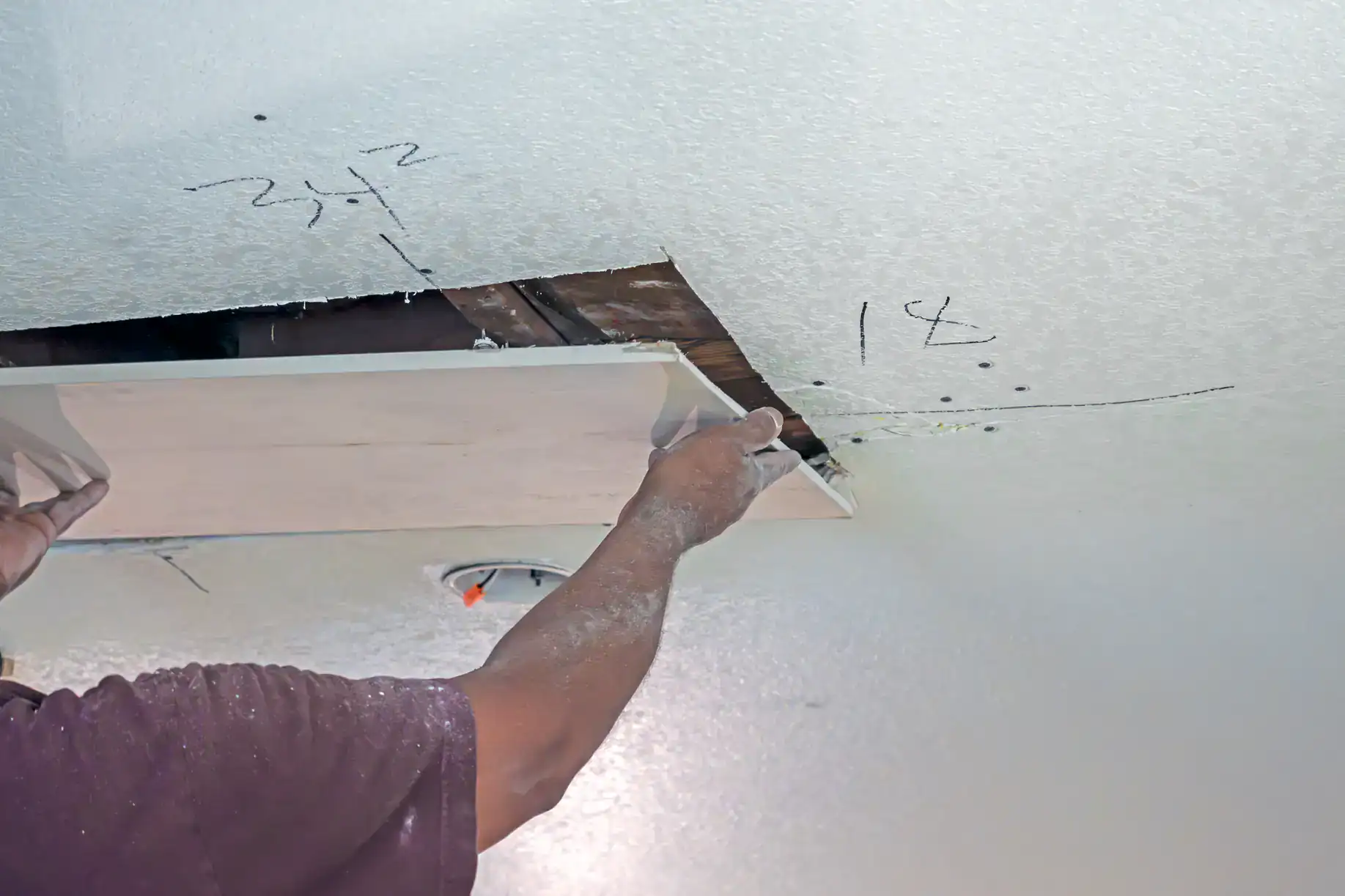
Most single-room installations finish in one day. A bedroom or small living space usually takes four to six hours from start to cleanup, assuming there aren’t major prep issues.
Whole-home drywall installation in Cecil B Moore typically takes two to four days depending on square footage and how many rooms we’re working on. Older rowhomes sometimes take longer because we’re dealing with plaster removal, uneven framing, or structural repairs that need addressing before we hang new drywall.
The finishing process adds time because joint compound needs proper drying between coats. We’re not rushing that step because that’s where most bad drywall jobs fall apart—contractors who don’t let mud dry properly end up with cracking, bubbling, and seams that show through paint. We’d rather take the extra day and deliver walls that actually last.
For a typical Cecil B Moore rental unit, you’re looking at $1,500 to $4,000 depending on size and condition. A two-bedroom apartment with standard 8-foot ceilings and minimal prep work usually runs $2,000 to $2,800 installed and finished, ready for paint.
That price includes hanging, taping, mudding, sanding, and cleanup. If we’re removing old damaged drywall first, add another $200 to $600 depending on how much demo is involved. Older buildings around Temple sometimes need additional framing repairs or moisture remediation before we can install new drywall, which affects final cost.
The investment makes sense when you consider tenant turnover costs. Quality drywall installation means fewer maintenance calls, longer-lasting walls, and better-looking units that rent faster. Cheap drywall jobs cost you more in callbacks and lost rent than you save upfront. We price fairly, but we’re not the bottom-dollar option because we’re not delivering bottom-dollar results.
Older homes in Cecil B Moore benefit from mold-resistant drywall, especially in bathrooms, kitchens, and basements. Philadelphia’s humidity and the age of these buildings—many built before 1940—create conditions where moisture becomes a real problem.
Standard drywall absorbs moisture and breaks down over time, leading to mold growth, crumbling, and structural issues. Mold-resistant drywall costs about 20% more than standard sheets but lasts significantly longer in high-moisture areas. Given that over a third of Cecil B Moore’s housing stock predates the 1940s, and many of these homes have older plumbing and drainage systems, the upgrade makes sense.
We also recommend addressing any underlying moisture issues before installing new drywall. If your basement leaks or your bathroom exhaust doesn’t work properly, new drywall just masks the problem temporarily. We’ll flag those issues during our initial walkthrough so you can make informed decisions about what fixes make sense for your property and budget.
Yes, and this comes up constantly in North Philadelphia’s older housing stock. When you’re patching or adding onto existing plaster walls, the thickness difference between old plaster and new drywall creates visible seams if not handled correctly.
We build out the drywall to match the existing plaster depth using furring strips or additional layers, then blend the transition with careful taping and feathered joint compound. The goal is making the repair invisible once painted. This takes more time than standard drywall installation, but it’s the only way to get professional results in homes with original plaster.
Some contractors will tell you to just rip out all the plaster and start fresh with drywall throughout. That’s sometimes necessary if the plaster is failing everywhere, but often it’s overkill. Good plaster in solid condition can last another 50 years. We’ll give you an honest assessment of what actually needs replacing versus what can stay, because unnecessary demo costs you time and money you don’t need to spend.
We stop, show you what we found, explain what it means, and give you options before proceeding. Common issues in Cecil B Moore homes include outdated knob-and-tube wiring, old cast-iron plumbing that’s corroding, moisture damage from roof or plumbing leaks, and insulation that’s either missing or contaminated.
We’re not electricians or plumbers, but we know what needs addressing before we close up walls. If we find active knob-and-tube wiring, that’s a fire hazard and insurance liability that needs updating. If there’s moisture damage or mold, that needs remediation before new drywall goes up or you’re just covering a problem that’ll get worse.
We’ll document everything with photos, explain what needs to happen, and adjust the timeline accordingly. Sometimes that means pausing the drywall work while you get an electrician or plumber in to handle their piece. It’s frustrating when it happens, but it’s better than closing up walls with problems that’ll cost you ten times more to fix later. We’re not in the business of hiding issues—we’re in the business of doing the job right.
Most standard drywall installation and repair work in Philadelphia doesn’t require permits. Replacing damaged drywall, finishing basements with drywall, or installing drywall in renovated spaces typically falls under general maintenance and improvement that doesn’t need city approval.
Permits become necessary when you’re doing structural work—removing load-bearing walls, adding new walls that change the home’s layout, or doing electrical and plumbing work that gets hidden behind the drywall. If your project involves any of that, yes, permits are required and we’ll coordinate with you to make sure everything’s filed correctly.
We’re familiar with Philadelphia’s permit requirements and inspection processes. If your project needs permits, we’ll tell you upfront and factor that timeline into the schedule. If it doesn’t, we’ll explain why so you’re not worried about compliance issues. The last thing you need is code violations or problems when you go to sell the property because work wasn’t done properly or permitted when required.
Other Services we provide in Cecil B Moore