When drywall finishing is done right, you shouldn’t see seams, ridges, or texture mismatches after the paint dries. That’s the standard you’re paying for—not walls that look okay from across the room but show every flaw up close.
Most repairs wrap up within a few hours to a single day. Small holes and cracks often get finished the same day you call. Larger jobs involving full room finishing might take longer, but you’ll know the timeline before work starts.
The difference between acceptable and invisible comes down to how many coats get applied, how carefully each layer is feathered, and whether the texture actually matches your existing walls. You’re not looking for someone who can slap mud on drywall. You need someone who knows that sanding can’t be rushed and that imperfections always show up after primer goes on.
We serve homeowners throughout Saint Leonard and the surrounding areas. We’re locally owned, fully licensed, and insured—not a crew that shows up, does questionable work, and disappears.
Saint Leonard has a mix of newer construction and established homes, many owned by professionals who expect quality work without the runaround. You’ve likely dealt with contractors who didn’t show up on time, left messes, or delivered results that looked worse than the original problem.
We quote a fixed price and stick to it. No surprise fees when we’re halfway through the job. No excuses about why the work isn’t done when we said it would be.
First, we assess the damage or scope of the installation. You get a fixed price before any work begins. If it’s a repair, we check for underlying issues like moisture damage or mold that would compromise the fix.
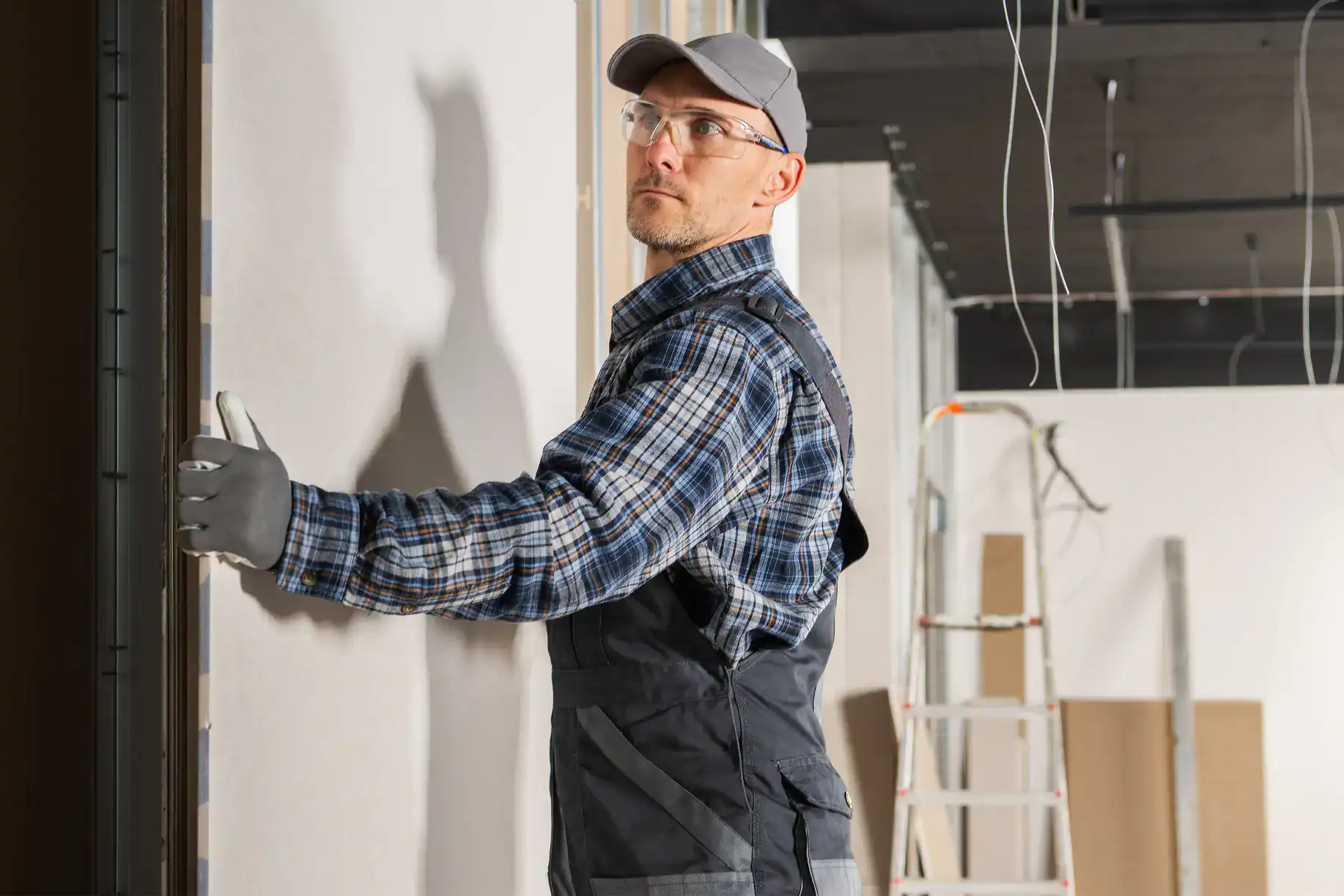
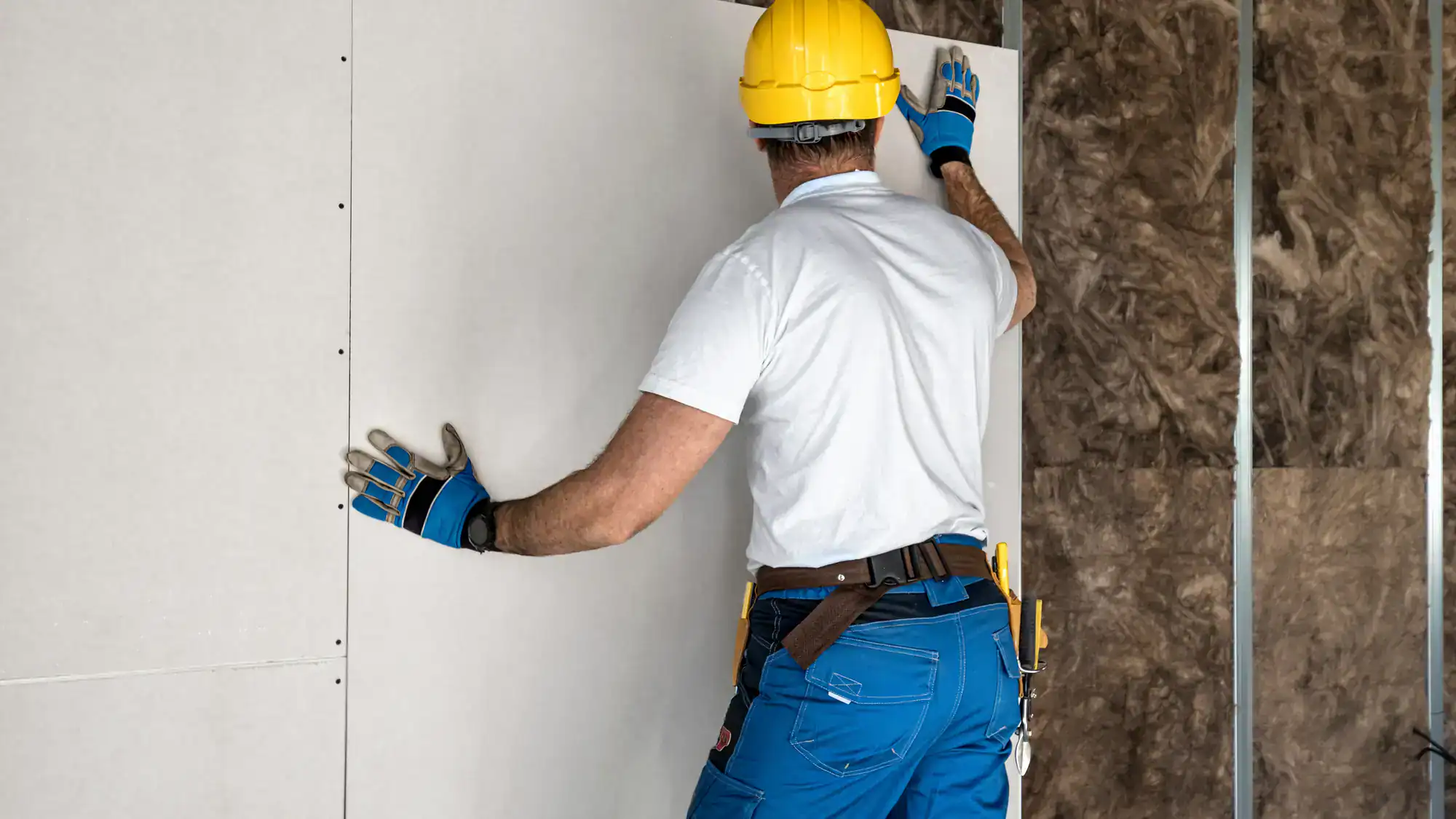
Next comes the actual drywall installation or repair. We use premium mold-resistant drywall and professional-grade joint compound. Each coat gets applied in thin, even layers—not thick globs that crack later.
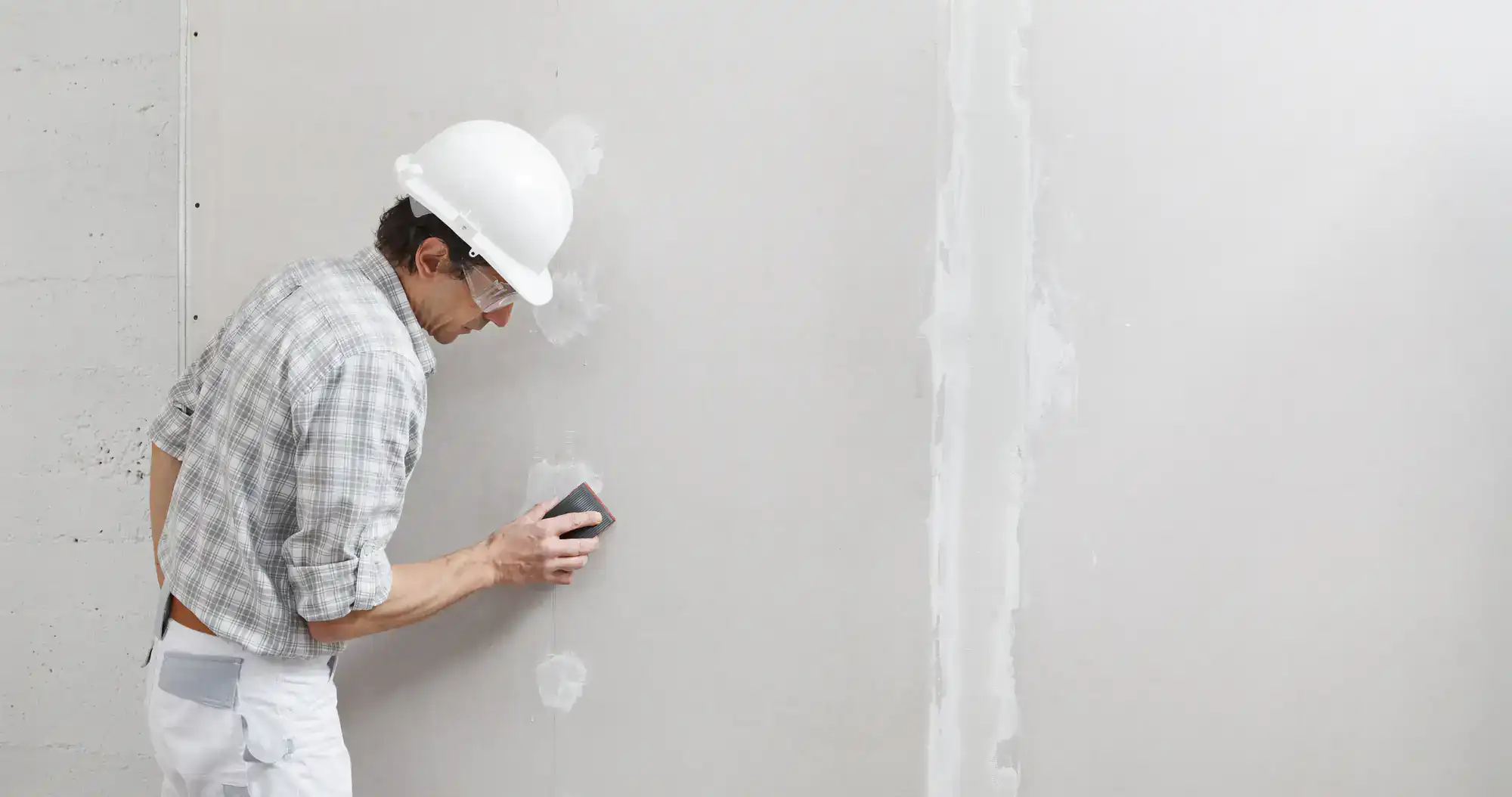
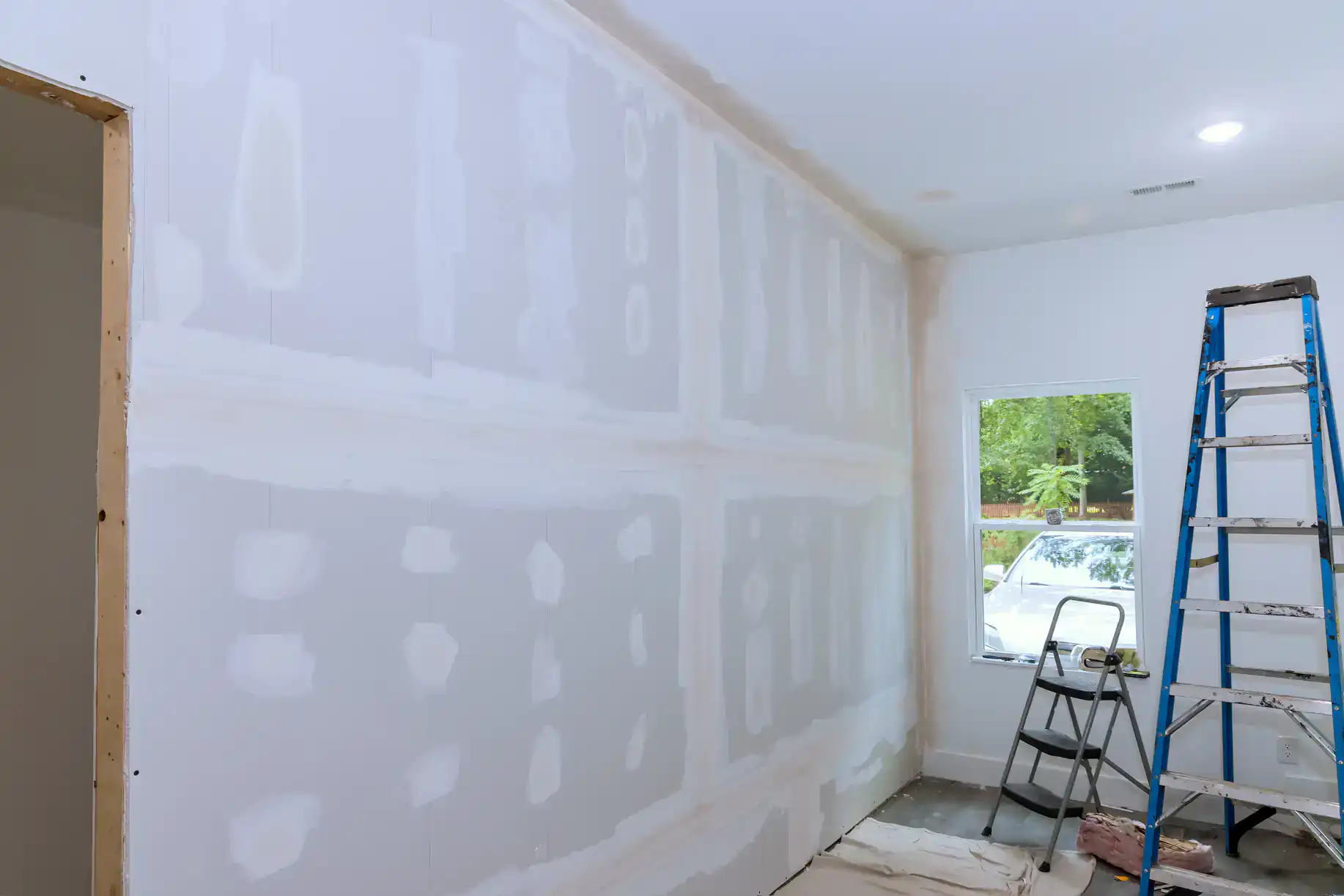
Then the real work starts: taping and mudding. This is where most contractors cut corners. We apply multiple coats, letting each one dry completely before sanding and adding the next. The goal is a surface so smooth that seams disappear entirely.
Texture matching comes last. If your existing walls have texture, we replicate it so repairs blend in. Once everything is sanded smooth and textures are matched, we clean up completely. You’re left with walls ready for primer and paint—no dust, no debris, no mess to deal with.
Ready to get started?
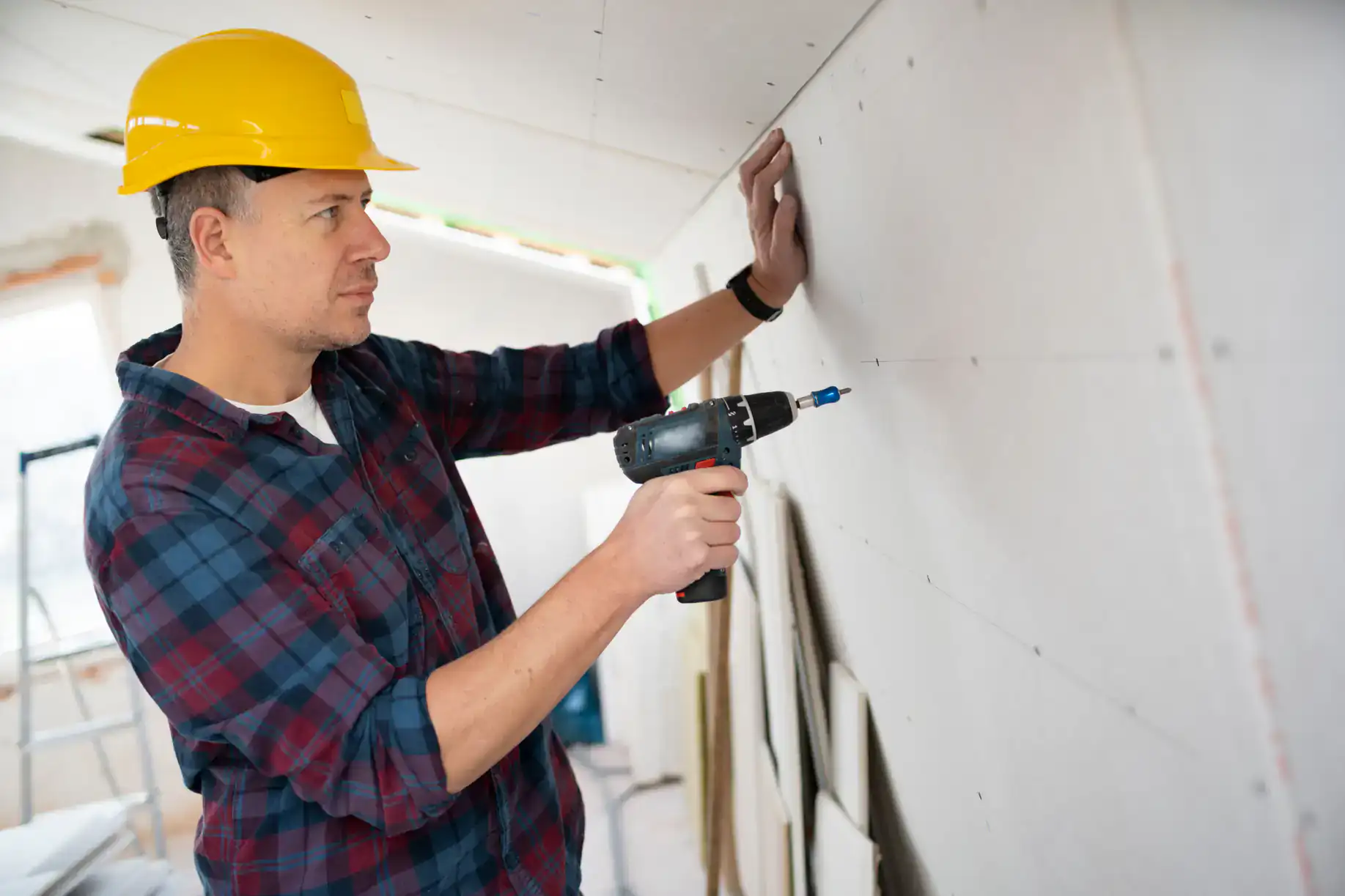
You get complete drywall finishing services from installation through final sanding. That includes hanging new drywall if needed, taping all seams with paper or mesh tape depending on the application, and applying multiple coats of joint compound.
We handle texture matching for repairs so patched areas don’t stand out. Pennsylvania’s seasonal temperature swings cause drywall to expand and contract, leading to cracks and screw pops. We address these issues properly so they don’t come back in six months.
Every job includes full cleanup. We’re not leaving you with piles of drywall dust or compound smeared on your floors. The work area gets cleaned completely before we consider the job done.
Saint Leonard homeowners often deal with water damage from roof leaks or plumbing issues. We assess moisture damage before repairing drywall because patching over wet or moldy drywall just creates bigger problems. If mold is present, that gets addressed first—drywall’s paper surface feeds mold growth, and it can develop within 24 to 48 hours of water exposure.
Most drywall repairs finish within a few hours to one day. Small holes, cracks, and minor damage often get completed the same day you call.
Larger projects involving full room finishing take longer because joint compound needs time to dry between coats. Rushing this process leads to cracking, bubbling, and visible seams later. Each coat typically needs 24 hours to dry completely before sanding and applying the next layer.
A standard room might take two to three days from start to finish when you account for proper drying time. We’ll give you an accurate timeline during the estimate so you know exactly what to expect. Weather affects drying time too—high humidity slows the process, while very dry conditions can cause compound to dry too fast and crack.
Drywall finishing has five levels, ranging from basic taping to smooth, paint-ready surfaces. Most homes need Level 4 or Level 5 finishing depending on lighting and paint type.
Level 4 involves taping all joints, applying multiple coats of compound, and sanding smooth. This works fine for walls that will be painted with flat or matte paint in rooms with normal lighting. Level 5 adds a skim coat over the entire surface, creating an ultra-smooth finish that won’t show imperfections under harsh lighting or glossy paint.
You need Level 5 finishing if you’re using semi-gloss or gloss paint, or if the room has large windows or bright lighting that will highlight every imperfection. Skipping this step to save money means you’ll see every seam and dimple once paint goes on. We recommend the appropriate level based on your specific situation—not whatever’s easiest for us.
Repairs show through paint when the finishing work wasn’t done properly. Common causes include insufficient coats of joint compound, poor feathering at the edges, skipped sanding, or mismatched texture.
Joint compound needs to be built up gradually in thin coats and feathered out well beyond the repair area. If the edges are too abrupt or the center isn’t perfectly smooth, you’ll see ridges and dimples after painting. Sanding is critical—you can’t skip this step or rush through it because imperfections always appear once primer and paint go on.
Texture matching is another common failure point. If your walls have orange peel, knockdown, or another texture, the repair needs to match exactly. Spraying texture requires specific tools and technique. Getting it wrong means the repair stands out like a spotlight is on it. We take the time to match existing textures properly so repairs become invisible once painted.
Professional drywall finishing typically costs between $1.50 and $3.50 per square foot depending on the level of finish required and project complexity. Small repairs might have minimum charges since mobilizing for a tiny patch costs the same as a larger job.
You’re not just paying for materials and labor. You’re paying for work that won’t need redoing in six months. Cut-rate contractors who charge significantly less usually skip steps—fewer coats, inadequate sanding, no proper texture matching. That saves them time but leaves you with visible repairs and callbacks.
We quote fixed prices before starting work. The price we give you is what you pay—no surprise fees for “unexpected” issues or additional coats that should have been included from the start. Given Saint Leonard’s median household income and housing values, most homeowners here understand that quality work costs more upfront but saves money long-term by avoiding do-overs and additional repairs.
Yes, texture matching is included with every repair. Whether your walls have orange peel, knockdown, skip trowel, or another texture, we replicate it so repairs blend invisibly with surrounding areas.
Matching texture requires the right tools and years of practice. Orange peel texture uses a spray gun with specific pressure settings. Knockdown texture involves spraying then lightly flattening the peaks with a trowel at exactly the right time. Skip trowel and other hand-applied textures require technique that only comes from doing it repeatedly.
The compound mixture matters too—too thick and the texture won’t spray properly, too thin and it runs. We test the texture on scrap material first to ensure it matches before applying it to your walls. This extra step takes time but it’s the difference between repairs that disappear and patches that announce themselves every time you walk past.
Yes, we repair and replace water-damaged drywall, but we assess the moisture source first. Patching over wet drywall or active leaks just creates bigger problems down the road.
Water causes drywall to swell, soften, and lose structural integrity. The paper surface becomes a food source for mold, which can develop within 24 to 48 hours of water exposure. We check for mold and moisture levels before starting repairs because covering up mold doesn’t eliminate it—it just hides the problem until it spreads.
If the water source is fixed and the area is dry, we remove damaged sections and install new mold-resistant drywall. Pennsylvania’s climate means homes deal with humidity, roof leaks, and plumbing issues that affect drywall. We use premium mold-resistant materials in areas prone to moisture so repairs last. Once new drywall is installed, we finish it to match your existing walls so you can’t tell where the damage was.
Other Services we provide in Saint Leonard