
You’re not patching the same crack six months from now. The seams don’t show through your paint. Your walls are smooth enough that you can run your hand across them and feel nothing but flat surface.
That’s what proper drywall finishing in Rockledge, PA looks like. It starts with addressing what caused the problem—whether that’s settling, moisture, or movement—not just covering it up. Then it’s reinforced correctly, layered with professional-grade compound, and sanded until the transition disappears completely.
You walk into a room that looks finished. Not “good enough.” Not “we’ll touch it up later.” Finished. Ready for paint, ready for your furniture, ready to stop thinking about your walls.
And when the job’s done, your home is clean. No dust on your floors. No dried mud on your trim. No leftover mess that becomes your problem.
We handle drywall finishing projects across Rockledge, PA and surrounding areas when homeowners want it done once and done correctly. We’re the call you make when you’re tired of contractors who leave messes, miss spots, or disappear before the job’s actually complete.
Rockledge homes deal with Pennsylvania’s freeze-thaw cycles, seasonal humidity shifts, and the settling that comes with older foundations. We’ve seen what happens when drywall work doesn’t account for those factors. Cracks reappear. Seams telegraph through paint. Repairs become recurring problems.
We use mold-resistant materials, professional-grade compounds, and proper reinforcement techniques. Every project gets the same attention we’d give our own homes—clean work practices, respect for your space, and a commitment to leaving your walls in better shape than we found them.
First, we assess what’s actually going on. If there’s a crack, we’re looking at whether it’s cosmetic or if there’s movement or moisture causing it. If it’s a seam issue, we’re checking whether the original tape failed or if the compound wasn’t applied correctly. You get a straight answer about what needs to happen and why.
Then we prep the area properly. That means removing any loose material, reinforcing with the right tape or mesh, and making sure the surface is ready to accept new compound. Shortcuts here are why most repairs fail within a year.
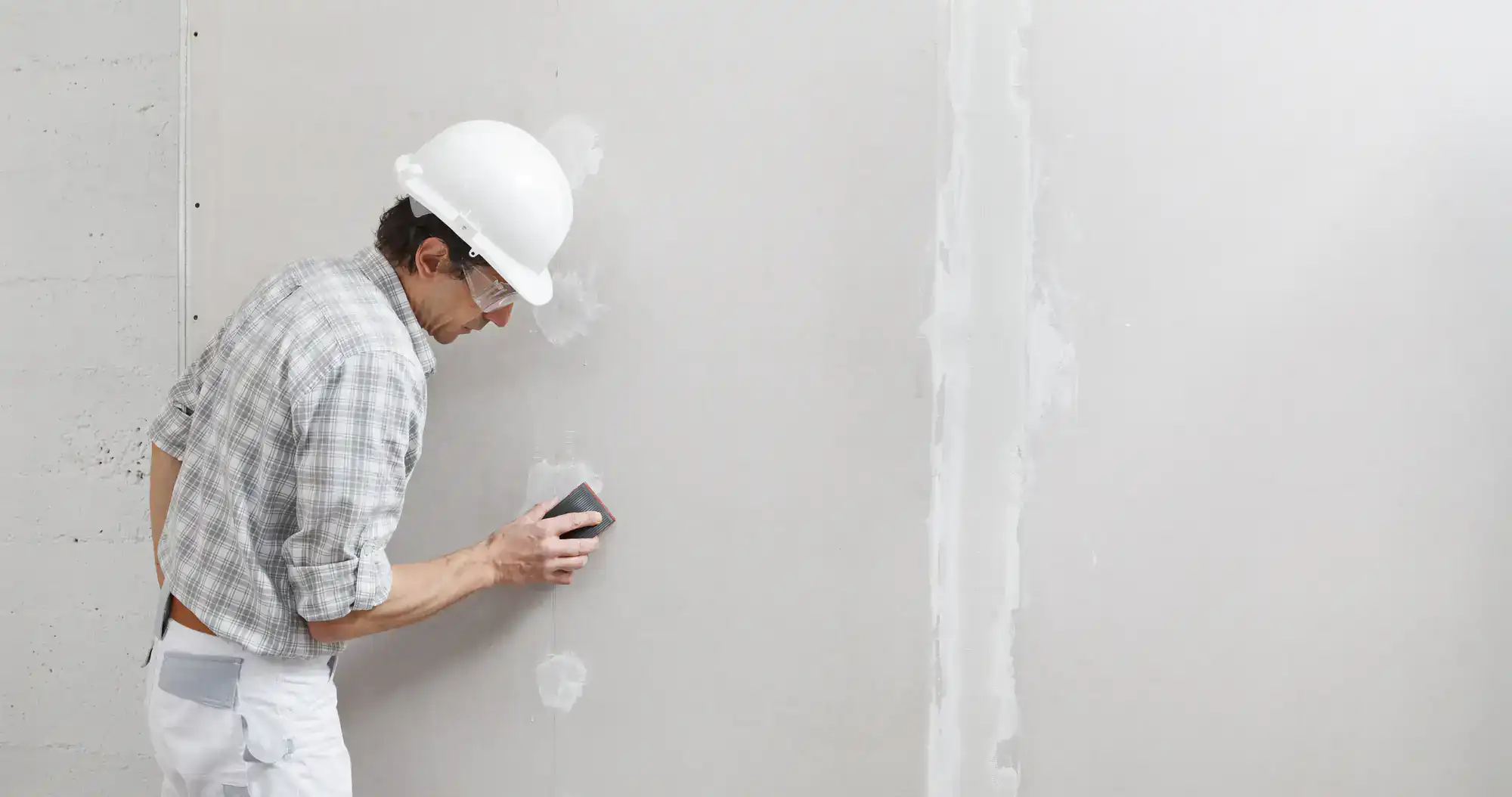
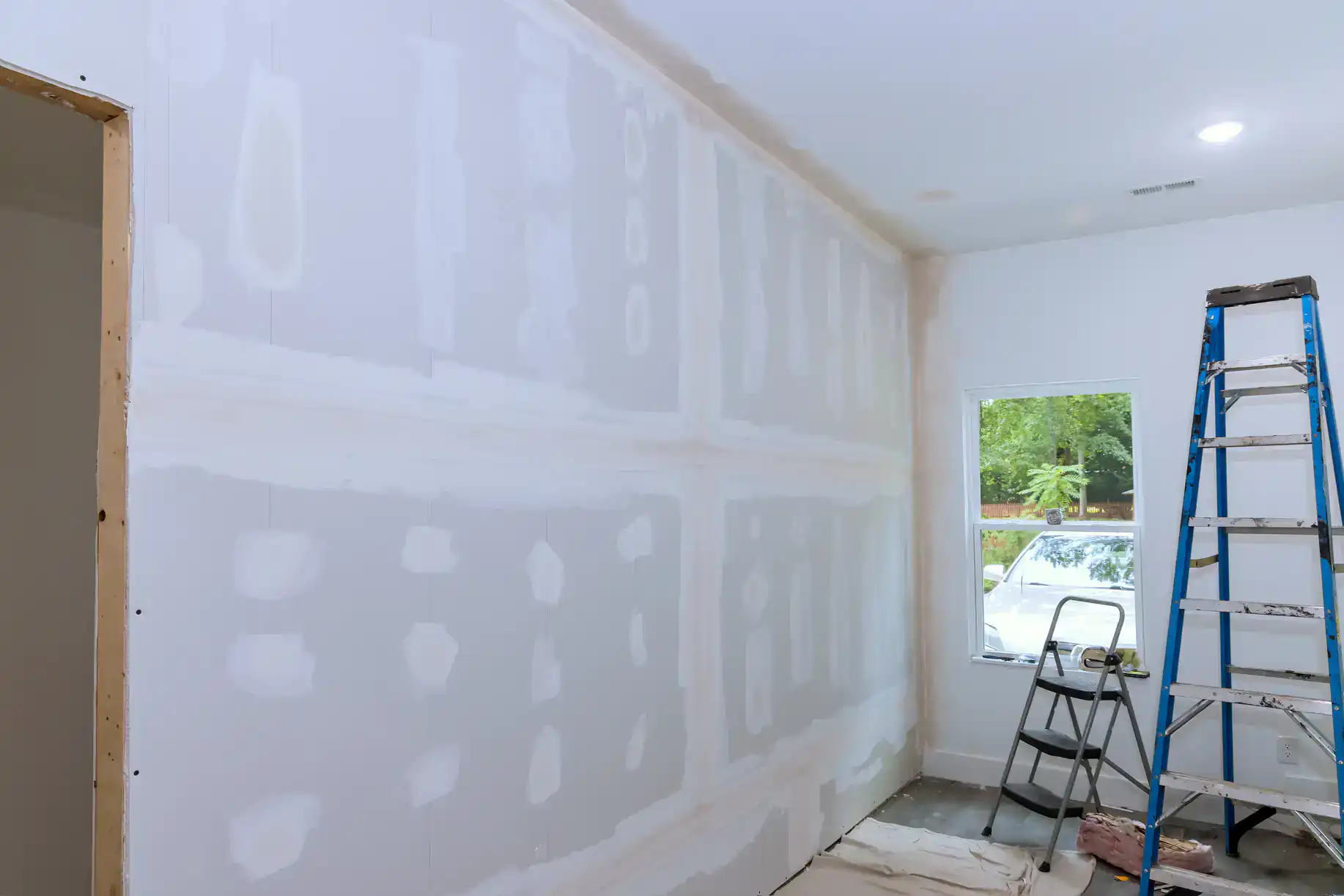
The finishing process involves multiple coats of compound, each one feathered and sanded smooth. We’re not piling it on thick and calling it done. Each layer builds on the last until the repair blends completely into the surrounding wall. The goal is that you forget where the problem was.
Final sanding brings everything to a smooth, paint-ready finish. Then we clean up completely—vacuum the dust, wipe down surfaces, and remove all debris. You’re left with walls that are ready for whatever comes next, and a home that’s cleaner than when we arrived.
Ready to get started?
Every drywall finishing project in Rockledge, PA includes proper surface preparation, multiple coats of professional-grade compound, precision sanding, and complete cleanup. You’re not paying extra for us to finish the job correctly or clean up after ourselves.
We handle everything from small patch repairs to full-room finishing work. That includes taping and mudding new drywall installations, repairing damaged sections, matching existing textures, and preparing surfaces for paint or wallpaper. If it involves getting your walls smooth and ready, we handle it.
Rockledge’s housing mix—from historical homes to newer construction—means we’re regularly working with different wall types, ages, and conditions. Older plaster walls require different approaches than modern drywall. Homes with humidity issues need mold-resistant materials. We adjust our methods based on what your specific project requires, not what’s easiest for us.
You also get transparent communication about timelines and what to expect. Most finishing projects take 2-4 days depending on size and complexity, with drying time between coats built into that estimate. We’re not rushing through to get to the next job. We’re making sure each layer is properly dry and ready before moving forward.
Plan on 24-48 hours after the final coat before you paint, though it depends on humidity and temperature. Rushing this is one of the biggest mistakes homeowners make after DIY repairs.
Compound needs to dry completely, not just on the surface. If there’s any moisture left underneath, your paint won’t adhere properly. You’ll see discoloration, peeling, or a flat spot where the sheen doesn’t match the rest of the wall.
In Rockledge’s humid summers, drying takes longer. In winter when your heat is running, it’s faster. We’ll tell you exactly when your walls are ready based on the conditions in your home, not a generic timeline. If you’re hiring a painter separately, we coordinate timing so they’re not showing up before the surface is actually ready.
Most recurring cracks mean the movement or stress causing them was never addressed. You can patch a crack all day long, but if the foundation is still settling or there’s moisture expanding and contracting the material, it’s coming back.
Common causes in Rockledge homes include foundation settling (especially in older properties), temperature and humidity fluctuations, and structural movement from roof or floor loads. Sometimes it’s as simple as a house adjusting to seasonal changes. Other times it’s a sign of a bigger issue that needs attention.
Before we repair any crack, we assess what’s causing it. Hairline cracks from normal settling get treated differently than wider cracks that suggest ongoing movement. If we see signs of a structural issue, we’ll tell you. Patching over a problem without addressing the cause isn’t a repair—it’s a temporary cover-up that wastes your money.
Yes, though some textures are easier to match than others. Orange peel and knockdown are straightforward. Older hand-troweled textures or specific patterns take more work but are still achievable.
The key is blending the new texture into the existing so there’s no visible line where the repair ends. That requires the right tools, the right technique, and honestly, experience knowing how different textures behave as they dry.
We test the pattern on scrap material first to make sure we’ve got it dialed in before touching your wall. Once we’re confident in the match, we apply it and feather the edges so the transition disappears. The goal is that even you can’t tell where the repair was after it’s painted. If your texture is particularly unique or if we’re working with a small repair in a highly visible area, we’ll walk you through what’s realistic before starting.
We handle water damage, but only after the source is fixed. There’s no point repairing drywall if the leak is still active. You’re just setting yourself up for mold and another repair bill.
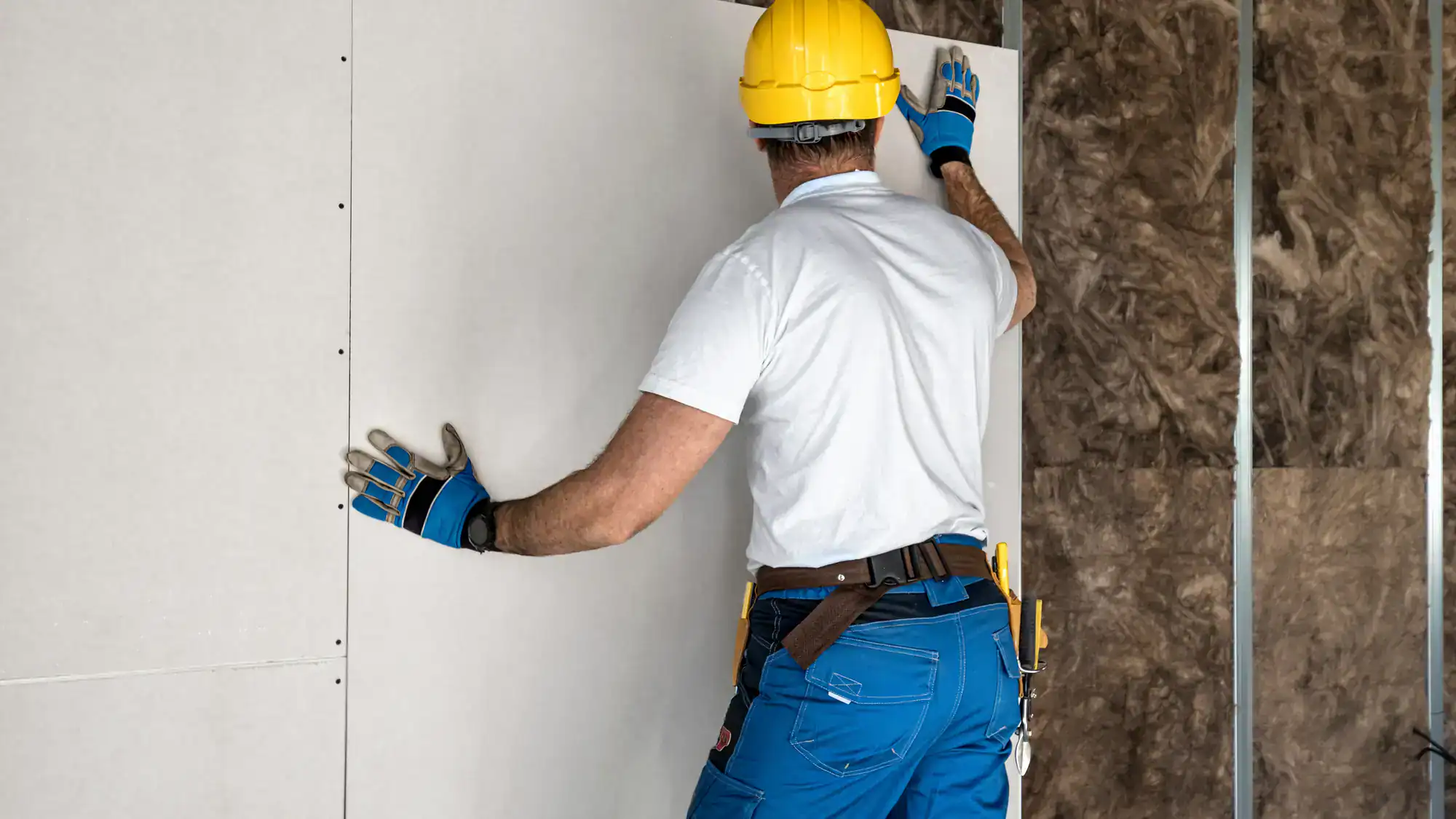
Water-damaged drywall needs to be cut out and replaced, not patched. Once drywall gets saturated, it loses structural integrity and becomes a breeding ground for mold. We remove the damaged section, check the framing and insulation behind it, and install new mold-resistant drywall.
Pennsylvania’s humidity and older plumbing systems mean water damage is one of the most common calls we get in Rockledge. Roof leaks, pipe issues, and even condensation problems all affect what’s happening inside your walls. If we see signs of ongoing moisture during our assessment, we’ll point it out. Getting the underlying issue fixed first saves you from paying for the same repair twice.
Sanding creates dust—there’s no way around that. But the difference between a contractor who cares and one who doesn’t is what happens with that dust.
We use dust containment methods, cover your floors and furniture, and seal off work areas when possible. After sanding, we vacuum with HEPA filters, wipe down surfaces, and remove all debris. You shouldn’t be finding drywall dust on your kitchen counters three weeks later.
The other mess factor is compound drips and spills. We use drop cloths, we’re careful with our tools, and we clean as we go. If we get mud on your trim or floor, we wipe it up immediately while it’s still wet—not after it’s dried and become your problem. Complete cleanup is included in every job because leaving your home clean isn’t extra service, it’s basic respect.
There are three main types: all-purpose, topping, and setting-type compound. Each has specific uses, and using the wrong one is why some repairs fail or take forever to dry.
All-purpose compound works for most applications but shrinks as it dries, which means you need multiple coats. Topping compound is lighter and easier to sand, making it ideal for final coats. Setting-type compound hardens through a chemical reaction rather than drying, so it’s stronger and faster—perfect for structural repairs or filling deep holes.
We use professional-grade compounds matched to what your specific project needs. First coats on repairs typically get setting-type compound for strength. Subsequent layers use topping compound for easier sanding and a smoother finish. We’re not using the cheapest bucket from the big box store. You’re getting materials that perform consistently and last. The compound choice affects dry time, sandability, and how well the repair holds up long-term, so it matters more than most homeowners realize.
Other Services we provide in Rockledge