Most drywall repairs fail because the finishing work shows. You end up with lumpy patches, mismatched textures, or seams that catch the light wrong. That’s not a small problem in Powelton Village’s Victorian rowhouses where original plaster meets modern drywall and every wall tells a story.
Professional drywall finishing means you can’t tell where the repair happened. The texture matches perfectly. The surface is smooth and level. The paint goes on evenly without shadows or ridges showing through.
You’re not just covering damage. You’re restoring the wall to its original condition, using techniques that account for how older homes settle and move. That means proper joint compound application, multiple coats with adequate drying time, and finishing methods that prevent future cracking from the seasonal expansion your home goes through every year.
The difference shows up immediately and lasts for years. No callbacks for touch-ups. No repainting the same spot six months later. Just walls that look right and stay that way.
We’ve spent over a decade working on homes throughout Montgomery and Bucks County, including plenty of projects in Powelton Village’s historic district. We started Sharpe Drywall because too many contractors were leaving messes, missing details, and forcing homeowners to hire someone else to fix their fixes.
Working in Powelton Village means understanding how Victorian-era construction behaves. Your walls aren’t standard. The framing isn’t always level. Moisture from Philadelphia’s humidity affects plaster and drywall differently. These aren’t problems—they’re just realities that require experience to handle correctly.
We’re licensed, insured, and local. Most of our work comes from referrals because people remember when a contractor actually shows up on time, finishes the job properly, and cleans up completely before leaving.
First, we assess the damage and the surrounding wall condition. In older Powelton Village homes, that means checking for moisture issues, testing how the existing surface is attached, and identifying what materials we’re working with. You get a clear estimate before any work starts.
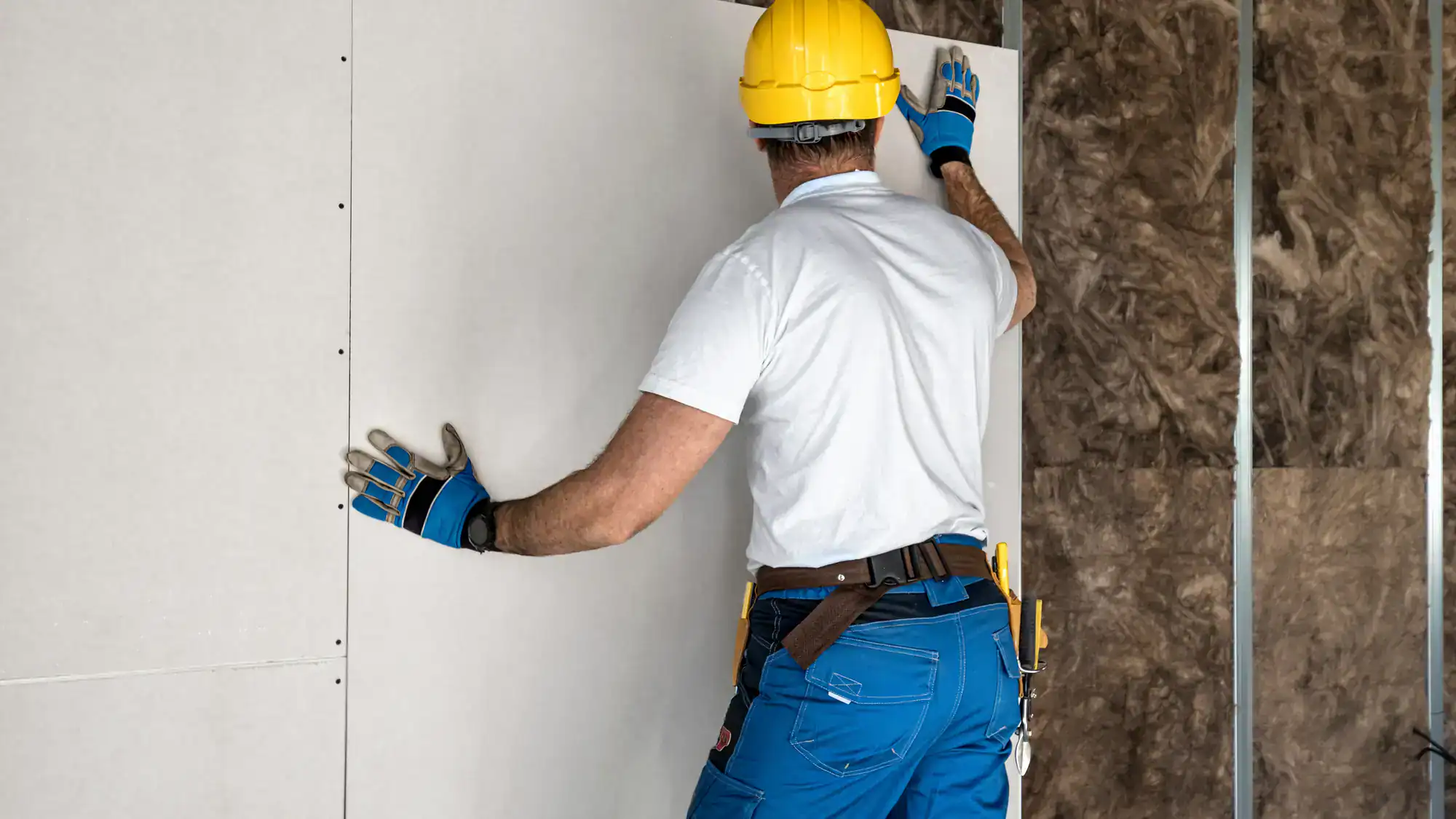
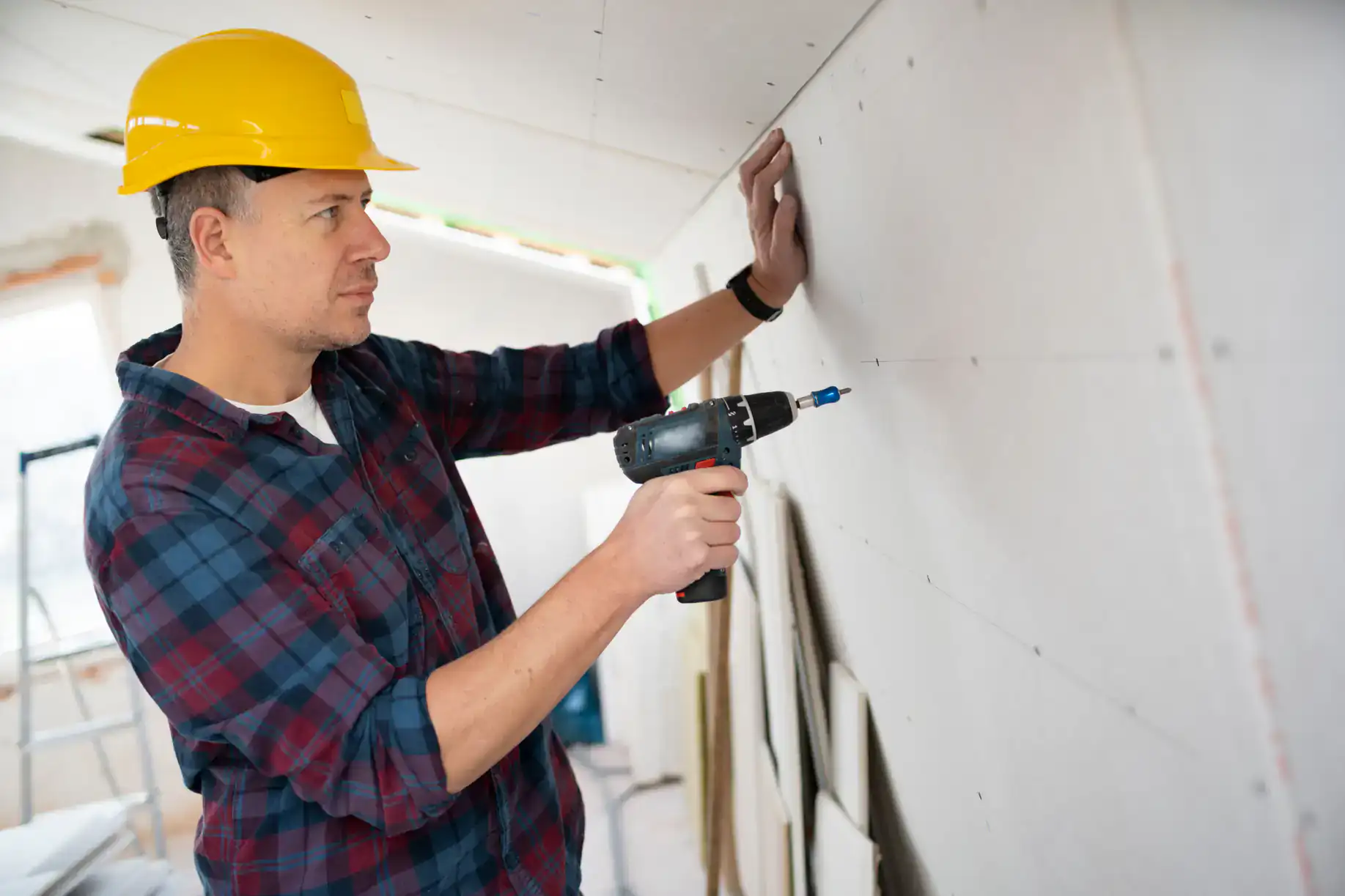
Next comes the actual repair work—cutting out damaged sections, installing new drywall or patching material, and securing everything properly to the framing. This step determines whether your repair lasts or fails in six months.
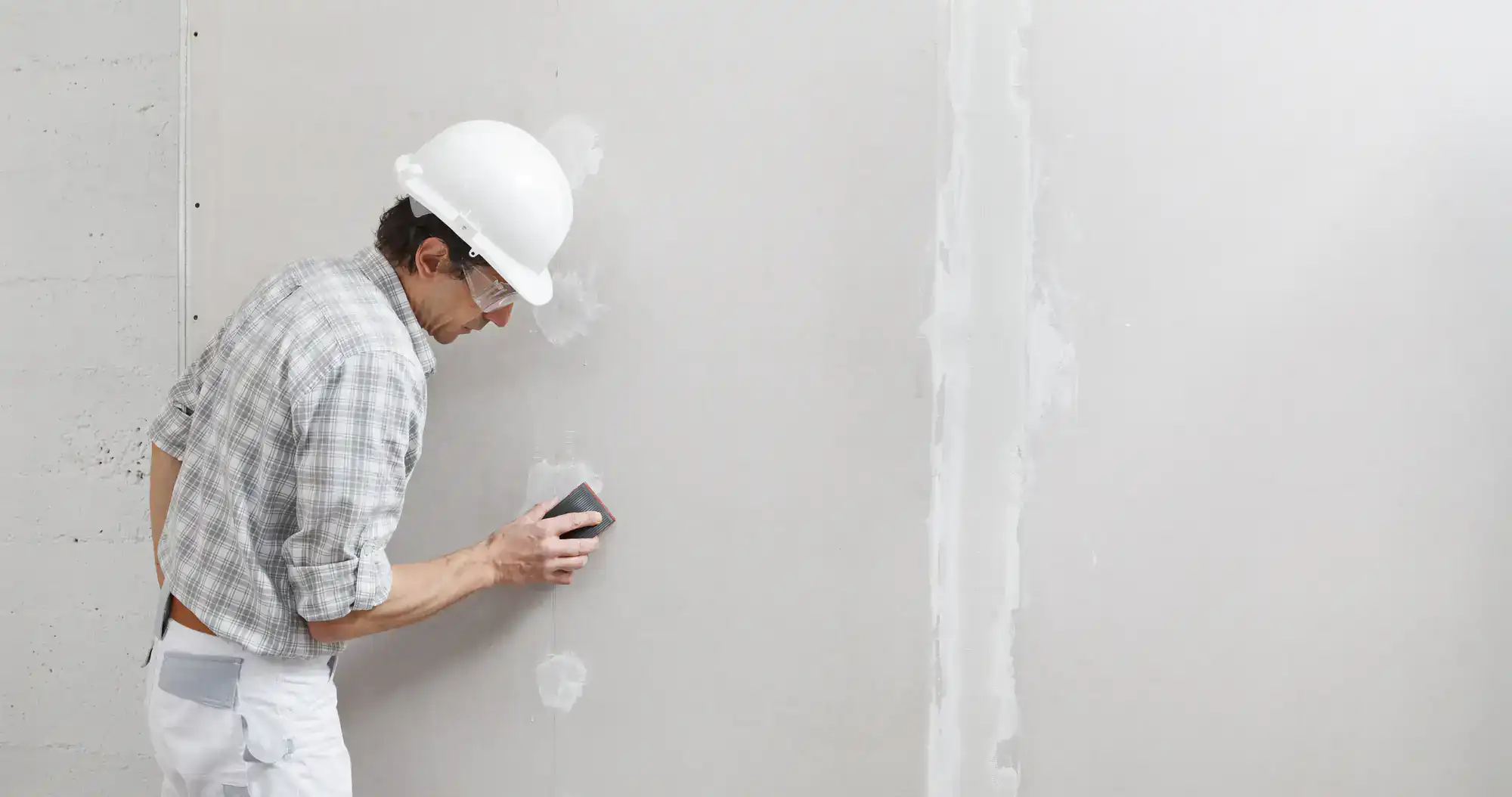
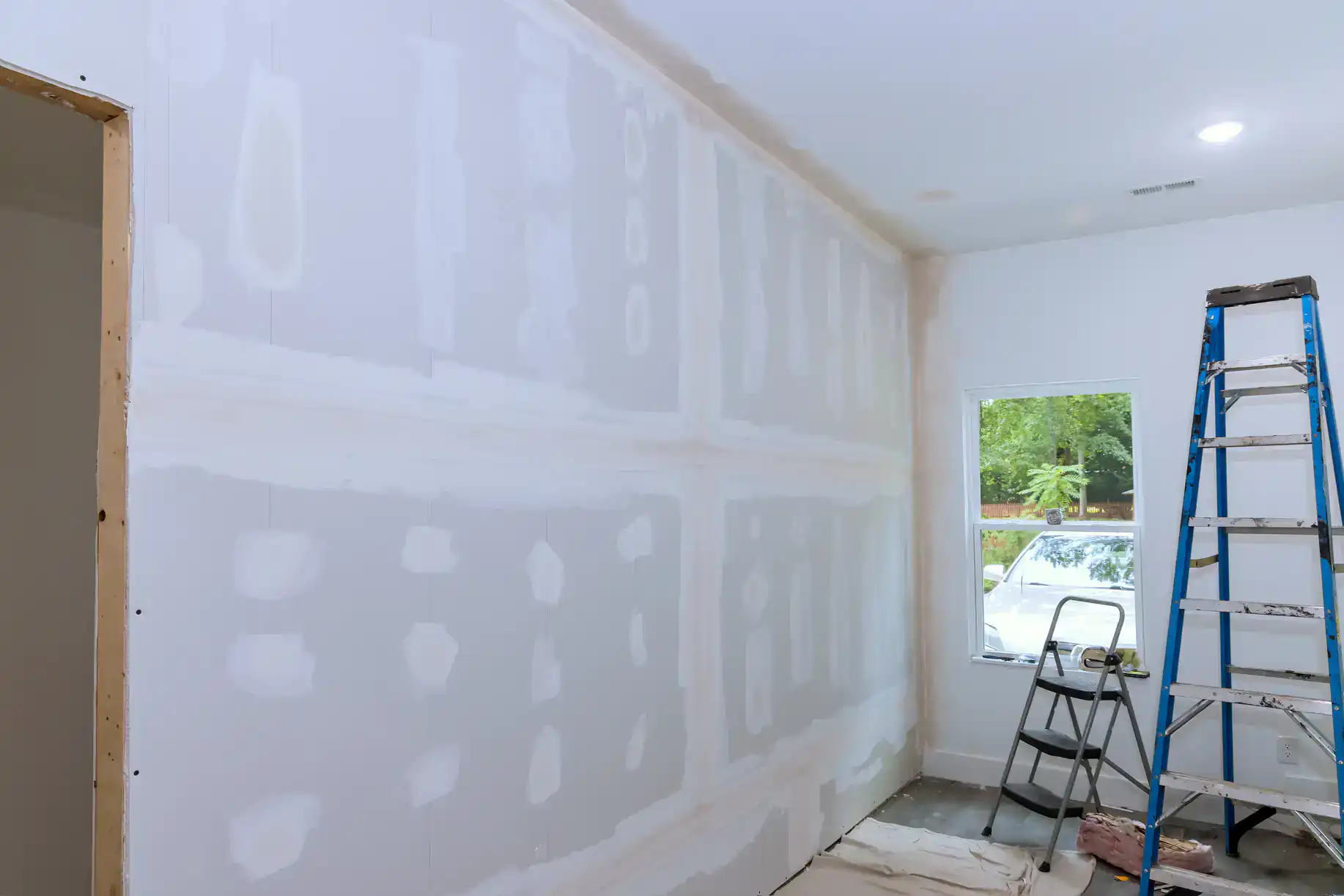
Then the finishing process begins. That’s where drywall taping and mudding happens—applying joint compound in multiple thin coats, sanding between applications, and building up the surface gradually. Rushing this part is what causes those obvious patches you see in bad repair jobs.
The final step is texture matching and priming. We recreate whatever finish your wall has—smooth, knockdown, skip trowel, or something custom. The goal is making the repair disappear completely so you can paint over it without any indication that damage was ever there.
Most jobs in Powelton Village finish in a single day. Larger projects might need a second visit after the compound fully cures. Either way, you know the timeline upfront and we stick to it.
Ready to get started?
You get complete drywall finishing services from repair through final prep for painting. That includes damage assessment, material removal if needed, installation of new drywall sections, full taping and mudding with multiple coats, sanding, texture matching, and priming.
We use mold-resistant materials in areas where Powelton Village homes typically have moisture concerns—exterior walls, bathrooms, kitchens, and basements. Philadelphia’s humidity isn’t going away, so your repairs need to account for it from the start.
Complete cleanup is part of every job. Drywall dust gets everywhere if you’re not careful, and joint compound drips are impossible to remove once they dry. We protect your floors and furniture, contain the work area, and leave your home cleaner than many contractors would.
You also get transparent pricing that doesn’t change mid-project. The estimate covers materials, labor, and cleanup. No surprise fees for “unexpected” issues that any experienced contractor should have spotted during the initial assessment.
The biggest thing you get is expertise working with historic properties. Your 1890s rowhouse doesn’t behave like a 1990s suburban home. The walls aren’t perfectly plumb. The corners aren’t exactly square. Standard techniques don’t always work. We’ve handled these challenges enough times to know what actually works in Powelton Village’s older housing stock.
Most drywall finishing projects in Powelton Village complete within a single day, though the timeline depends on the scope of damage and how many areas need work. A typical repair—fixing a hole, water damage spot, or crack—takes three to six hours including all coats of joint compound and texture matching.
Larger projects like finishing an entire room after drywall installation might need two days. The first day covers installation, taping, and initial mudding. The second day handles final coats, sanding, and texture application after the compound has fully cured.
The curing time matters more than people realize. Joint compound needs to dry completely between coats or you’ll end up with cracking and shrinkage later. We don’t rush that process just to finish faster, because it compromises the final result. You’d rather have a repair that takes an extra few hours and lasts for years than a quick patch job that fails in six months.
Yes, texture matching is a core part of professional drywall finishing. Whether your walls have knockdown texture, orange peel, skip trowel, or a smooth finish, we recreate it so the repair blends invisibly with the surrounding surface.
Texture matching requires the right tools and enough experience to know how different techniques look once they dry. A knockdown texture applied with a trowel looks different than one done with a spray gun. The pressure, timing, and compound consistency all affect the final appearance.
In Powelton Village’s older homes, we sometimes encounter custom textures or plaster finishes that need special attention. Those situations take more time because we’re essentially reverse-engineering a technique that might be decades old. But that’s what separates invisible repairs from obvious patches that anyone can spot from across the room.
Water damage is the most common culprit in Powelton Village. Roof leaks, plumbing issues, and exterior moisture penetration all affect drywall, especially in homes built before modern waterproofing standards existed. You’ll see bubbling paint, soft spots, or brown staining when water has compromised the drywall.
Settling and structural movement also cause problems. Philadelphia’s freeze-thaw cycles make foundations shift slightly, which creates stress on walls. That shows up as cracks along seams, nail pops, or separation between the wall and ceiling. It’s not necessarily a structural problem—just normal movement that older homes experience.
Impact damage happens too—furniture hits, doorknob holes, accidental punctures during renovations. Those repairs are straightforward compared to water damage or structural issues. The key is addressing the underlying cause before finishing the repair, or you’ll just be fixing the same spot repeatedly.
Professional drywall finishing in Powelton Village typically costs between $300 and $800 for standard residential repairs, depending on the damage extent and how much wall surface needs work. Small repairs like fixing a single hole or crack usually fall in the $300-$500 range. Larger projects involving multiple areas or entire walls cost more.
The price reflects materials, labor, and the skill required to make repairs invisible. You’re paying for multiple coats of joint compound applied correctly, proper sanding between coats, texture matching that actually works, and cleanup that leaves your home ready for painting.
Cheaper quotes usually mean corners get cut somewhere—fewer coats of compound, rushed drying times, poor texture matching, or incomplete surface prep. Those shortcuts show up immediately in the finished product and often require complete re-dos within months. We price our work to deliver results that last, which costs less over time than repeatedly fixing failed repairs.
Yes, water damage restoration is a significant part of our drywall finishing work in Powelton Village. Older homes face moisture challenges from aging roofs, outdated plumbing, and exterior walls that weren’t built with modern moisture barriers.
The process starts with identifying and fixing the water source. There’s no point repairing drywall if the leak continues. Once the source is addressed and the area has dried completely, we remove damaged sections, check the framing for moisture or mold, and install new mold-resistant drywall.
Water damage often extends beyond what’s visible on the surface. Drywall can look fine from the front while the back side against the studs is completely saturated. We check thoroughly because hidden moisture leads to mold growth and structural problems that are far more expensive to fix later. You want someone who knows what to look for in historic properties where water damage patterns differ from newer construction.
Most obvious repairs fail because the finishing work was rushed or done by someone without enough experience working in historic homes. Powelton Village’s Victorian rowhouses have unique challenges—uneven framing, plaster mixed with drywall, non-standard dimensions—that require adjusted techniques.
The most common mistake is applying too much joint compound at once. Thick applications crack and shrink as they dry, creating ridges and depressions that show through paint. Professional drywall finishing uses multiple thin coats with proper drying time between applications. It takes longer but creates an actually smooth surface.
Texture matching failures also make repairs obvious. Someone might get the repair structurally sound but then spray on a texture that doesn’t match the surrounding wall. Or they’ll skip the texture entirely, leaving a smooth patch on a textured wall. Those mismatches are impossible to hide with paint. You need the right tools and enough practice to recreate textures accurately, which is why this work requires specialized skill rather than general handyman knowledge.
Other Services we provide in Powelton Village