Your walls look seamless. No visible tape lines, no uneven patches, no texture that screams “amateur hour.” You walk through the space and see smooth surfaces that are ready for paint—or in the case of a Level 5 finish, walls that look like they were poured, not built.
That’s what happens when drywall finishing in Hunting Park Industrial Area is handled by people who know the difference between fast and correct. You’re not dealing with callbacks or touch-ups three weeks later because someone rushed the mud or skipped a coat.
The job gets finished on schedule. Your business doesn’t lose extra days. Your home project doesn’t drag into next month. And when the final walk-through happens, you’re not making a list of things that still need fixing—you’re moving forward.
We work in Hunting Park Industrial Area because we know the buildings here. We know the mix of old row homes, commercial spaces, and industrial properties that make up this neighborhood. We’ve seen the water damage from aging infrastructure, the cracked ceilings from settling foundations, and the patchwork repairs that someone’s cousin attempted last summer.
We’re licensed, insured, and we show up when we say we will. That shouldn’t be remarkable, but in this industry, it is. You’ll get a clear estimate, a realistic timeline, and work that meets commercial and residential standards—not just “good enough.”
This is local work done by people who understand what Hunting Park Industrial Area properties need and what property owners expect when they hire professionals.
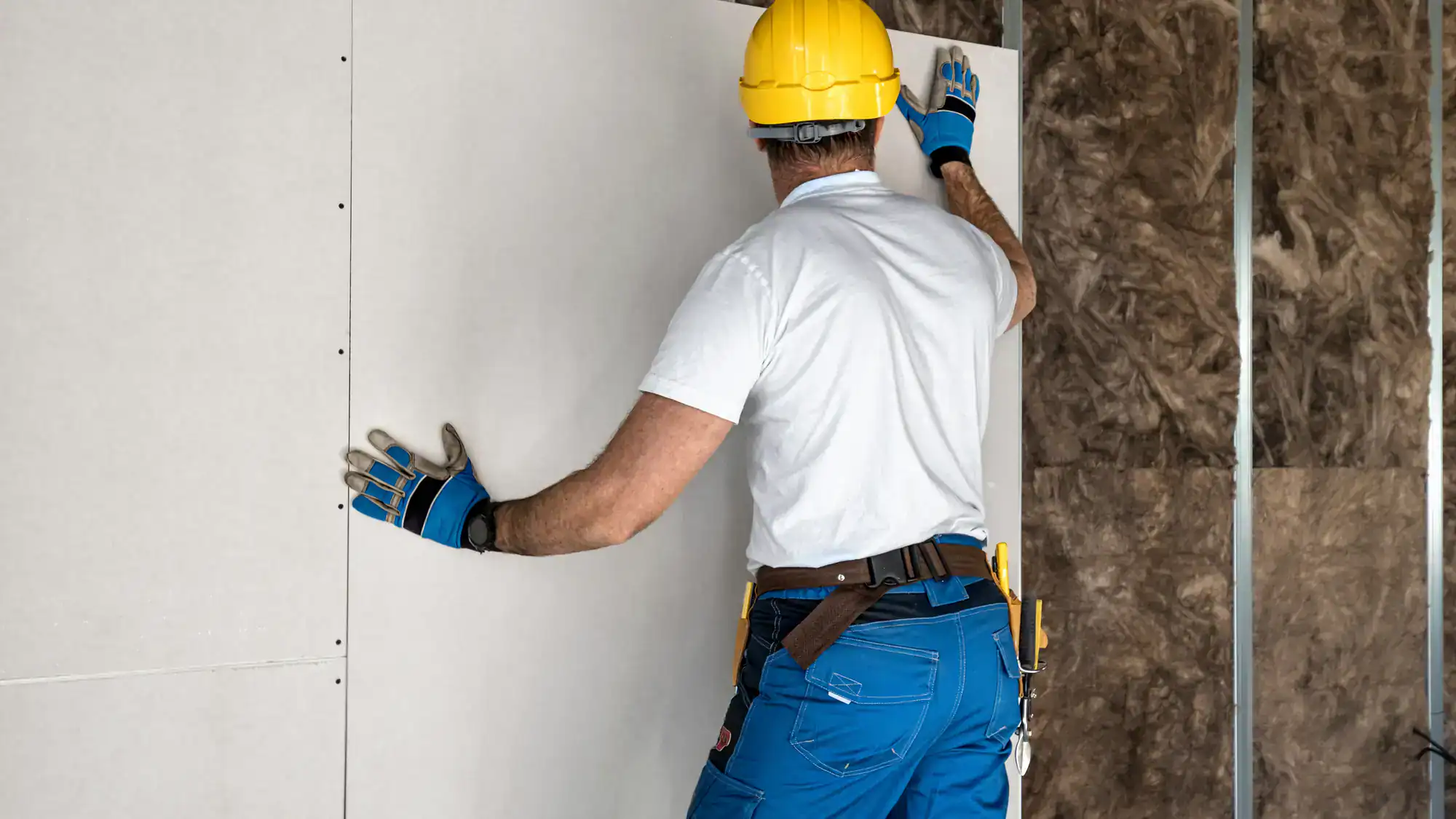
First, we assess what you’re working with. That means looking at the existing drywall, identifying damage or problem areas, and determining what level of finish you actually need. Not every job requires a Level 5 finish, and we’re not going to upsell you on something your project doesn’t call for.
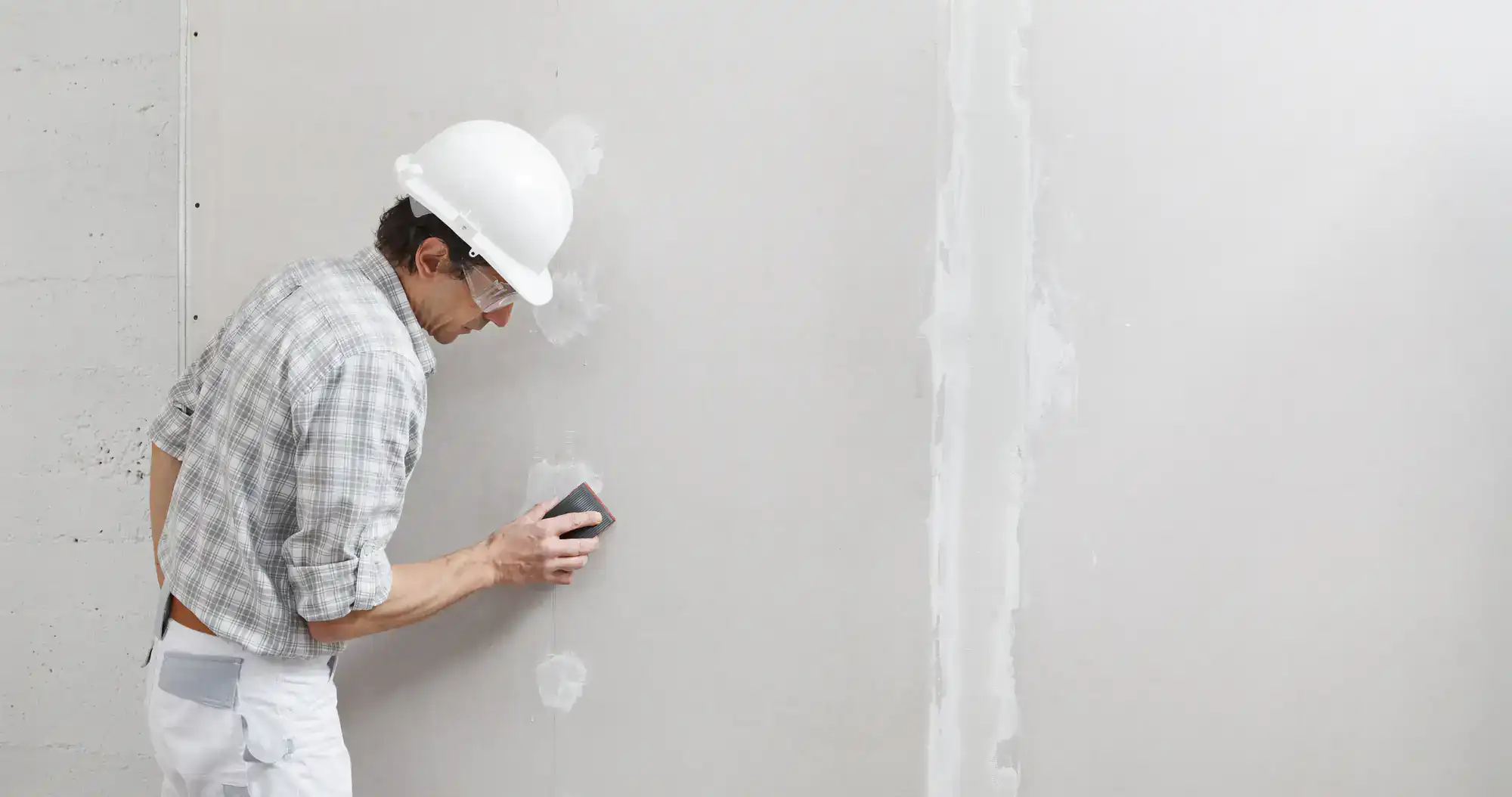
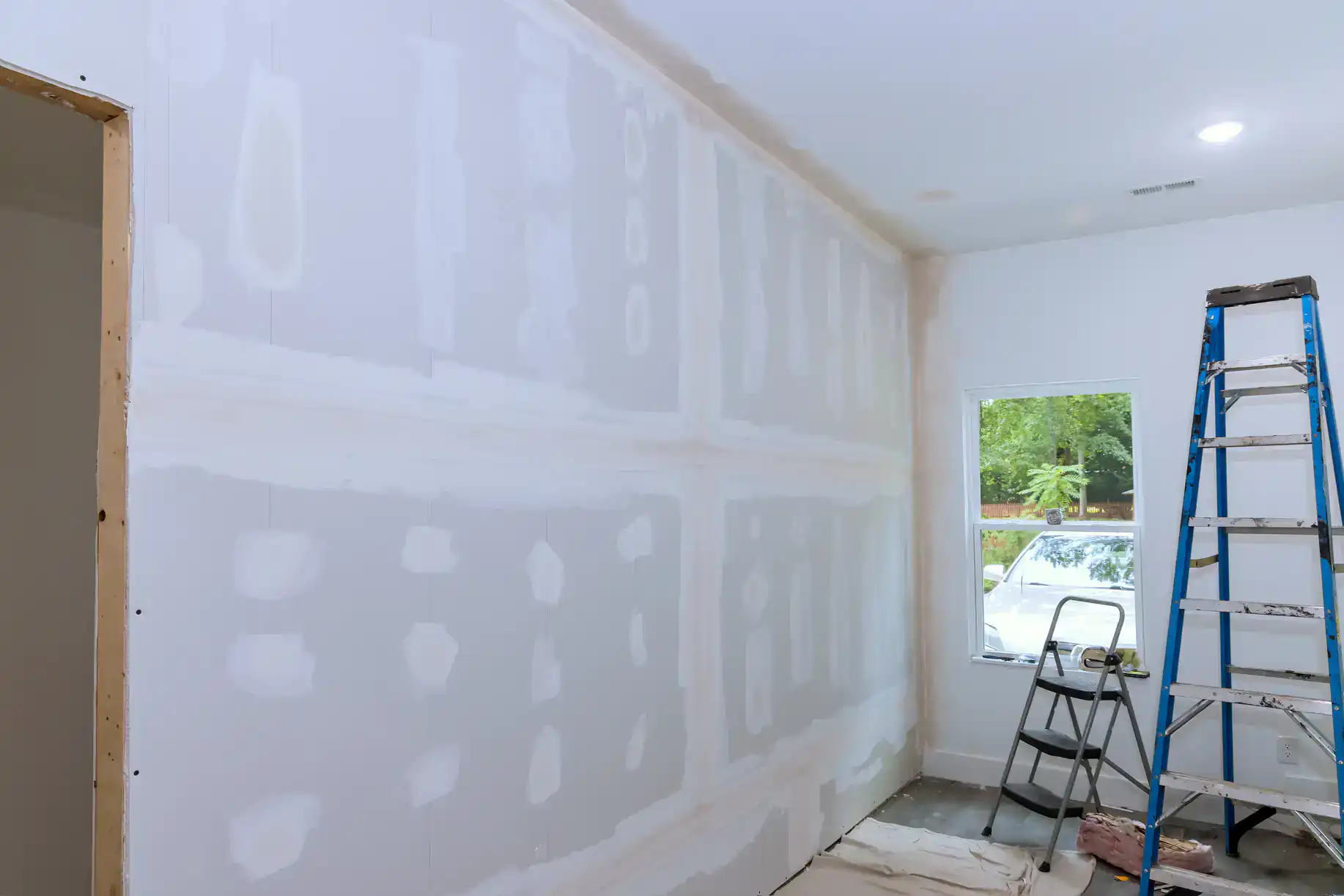
Next comes the taping and mudding. This is where most contractors cut corners, and it’s where you’ll see the difference in the final result. We apply joint compound in stages, let each coat dry properly, and sand between applications. Rushing this process is what causes ridges, bubbles, and visible seams later.
After the final coat is applied and sanded smooth, we clean up the space. That means covering your floors before we start, containing dust during sanding, and leaving the area ready for paint or the next phase of your project. You’re not spending your weekend vacuuming drywall dust out of every corner.
Ready to get started?
You get complete taping, mudding, and finishing work. That covers sealing joints between drywall panels, applying multiple coats of joint compound, sanding to a smooth surface, and delivering the finish level your project requires—whether that’s a standard Level 4 for most residential and commercial applications or a Level 5 finish for high-end spaces with critical lighting.
We handle repairs, too. Water damage, holes from old fixtures, cracks from settling—these aren’t just patched over. We cut out compromised material, install new drywall where needed, and finish it so you can’t tell where the repair was made.
In Hunting Park Industrial Area, we see a lot of water damage from older plumbing and roof leaks. That’s common in this part of Philadelphia, and it’s why we don’t just patch the drywall—we make sure the source of the moisture is addressed first. Otherwise, you’re paying for the same repair twice.
For commercial spaces, we work around your schedule. Early mornings, evenings, weekends—whatever minimizes disruption to your operations. For residential projects, we respect your home, keep the work area contained, and communicate clearly about timelines so you’re never guessing when we’ll be back.
A Level 4 finish is the standard for most residential and commercial projects. The joints are taped, mudded, and sanded smooth, and the surface is ready for flat or textured paint. You won’t see ridges or seams under normal lighting, and it’s what most building codes require.
A Level 5 finish takes it further. It involves applying a skim coat of joint compound over the entire surface—not just the seams—and sanding it to a glass-smooth finish. This is what you need if you’re using flat paint, high-gloss finishes, or if the wall will be hit with harsh or angled lighting that would expose even minor imperfections.
Most homes and offices don’t need Level 5. But if you’re doing a high-end renovation, a showroom, or any space where the walls are a focal point, it’s worth the extra cost. The difference is visible, and it’s permanent.
For a standard bedroom or office, figure on three to five days from start to finish. That’s not three days of active work—it’s three days of drying time between coats. Each layer of joint compound needs to cure before you can sand it and apply the next one. Rushing that process causes problems.
Larger spaces take longer, and so do projects that involve repairs or water damage. If we’re cutting out damaged drywall and installing new panels, add another day or two. If you need a Level 5 finish, add time for the skim coat and final sanding.
We’ll give you a realistic timeline upfront. If something changes—a coat takes longer to dry because of humidity, or we find additional damage once we open up a wall—we’ll let you know immediately. You’re never left guessing when we’ll be back or when the job will actually be done.
Yes, but it depends on what you’re working with. If your walls have a knockdown, orange peel, or skip trowel texture, we can replicate that on the repaired area so it blends in. It takes some trial and adjustment to get the pattern right, but it’s doable.
If your home has an older popcorn ceiling or a hand-troweled texture that was applied decades ago, matching it perfectly is harder. We’ll get it close, but there may be slight variations depending on how the original texture was applied and what materials were used.
The best approach for a seamless look is to re-texture the entire wall or ceiling after the repair is done. That way, everything matches because it’s all new. It adds to the cost, but it eliminates the “patch job” look that happens when you’re trying to blend new texture into old.
We handle the drywall side of water damage—cutting out compromised material, installing new panels, and finishing them to match the surrounding area. But we don’t fix the leak itself. That’s a job for a plumber or roofer, depending on where the water is coming from.
If you call us for a water-damaged ceiling or wall, we’ll assess the extent of the damage and let you know what needs to be replaced. We’ll also tell you if the area is still wet or if there’s active moisture, because installing new drywall over a leak that hasn’t been fixed is a waste of your money.
Once the source of the water is addressed and the area has dried out, we’ll remove the damaged drywall, check the framing for mold or rot, and install new material. Then we finish it so it blends with the rest of the room. In Hunting Park Industrial Area, we see this a lot with older buildings, and the key is not skipping the drying step.
For basic taping and mudding, expect to pay between $1.25 and $1.51 per linear foot of joint. For finishing work, the range is typically $1.50 to $3.50 per square foot, depending on the level of finish and the condition of the existing drywall.
Repairs cost more because they involve cutting out damaged material, installing new drywall, and blending the finish. Small repairs—fixing a hole from a doorknob or patching a crack—usually start around $150 to $300, depending on the size and location. Larger repairs, like replacing a water-damaged ceiling, can run significantly higher.
We’ll give you a written estimate before we start. That estimate includes labor, materials, and cleanup. If we run into something unexpected—hidden damage, structural issues, or additional repairs that weren’t visible during the initial assessment—we’ll discuss it with you before proceeding. No surprise charges, no vague line items.
Yes. We handle drywall installation and finishing for homes, offices, retail spaces, and light industrial properties in Hunting Park Industrial Area. The process is similar, but the scheduling and scope are different.
For residential projects, we’re usually working in occupied homes, so we focus on keeping the disruption minimal—covering floors, containing dust, and working during hours that don’t interfere with your daily routine. For commercial projects, we often work after hours or on weekends to avoid impacting your business operations.
Commercial work also tends to involve larger square footage and tighter deadlines. We’re used to coordinating with other trades, working around existing tenants, and meeting inspection requirements for commercial buildings. Whether it’s finishing drywall in a new office build-out or repairing walls in a retail space, we handle it the same way—on time, on budget, and done right.
Local Resources
Other Services we provide in Hunting Park Industrial Area