
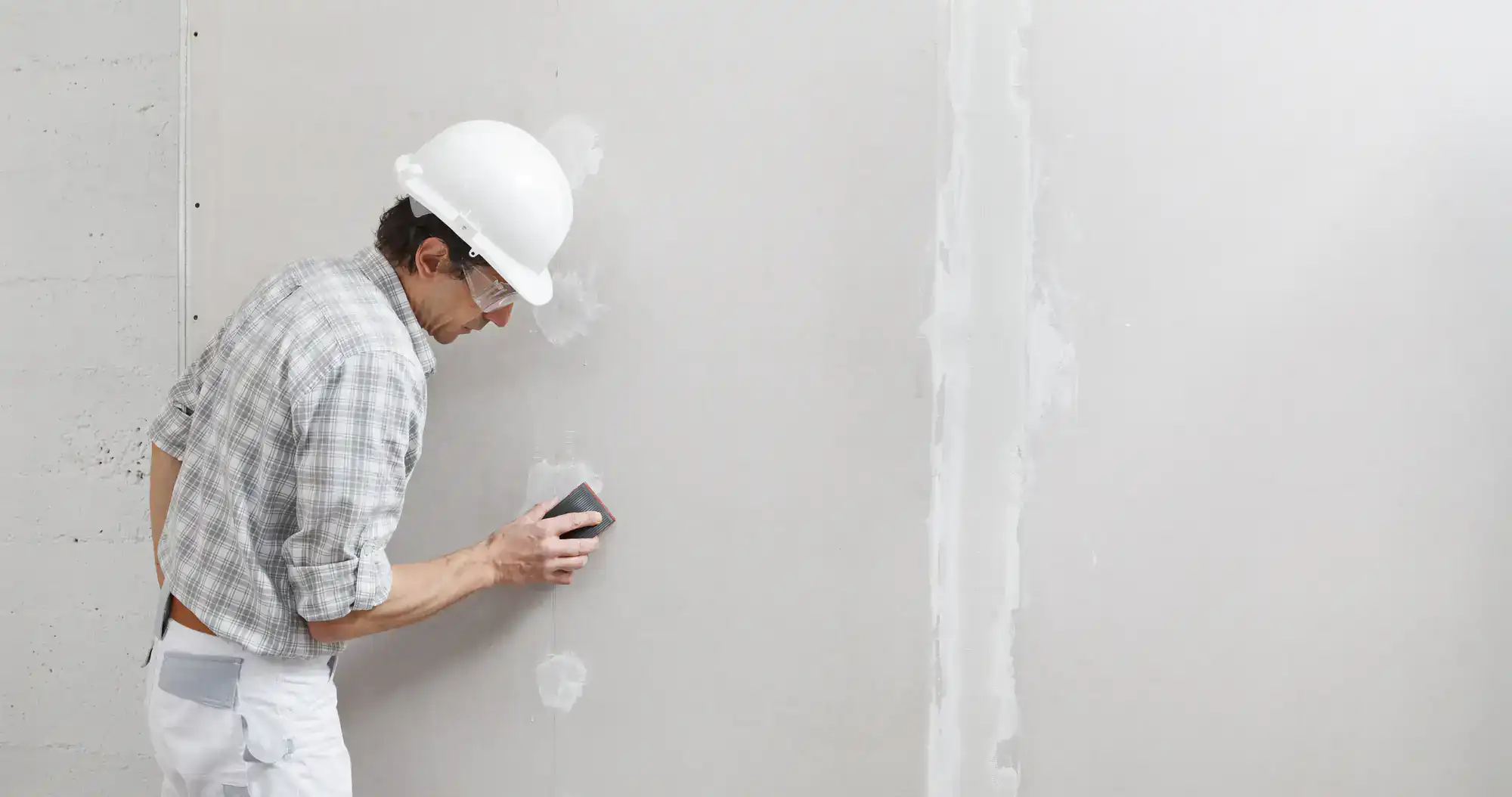

When you need drywall work done, you’re not looking for perfection in a vacuum. You want walls that match the rest of your house—texture, finish, everything. That’s harder than it sounds in Holme Circle, where most homes were built between 1940 and 1969 with finishes you can’t just grab off a shelf.
The difference between acceptable drywall finishing and work that actually blends in comes down to experience with older homes. Your twin or single-family home has plaster textures, settling patterns, and wall compositions that need someone who understands what they’re working with. Not every drywall finisher does.
When the job’s done right, you shouldn’t be able to tell where the repair ends and your original wall begins. That’s what you’re paying for—invisible repairs that hold up and look right from day one.
We focus on the neighborhoods where homes have history—and quirks. Holme Circle’s housing stock isn’t new construction with predictable drywall. You’ve got rowhouses and twins built in the 1950s and 60s, which means foundation movement, outdated insulation, and moisture issues that show up in your walls.
We’ve handled enough water damage, ceiling repairs, and texture matching in this area to know what works. The freeze-thaw cycles here aren’t kind to older drywall, and your plumbing wasn’t designed with modern materials. That context matters when we’re cutting into your walls.
You’ll work with someone who shows up on time, explains what needs to happen, and cleans up completely when it’s done. No runaround, no inflated estimates for small jobs.
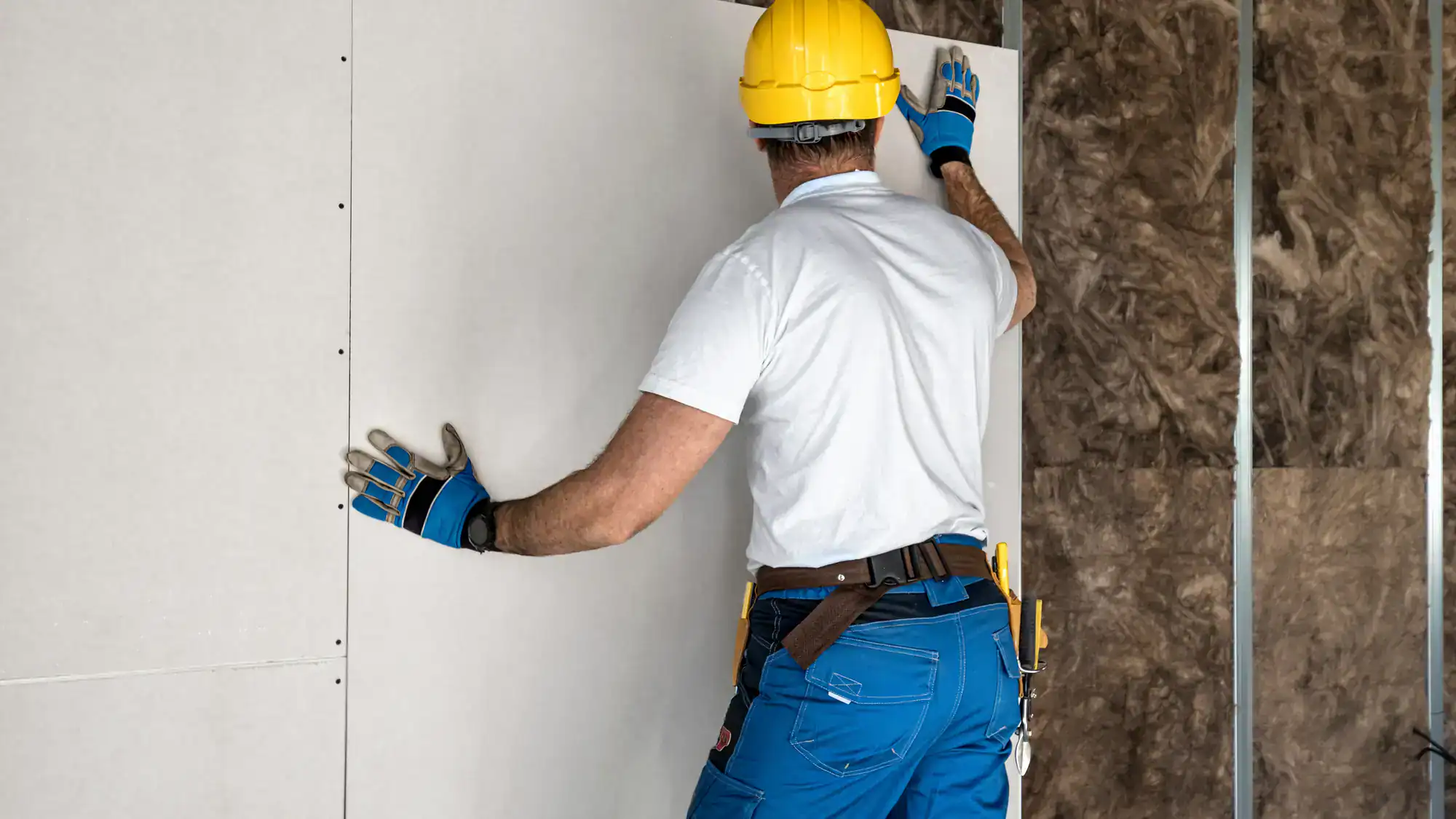
First, we look at what you’re dealing with. Water damage, cracks, holes—whatever it is, we assess the scope and check for underlying issues like moisture or structural movement. You get a clear explanation of what needs to be fixed and why, plus a detailed estimate with no hidden costs.
Once you approve, we prep the area and protect your floors and furniture. Then we handle the repair—cutting out damaged sections, installing new sheetrock if needed, and taping and mudding the seams. If you’re dealing with water damage, we make sure the source is handled first so you’re not paying twice for the same repair.
The finishing work is where it matters most. We match your existing texture, whether that’s smooth, knockdown, or something custom to your home. Multiple coats, proper drying time, sanding—this part takes patience. Then we prime and paint if that’s part of the scope, or leave it ready for your painter.
Cleanup is included. We haul out debris, vacuum dust, and leave your space as clean as we found it. Most jobs in Holme Circle are completed in a day or two, depending on size and drying time.
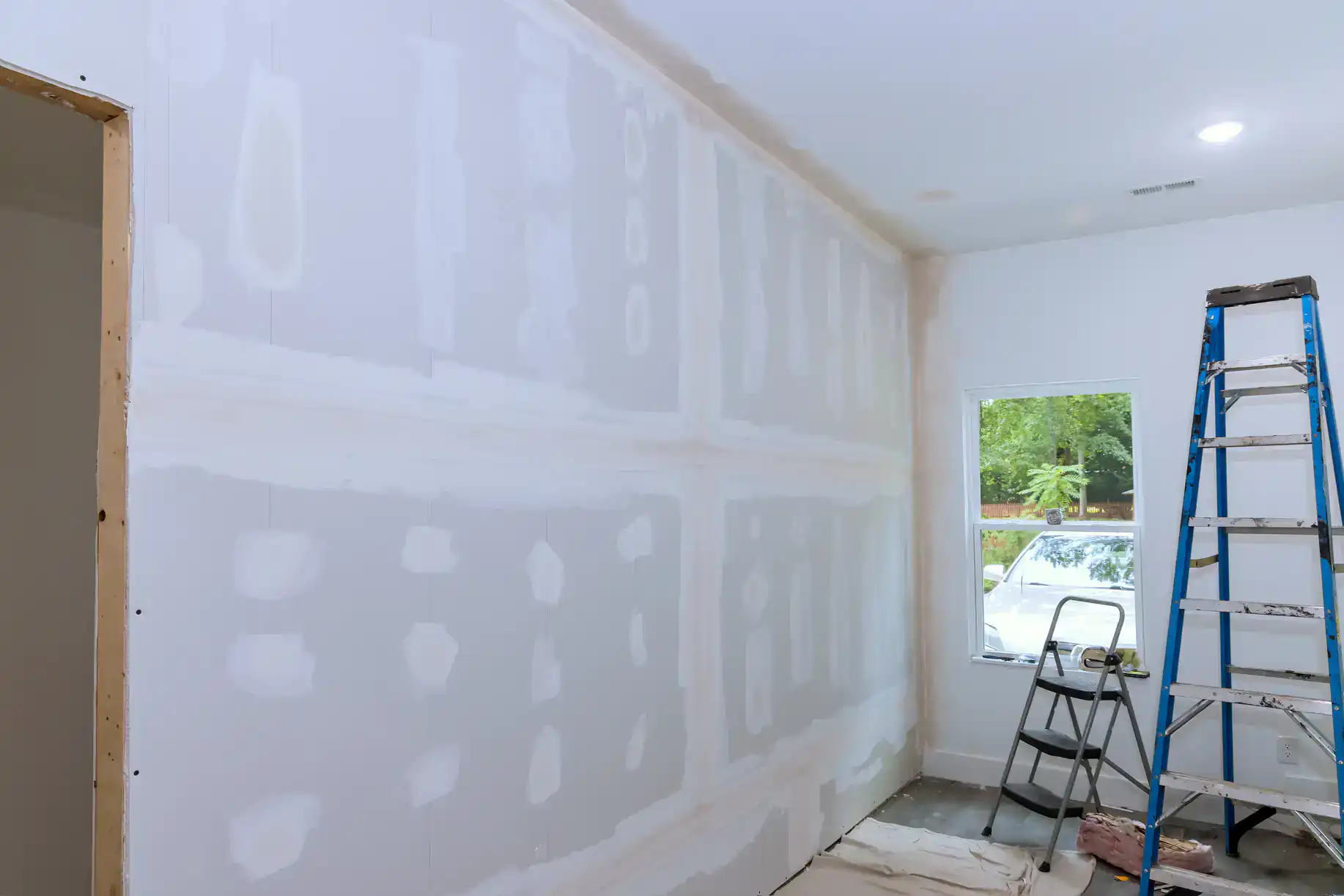
Ready to get started?
Drywall finishing costs in Holme Circle typically run between $1.50 and $3.50 per square foot, depending on the level of finish you need. A basic repair with minimal texture is on the lower end. Full sheetrock installation with custom texture matching sits higher. Labor cost to hang and finish drywall varies based on access, ceiling height, and how much prep work your walls need before we even start.
You’re not just paying for mud and tape. You’re paying for someone who knows how to handle the complications that come with older homes—uneven studs, settling cracks that keep coming back, plaster substrates that don’t behave like modern drywall. The homes in this neighborhood weren’t built with drywall in mind, so retrofitting repairs takes more skill than new construction work.
We include surface prep, joint compound application, sanding, texture matching, and complete cleanup in our pricing. If your job involves water damage or mold remediation, that’s addressed separately and explained upfront. You’ll know what the total cost looks like before we start, and that number won’t change unless you change the scope.
The average drywall project here costs between $1,077 and $3,118 depending on square footage and finish level. Smaller repairs—a hole in the wall, a ceiling patch—usually come in under $500. Larger jobs involving multiple rooms or full sheetrock installation cost more, but you’re looking at a fixed price based on the work, not hourly guessing.
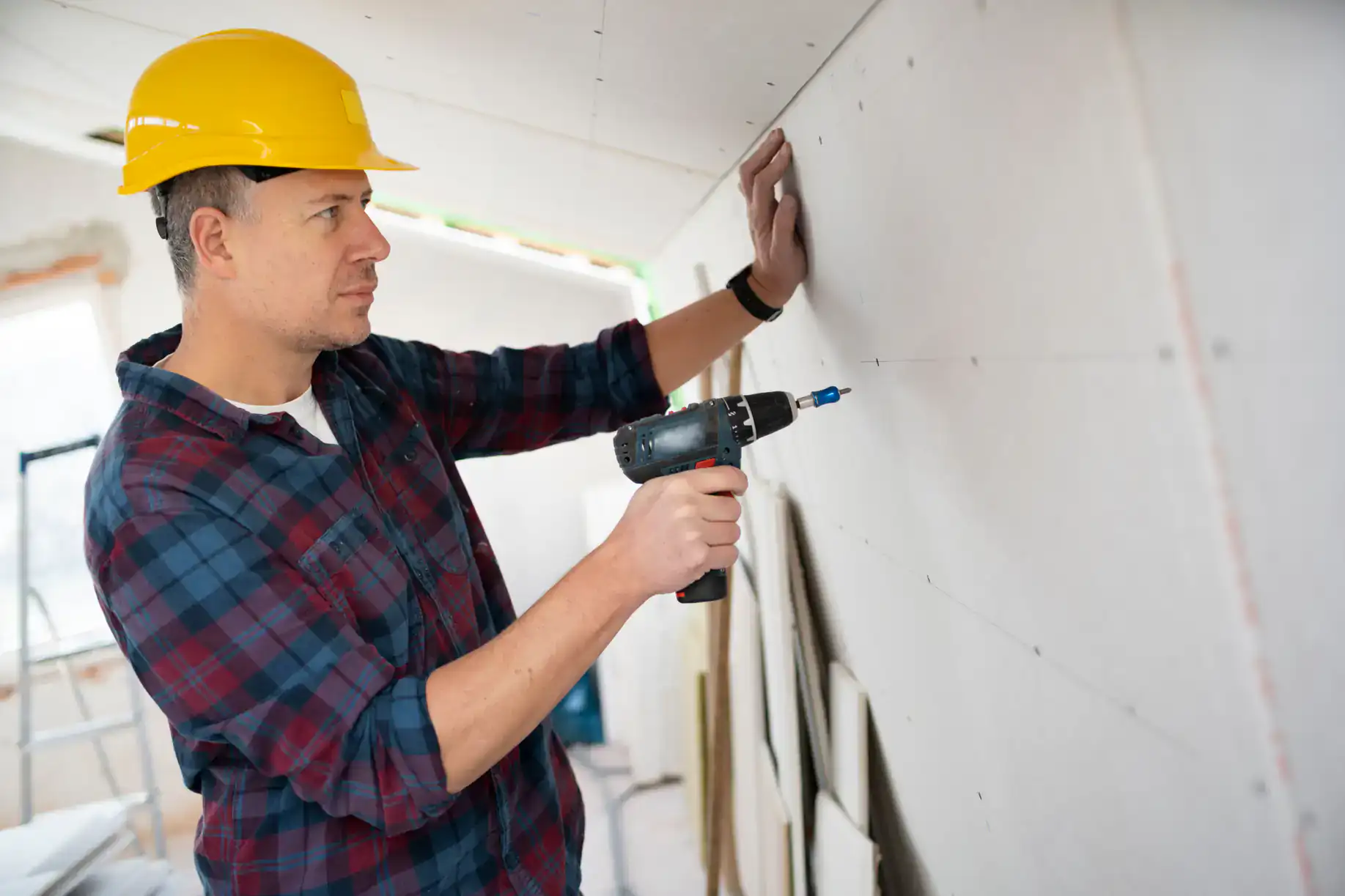
Most drywall finishing projects in Holme Circle are completed within one to two days, but the timeline depends on the size of the repair and how many coats of joint compound you need. Smaller repairs—like patching a hole or fixing a crack—can often be finished in a few hours, with drying time in between coats.
Larger projects, like installing and finishing new sheetrock in a full room, take longer because each layer of mud needs to dry before you can sand and apply the next coat. In older homes here, you might also be dealing with underlying issues like moisture damage or foundation movement, which adds time to the prep work. If we need to address mold, replace insulation, or fix plumbing leaks before we touch the drywall, that extends the timeline.
Texture matching also takes more time in homes built in the 1940s through 1960s. Your walls might have a custom finish that requires multiple attempts to get right, and rushing that process shows in the final result. We’d rather take an extra day and deliver a seamless finish than hand you a rushed job that looks patched.
Yes, but it takes more than just slapping on some knockdown texture and calling it done. The homes in Holme Circle from that era often have plaster walls with textures that were hand-applied or done with tools that aren’t standard anymore. Matching that finish requires looking at your existing wall, testing techniques, and adjusting until it blends.
Some older textures were created with specific trowels, rollers, or spray methods that vary from house to house. We bring samples and test on scrap or inconspicuous areas first to make sure the pattern, depth, and finish match before we commit to the visible repair. If your walls have a smooth plaster finish, that’s a different process than matching a stippled or swirled texture.
The goal is for you to not be able to tell where the repair is once it’s painted. That’s harder in older homes because the original texture has aged, settled, and sometimes been painted over multiple times. We account for that by adjusting our technique to match not just the pattern, but the way it looks now—not how it looked in 1955.
Most drywall damage in Holme Circle comes from water, foundation movement, or age-related wear. Water damage is the big one—leaking pipes, roof leaks, condensation from poor insulation, or flooding from heavy rain. Homes built in the 1940s through 1960s weren’t designed with modern moisture barriers, so when water gets in, it soaks into drywall and plaster quickly.
Foundation settling is another common cause. As your home shifts over decades, cracks appear in walls and ceilings, especially around door frames and corners. Seasonal freeze-thaw cycles make this worse, expanding and contracting materials until something gives. You’ll see this as recurring cracks that keep opening up even after you patch them.
Preventing future damage means addressing the source, not just the symptom. If water caused the problem, we make sure the leak is fixed before we repair the drywall. If foundation movement is the issue, we use flexible joint compound and mesh tape that can handle minor shifting without cracking immediately. In some cases, you might need a structural fix before drywall work makes sense, and we’ll tell you that upfront instead of taking your money for a repair that won’t last.
We handle both, and honestly, small repairs are a big part of what we do in Holme Circle. A lot of contractors don’t want to bother with a single hole in the wall or a small ceiling patch because it’s not worth their time. But those small jobs matter to you, and they’re often too detailed to trust to a general handyman who doesn’t specialize in drywall.
Small sheetrock repair might mean patching a hole from a doorknob, fixing a crack above a window, or replacing a water-damaged section of ceiling. These jobs usually take a few hours, but they require the same attention to texture matching and finishing as a larger project. If the repair is visible—like in your living room or a main hallway—it needs to blend in perfectly, and that takes skill.
We also handle full sheetrock installation for room additions, basement finishing, or gut renovations where you’re replacing all the drywall. The process is the same whether it’s one patch or an entire room: proper installation, careful taping and mudding, texture matching, and a finish that’s ready for paint. You’re not getting a different level of quality just because the job is smaller.
The cost to finish drywall in Holme Circle depends on the size of the job, the level of finish you need, and what condition your walls are in before we start. For basic repairs—patching a hole, fixing a crack, matching texture—you’re usually looking at $200 to $500. Larger projects, like finishing an entire room with new sheetrock, typically run between $1,077 and $3,118 depending on square footage.
Labor cost to hang and finish drywall averages between $1.50 and $3.50 per square foot in this area, which includes hanging the sheetrock, taping and mudding the seams, sanding, and applying texture. If your walls need extra prep work—like removing old plaster, fixing framing issues, or dealing with water damage—that adds to the cost. We’ll walk through all of that during the estimate so you know exactly what you’re paying for.
Level of finish also affects price. A Level 3 finish (standard for most walls that will be painted) costs less than a Level 5 finish (smooth, high-end finish for areas with critical lighting). Most homes in Holme Circle don’t need Level 5 unless you’re doing a high-visibility area like a feature wall. We’ll recommend what makes sense for your space and budget, not upsell you on finishes you don’t need.
First, stop the water. If you’ve got an active leak, that needs to be fixed before anyone touches the drywall. Wet drywall doesn’t just look bad—it’s a mold risk, and it compromises the structural integrity of your walls. If the water’s been sitting for more than 24 to 48 hours, you’re likely dealing with mold growth behind the surface, which means the damaged section needs to be cut out and replaced, not just dried and patched.
Once the water source is handled, assess the damage. If the drywall is soft, sagging, or discolored, it needs to be replaced. You can’t just paint over water stains and hope they don’t come back—they will. We cut out the damaged section, check the framing and insulation behind it for moisture or mold, and replace anything that’s compromised. Then we install new sheetrock, tape and mud the seams, and finish it to match your existing walls.
If you’re dealing with an insurance claim, document everything with photos before repairs start. Most homeowners insurance covers sudden water damage (like a burst pipe), but not long-term issues (like a slow leak you ignored). We can work with your insurance adjuster and provide the documentation they need for your claim. The key is acting fast—water damage gets worse the longer it sits, and mold remediation costs a lot more than a simple drywall replacement.
Other Services we provide in Holme Circle