You shouldn’t see seams through your paint six months after the job’s done. You shouldn’t be living with lumpy patches that catch every shadow when the sun hits at 4 p.m. And you definitely shouldn’t be repainting because the finish underneath wasn’t done right the first time.
That’s what happens when drywall finishing in Ashton, PA gets rushed or done cheap. Gaps that show through. Texture that doesn’t match. Corners that crack because the mud wasn’t applied properly or given time to cure.
When the finishing is done right, your walls become a clean canvas. Paint goes on smooth. Lighting doesn’t expose flaws. And you’re not calling someone back in three months because bubbles appeared or seams started showing.
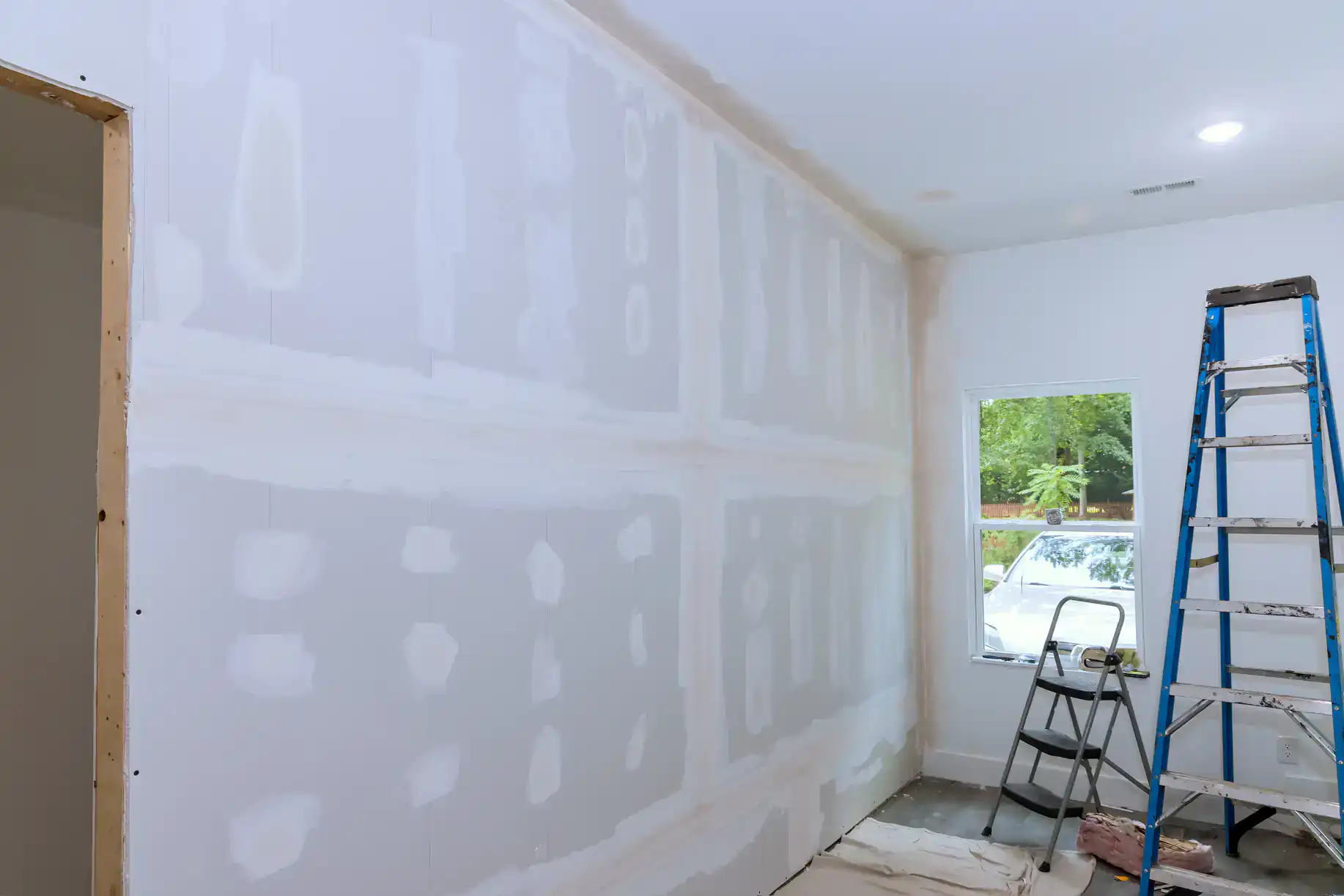
We handle the taping, mudding, and finishing so your walls look uniform across the entire surface. Whether you need standard Level 4 for most rooms or Level 5 skim coating for areas with critical lighting, the goal is the same: invisible seams, no shadows, and a surface that’s actually ready for paint.
Sharpe Drywall has been serving homeowners across Montgomery and Bucks County for over ten years. We’re licensed, insured, and locally owned—which means when you call, you’re talking to people who live and work in the same communities we serve.
Ashton’s housing stock runs the gamut. Older homes built mid-century that need careful repairs. Newer builds where the finishing has to be flawless before move-in. Renovations where matching existing texture matters as much as the repair itself.
We’ve worked in all of them. We know what it takes to get drywall finishing done right in homes where the walls have settled, where previous work wasn’t great, or where you’re just tired of looking at that patch job from two years ago that never quite blended in.
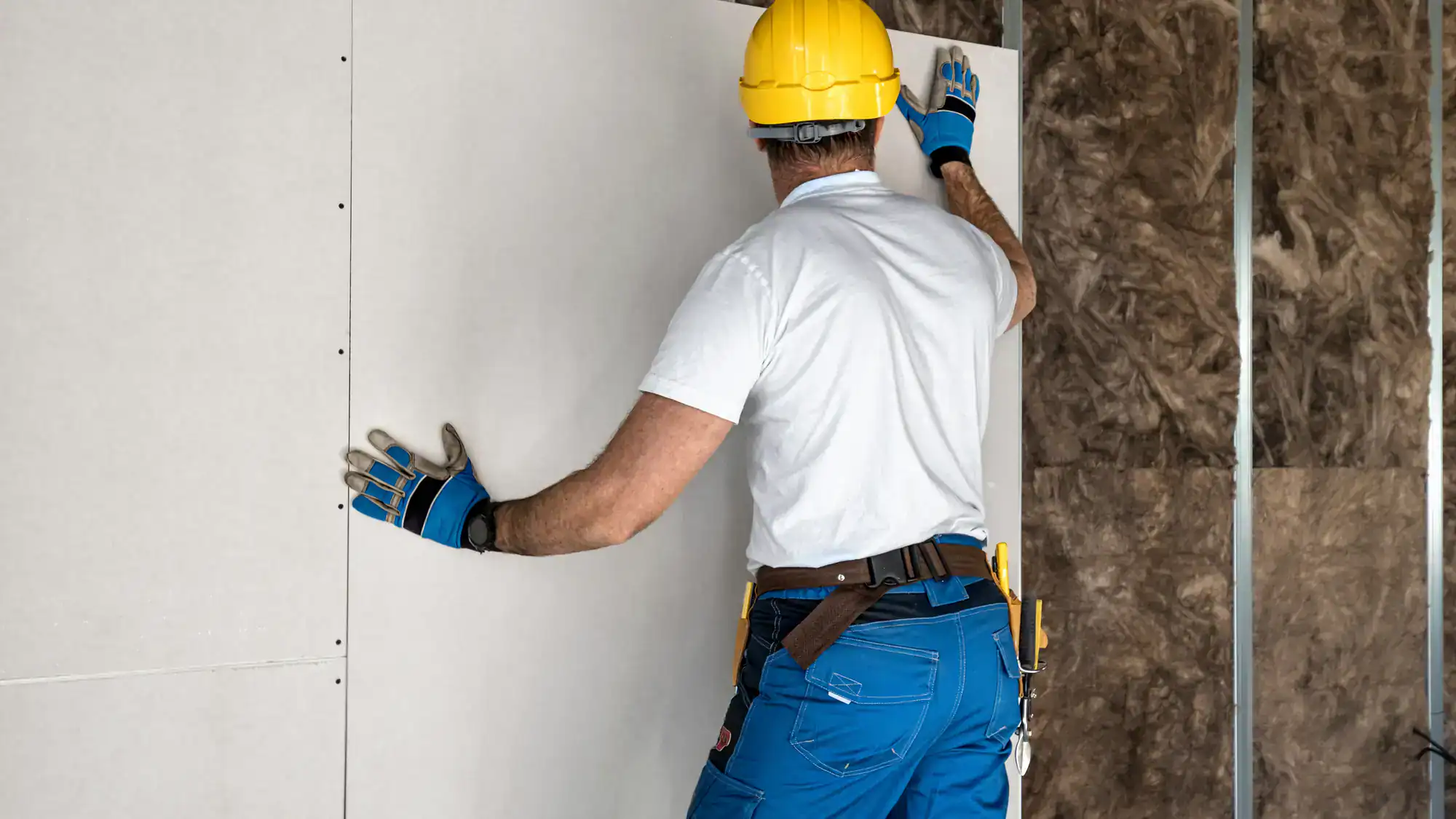
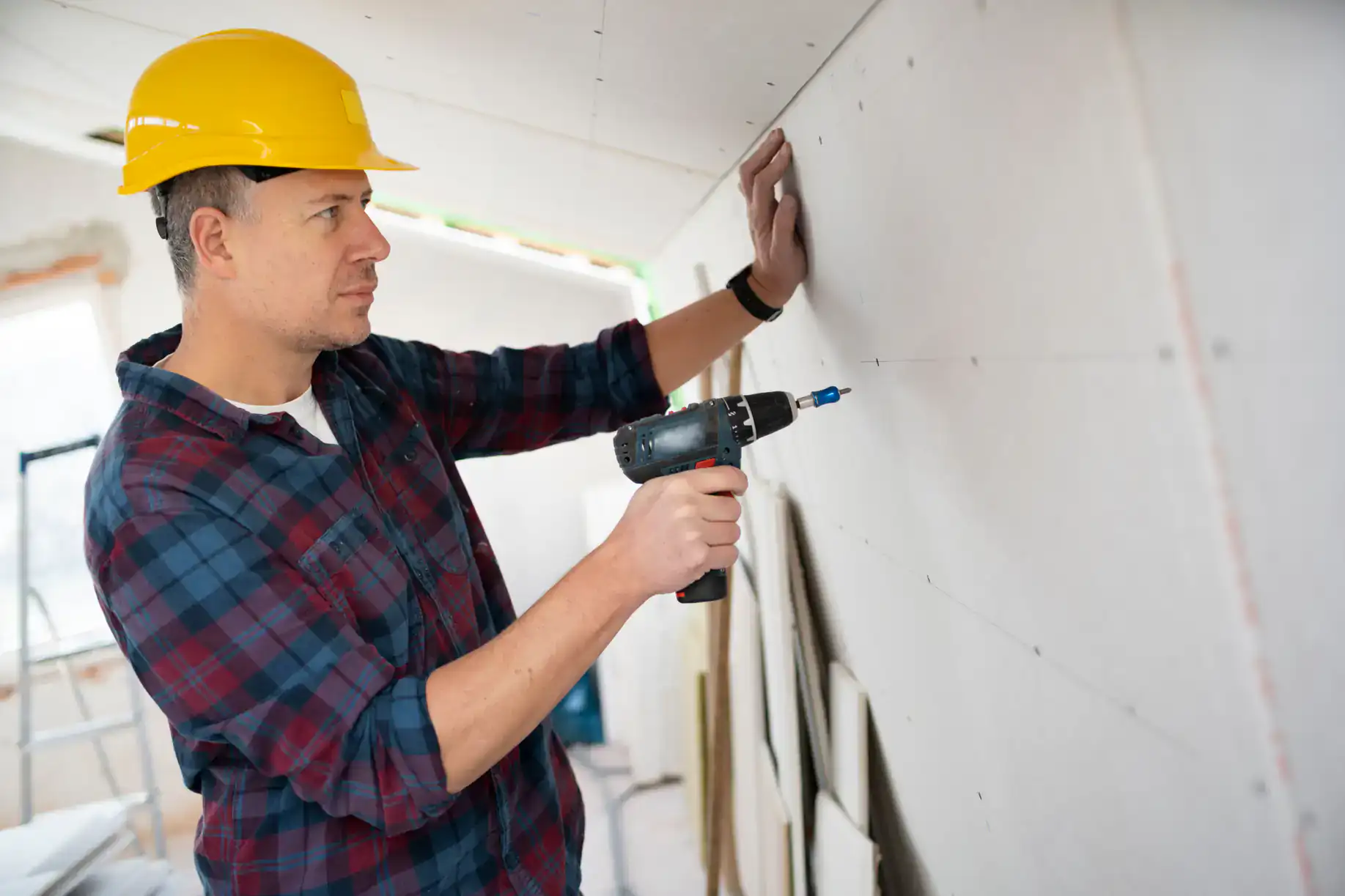
First, we assess the surface. If there’s damage, we repair it. If there are old patches, we evaluate whether they need to be redone or can be blended. If it’s new drywall, we make sure it’s properly secured before we start finishing.
Then comes taping. We apply joint tape over every seam and corner, embedding it in a base coat of mud. This is what prevents cracks from showing up later. The tape gets smoothed out so it’s flat against the wall—no bubbles, no ridges.
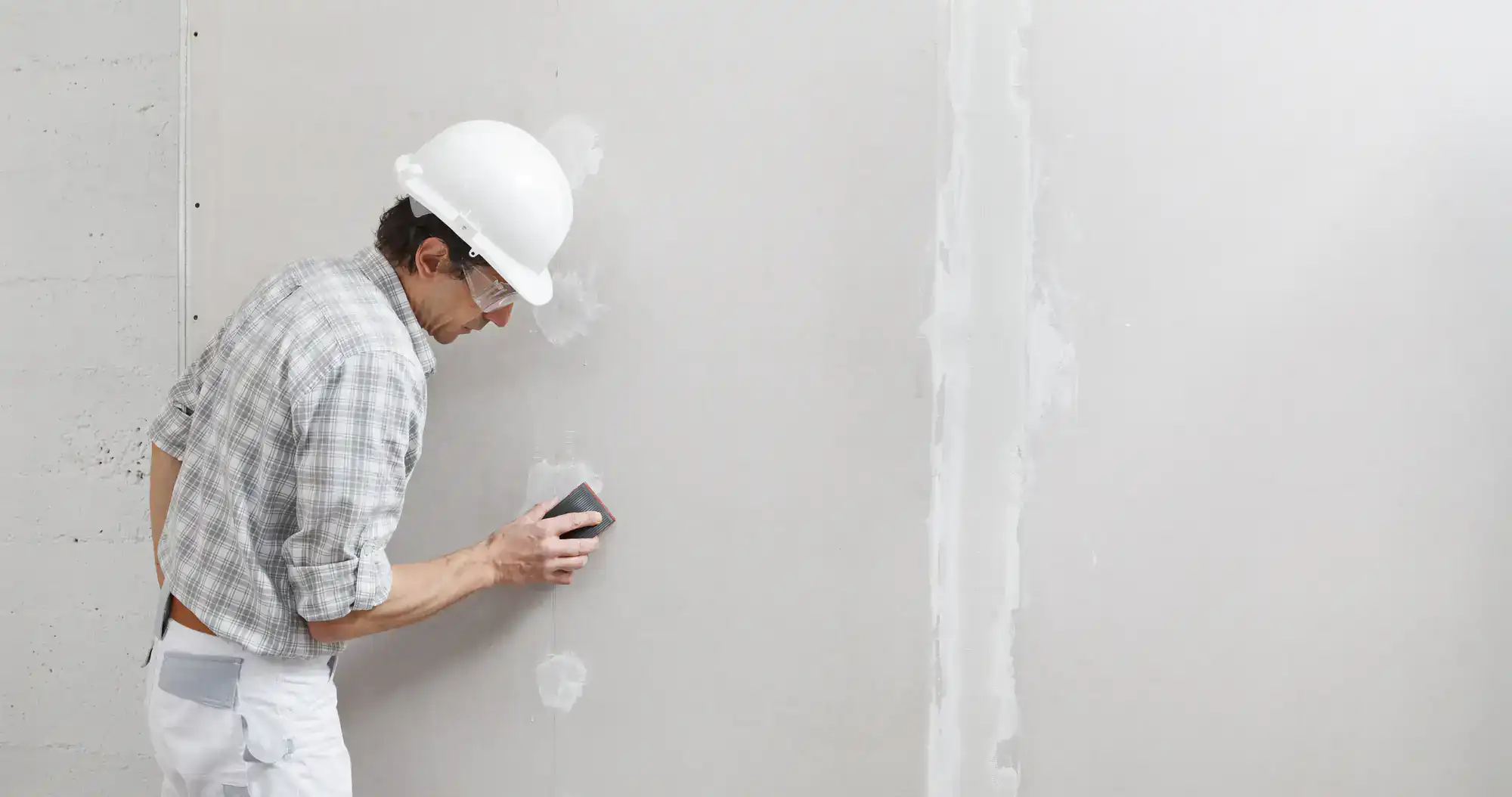
After that, we apply additional coats of joint compound. Each coat gets wider and thinner than the last, feathering out so the seam disappears into the wall. We let each coat dry completely before sanding and applying the next. Rushing this step is what causes problems down the road.
Once the final coat is on and sanded smooth, we inspect under lighting from multiple angles. If it’s Level 5 work, we apply a skim coat across the entire surface for a completely uniform finish. Then we clean up—dust, debris, everything—so the space is ready for primer and paint.
Most drywall finishing projects in Ashton, PA get completed in one day. Larger jobs or multi-room work might take longer, but we’ll give you a clear timeline upfront.
Ready to get started?
You’re getting more than just mud on a wall. Professional drywall finishing in Ashton, PA means proper surface prep, quality materials, and a process that’s designed to last.
We use mold-resistant drywall in areas where moisture is a concern—bathrooms, basements, kitchens. We use professional-grade joint compound that’s designed for the level of finish you need. And we don’t skip steps to save time, because that’s what leads to callbacks and re-dos.
For most residential projects, Level 4 finishing is standard. That’s smooth walls with no visible imperfections under normal lighting. For areas with harsh or angled lighting—like walls with large windows or rooms with track lighting—Level 5 gives you a skim-coated surface that’s completely uniform.
Ashton homeowners often deal with older plaster walls that have been patched over the years. Matching texture and blending repairs into existing surfaces is part of what we do. If the surrounding wall has a specific finish, we replicate it so the repair doesn’t stand out.
Everything gets cleaned up when we’re done. Drop cloths, dust containment, debris removal—it’s all part of the service. You shouldn’t have to spend your weekend vacuuming drywall dust out of your vents.
Most drywall finishing runs between $1.50 and $3.50 per square foot, depending on the level of finish and the condition of the walls. Level 4 finishing—which is what most residential projects need—falls on the lower end. Level 5 skim coating costs more because it requires an additional coat across the entire surface.
If you’re repairing damage or patching holes, the cost depends on the size and number of repairs. Small patches might be a flat service call. Larger repairs or full-room refinishing will be priced by square footage.
We give you a clear estimate before starting any work. No surprise charges, no hidden fees. You’ll know what you’re paying for and why.
Level 4 is the standard for most homes. Joints and fasteners are covered with multiple coats of compound, sanded smooth, and ready for paint. Under normal lighting, you won’t see seams or imperfections.
Level 5 adds a skim coat—a thin layer of compound applied over the entire surface. This creates a completely uniform texture and eliminates any chance of shadows or inconsistencies showing through paint. It’s recommended for walls with severe lighting conditions, like rooms with floor-to-ceiling windows or glossy paint finishes.
If you’re not sure which level you need, we’ll walk through your space and make a recommendation based on your lighting and how the walls will be used. Most living rooms, bedrooms, and hallways do fine with Level 4. Bathrooms with bright vanity lighting or feature walls with dramatic paint often benefit from Level 5.
Most single-room projects get finished in one day. That includes taping, mudding, sanding, and cleanup. Larger projects—like finishing an entire floor or multiple rooms—might take two to three days depending on the square footage and level of finish.
The mud needs time to dry between coats, which is why rushing the process leads to problems. We don’t apply the next coat until the previous one is fully cured. That’s how you avoid cracking, bubbling, and seams that show up later.
If you need the work done by a specific date—like before painters arrive or ahead of a move-in—let us know upfront. We’ll schedule accordingly and give you a realistic timeline so there are no surprises.
Yes. Matching texture is a big part of drywall repair work, especially in older Ashton homes where walls have been patched or refinished over the years. Whether it’s knockdown, orange peel, or smooth finish, we replicate the surrounding texture so the repair blends in.
This requires looking at the existing surface, understanding how it was originally applied, and using the right tools and techniques to recreate it. A lot of DIY repairs fail here—the patch is smooth, but the wall around it has texture, so it stands out.
We also color-match the mud if needed, especially on unpainted surfaces or areas where the existing finish has aged. The goal is for the repair to disappear into the wall, not announce itself every time you walk by.
Completely. Drywall finishing creates dust—from sanding, from cutting, from general work. We contain it as much as possible during the job, and we clean up everything when we’re done.
That means sweeping, vacuuming, wiping down surfaces, and removing all debris. We don’t leave drop cloths full of dust sitting in your hallway or expect you to deal with the mess after we leave.
If you’ve ever had contractors leave your house looking like a construction zone, you know how frustrating that is. We treat your home like it’s ours—because we live in the same communities we work in, and our reputation depends on how we leave your space.
Usually because the taping wasn’t done right or the mud didn’t cure properly between coats. If tape isn’t embedded correctly, it can lift or bubble. If coats are applied too thick or not given enough drying time, they crack as they cure.
Temperature and humidity also matter. Drywall compound needs stable conditions to dry evenly. If it’s too cold or too humid, curing takes longer and the risk of cracking goes up.
The other common issue is using the wrong type of mud for the job. Setting-type compound works differently than ready-mix. Using the wrong one—or mixing them incorrectly—can cause adhesion problems that show up months later. We use the right materials for the conditions and the level of finish, and we don’t skip drying time to finish faster. That’s how you avoid callbacks.
Other Services we provide in Ashton