You’re not looking at the walls anymore. That’s the difference.
No visible seams where the sheets meet. No shadows showing through your paint. No rough patches that catch the light wrong. Just smooth, uniform surfaces that fade into the background—which is exactly what walls should do.
Most drywall problems show up months later. Cracks along the seams. Bubbles under the paint. Texture that doesn’t match the rest of the room. That’s what happens when the finishing work gets rushed or the mud isn’t applied in proper layers.
Professional drywall finishing in Academy Gardens, PA means the work holds up. We’re talking Level 4 finish for standard walls and Level 5 skim coat for high-visibility areas where the light hits hard. The kind of finish that doesn’t announce itself every time you walk past.
Your walls become what they’re supposed to be—a clean backdrop for everything else in your home.
Sharpe Drywall has spent more than ten years working on homes across Montgomery and Bucks counties. We’re locally owned, fully licensed, and insured—not a franchise operation that rotates crews every few months.
Academy Gardens has a lot of homes built around 1962. That matters because older construction has its own quirks—different framing, different materials, different ways the walls settle over time. Finishing work on a 60-year-old home isn’t the same as finishing new construction, and knowing the difference keeps the job from falling apart six months down the road.
We live in the area. We work in the area. And we treat your home the same way we’d treat our own—because reputation matters more than rushing to the next job.
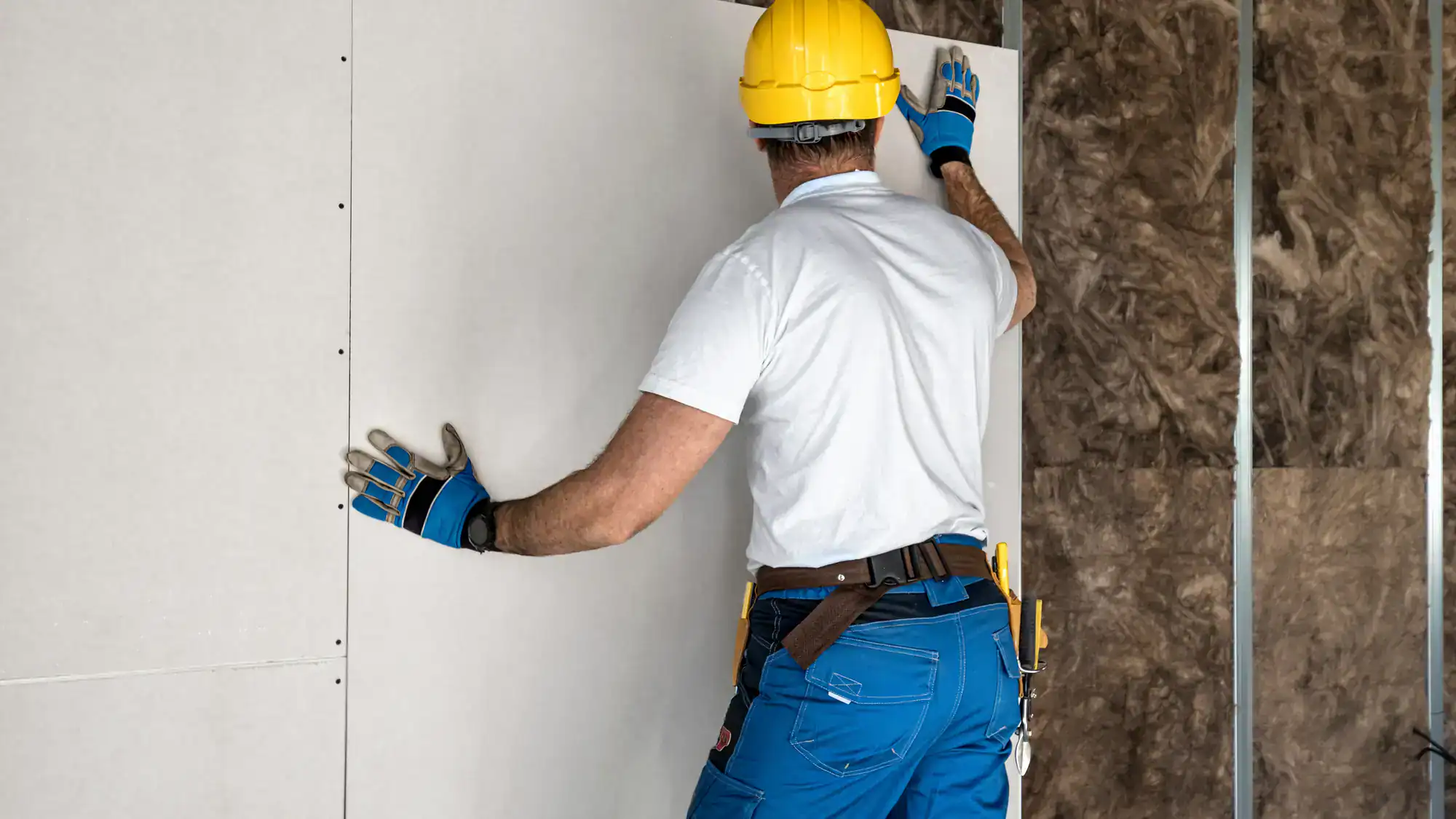
First, we assess what you’re working with. New installation, repair work, or a full room—it all determines the approach. We’ll give you a free estimate that breaks down the scope, timeline, and cost before any work starts.
Then comes the taping. Every seam gets covered with joint tape, embedded in a base layer of joint compound. This is where most shortcuts happen, and it’s also where most future cracks start. We don’t skip steps.
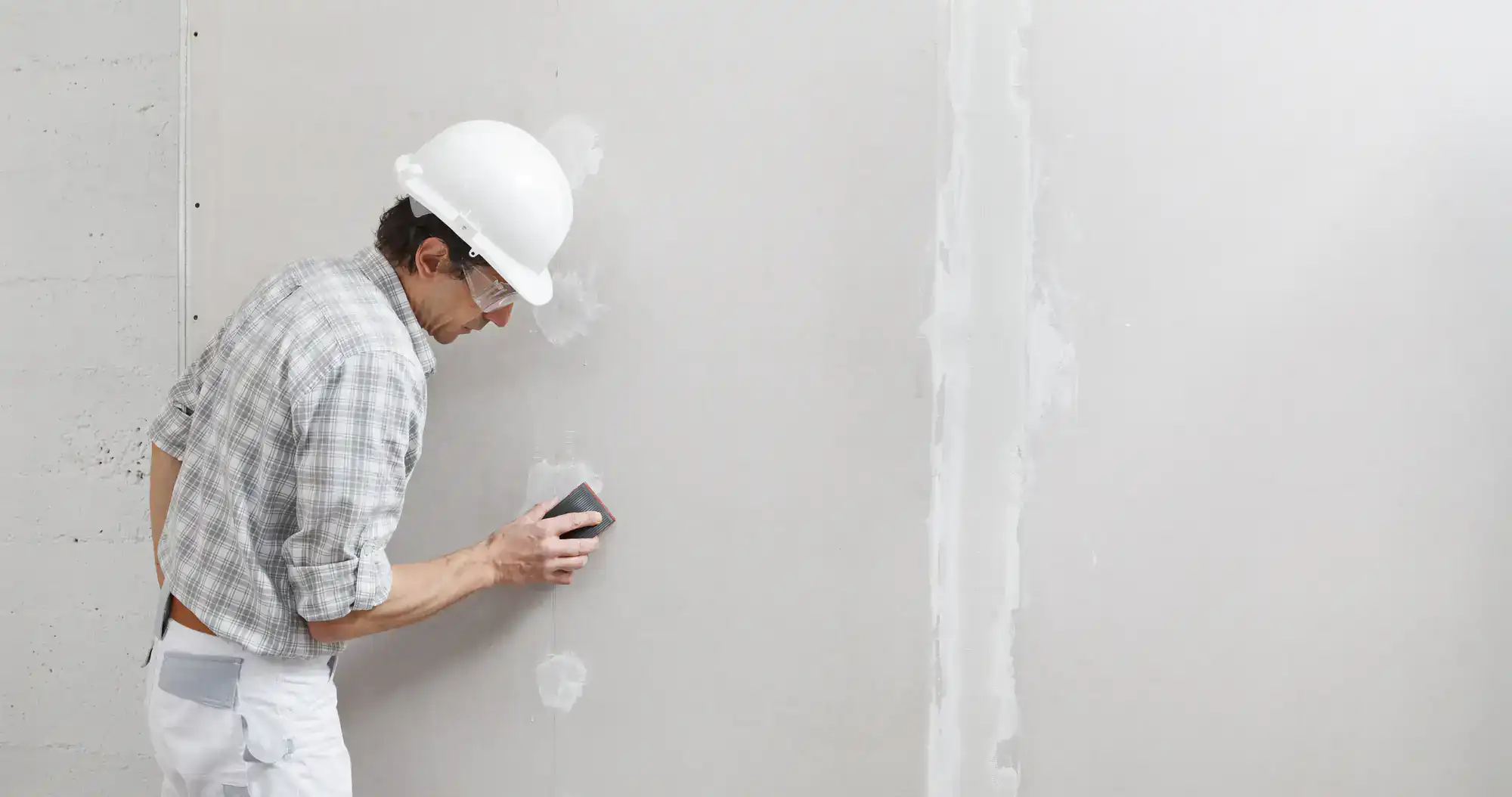
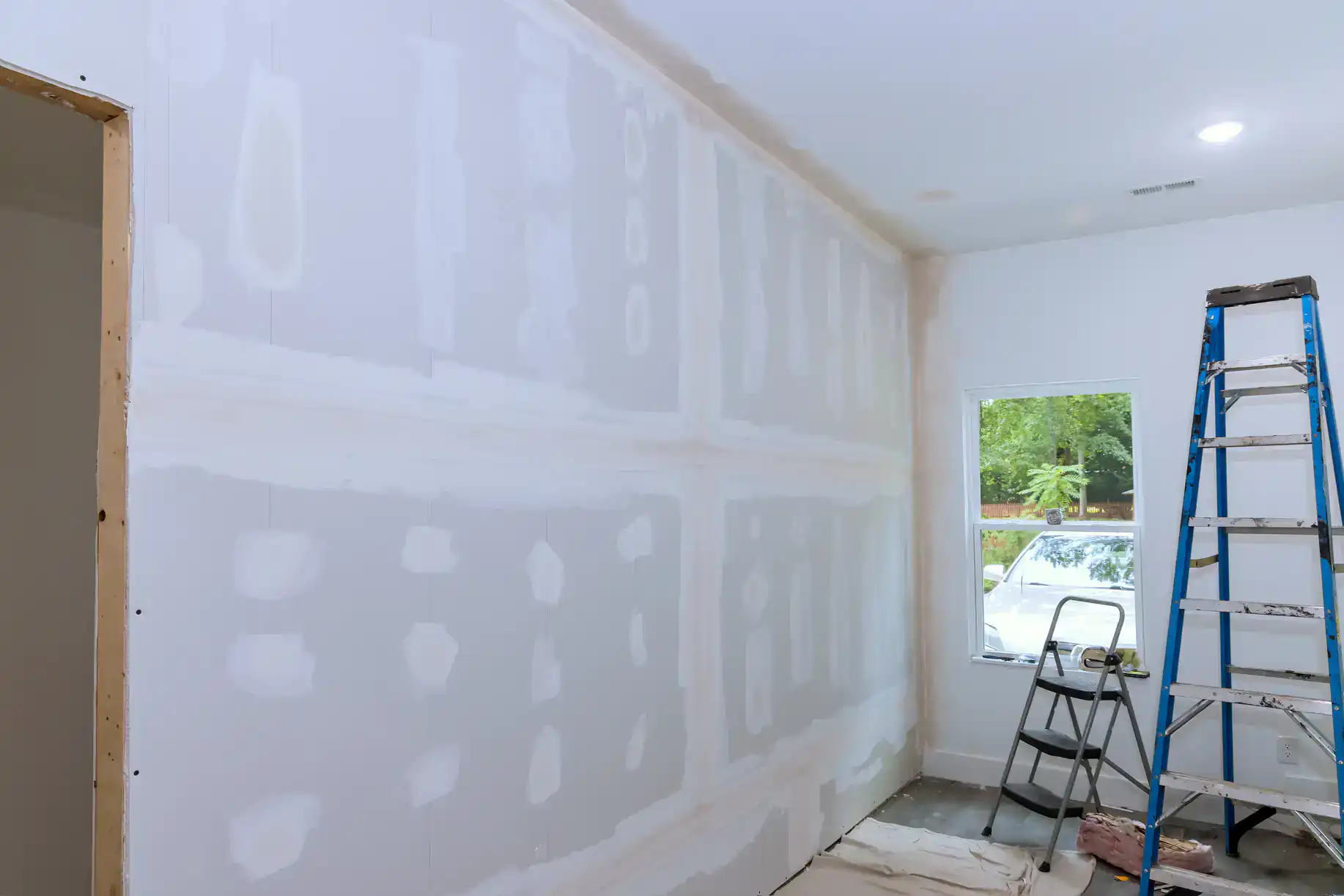
Next is the mudding process—applying multiple thin coats of joint compound over the taped seams, screw holes, and any imperfections. Each layer gets sanded smooth once it’s dry. Depending on the finish level you need, this could be three coats or more. Level 4 is the standard for most walls. Level 5 adds a skim coat over the entire surface for areas with critical lighting or high-gloss paint.
If you’re matching existing texture, that comes last. Knockdown, orange peel, skip trowel—whatever’s already on your walls, we replicate it so the repair blends in completely.
Most projects wrap up in a day. Larger jobs might take two. Either way, we clean up completely before we leave, and your walls are ready for primer as soon as the final coat dries.
Ready to get started?
You’re getting more than someone smearing mud on a wall. Professional drywall finishing means proper surface prep, multiple coats applied at the right thickness, complete sanding between layers, and a final finish that meets industry standards for the level you’re paying for.
In Academy Gardens, PA, where most homes are owner-occupied and built in the early 1960s, you’re often dealing with older plaster-and-lath walls adjacent to newer drywall repairs. Blending those transitions takes experience. You can’t just slap compound over a patch and call it done—the texture won’t match, the edges will show, and the paint will highlight every flaw.
We also handle the details most homeowners don’t think about until it’s too late. Corner bead installation. Proper fastener coverage. Moisture-resistant compound in areas prone to humidity. These aren’t upsells—they’re part of doing the job correctly so it lasts.
The cost to finish drywall in Pennsylvania typically runs between $1.50 and $3.50 per square foot, depending on the finish level and complexity. That includes labor, materials, and cleanup. If someone’s quoting you significantly less, they’re either cutting corners on the process or planning to nickel-and-dime you with change orders later.
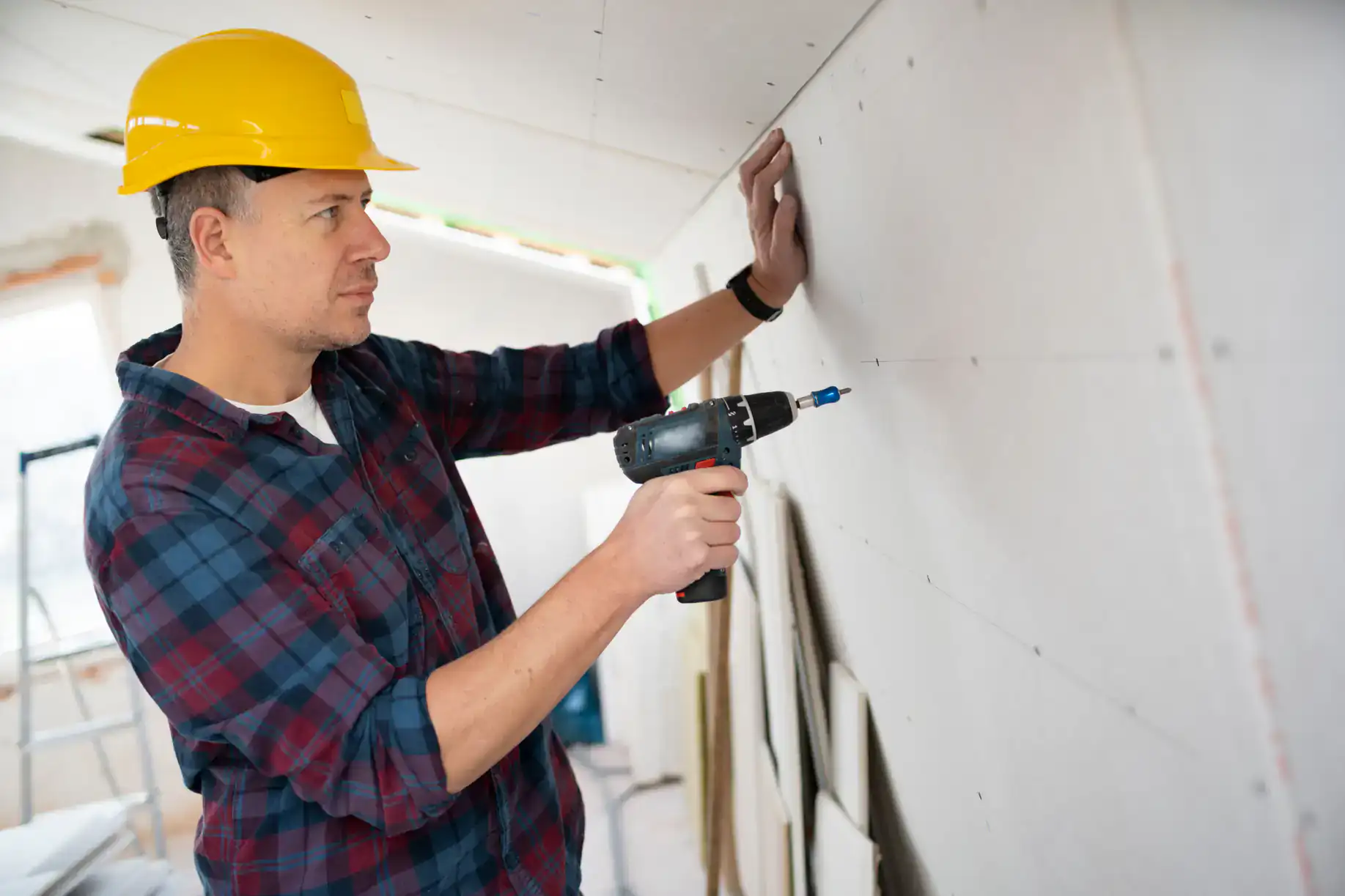
Level 4 is the standard finish for most residential walls. It involves taping all seams, applying multiple coats of joint compound, and sanding everything smooth. The surface is uniform and ready for flat or eggshell paint. You’ll see this finish in bedrooms, living rooms, and most common areas.
Level 5 adds a skim coat—a thin layer of joint compound applied over the entire wall surface, not just the seams. This creates an ultra-smooth finish that hides even minor imperfections. You need Level 5 in rooms with harsh lighting, large windows, or anywhere you’re using high-gloss or semi-gloss paint. Without it, every little dimple and seam shadow shows up.
The cost difference isn’t huge, but the labor is more intensive. If your walls are going to be under critical lighting or you’re particular about how the final paint job looks, Level 5 is worth it. If you’re painting with flat paint in a room with average lighting, Level 4 does the job.
Joint compound needs at least 24 hours to dry between coats, sometimes longer depending on humidity and temperature. Thicker applications take longer. Rushing this step is one of the main reasons DIY jobs fail—wet compound under the next layer leads to cracking, shrinking, and adhesion problems down the road.
After the final coat and sanding, you’re looking at another 24 hours minimum before priming. Some pros recommend waiting 48 hours to be safe, especially in basements or during humid months. The compound needs to cure fully, not just dry on the surface.
You can speed things up slightly with fans or dehumidifiers, but there’s no magic shortcut. If someone tells you they can finish and paint your walls in the same day, they’re either using hot mud (which sets faster but is harder to sand and more prone to cracking) or they’re not letting the coats dry properly. Either way, you’ll see the consequences within a few months.
Yes, but it takes practice to get it right. Texture matching is one of those things that looks easy until you try it yourself. Orange peel, knockdown, skip trowel, slap brush—each one has a specific technique, and even small variations in application show up once the paint goes on.
We keep samples of common textures and test the match on scrap before applying it to your wall. The goal is to blend the repair so completely that you can’t tell where the old wall ends and the new work begins. That means matching not just the pattern, but also the depth and density of the texture.
Older homes in Academy Gardens often have hand-troweled textures that aren’t used much anymore. Those require even more attention because you’re replicating something that was originally done by hand decades ago. It’s not impossible, but it’s not something you want to trust to someone who’s only done smooth walls. If the texture match is off, the repair will stand out every time the light hits it—and that defeats the whole point of fixing it in the first place.
Most cracks happen because of movement. Houses settle, temperature changes cause expansion and contraction, and humidity makes materials swell or shrink. If the finishing work wasn’t done with enough flexibility built in, those movements create stress along the seams—and that’s where cracks show up.
Improper taping is another common cause. If the joint tape wasn’t embedded correctly in the first coat of mud, or if the compound wasn’t applied in thin enough layers, it doesn’t bond properly to the drywall. Over time, that weak bond fails and the seam separates. You’ll see this as a hairline crack running along the joint, sometimes with the tape bubbling up underneath.
Using the wrong type of compound matters too. Some formulas are more prone to shrinking as they dry. If someone applied one thick coat instead of multiple thin coats, the shrinkage pulls the seam apart. The fix isn’t just filling the crack—it’s cutting out the failed section, retaping it properly, and refinishing with the right materials and technique. Homes built in the 1960s, like most in Academy Gardens, have had decades to settle, so any new drywall work needs to account for that existing movement.
Professional drywall finishing typically costs between $1.50 and $3.50 per square foot in Pennsylvania. That range depends on the finish level, the condition of the existing walls, and whether you need texture matching or other specialized work. A standard bedroom might run $400 to $800 for Level 4 finishing. Larger rooms or Level 5 skim coat work costs more.
If you’re getting quotes significantly below that range, ask what’s not included. Some contractors quote just the labor and expect you to provide materials. Others lowball the estimate and add charges once they’re already in your home. We give you a transparent, upfront price that covers everything—materials, labor, cleanup, and any prep work needed to do the job right.
The cost to hang and finish drywall together obviously runs higher because you’re paying for installation plus finishing. But if you’re just finishing existing drywall—whether it’s new installation someone else did or repairs that need smoothing out—you’re looking at finishing costs alone. The investment is worth it when you consider the alternative: a cheap job that cracks within a year, paint that shows every imperfection, and the cost of hiring someone else to fix it all over again.
You’re not legally required to hire a licensed contractor for drywall work in Pennsylvania, but it’s a smart move for several reasons. Licensing means the contractor has met certain standards and carries proper insurance. If something goes wrong—damage to your property, an injury on the job, or work that doesn’t meet code—you have recourse.
Insurance is the bigger issue. If an unlicensed worker gets hurt in your home, you could be liable for medical costs and lost wages. If they damage your electrical or plumbing while working, you’re stuck with the repair bill. Licensed and insured contractors carry liability coverage and workers’ comp, which protects you from those risks.
There’s also the quality factor. Licensing doesn’t guarantee great work, but it does indicate someone’s been in business long enough to establish legitimacy. Fly-by-night operators don’t bother with licensing because they’re not planning to stick around. We’re fully licensed and insured, and we’ve been serving Montgomery and Bucks counties for over a decade. That’s not something you get by doing sloppy work or disappearing when problems come up.
Other Services we provide in Academy Gardens