The patch blends in completely. No visible lines where the repair starts. No texture that’s slightly off when the light hits it. No paint that almost matches but doesn’t quite.
You get a wall that looks finished, not fixed. That’s what happens when someone knows how to feather the edges properly, match your existing texture, and prime and paint with attention to detail.
Most drywall patching in University City, PA gets rushed. The joint compound gets slapped on, the dry time gets cut short, and you’re left with a repair that announces itself every time you walk past it. You deserve better than that, especially in a rental market where your deposit or your tenant’s impression actually matters.
We handle drywall patching across University City, PA, where most of the housing stock was built before 1940 and the rental turnover keeps walls busy. We know what plaster-over-lath looks like when it fails. We know how old drywall reacts to joint compound and how long the first coat actually needs to cure in these buildings.
You’re not getting a crew that Googles your neighborhood on the way over. You’re working with people who’ve patched walls in your building type before, probably on your block.
We show up when we say we will, finish the job the same day when possible, and clean up completely before we leave. No drywall mud on your floors. No dust on your furniture. Just a repaired wall and everything else exactly how you left it.
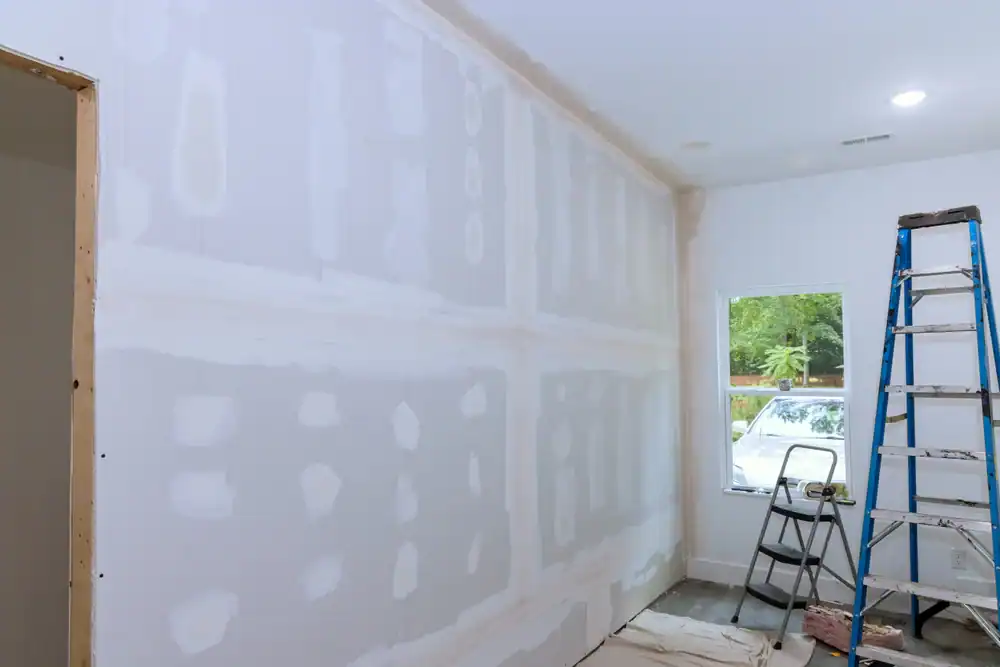
First, we assess the damage. Not every hole gets fixed the same way, and cutting corners on the prep work is where most repairs fail. If the drywall around the damage is soft, crumbling, or water-stained, we cut it back to solid material.
Then comes the actual patch. Depending on size, that might mean a California patch, a backer board, or a full piece cut to fit. We secure it properly so it doesn’t pop or crack later when the building settles.
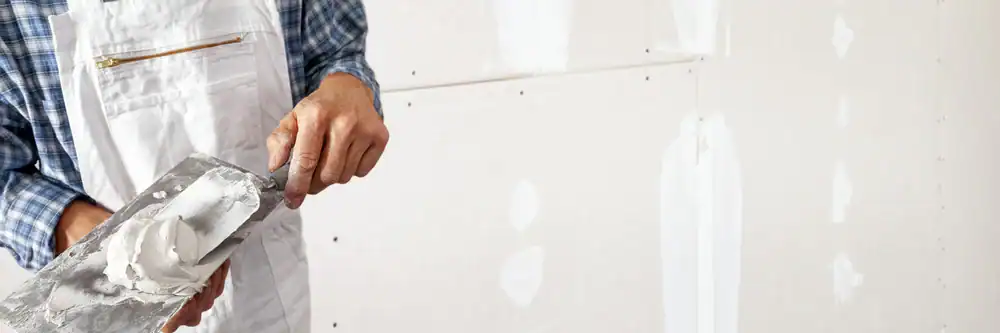
The joint compound goes on in layers. The first coat fills the gap. The second coat builds it flush. The final coat gets feathered out so there’s no ridge where the repair meets your existing wall. Each layer needs dry time—rushing this is what creates those obvious patches you see in poorly done work.
After sanding smooth, we prime the repair so the paint absorbs evenly. Then we match your paint color and finish the wall. If your texture is more complex, we replicate that too before painting.
You’re left with a wall that looks untouched. That’s the standard for drywall patching in University City, PA when it’s done correctly.
Ready to get started?
You get the full repair, not just the patch. That means proper prep, quality materials, multiple coats with adequate dry time between each one, texture matching, priming, and paint finishing. Everything required to make your wall whole again.
We handle holes from doorknobs, furniture impacts, wall anchor failures, electrical work, plumbing access, and water damage. Small repairs get completed in a few hours. Larger jobs might need a second visit after the drywall mud fully cures, but we’ll tell you that upfront.
In University City, PA, where 82% of housing units are rentals, timing matters. You might be preparing for a new tenant, getting ready to move out, or just tired of looking at damaged walls in your own space. We work around your schedule—evenings and weekends included—because a hole in your wall doesn’t care what day it is.
Property managers get bulk pricing for multiple units. Tenants get fast turnaround so you’re not waiting weeks for a landlord to coordinate repairs. Homeowners get the same attention to detail whether it’s one small patch or an entire room that needs finishing.
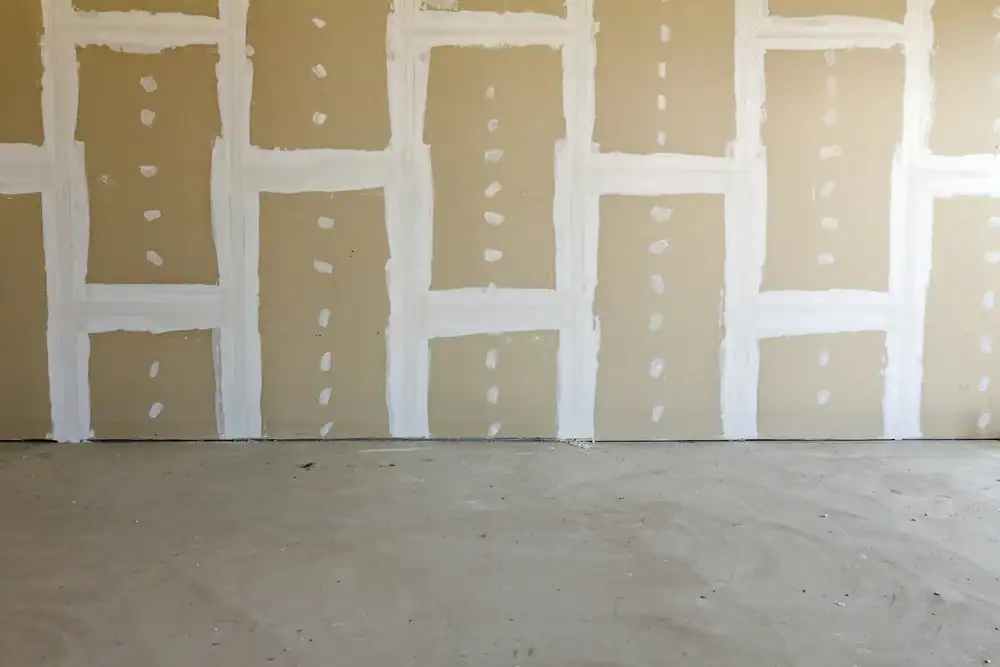
The dry time depends on the size of the repair and how many coats you need. A small patch with one coat of joint compound can dry in 2-4 hours with quick-setting compound. Larger repairs need 24 hours between coats when using standard all-purpose mud.
Here’s what actually affects your timeline: humidity, temperature, and ventilation. University City apartments with poor airflow take longer to dry. Winter repairs in unheated spaces can take twice as long. Summer repairs in well-ventilated rooms dry faster.
Most patches need at least two coats, sometimes three. That means a same-day completion for small holes, but 2-3 days for larger repairs if we’re doing it right. Anyone promising you a fully finished large patch in a few hours is either using subpar methods or skipping steps. The drywall mud needs time to cure properly, or you’ll see cracks and shrinkage within weeks.
Yes, and that’s usually where DIY repairs fall apart. Matching texture isn’t about slapping on some compound and hoping it blends. It’s about identifying what type of texture you have—knockdown, orange peel, skip trowel, or smooth—and replicating the pattern and depth.
Orange peel texture, common in University City rentals, gets sprayed on and needs the right consistency and air pressure to match. Knockdown texture requires applying joint compound, letting it set slightly, then knocking it down with a trowel at the exact right moment. Too soon and it smears. Too late and it doesn’t flatten.
We bring samples and test the texture on scrap material before applying it to your wall. Once it’s right, we texture the patch slightly beyond the repair area and feather the edges so there’s no hard line where the new texture starts. After priming and painting, the repair disappears completely. That’s the difference between a patch that’s invisible and one that’s just covered up.
Not always, but it depends on your paint’s age and condition. If your walls were painted recently and you have leftover paint from the same batch, we can spot-paint the repair and blend it in. You won’t see where the patch ends and the original paint begins.
If your paint is several years old, it’s faded and collected dirt in a way that makes new paint look noticeably different, even with perfect color matching. In that case, painting the full wall from corner to corner gives you a uniform finish. It costs more, but it looks right.
Here’s the reality for most University City, PA properties: rental walls get painted frequently, so touch-ups usually work fine. Older homes with original paint from years ago need full walls repainted. We’ll tell you honestly which situation you’re in after looking at your walls. The goal is a finished result you’re happy with, not selling you more work than necessary.
Recurring cracks mean something’s moving. Either the building is settling, the framing is shifting with temperature changes, or there’s structural movement that a simple patch won’t fix. Just filling the crack with joint compound treats the symptom, not the cause.
In University City, PA, where nearly half the buildings were constructed before 1940, settling is common. Old plaster walls that have been covered with drywall can crack along the seams. Poorly secured drywall that wasn’t attached to studs properly will crack at the joints. Water damage weakens the material and causes cracks as it dries and contracts.
The fix depends on what’s causing it. Minor settling cracks get repaired with mesh tape and multiple coats of compound for flexibility. Structural issues might need the drywall re-secured to the framing. Water damage requires finding and fixing the source before patching. We assess what’s actually happening before we start repairs, so you’re not paying for the same patch twice.
Small patches—think doorknob holes or nail pops—typically run $150-$300 depending on how many there are and whether you need paint matching. Medium repairs like fist-sized holes or multiple damaged areas cost $300-$600. Large sections that need significant drywall replacement and finishing can run higher.
The variables that affect price: the size and number of repairs, whether we’re matching complex textures, if you need full-wall repainting, and how accessible the damage is. A hole behind a toilet requires more work than one in the middle of an open wall. Water damage that’s spread through the drywall costs more because we’re cutting out and replacing larger sections.
Property managers handling multiple units in University City, PA get better rates when bundling repairs across several apartments. We can give you an exact quote after seeing the damage—photos work for estimates, but in-person assessments are more accurate. You’ll know the cost before we start, with no surprise charges when the job’s done.
It depends on how saturated the drywall got and whether it’s dried out completely. Surface water stains that didn’t soak through can often be sealed with stain-blocking primer and repainted. Drywall that got wet but dried quickly without staying damp might only need the damaged section cut out and patched.
But here’s the line: if the drywall stayed wet long enough to become soft, crumbly, or moldy, that entire section needs replacement. Drywall that’s been saturated loses its structural integrity. The paper facing separates from the gypsum core. Mold grows inside the wall cavity. Patching over that just hides a problem that’ll get worse.
We cut back to dry, solid material before patching. That might mean removing a small section around a leak point, or it might mean replacing drywall from floor to ceiling if a pipe soaked the wall cavity. University City, PA has plenty of old plumbing, and water damage is common. We’ll tell you honestly what needs replacing versus what can be repaired, because covering up water damage creates bigger problems down the road.
Other Services we provide in University City