You’re staring at a hole in your wall. Maybe the doorknob got away from you, or the kids got creative, or water found its way somewhere it shouldn’t have. Now you need it fixed without the patch screaming “I’m a patch” for the next decade.
That’s where most repairs go wrong. The texture doesn’t match. The edges show. The paint looks off. You can see exactly where the work was done, and it bothers you every time you walk past it.
Drywall patching in Shawmont Valley means dealing with homes built in the 1960s, where walls have settled, textures vary, and matching the original finish takes actual skill. You need someone who knows how to feather the edges properly, match your existing texture, and make the repair invisible. When we’re done, you won’t remember which wall had the problem.
Sharpe Drywall started because too many homeowners in Montgomery and Bucks County were getting burned by contractors who showed up late, left messes, and delivered work that looked worse than the original damage. We decided to do it differently.
We’ve spent over ten years working in Shawmont Valley and the surrounding Philadelphia neighborhoods. We know these homes. We know how walls built in the 1960s behave differently than newer construction. We know what it takes to match textures that have aged for decades.
When you call us, we show up on time, finish most repairs in one visit, and clean up completely before we leave. Your quoted price stays your final price. No surprises, no excuses, no drama.
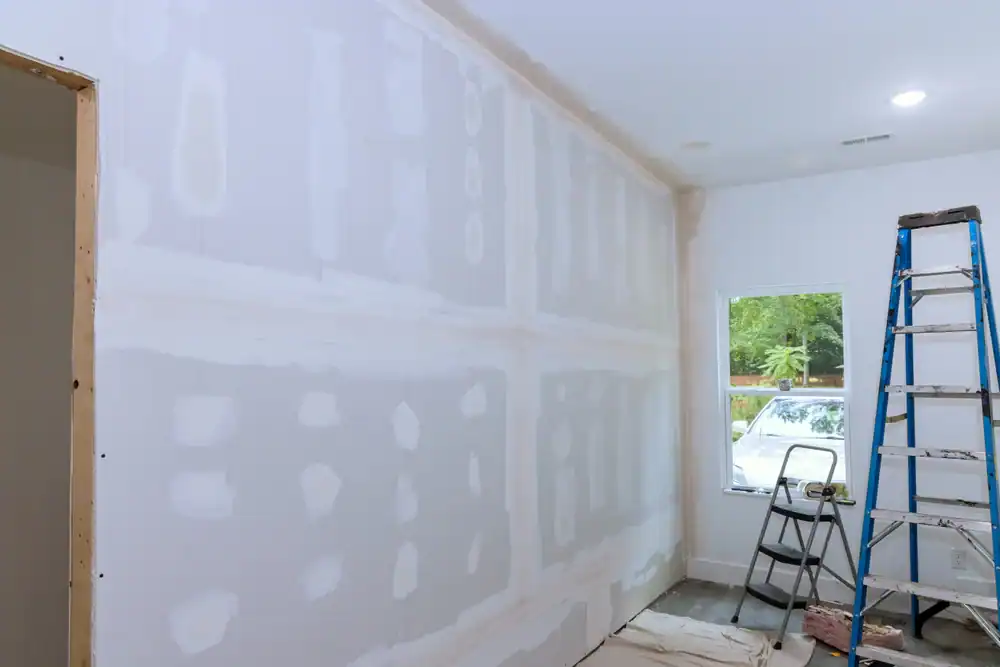
First, we assess the damage and cut out any compromised drywall. Clean edges make better patches. If there’s water damage, we check for mold and address it before moving forward—patching over a problem just creates a bigger one later.
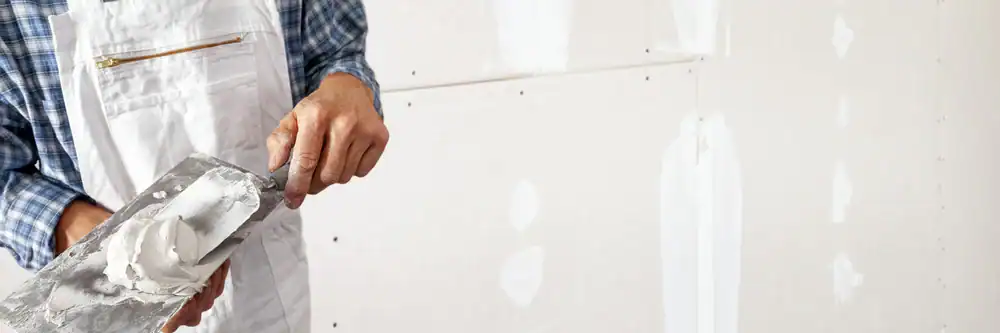
Next comes the actual patch. We secure new drywall or backing material, then apply joint compound in thin layers. This is where most DIY jobs fail. Too much drywall mud at once, and it cracks. Rush the dry time between coats, and the finish looks lumpy. We apply a first coat, let it dry completely, then sand and repeat until the surface is level.
Texture matching happens next. Your walls aren’t smooth—they have a specific pattern. We replicate it so the patch blends in completely. After the final coat dries, we prime and paint to match your existing color. Then we clean up every speck of dust and debris. You’re left with a wall that looks untouched.
Ready to get started?
Every drywall patching job in Shawmont Valley includes damage assessment, complete material removal if needed, professional-grade patching materials, multiple coats of joint compound with proper dry time between each layer, expert texture matching, and final finishing with prime and paint. We also handle complete cleanup—no dust, no debris, no mess left behind.
Shawmont Valley homes average over 60 years old. That means plaster mixed with drywall, settled foundations causing cracks, and textures that aren’t standard anymore. We’ve worked with enough homes in this neighborhood to know what we’re dealing with before we start. That experience means fewer surprises and better results.
You also get transparent pricing upfront. Most small patches run between $150 and $400 depending on size and paint matching requirements. Larger repairs cost more, but we tell you the price before we start. What we quote is what you pay. We’re fully licensed and insured, so your property is protected throughout the entire process.
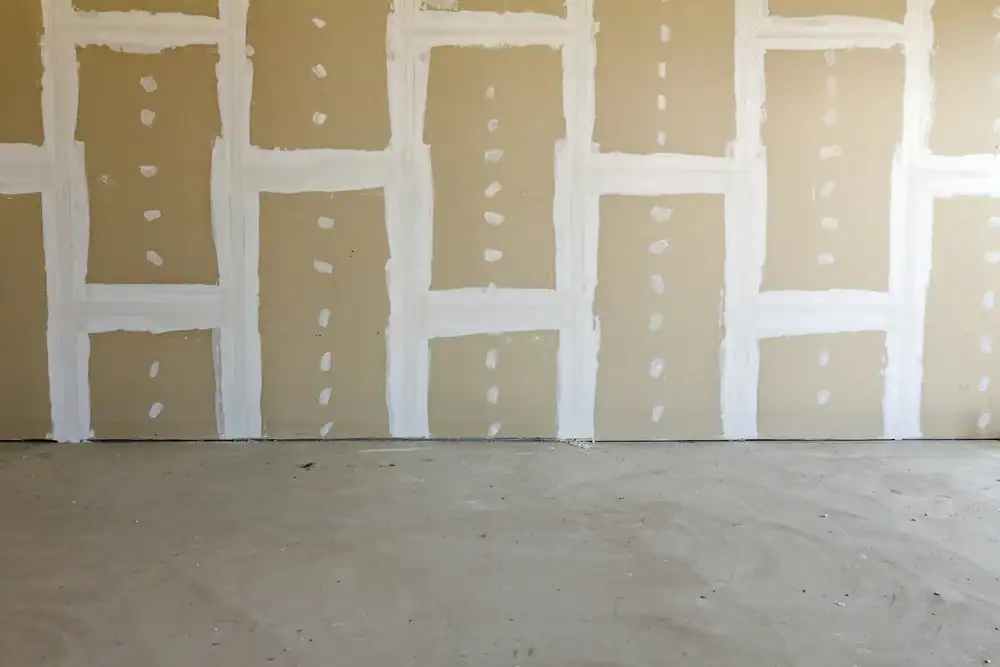
Most small to medium patches are finished in one day. The actual work—cutting, patching, applying joint compound, and texture matching—takes a few hours. The dry time between coats is what extends the timeline.
Here’s the reality: rushing dry time ruins the finish. Each coat of drywall mud needs to dry completely before the next one goes on, or you’ll end up with cracks and an uneven surface. For a standard patch, we’re usually done within four to six hours total, including dry time between the first coat and finishing layers.
Larger repairs or water damage situations take longer. If we’re cutting out significant sections of drywall or dealing with mold remediation, expect a full day or possibly two. We’ll give you an accurate timeline during the initial assessment so you know exactly what to expect.
Yes. Texture matching is one of the most important parts of drywall patching, and it’s where most contractors fail. Your walls have a specific pattern—whether it’s knockdown, orange peel, skip trowel, or something custom—and replicating it takes skill and the right tools.
Shawmont Valley homes built in the 1960s often have textures that aren’t standard anymore. We’ve worked with enough older homes in this area to recognize these patterns and know how to recreate them. We use professional texture matching techniques and test the pattern before applying it to the entire patch.
The goal is making the repair invisible. When we feather the edges properly and match your texture correctly, you won’t be able to tell where the damage was. That’s the difference between a professional repair and a visible patch that bothers you every time you see it.
Foundation settlement is the biggest culprit. Homes in Shawmont Valley are over 60 years old on average, and foundations shift over time. That movement creates stress on drywall, especially around doorways, windows, and corners. You’ll see cracks forming along seams or radiating from corners.
Temperature and humidity changes also cause cracking. Philadelphia’s weather swings from humid summers to cold winters, and that expansion and contraction puts stress on joint compound. Older homes without modern climate control experience more dramatic shifts, which means more cracking over time.
Sometimes the original installation is to blame. If the drywall wasn’t properly secured or the joint compound wasn’t applied correctly decades ago, those weak points eventually fail. Water damage accelerates everything—even minor leaks weaken drywall and cause cracks to spread. The key is addressing cracks early before they grow into larger problems that require more extensive repairs.
Small patches—fixing a doorknob hole or a thin crack—typically run between $150 and $400. That includes materials, labor, texture matching, and paint. The price varies based on the size of the damage and how much paint matching is required to blend the repair.
Larger repairs cost more. If we’re cutting out multiple square feet of damaged drywall, the price moves toward the $400 to $800 range. Water damage repairs that involve mold remediation or structural concerns go higher because there’s more work involved. We assess the damage first and give you an exact price before starting.
Here’s what affects cost: the size of the damaged area, the complexity of your wall texture, how many coats of joint compound are needed, paint matching requirements, and whether there’s underlying damage that needs addressing. We don’t charge by the hour—we quote the complete job upfront so you know exactly what you’re paying. No surprise fees, no upcharges, no games.
Yes, and we take water damage seriously because the clock starts running the moment drywall gets wet. Water weakens drywall quickly, and if it’s not addressed within 24 to 48 hours, mold becomes a real concern. Once mold sets in, you’re dealing with a health issue on top of a repair issue.
When we handle water damage drywall patching in Shawmont Valley, we first identify the water source and make sure it’s fixed. Patching over an active leak is pointless—the problem just comes back. Then we remove all compromised drywall and check for mold growth. If we find mold, we address it properly before installing new material.
We use mold-resistant drywall for water damage repairs. It costs slightly more than standard drywall, but it’s worth it for areas prone to moisture. After the new drywall is installed, we follow the same finishing process—joint compound, texture matching, prime and paint—so the repair blends seamlessly with your existing walls. Water damage repairs take longer than standard patches because we’re dealing with more variables, but we handle everything in one project so you’re not coordinating multiple contractors.
If you’re handy and the damage is tiny—a small nail hole or minor ding—DIY might work. Grab some spackle, smooth it in, let it dry, sand it down, and touch up the paint. For anything larger, you’re probably going to regret the DIY route.
Here’s why: drywall patching looks simple until you’re three trips to the hardware store deep, staring at a lumpy patch that’s somehow more noticeable than the original hole. Feathering the edges takes practice. Matching texture requires specific tools and techniques. Getting the paint to blend perfectly is harder than it looks. Most DIY repairs end up costing more in wasted materials and time than just hiring someone who knows what they’re doing.
Professional drywall patching in Shawmont Valley means the job gets done right the first time. We have the tools, materials, and experience to make repairs invisible. You save time, avoid frustration, and end up with a finished product that actually looks good. If the damage involves water, structural issues, or anything beyond a surface-level cosmetic fix, calling a professional isn’t optional—it’s necessary to prevent bigger problems down the road.
Other Services we provide in Shawmont Valley