
You’re looking at a hole, a crack, or water damage on your wall. Maybe you tried fixing it yourself with hardware store spackle and it looks worse now. Or maybe you’re just tired of staring at it and want someone who can make it disappear.
Here’s what actually happens when the work is done right. The patch blends completely—no shadow lines, no texture mismatch, no reminder that anything was ever wrong. You prime and paint over it and move on with your day.
Most drywall patching in Rittenhouse Sq., PA gets finished in one visit. That means your furniture goes back, your routine returns to normal, and you’re not coordinating schedules for days on end. The repair lasts because we’re using the right drywall mud, the right joint compound, and the right finishing techniques for walls that have been standing since before World War II.
Sharpe Drywall has been handling drywall patching in Rittenhouse Sq., PA and throughout Montgomery and Bucks County for years. We’re the crew homeowners call when they’ve already dealt with contractors who didn’t show up, left dust everywhere, or couldn’t match the texture on a 1950s plaster wall.
Your neighborhood has rowhomes and pre-war buildings with plaster walls, low ceilings, and construction methods that don’t exist anymore. That’s not a problem—it’s what we deal with constantly. We know how to feather the edges on old plaster, how long dry time takes in humid basements, and what it takes to get your first coat smooth enough that the finishing work actually holds.
We’re licensed, insured, and local. You’re not getting a sales pitch or a runaround—you’re getting someone who knows the difference between drywall mud and joint compound and when to use each one.
First, we assess the damage. If it’s water-related, we check for mold or structural issues before touching anything. If your wall is plaster over lath, we figure out whether we’re patching plaster or cutting in new drywall. You’ll know what’s happening before we start.
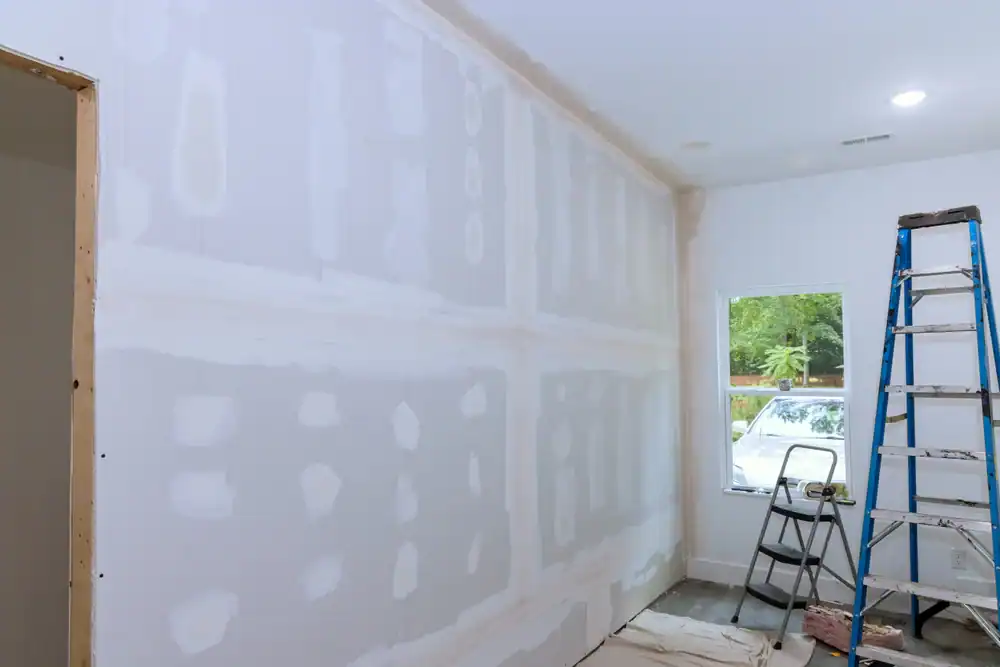
Next comes prep. We protect your floors and furniture, cut out any damaged material, and clean the area so the joint compound actually bonds. If the hole is larger than a few inches, we install backer material or a new drywall piece. Then comes the first coat of drywall mud, applied carefully and left to dry.
Once dry time is complete, we apply additional coats, feather the edges so there’s no visible line, and sand everything smooth. The finishing step is what separates a good repair from an obvious patch job—we match your wall’s texture, whether it’s smooth plaster or something with more character. After that, it’s ready to prime and paint. We clean up completely, haul out debris, and leave your home the way we found it.
Ready to get started?
Every drywall patching job in Rittenhouse Sq., PA includes damage assessment, complete prep work, and all materials needed for a lasting repair. We’re using premium drywall and mold-resistant joint compound—not builder-grade stuff that cracks in six months.
You’re also getting texture matching. That matters more in Rittenhouse Sq., PA than almost anywhere else because your walls aren’t standard smooth drywall. They’re plaster with character, and replicating that texture takes experience and the right finishing techniques. We don’t guess—we test, match, and blend.
Cleanup is part of the service, not an extra. We contain dust during sanding, cover your floors, and remove all debris when we’re done. You shouldn’t have to vacuum drywall mud out of your baseboards for a week after we leave.
Most jobs finish same-day. Small holes and cracks take a few hours. Larger repairs or water damage might need a second visit for final coats, but we’ll tell you that upfront. And if you’re dealing with an emergency—like a burst pipe that soaked your ceiling—we move fast because drywall patching after water damage is time-sensitive.
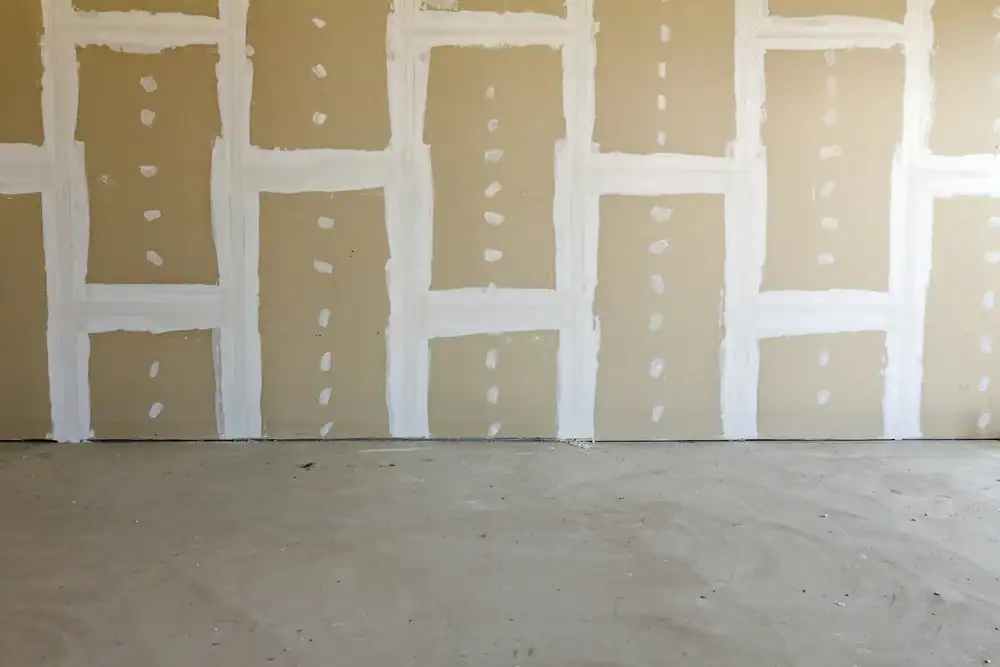
Small repairs—nail holes, shallow cracks, minor dings—typically run between $150 and $400 depending on how much prep and texture matching is involved. Larger holes that need new drywall pieces, backer installation, and multiple coats of joint compound usually cost between $500 and $800.
Water damage repairs cost more because there’s more to check. We’re not just patching drywall—we’re making sure there’s no mold, that the framing is dry, and that we’re not sealing a problem into your wall. If your ceiling has a water stain from a leak, expect to pay toward the higher end because ceiling work takes longer and requires more careful finishing.
Historic homes in Rittenhouse Sq., PA sometimes add complexity. If we’re working with plaster over lath or replicating an unusual texture, that affects the time and materials involved. We’ll give you a clear price before starting so there’s no surprise when the work is done.
Yes, and it’s one of the most important parts of drywall patching in Rittenhouse Sq., PA. Your walls aren’t smooth modern drywall—they’re plaster with texture, age, and character. A flat patch on a textured wall stands out immediately.
We match texture by hand using the right tools and joint compound consistency. Sometimes that means stippling, sometimes it means using a specific trowel technique, and sometimes it means replicating a spray texture that hasn’t been used in decades. We test the technique on scrap material first to make sure it blends before applying it to your wall.
The key is in the finishing work and how we feather the edges. If the transition between old plaster and new drywall mud is too abrupt, you’ll see it even under paint. We blend those edges so gradually that your eye can’t detect where the repair starts. That’s what separates a professional repair from a DIY patch job that’s obvious from across the room.
Dry time depends on temperature, humidity, and how thick the coat is. In typical conditions, joint compound takes 4 to 24 hours to dry enough for the next coat. Thicker applications or humid basements—common in Rittenhouse Sq., PA rowhomes—take longer.
We don’t rush dry time. Sanding or applying another coat over damp drywall mud causes problems: the surface stays soft, sanding gums up, and the finish coat can crack or peel later. If your repair needs multiple coats, we’ll tell you upfront whether it’s a same-day job or requires a return visit.
For small patches with thin coats, we can often apply the first coat, let it dry, sand, apply a second coat, and finish in one day. Larger repairs with thicker joint compound applications usually need at least overnight dry time between coats. We’re not cutting corners to finish faster—we’re making sure the repair actually lasts.
They’re the same thing. “Drywall mud” and “joint compound” both refer to the material used to fill gaps, cover seams, and create a smooth surface on drywall or plaster repairs. The terms get used interchangeably, and you’ll hear both on any job site.
There are different types of joint compound, though, and that matters for your repair. All-purpose compound works for most patches and is what we use for the first coat and second coat on standard repairs. Lightweight compound is easier to sand and works well for finishing. Setting-type compound (also called hot mud) hardens through a chemical reaction instead of drying, which makes it useful for deep holes or repairs that need strength fast.
For drywall patching in Rittenhouse Sq., PA, we’re usually using all-purpose or lightweight joint compound because it bonds well to old plaster, sands smooth, and doesn’t crack when your historic home shifts slightly with the seasons. We choose the right type based on what your wall needs, not what’s cheapest or fastest.
Yes, and we treat them differently than standard drywall patching in Rittenhouse Sq., PA. Water damage isn’t just about fixing the visible hole or stain—it’s about making sure the wall is actually dry and safe to close back up.
When water soaks drywall, the clock starts immediately. Within 24 to 48 hours, mold can start growing inside the wall cavity. We check moisture levels, inspect the framing, and remove any material that’s compromised. If insulation is wet, it comes out. If the studs are damp, we let them dry before installing new drywall. Sealing moisture into a wall creates long-term problems that cost more to fix later.
Once everything is dry and clean, we proceed with the repair—new drywall if needed, joint compound, finishing, and texture matching. We’re also using mold-resistant drywall and primer in areas prone to moisture. If your water damage came from a leaky pipe, roof issue, or basement seepage, fixing it right the first time means you’re not dealing with mold remediation or another repair in six months.
If the damage is isolated—a few holes, a crack, a small water stain—patching makes sense. But if more than 30% of the wall is damaged, if there’s widespread water damage, or if the plaster is crumbling and detaching from the lath, replacement is usually smarter.
Here’s why: patching a wall that’s failing in multiple spots means you’ll be calling someone back in a few months when another section goes. Old plaster in Rittenhouse Sq., PA homes can last another century if it’s solid, but once it starts letting go, it often continues. We’ll tell you honestly whether a patch will hold or whether you’re better off replacing the section.
Replacement also makes sense if you’re opening walls for electrical or plumbing work. If we’re already cutting into the wall, installing a full sheet of new drywall costs less than patching multiple areas separately. We’ll walk you through the options, explain what each approach costs, and let you decide what makes sense for your home and budget. You’re not getting upsold—you’re getting the information you need to make the right call.
Other Services we provide in Rittenhouse Sq.