You shouldn’t be able to tell where the damage was after the first coat of paint dries. That’s the standard we work to on every drywall patching job in Olney, PA.
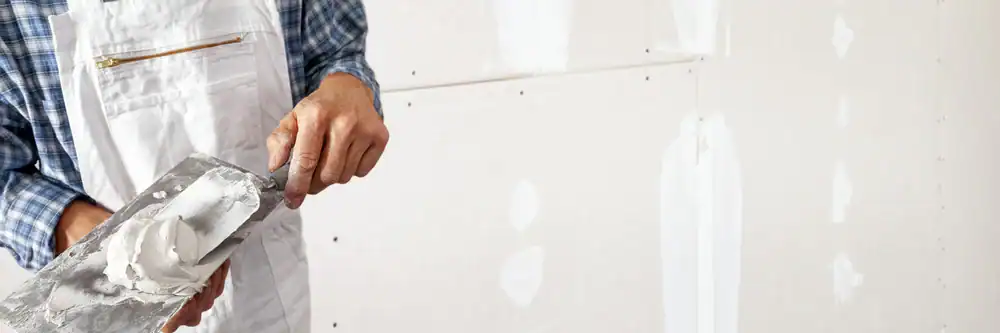
When we apply joint compound, we feather the edges out far enough that transitions disappear. We match your existing texture whether it’s orange peel, knockdown, or smooth. We don’t rush dry time between coats because proper curing prevents cracks from reappearing in six months.
Most repairs get finished in one visit. You’re not waiting days for us to come back for touch-ups or dealing with multiple appointments. We prime and paint if you need it, or we prep the surface so your painter can take over immediately without additional sanding or filling.
Sharpe Drywall serves Montgomery and Bucks County homeowners who’ve dealt with contractors who left messes, missed deadlines, or delivered work that looked amateur. We’re locally owned and we live in the communities we serve.
Olney homes present specific challenges. Older properties often have plaster-to-drywall transitions, settling foundations that cause recurring cracks, and textured walls that require matching skills most handymen don’t have. We’ve handled these issues enough times to know what works and what creates problems down the road.
You get licensed and insured contractors who show up when scheduled. The price we quote is what you pay—no surprise fees when we discover the hole is bigger than expected or the texture takes extra time to match.
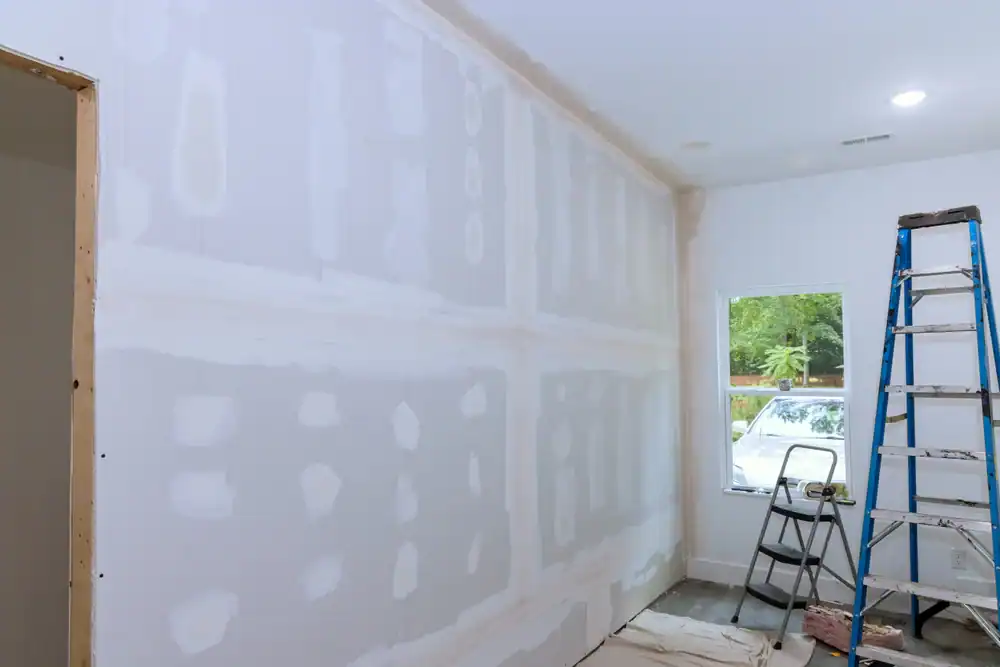
We start by cutting out damaged drywall and securing backing material if needed. Holes get patched with new drywall cut to fit precisely. Cracks get opened up, cleaned out, and filled properly so they don’t reappear.
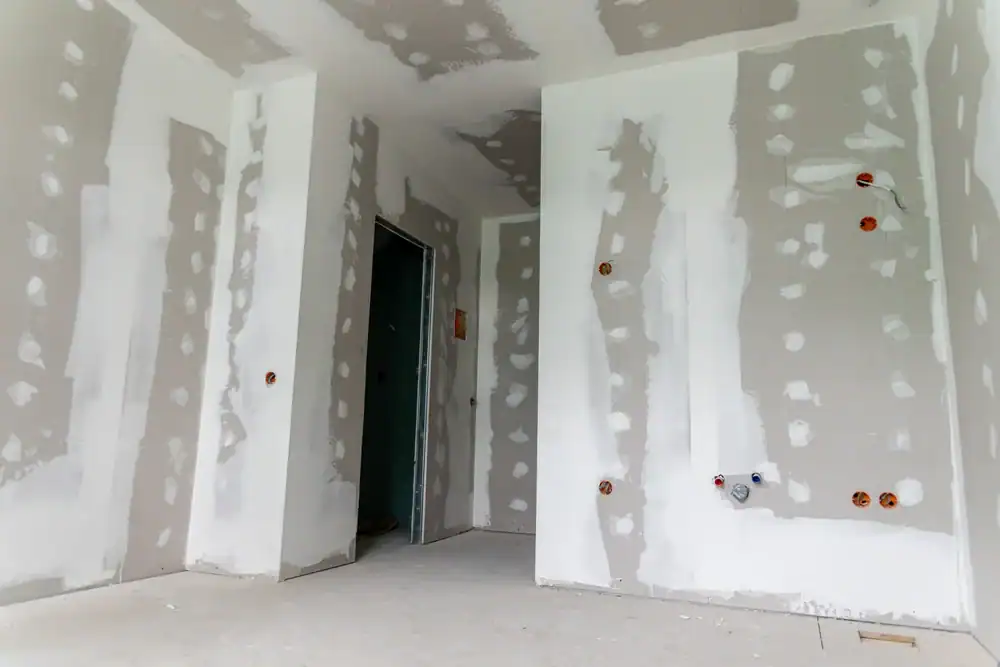
The first coat of drywall mud goes on to fill gaps and cover seams. After proper dry time, we apply additional coats while feathering the edges progressively wider. Each layer gets sanded smooth before the next application. This process can’t be rushed—joint compound needs adequate drying between coats or it cracks.
Texture matching happens after the surface is smooth and primed. We replicate your existing wall texture using the same techniques and materials. Final sanding ensures everything is level and ready for paint. We clean up completely—no drywall dust on your floors or furniture when we leave.
Ready to get started?
Every drywall patching project in Olney, PA includes complete surface preparation, multiple coats of joint compound applied with proper dry time between layers, texture matching to blend with existing walls, and thorough cleanup when we’re done.
Olney’s seasonal temperature swings cause wall movement that leads to tape seams popping and cracks forming along joints. We account for this by using appropriate materials and techniques that flex slightly rather than cracking when temperatures shift. Many older Olney homes have textured walls—texture matching is one of our core skills, not an upcharge.
You get the same attention to detail whether we’re patching a small nail hole or repairing significant water damage. We use quality materials, allow proper curing time, and don’t consider the job finished until the repair is invisible. If you need emergency service for water damage or other urgent situations, we offer priority scheduling and can often accommodate same-day or next-day appointments.
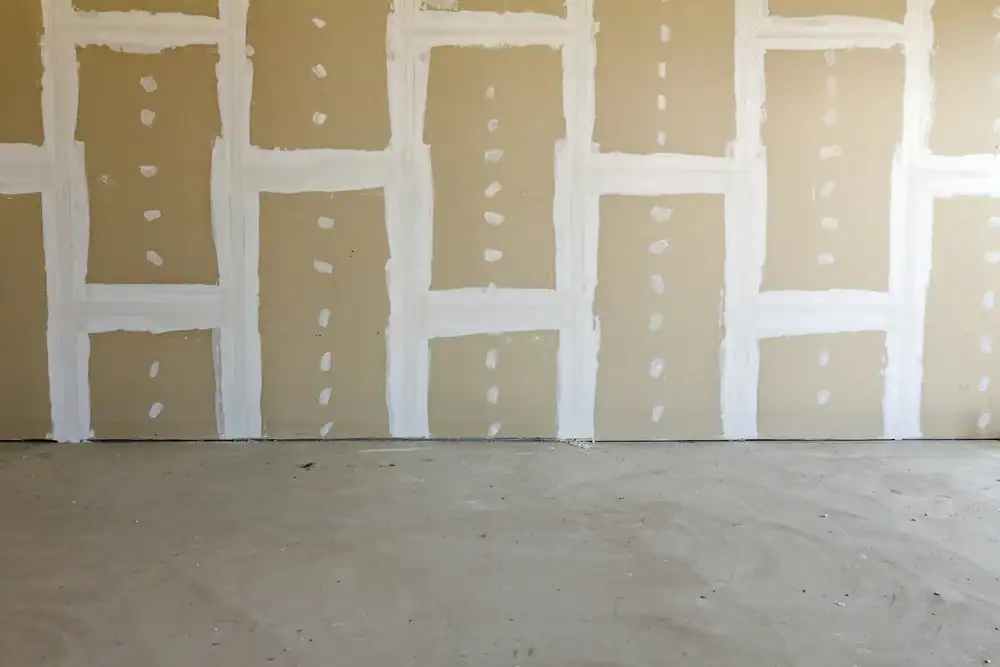
Dry time for joint compound in Olney, PA typically ranges from 4 to 24 hours depending on humidity, temperature, and coat thickness. During humid summer months, drying takes longer. In winter when furnaces are running, compound can dry faster but may crack if rushed.
We don’t apply the next coat until the previous layer is completely dry. You can tell compound is still wet if it’s darker in color or cool to the touch. Applying wet coats on top of damp compound causes shrinkage cracks and poor adhesion.
Most patches need at least two coats of drywall mud, often three for larger repairs. That means a proper repair takes a minimum of one day, sometimes two if conditions aren’t ideal. Anyone promising same-day completion on multi-coat repairs is either rushing dry time or skipping necessary steps.
Yes. Texture matching is one of our specialties, which matters in Olney where many homes have orange peel, knockdown, or custom textures applied decades ago. We carry the tools and materials to replicate most common textures.
The process involves applying your existing texture pattern to the repaired area after the final coat of joint compound is dry and primed. We test the pattern on scrap material first to ensure it matches before applying it to your wall. Lighting angle affects how texture looks, so we check the match from multiple positions.
Some older textures can’t be matched perfectly because the original materials or application methods aren’t available anymore. In those cases, we’ll explain your options—either getting as close as possible or texturing a full wall section so everything matches. We don’t guess or hope it’ll look fine after paint. If we can’t match it invisibly, we tell you before starting work.
No. Most drywall patching in Olney, PA doesn’t require you to leave. We contain dust using plastic sheeting and work in isolated areas when possible. Sanding creates the most dust, and we use vacuum sanders that capture most particles before they spread.
You’ll want to keep pets and children away from the immediate work area for safety, but the rest of your home remains usable. We move furniture only as needed and return it to position when we’re done. If you’re sensitive to dust or have respiratory concerns, opening windows or running air filtration helps.
The work itself isn’t loud except for occasional cutting or drilling. We don’t need access to your whole house—just the room being repaired and a path to bring materials in and debris out. Most homeowners continue their normal routines while we work.
Recurring cracks in Olney homes usually stem from foundation settling, temperature fluctuations, or improper initial repair. Older homes experience more movement as foundations shift over time. Seasonal humidity changes cause wood framing to expand and contract, stressing drywall joints.
If someone just filled the crack with spackle without addressing the underlying movement, it’ll reopen. Proper repair means opening the crack wider, applying mesh tape for reinforcement, and using joint compound that has some flexibility. We also check for structural issues—if a crack indicates foundation problems, we’ll point that out before patching over it.
Some cracks will return no matter what because the building is still settling. In those cases, we explain what’s happening and recommend monitoring before doing extensive repairs. We don’t take your money for fixes that won’t last. If the crack is caused by normal settling that’s slowing down, proper patching with reinforcement should hold permanently.
Small hole repairs in Olney typically run $150 to $300. Larger patches or multiple repairs cost more depending on size, location, and whether texture matching is needed. Water damage repairs vary significantly based on how much drywall needs replacing.
Your quoted price stays the same from start to finish. We don’t add fees when we discover the repair is more complex than expected—that’s our responsibility to assess correctly upfront. The price includes all materials, labor, cleanup, and basic texture matching.
What affects cost most is repair size and ceiling versus wall location. Ceiling repairs take longer and require more careful finishing because lighting shows every imperfection. Matching complex textures adds time. If you need prime and paint included, that’s additional. We’ll walk you through exactly what you’re paying for before starting any work.
Small nail holes and minor dings are reasonable DIY projects if you’re comfortable with basic home repairs. Anything larger than a few inches, ceiling damage, or repairs requiring texture matching usually turn out better when handled by someone who does this regularly.
The challenge isn’t making the hole disappear—it’s feathering the edges so transitions are invisible after paint, matching existing texture accurately, and knowing how many coats to apply. Most DIY attempts look fine until you paint, then every imperfection shows. Fixing a bad patch costs more than doing it right initially.
If you’ve already tried patching it yourself and aren’t happy with the results, we can fix it. We see this often—someone spent a weekend and three hardware store trips trying to get it right, and it still looks obvious. No judgment. Drywall finishing has a learning curve, and most people would rather spend their weekend doing something else.
Other Services we provide in Olney