A bad patch job is obvious. You see the lines, the texture doesn’t match, and six months later it’s cracking. That’s what happens when someone doesn’t know how to feather the edges properly or rushes the dry time between coats.
When drywall patching in Old City is done right, you can’t tell where the damage was. The texture blends. The paint matches. The repair holds up because the right joint compound was used and each coat was applied correctly.
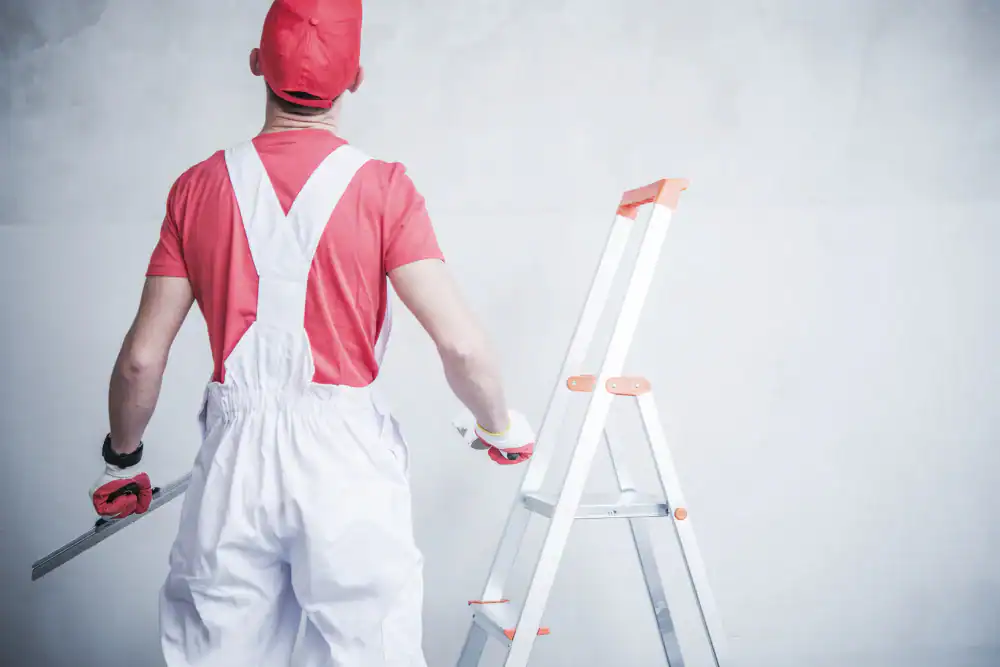
Most of our jobs finish in a single day. That means your furniture goes back, your routine returns to normal, and you’re not waiting around for someone to come back three times. We prep the area to keep your floors and belongings clean, and we don’t leave until the space is cleaner than when we arrived.
Sharpe Drywall has spent years working on homes throughout Old City, PA and the surrounding Philadelphia area. We understand what makes these properties different—the plaster underneath, the settling that happens in older buildings, the way moisture moves through walls that were built decades before modern drywall existed.
Old City isn’t cookie-cutter construction. Your home has character, history, and quirks that require someone who’s seen it all before. We’re licensed, insured, and we’ve handled everything from small nail pops to major water damage in historic rowhomes and renovated lofts alike.
You’re not getting a handyman who watched a YouTube video. You’re getting a local crew that respects your space and knows exactly how to handle the walls in your neighborhood.
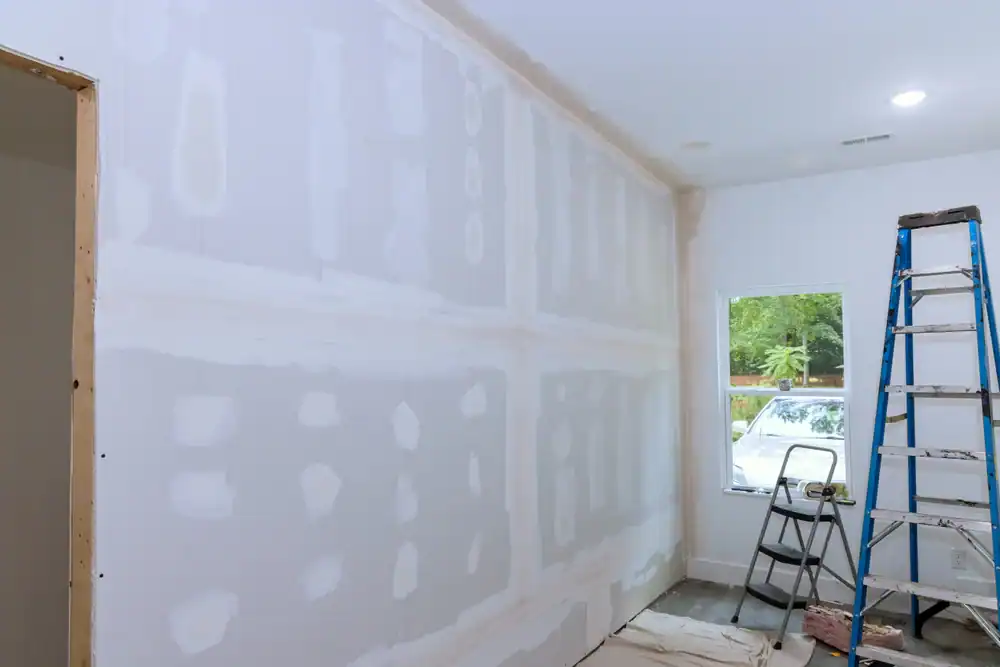
First, we assess the damage and the wall itself. Not all patches are the same—what’s behind your drywall matters, and so does the existing texture and finish. We’ll tell you upfront what needs to happen and how long it’ll take.
Next comes prep. We cover your floors and furniture, cut out any damaged material, and make sure the area is clean and ready. If there’s a moisture issue or structural concern, we address it before moving forward—no point patching over a problem that’ll come back.
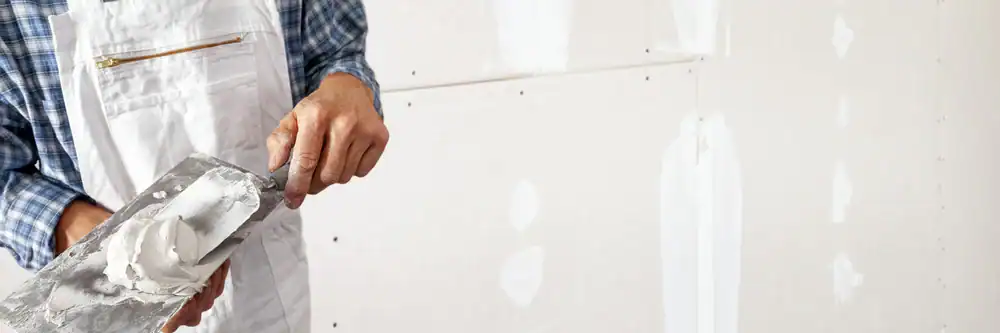
Then we apply the first coat of drywall mud, let it dry properly, and build up from there. Depending on the size and depth of the repair, that’s usually three to four coats. Each layer gets feathered out so there’s no ridge or bump when we’re done. We can typically handle all coats in one day because we know how to manage dry time without rushing the process.
Once the joint compound is fully cured and sanded smooth, we prime and paint to match your existing wall. You’re left with a repair that blends completely—no touch-ups needed later.
Ready to get started?
Every repair starts with protecting your home. We’re not the crew that tracks dust through your hallway or leaves drywall scraps on your floor. You get full site prep, complete cleanup, and respect for your space from start to finish.
The actual patching work includes everything: cutting out damaged sections, securing backing if needed, applying multiple coats of compound, texture matching, sanding, priming, and painting. We use premium materials designed for durability, especially important in Old City, PA where older homes deal with temperature shifts and settling that cheaper products can’t handle.
Texture matching is where most contractors fail. Old City homes have everything from smooth plaster finishes to knockdown and orange peel textures. We replicate what’s already there so the repair disappears. That’s not something you get from a general handyman—it takes experience and the right tools to pull off.
You also get honest communication. If we see something during the repair that needs attention—like mold behind the drywall or wiring that’s not up to code—we’ll tell you. No surprises, no upselling, just straightforward information so you can make the right call for your home.
Most drywall patching jobs in Old City, PA are completed in one day, often within just a few hours depending on the size and complexity of the damage. The key factor is dry time between coats—not the actual work itself.
A typical repair needs three to four coats of joint compound, and each layer has to dry before the next goes on. We’ve refined our process to manage that efficiently, so we’re not making multiple trips to your home over several days. For smaller holes and cracks, you’re looking at a same-day turnaround from start to painted finish.
Larger repairs—like extensive water damage or multiple wall sections—might extend into a second day, but that’s the exception. We’ll tell you the realistic timeline during your free estimate so you can plan accordingly. No guessing, no “we’ll see how it goes.” You’ll know upfront what to expect.
Yes, and that’s one of the most important parts of quality drywall patching in Old City. A repair that doesn’t match the surrounding texture stands out immediately, and that’s usually where DIY jobs and inexperienced contractors fall short.
Old City homes have a wide range of wall finishes—smooth plaster, knockdown, orange peel, skip trowel, and more. Each one requires specific tools and techniques to replicate correctly. We’ve worked on enough historic and renovated properties in the area to handle whatever texture is on your walls.
The process involves carefully feathering the edges of the repair so there’s no visible line where the patch meets the original surface. Then we apply the texture to match, let everything cure properly, and finish with paint that blends seamlessly. When we’re done, you shouldn’t be able to tell where the damage was—even if you’re looking for it.
Most failed patches come down to three things: rushing the dry time, skipping coats, or using the wrong type of joint compound for the job. When corners get cut, the repair doesn’t bond properly or can’t handle normal wall movement.
Drywall mud needs adequate time to cure between layers. If someone slaps on the next coat too soon, moisture gets trapped and the compound stays soft underneath. That leads to cracking, sagging, or the whole repair pulling away from the wall. In Old City, PA, where many homes are older and experience settling, this becomes even more obvious over time.
Using lightweight compound on deep holes is another common mistake. It shrinks as it dries, leaving a depression that shows through the paint. The right approach uses setting-type compound for the base layers and topping compound for the finish—matched to the specific repair. We don’t skip steps, and we don’t rush dry time. That’s why our patches hold up.
Absolutely. Historic homes in Old City, PA are actually where our experience matters most. These properties weren’t built with modern drywall—many have plaster over lath, multiple layers of old paint, and structural quirks that require a different approach than newer construction.
When you’re patching drywall in an older home, you’re often tying new materials into old ones. That means understanding how plaster behaves, how to anchor into lath if that’s what’s behind the wall, and how to prep surfaces that might have decades of calcimine or oil-based paint. Most drywall installers don’t know how to handle that, and it shows in the finished product.
We’ve spent years working on Philadelphia-area homes with these exact challenges. We know how to assess what’s behind your walls, choose the right materials, and execute repairs that respect the original construction while giving you a modern, clean finish. Your historic home gets the care it deserves—not a one-size-fits-all approach that ignores its unique needs.
Spackle is fine for tiny nail holes and minor surface imperfections, but it’s not designed for actual drywall patching in Old City or anywhere else. It dries fast, shrinks significantly, and doesn’t have the structural integrity for repairs larger than a dime.
Joint compound—also called drywall mud—is what professionals use for real repairs. It comes in different types: setting compound (which hardens through a chemical reaction), all-purpose compound (good for most applications), and topping compound (used for final coats and finishing). Each serves a specific purpose depending on the depth and location of the damage.
For a proper patch, you need joint compound that can be built up in layers, sanded smooth, and feathered out to blend with the surrounding wall. Spackle can’t do that. It’s a surface filler, not a structural repair material. When someone tells you they “spackled” a hole in your wall, that’s a red flag that the repair probably won’t last. We use the right materials for the job—always joint compound for drywall patching, applied correctly with proper dry time between coats.
We handle the prime and paint as part of the drywall patching service in Old City, PA. You’re not left with a white patch on your wall or scrambling to find a painter who can match the color.
After the final coat of joint compound is fully dry and sanded smooth, we apply primer to seal the repair. Raw drywall mud is porous and will show through paint if you skip this step—another reason DIY patches often look obvious. The primer creates a uniform surface that accepts paint the same way as the rest of your wall.
Then we paint to match your existing color. If you have the original paint, that’s ideal. If not, we can work with color matching to get as close as possible. The goal is a finished repair that blends completely, and that means taking it all the way to the final painted surface. You don’t need to coordinate with another contractor or do it yourself. We finish the job, clean up, and you’re done.
Other Services we provide in Old City