You’re staring at a hole in your wall, or maybe a crack that’s been growing for months. You’ve thought about fixing it yourself, watched a YouTube video or two, but you know how those DIY patches turn out—lumpy, obvious, and somehow worse than the original problem.
Professional drywall patching in Ogontz means the damage actually disappears. Not “good enough from across the room” but invisible up close. The texture matches perfectly whether you’ve got knockdown, orange peel, or smooth walls. The edges feather out so seamlessly that even you won’t remember exactly where the repair was.
Most jobs finish the same day. You’re not waiting around for multiple visits or living with plastic sheeting for a week. The work gets done, the mess gets cleaned up completely, and your walls look the way they should—like nothing ever happened.
We specialize in drywall work throughout Ogontz, PA and the surrounding Philadelphia area. That focus matters when you’re dealing with homes built in the 1940s and 1950s—the kind of construction that makes up nearly half of Ogontz’s housing stock.
These older homes settle differently than newer builds. Cracks show up around doorways and ceilings because foundations shift over decades. You need someone who understands how to work with that movement, not just slap joint compound over the symptom.
We’re licensed, insured, and local. We’ve repaired walls in enough Ogontz homes to know what your house is dealing with before we even walk through the door. No surprises, no excuses, just clean work that holds up.
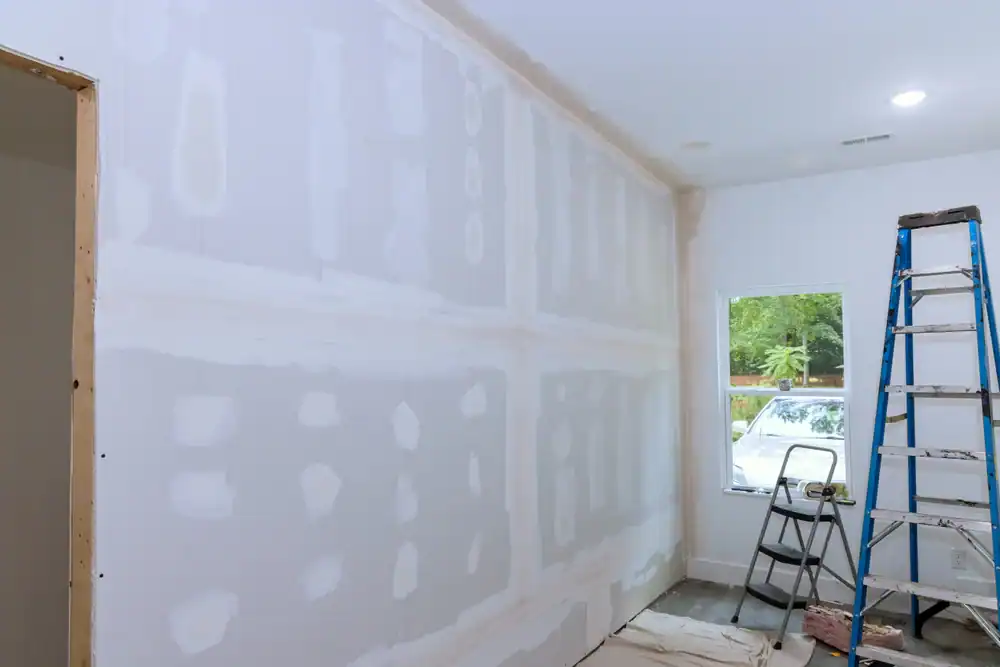
First, we assess the damage and the surrounding wall. If there’s water damage or mold, that gets addressed before any patching happens—covering up a moisture problem just means you’ll be calling someone back in six months.
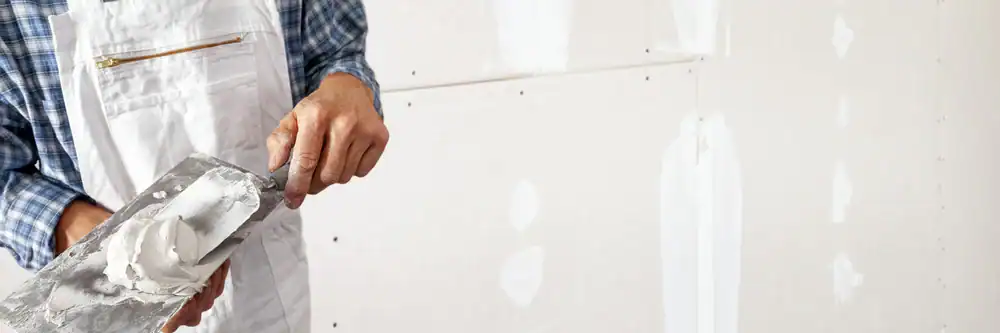
The damaged section gets cut out cleanly and a new piece of drywall goes in, secured properly to the studs or backing. Then comes the joint compound work—the first coat fills the seams, and each layer after that builds up gradually. We feather the edges out so there’s no ridge or bump where new meets old.
Dry time between coats matters. Rushing this part is how you end up with cracks reappearing or patches that look wavy once the paint goes on. We let each layer cure properly, then sand it smooth before the next application.
Texture matching happens last. Whether your walls have a spray texture or a hand-troweled finish, we recreate that pattern so the repair blends completely. Then it’s primed, ready for paint, and cleaned up. You’re left with a wall that looks untouched.
Ready to get started?
You’re getting the full repair, not just the visible part. That means proper backing and support for the patch, premium joint compound that won’t crack or shrink, and as many coats as needed to get the surface perfectly smooth.
Texture matching is included—not an upcharge. If your walls have knockdown texture or orange peel, we’re recreating that finish so the repair disappears completely. Smooth walls get sanded to the same level as the surrounding surface.
Everything gets primed when we’re done. That seals the new drywall mud and ensures your paint goes on evenly without flashing or color differences. And the cleanup is thorough—no dust left on your floors, no dried compound on your trim, nothing for you to deal with after we leave.
In Ogontz, where property values jumped over 24% in the last year, maintaining your walls properly matters. Small repairs now prevent bigger problems later, especially in homes dealing with the natural settling that comes with 70- and 80-year-old construction.
Most drywall patching jobs in Ogontz finish in one day, though the timeline depends on the size and number of repairs. A single hole or crack usually takes a few hours—cut out the damage, install the patch, apply the first coat of joint compound, and let it dry.
Larger repairs or multiple patches might need a second visit for additional coats and finishing. Each layer of drywall mud needs proper dry time before you can sand and apply the next coat. Rushing that process leads to cracks and visible seams later.
If you’ve got water damage, we’re addressing the source first. Patching over active moisture problems just means the repair fails in a few months. Once everything’s dry and stable, the actual patching moves quickly.
The difference shows up in how the repair looks six months later. DIY patches often crack, shrink, or show visible ridges because the joint compound wasn’t applied in thin enough layers or didn’t dry properly between coats. Feathering the edges takes practice—most homeowners end up with a noticeable hump where the patch meets the existing wall.
Texture matching is where DIY really falls apart. If your walls have any kind of spray or troweled texture, recreating that pattern without the right tools and experience is nearly impossible. You end up with a smooth patch on a textured wall, which stands out immediately.
Professional drywall patching in Ogontz means proper backing for the repair, the right number of coats applied correctly, and texture matching that actually blends. The repair disappears completely instead of just being “good enough.” You’re also getting someone who knows how Ogontz’s older homes settle and crack, so the fix addresses the real problem, not just the surface damage.
Yes. Texture matching is part of every drywall patching job we do in Ogontz, whether you’ve got knockdown, orange peel, skip trowel, or smooth walls. We’re not leaving you with a flat patch on a textured surface.
Matching texture properly requires the right tools and materials. Knockdown texture, for example, needs to be sprayed on and then knocked down at the right timing—too soon and it’s too flat, too late and it won’t smooth out correctly. Orange peel texture depends on the spray gun settings and the consistency of the drywall mud.
We bring samples and test the pattern on scrap material first if there’s any question about the match. The goal is for you to not be able to find the repair once it’s painted. In older Ogontz homes where textures might have been applied decades ago, we take extra care to blend new work with aged finishes so everything looks consistent.
Small hole repairs—the kind from doorknobs, picture hangers, or minor impacts—typically run $150 to $250 depending on the number of patches and whether texture matching is needed. Larger holes or multiple repairs in the same room usually fall between $250 and $400.
Water damage repairs cost more because there’s often more extensive cutting and replacement involved, plus addressing the moisture source. Foundation cracks that keep reappearing might need additional reinforcement, which adds to the cost but prevents you from paying for the same repair twice.
You’ll get a clear estimate before any work starts. The price includes all coats of joint compound, texture matching, priming, and complete cleanup. No surprise charges for “extra” work that should have been included from the start. In Ogontz’s older housing stock, we’ve seen enough of these repairs to give you an accurate price upfront.
Foundation settling is the main culprit in Ogontz homes built in the 1940s and 1950s. As the foundation shifts over time—which is normal in homes this age—stress concentrates around doorways, windows, and ceiling corners. That stress cracks the drywall, and just filling the crack with joint compound doesn’t address the movement causing it.
Temperature and humidity changes make it worse. Philadelphia’s freeze-thaw cycles cause expansion and contraction in building materials. In older homes without modern moisture barriers, that movement is more pronounced. You’ll see cracks reappear in the same spots because the underlying stress hasn’t changed.
Proper drywall patching in Ogontz means understanding where that movement is happening and reinforcing the repair accordingly. Sometimes that means adding backing, sometimes it’s using flexible joint compound in areas that move, and sometimes it’s addressing a structural issue before we patch. The goal is a repair that lasts, not one that looks good for three months and then cracks again.
Yes, and we start by making sure the water source is actually fixed before we patch anything. Covering up wet drywall just traps moisture and creates mold problems. If there’s active leaking, that needs to be resolved first—whether it’s a roof issue, plumbing leak, or condensation problem.
Once everything’s dry, we cut out the damaged drywall. Water-damaged drywall loses its structural integrity and needs to be replaced, not just patched over. We’re checking the surrounding area too, because water travels and the visible damage isn’t always the full extent of the problem.
The replacement goes in with mold-resistant drywall if you’re dealing with a bathroom, basement, or anywhere moisture is a concern. Then it’s the same finishing process—joint compound, feathering the edges, texture matching, and priming. In Ogontz’s older homes, water damage often reveals other issues like outdated plumbing or poor ventilation, which you’ll want to address to prevent the same problem from happening again.
Other Services we provide in Ogontz