You shouldn’t be able to tell where the damage was. That’s the standard.
When drywall patching in Graduate Hospital, PA is done right, the repair blends completely with your existing wall. No visible seams. No texture mismatches. No paint lines that catch the light differently. Just a smooth, clean surface that looks like nothing ever happened.
Most repairs finish in a few hours. Small holes and cracks from settling, picture hangers, or doorknob damage get patched, sanded, and prepped for paint the same day. Larger repairs from water damage or structural work might need a second coat of joint compound, but even those typically wrap up within 24 hours once dry time is factored in.
The difference comes down to technique. Feather the edges properly and the patch disappears. Rush through the first coat or skip proper sanding, and you’ll see every imperfection once the paint goes on. That’s where most DIY attempts fall apart—and where a lot of contractors cut corners.
You get a repair that lasts because we’re using premium drywall mud in Graduate Hospital, PA and taking the time to do it right. No callbacks. No touch-ups six months later. Just finished work that holds up.
We serve Montgomery, Bucks, and Philadelphia counties—including Graduate Hospital, PA, where narrow staircases, thick brick walls, and three-story row homes built before 1940 come with their own challenges.
We’re licensed, insured, and locally owned. That matters when you’re working in homes where original plaster sits behind newer drywall, or where moisture from Philadelphia’s damp conditions has already caused problems once before. You need someone who knows what they’re looking at.
Most of our work comes from referrals. Homeowners who got burned by unreliable contractors, or who tried patching themselves and realized how difficult it actually is. We show up when we say we will, finish when we say we will, and clean up completely before we leave. That’s not marketing language—it’s how we’ve built a reputation in Graduate Hospital, PA and the surrounding area.
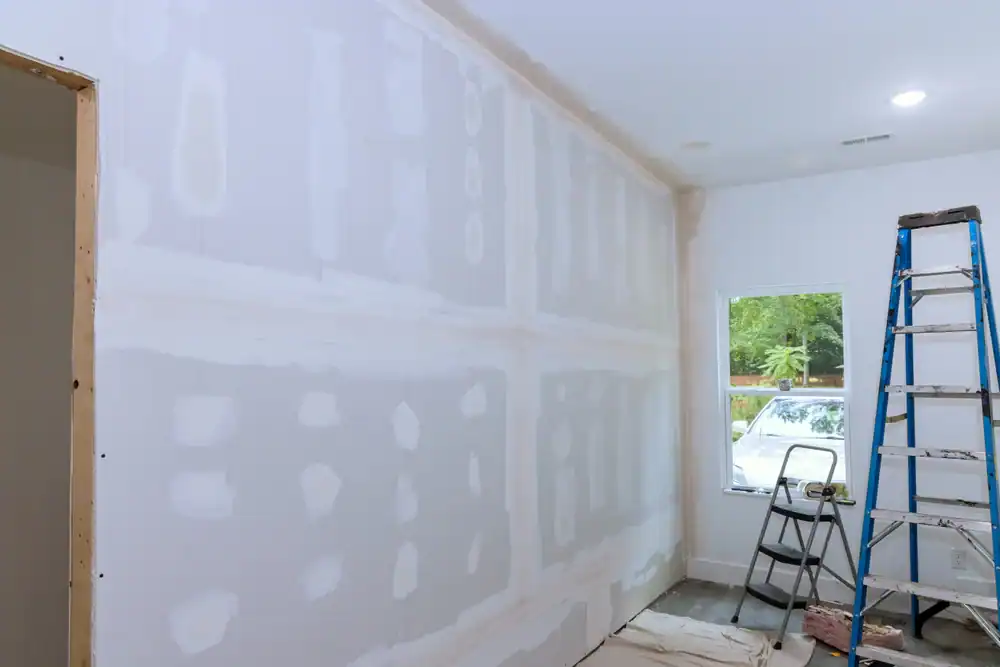
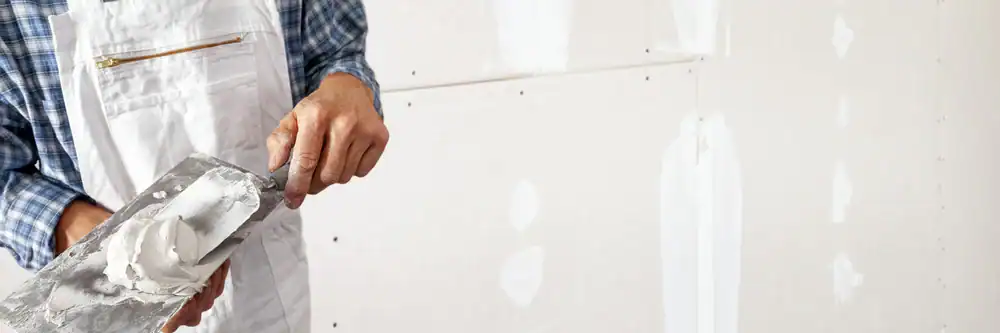
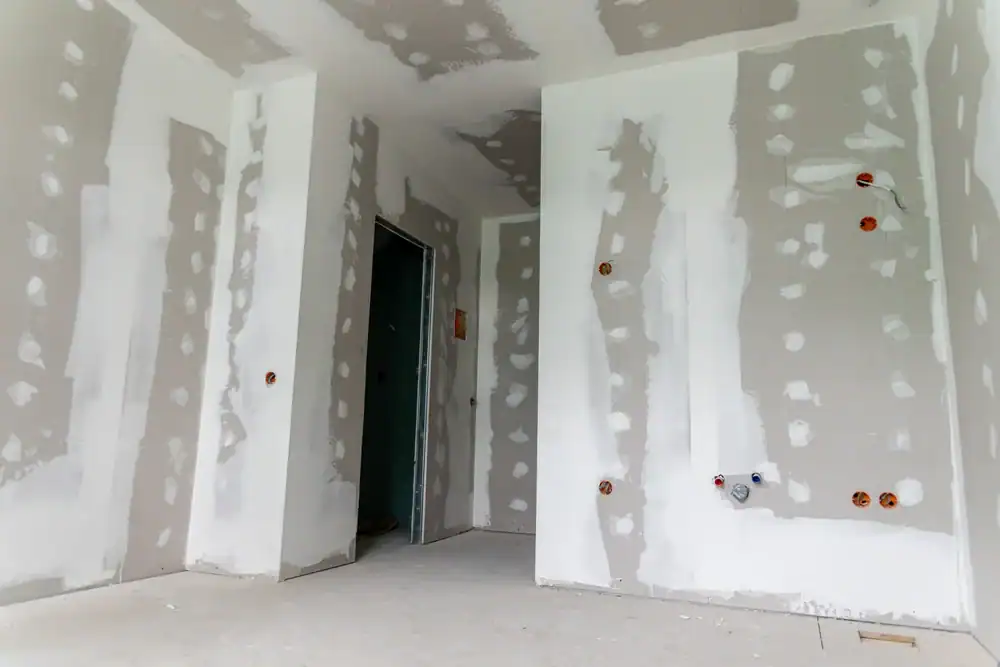
First, we assess the damage. Small holes get filled with joint compound in Graduate Hospital, PA and sanded smooth. Larger holes need a backer board or drywall patch cut to size, secured, then taped and mudded. Water damage sometimes means cutting out more than you’d expect—drywall doesn’t dry out once it’s soaked, so damaged sections get removed and replaced.
Once the patch is in place, we apply the first coat of drywall mud in Graduate Hospital, PA, let it dry, then sand it smooth. A second coat feathers the edges so the repair blends with the surrounding wall. Dry time between coats usually runs 2-4 hours depending on humidity and temperature, which is why most jobs finish the same day.
After the final sanding, we prime and paint if that’s part of the scope. If you’re handling the painting yourself, we leave the surface ready to go—smooth, clean, and prepped. Either way, we clean up completely. No dust on your floors. No mud on your trim. No leftover materials sitting in your hallway.
The goal is simple: you shouldn’t be able to tell we were there, except that the hole in your wall is gone.
Ready to get started?
Every drywall patching job in Graduate Hospital, PA includes texture matching, complete finishing, and cleanup. That’s standard, not an upsell.
Texture matching matters in Graduate Hospital, PA, where many homes were built in the 1950s and 1960s with specific wall textures that aren’t easy to replicate. We carry the tools and materials to match knockdown, orange peel, and smooth finishes so your repair doesn’t stand out. If your walls have a custom texture, we take the time to get it right.
Moisture-resistant drywall goes in anywhere water damage was involved. Philadelphia’s damp conditions mean basements and exterior walls need materials that can handle humidity without breaking down. Standard drywall will fail again in those areas—it’s not worth the callback.
You also get transparent pricing. The quote you receive is what you pay. No hidden fees for materials, no surprise charges for cleanup, no pressure tactics. Just honest pricing for professional drywall finishing in Graduate Hospital, PA that’s done right the first time.
Most repairs finish in one visit. Larger jobs might need a second day for dry time and finishing coats, but you’ll know that upfront. We’re not dragging out timelines or leaving your home torn apart for days.
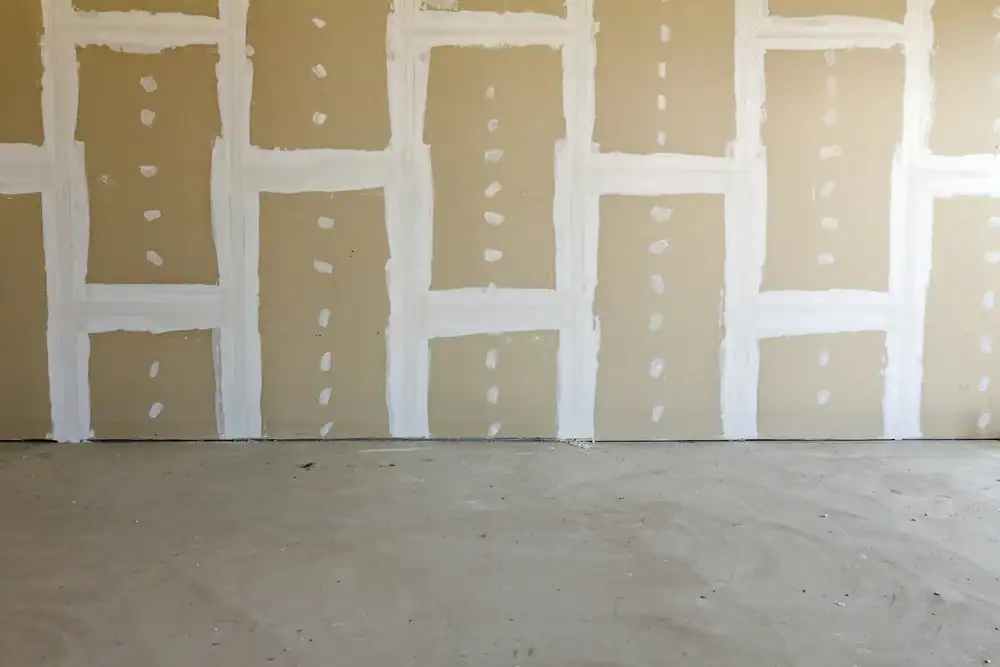
Most small to medium repairs finish in a few hours. Holes from picture hangers, doorknobs, or minor settling cracks typically take 2-4 hours from start to finish, including dry time for joint compound in Graduate Hospital, PA.
Larger repairs—like damage from plumbing work or water leaks—might need a second coat of drywall mud, which adds another few hours for drying and sanding. Even those jobs usually wrap up within one day unless you’re dealing with extensive water damage that requires cutting out and replacing full sections of drywall.
Dry time depends on humidity, temperature, and how thick the coat of mud is. Philadelphia’s damp conditions can slow things down slightly, but we account for that when scheduling. You’ll know upfront whether your repair is a same-day job or needs a follow-up visit for finishing.
Yes. Texture matching is part of every drywall patching job in Graduate Hospital, PA, and it’s one of the most important steps for making repairs invisible.
Many homes in Graduate Hospital, PA were built in the 1950s and 1960s with specific wall textures—knockdown, orange peel, or custom finishes that aren’t standard anymore. We carry the tools and materials to replicate those textures so your patch blends completely with the surrounding wall.
The process involves applying joint compound at the right consistency, then using a specific technique to match the pattern. It’s not something you can fake or rush through. If the texture doesn’t match, the repair will stand out no matter how well the rest of the work is done. That’s why we take the time to get it right before moving on to prime and paint in Graduate Hospital, PA.
Most cracks come from settling. Graduate Hospital, PA has a lot of row homes built before 1940, and as those structures shift over time, stress cracks appear—especially around doorways, windows, and ceiling joints.
Drywall seams are usually the first place you’ll see cracks. The tape and joint compound holding two sheets of drywall together can separate slightly as the house settles, creating hairline cracks that slowly get worse. Those need to be re-taped and finished properly, not just filled with spackle.
Temperature and humidity also play a role. Philadelphia’s damp winters and humid summers cause materials to expand and contract, which can lead to cracking in poorly finished joints. That’s why using quality drywall mud in Graduate Hospital, PA and taking the time to feather the edges properly matters—it reduces the chance of cracks reappearing later.
Water damage is another common cause. Leaks from plumbing, roofs, or exterior walls can weaken drywall and cause it to crack, warp, or crumble. Those repairs usually require cutting out the damaged section and replacing it with moisture-resistant material.
Yes, but the amount of repainting depends on the size of the repair and how well your existing paint matches.
Small patches—like holes from picture hangers—usually only need touch-up paint in the immediate area. We prime the patched section so paint adheres properly, then you can touch it up with your existing wall color. If the paint is fairly new and you have leftover paint from the original job, the touch-up should blend well.
Larger repairs might need the entire wall repainted to avoid color mismatches. Paint fades over time, especially in rooms with a lot of natural light, so even if you use the same color, a fresh patch can look slightly different than the surrounding wall. Repainting the full wall ensures everything matches.
We can handle prime and paint in Graduate Hospital, PA as part of the job, or leave the surface prepped and ready for you to paint yourself. Either way, the drywall finishing is done right—smooth, clean, and sanded to the point where paint goes on evenly without showing imperfections.
Small repairs—like patching a doorknob hole or fixing a crack—usually run a few hundred dollars depending on the size and complexity. Larger repairs involving water damage, multiple holes, or full drywall replacement cost more because they require more materials, labor, and time.
The price depends on the scope of work. A simple patch with one coat of joint compound in Graduate Hospital, PA, sanding, and priming is straightforward. Repairs that need texture matching, multiple finishing coats, or moisture-resistant drywall installation take longer and cost more.
You’ll get a clear upfront estimate that breaks down what’s included. No hidden fees for materials, no surprise charges for cleanup, no pressure tactics. The quote you receive is what you pay. Most homeowners in Graduate Hospital, PA find that professional drywall patching costs less than they expected—and a lot less than dealing with a botched DIY job or unreliable contractor who leaves the work half-finished.
Spackle is fine for tiny nail holes, but it’s not strong enough for real repairs. It shrinks as it dries, cracks under stress, and doesn’t sand as smoothly as joint compound. Most DIY repairs fail because spackle gets used where drywall mud should have been.
Joint compound—also called drywall mud in Graduate Hospital, PA—is what professionals use for patching, taping seams, and finishing. It’s stronger, more flexible, and designed to handle the expansion and contraction that happens as houses settle and temperatures change. It also feathers better, which is critical for making repairs invisible.
There are different types of joint compound. All-purpose mud works for most repairs. Lightweight compound is easier to sand but takes longer to dry. Setting-type compound dries faster and harder, which is useful for large repairs or areas that need strength. We choose the right type based on what the job requires.
Using the wrong material is one of the main reasons DIY drywall patching in Graduate Hospital, PA doesn’t hold up. Spackle might look fine initially, but it’ll crack or shrink within a few months. Joint compound, applied correctly with proper dry time between coats, lasts for years.
Other Services we provide in Graduate Hospital