You shouldn’t be able to tell where the damage was. That’s the standard for drywall patching in Girard College, PA that actually works.
Most repairs finish in a single visit. You’re not waiting days for multiple coats to dry or dealing with contractors who disappear between appointments. We show up, assess the damage, match your texture perfectly, and complete the work while you go about your day.
The difference shows in the details. Feathering the edges so there’s no visible line between old and new. Matching your wall texture so the repair blends completely. Using the right drywall mud and joint compound for your specific wall type. Proper dry time between coats so nothing cracks or bubbles later.
You get walls that look untouched. No obvious patches. No color differences. No texture mismatches that catch your eye every time you walk past. Just clean, invisible repairs that hold up for years.
Sharpe Drywall exists because too many homeowners in Girard College, PA were getting stuck with contractors who left messes, missed deadlines, and delivered work that looked worse than the original damage.
We’re locally owned and fully licensed and insured, serving Montgomery, Bucks, and Philadelphia counties. We’ve spent over a decade learning how to handle the specific challenges that come with North Philadelphia’s older housing stock—plaster walls that crack over time, water damage from aging plumbing, and repairs that need to blend with existing finishes that might be decades old.
You’re not getting a crew that treats your home like a quick job between bigger projects. You’re getting contractors who understand that your walls matter, your time matters, and your budget matters.
We start by evaluating the damage. Holes, cracks, and water damage all require different approaches. If there’s water damage, we’re checking for mold and making sure the source is fixed before we patch anything.
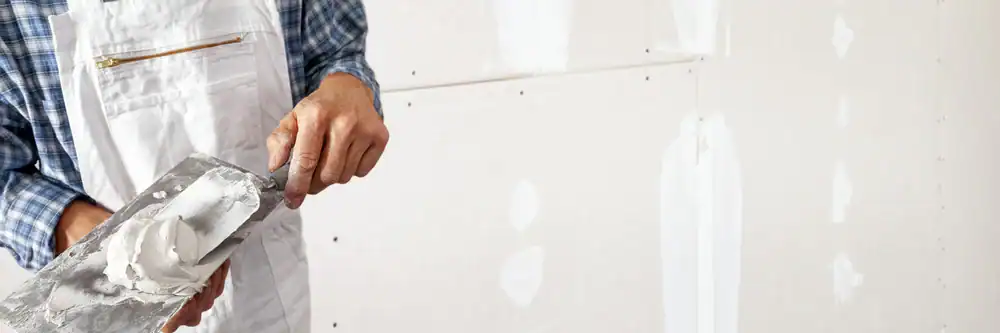
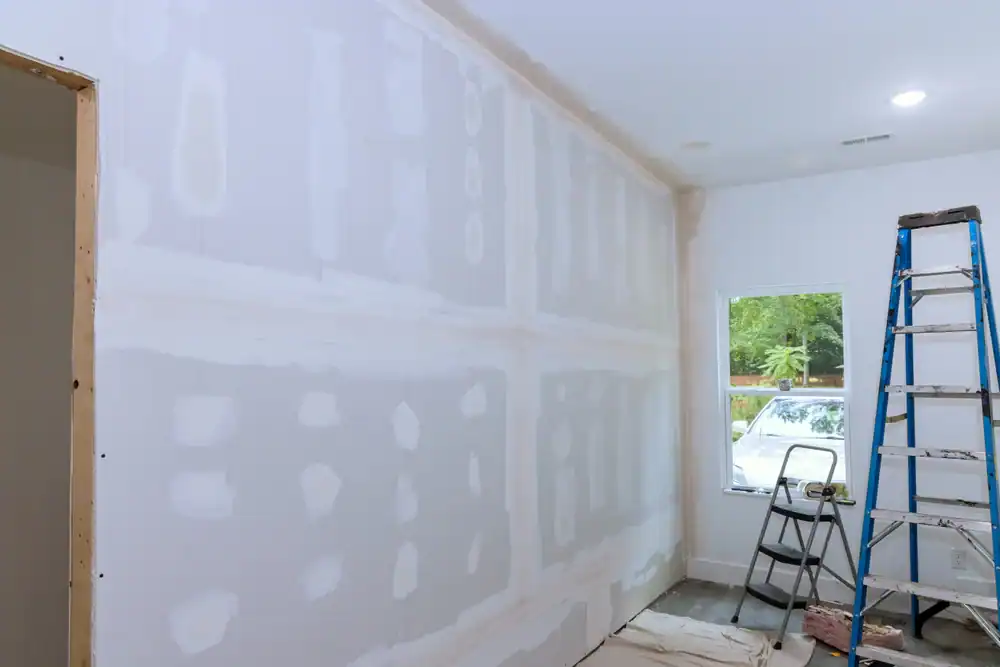
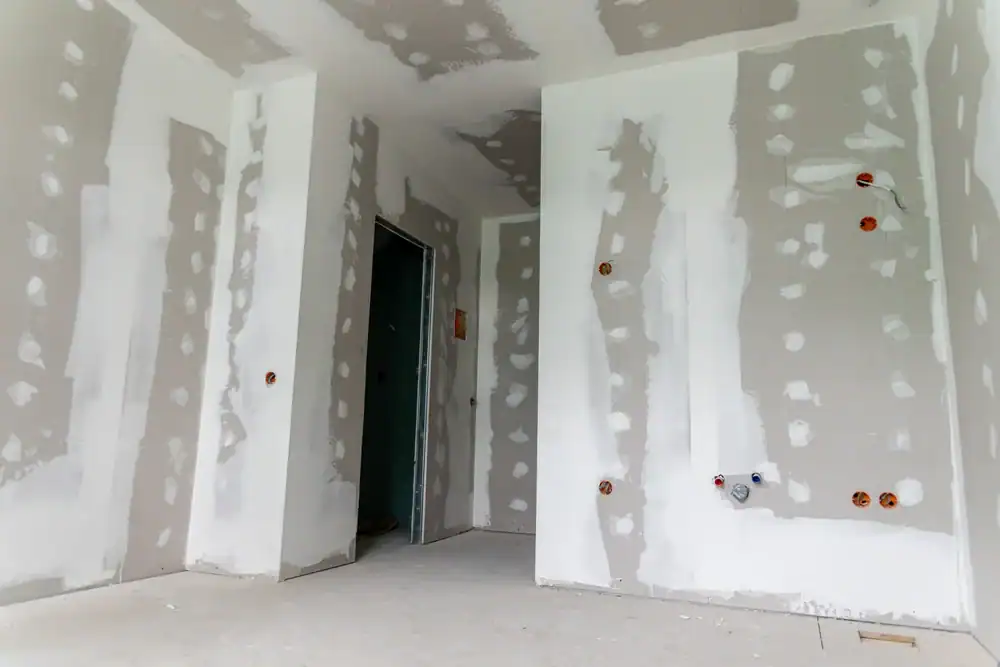
The actual drywall patching in Girard College, PA involves cutting out damaged sections cleanly, securing backing material if needed, and applying the first coat of joint compound. This isn’t about slapping spackle on and calling it done. We’re building layers that create a smooth, level surface.
Between coats, proper dry time matters. Rush this and you get cracks. We let each layer cure completely before adding the next. Then comes the finishing work—sanding smooth, feathering the edges so there’s no visible transition, and matching your wall texture exactly.
The final step is priming and painting to match your existing wall color. Some drywall companies make you hire a separate painter. We handle it all. One crew, one timeline, complete results.
You’re left with walls that look untouched and zero mess. We clean as we work and do a final sweep before we leave.
Ready to get started?
Every drywall patching job in Girard College, PA includes damage assessment, complete repair work, texture matching, priming and painting, and thorough cleanup. You’re not paying extra for basics.
North Philadelphia’s older homes present specific challenges. Many properties in the Girard College area have plaster walls applied directly to brick, or you’re dealing with previous repairs where someone tried to merge plaster to sheetrock. We’ve handled these situations hundreds of times. We know how to work with your home’s existing construction without creating new problems.
Water damage gets special attention. Leaking pipes, roof issues, or moisture problems need more than a surface patch. We’re evaluating the extent of damage, checking for mold, and making sure the repair will last. Premium mold-resistant drywall goes in anywhere moisture was an issue.
You also get transparent pricing before we start. Most residential repairs in the area run between a few hundred dollars for small patches to $500-$800 for larger damage. You know what you’re paying upfront. No surprise fees when the job’s done.
The goal is simple: repairs that blend invisibly, completed in one visit when possible, with zero mess left behind.
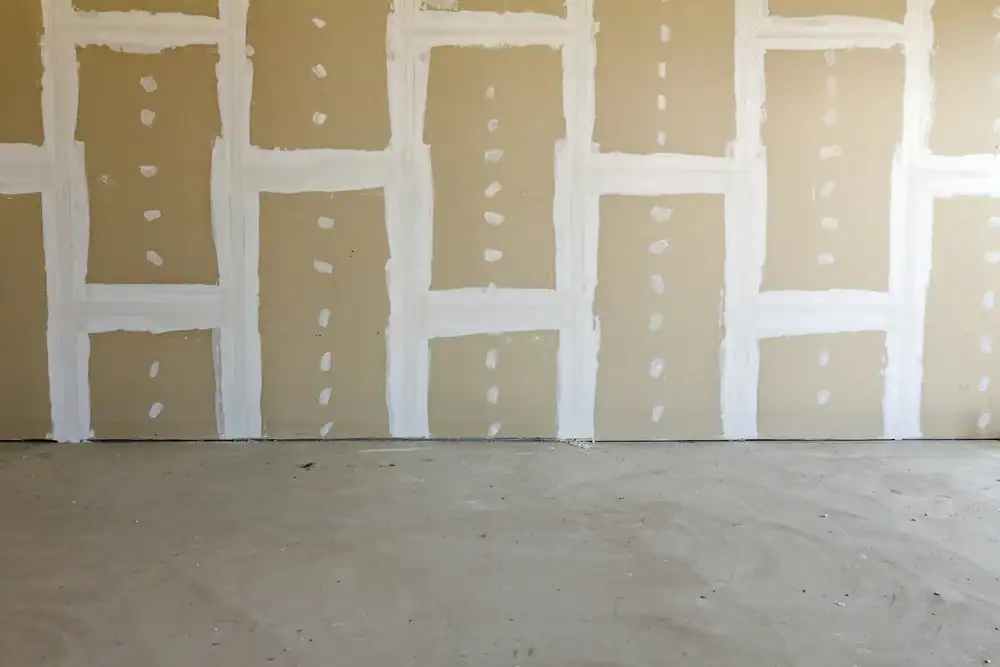
Most drywall patching jobs finish in a single day. Small holes or cracks typically take a few hours from start to finish, including dry time between coats and final painting.
Larger repairs or water damage might extend to two visits. The first coat of joint compound needs to dry completely before we can sand and apply the finishing coat. If we’re dealing with extensive damage or multiple rooms, we’ll give you an accurate timeline upfront.
The dry time between coats is non-negotiable. Rushing this causes cracks and failures down the road. We schedule jobs so each layer cures properly, but we’re efficient about it. You’re not waiting days between visits or dealing with an extended timeline that disrupts your routine.
Yes. Texture matching is what separates invisible repairs from obvious patches that you’ll notice forever.
Girard College homes have various wall textures—smooth finish, orange peel, knockdown, or older plaster textures. We assess your existing texture before we start and replicate it exactly during the finishing process. This involves using the right tools and techniques to recreate the pattern so the repair blends seamlessly.
If your walls have been painted multiple times over the years, we’re also matching the slight variations in surface texture that come with age. The goal is that you can’t tell where the damage was once we’re finished. No lines, no shadows, no texture differences that catch your eye every time you walk past.
Settlement and age are the main culprits. Many homes in the Girard College area were built decades ago, and as foundations settle over time, you get stress cracks in walls and ceilings.
Plaster walls are especially prone to cracking. If your home has original plaster applied directly to brick or lath, those materials move differently as temperature and humidity change throughout the year. This creates cracks that start small and grow if left unaddressed.
Water damage also causes cracking. Leaking pipes, roof issues, or moisture intrusion weakens drywall and plaster, leading to cracks, bubbling, or sections that crumble. When we’re patching water-damaged areas, we’re checking for the source of moisture and making sure it’s resolved. Otherwise, you’re just patching over a problem that will come back.
Yes, and we treat water damage differently than standard holes or cracks. Water-damaged drywall needs more than a surface patch.
First, we’re identifying the moisture source. Patching over active water damage is pointless—the problem will return. Once the source is fixed, we assess how far the damage extends. Water often affects more area than what’s visible on the surface.
We remove all compromised material and check for mold. If moisture has been present for a while, mold growth is common behind walls. We’re cutting out affected sections completely and installing new, mold-resistant drywall in those areas.
The repair process then follows the same standards as any other patch—proper joint compound application, feathering the edges, texture matching, and painting. But the prep work for water damage is more extensive because cutting corners here leads to recurring problems.
Most residential drywall patching in Girard College, PA runs between a few hundred dollars for small repairs to $500-$800 for larger damage. The exact cost depends on the size of the area, the extent of damage, and whether we’re dealing with complications like water damage or texture matching on older plaster.
Small holes from doorknobs, picture hangers, or minor impacts are on the lower end. Larger holes, multiple damaged areas, or ceiling repairs cost more because they require more material, labor, and time for proper finishing.
Water damage repairs vary based on how much material needs replacement and whether there’s mold remediation involved. We give you a detailed estimate before starting so you know exactly what you’re paying. No vague ranges or surprise fees when the job’s done.
The pricing reflects quality materials, proper techniques, and experienced contractors who get it right the first time. You’re not paying for a quick patch that fails in six months.
Poor technique shows. If the edges aren’t feathered properly, you see a visible line where the patch meets the existing wall. If the texture isn’t matched correctly, the repaired area looks different under light. If the paint doesn’t match or wasn’t applied evenly, you get color variations.
Rushing the dry time between coats causes problems too. Joint compound needs to cure completely before sanding and adding the next layer. Skip this and you get cracks, dimples, or uneven surfaces that become obvious once painted.
Using the wrong materials also creates visible repairs. Cheap joint compound shrinks as it dries, leaving depressions. Wrong primer or paint sheen makes the patched area look different from the surrounding wall. We use premium materials and proper techniques specifically to avoid these issues. The repairs should disappear into your walls, not announce themselves every time you walk past.
Other Services we provide in Girard College