You stop noticing that hole every time you walk past it. The crack that kept getting bigger is gone for good, not just covered up. Your walls look clean again.
Most drywall patching in Forgotten Blocks gets finished the same day we start. Small holes and cracks take a few hours. Larger repairs might need a full day depending on dry time, but you’re not waiting weeks for someone to come back.
The difference is in how we feather the edges and match your texture. Whether it’s knockdown, orange peel, or smooth finishing, the repair blends in completely once you prime and paint. No visible lines. No shadows. No obvious patch job that screams “something was fixed here.”
We exist because too many homeowners in Montgomery and Bucks County were getting burned by contractors who didn’t show up, left messes, or did sloppy work. We built this company around doing the opposite.
We’re licensed and fully insured, which matters more than most people think when you’re letting someone into your home. We use the same materials and attention on every job—whether it’s a small patch or a full room. And we actually clean up before we leave.
Forgotten Blocks has some of the oldest housing stock in Philadelphia, with over half the homes built before 1940. We’ve worked in enough of these older homes to know what holds up and what doesn’t. Foundation shifts, moisture issues, freeze-thaw cycles—we’ve seen what causes the damage and how to fix it so it lasts.
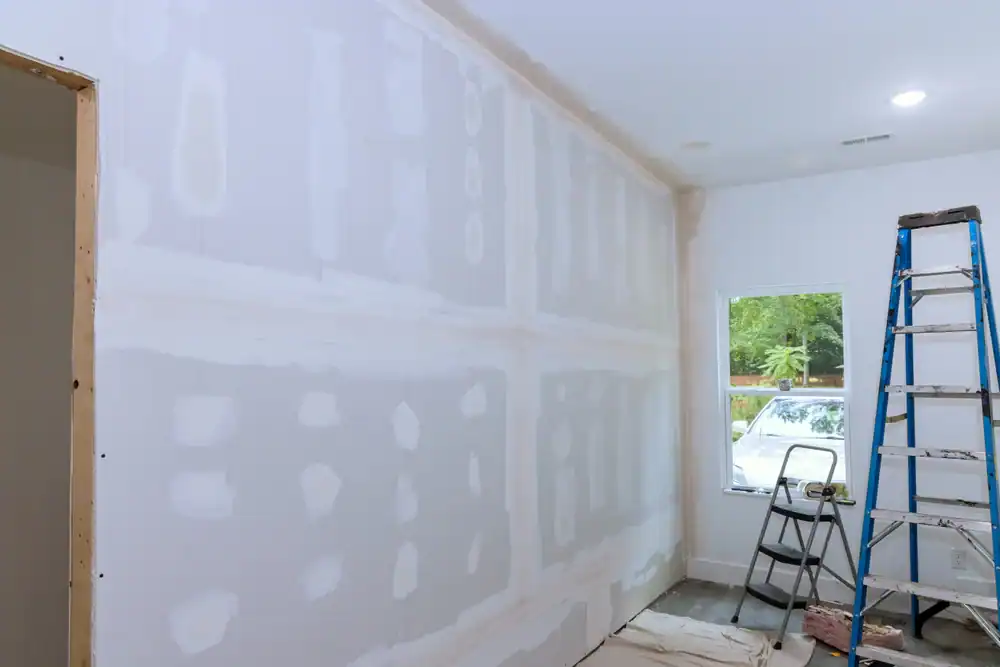
We start by cutting out any damaged drywall and checking what’s behind it. If there’s water damage or mold, we’re telling you before we patch anything. No point covering up a problem that’ll just come back.
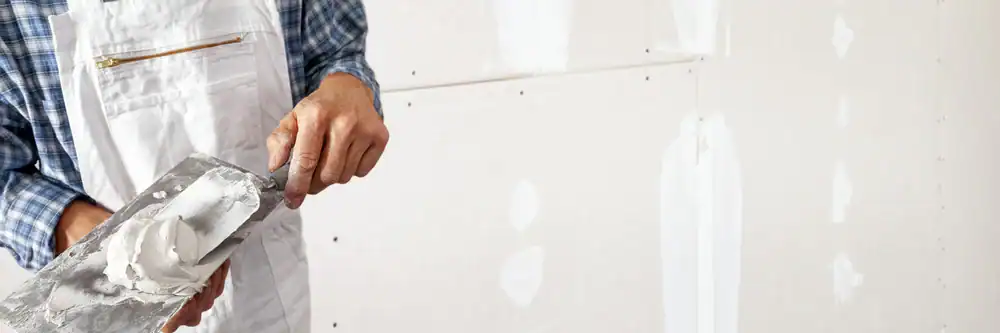
Next comes the actual patching. We secure backing material if needed, cut a clean piece of drywall to fit, and apply the first coat of joint compound. This is where most DIY jobs fall apart—getting the drywall mud smooth and level takes practice. We feather the edges out so there’s no ridge or bump where the patch meets your existing wall.
After the first coat dries, we apply a second coat, sometimes a third depending on the size. Each layer gets sanded smooth. Then we match your texture—this is the part that makes or breaks the whole job. We recreate whatever pattern your walls have so the repair disappears.
Final step is priming the patched area so it takes paint the same way as the rest of your wall. We clean up completely—dust, debris, everything. You’re left with a wall that’s ready to paint and looks like nothing ever happened.
Ready to get started?
You get the full repair—not just slapping some spackle in a hole. We’re talking proper backing, quality drywall, multiple coats of joint compound, texture matching, and complete cleanup. Everything needed to make the repair invisible once you paint.
We use mold-resistant drywall in areas prone to moisture. In Forgotten Blocks, where homes average over 80 years old, moisture problems are common. Using the right materials the first time means you’re not calling us back in six months because the patch failed.
Texture matching is included, not an upcharge. Whether your walls are smooth, have knockdown texture, orange peel, or skip trowel, we recreate it. This is what separates a professional drywall patching job from a handyman special—the repair actually blends in.
Cleanup is part of the job, not a favor. We cover your floors and furniture, contain the dust as much as possible, and remove all debris when we’re done. You shouldn’t have to spend your evening vacuuming drywall dust because we didn’t finish the job properly.
Most drywall patching jobs in Forgotten Blocks get finished in one visit, typically within a few hours to a full day. Small holes from doorknobs, picture hangers, or minor cracks usually take 2-4 hours from start to cleanup.
Larger repairs requiring new pieces of drywall take longer because of dry time between coats. The first coat of joint compound needs to dry before we can apply the second coat, and the second needs to dry before final finishing. In these cases, we’re usually looking at 6-8 hours total, but it’s still same-day completion.
The timeline changes if we find water damage or mold behind the wall. Then we need to address the source of the problem first, let everything dry out properly, and potentially treat for mold before patching. We’re not hiding problems—we’re fixing them. That might mean an extra day, but it means the repair actually lasts.
Small hole repairs in Forgotten Blocks typically run $300-$500. That covers holes from doorknobs, small cracks, or minor damage—basically anything that doesn’t require cutting in new drywall. You’re paying for materials, labor, texture matching, and cleanup.
Larger repairs requiring new drywall pieces usually cost $500-$800. This includes cutting out damaged sections, installing backing, fitting new drywall, multiple coats of joint compound, texture matching, and complete finishing. The price goes up with the size and number of repairs.
We give you a firm quote upfront after seeing the damage. That number doesn’t change unless we find something unexpected behind the wall—and if we do, we’re telling you before we proceed. No surprise charges when we’re done. The median household income in Forgotten Blocks is around $31,000, and we know repair costs matter. We price fairly for quality work, not as cheap as possible with shortcuts.
Yes, and this is where most cheap repairs fail. Texture matching is what makes a drywall patch disappear or stand out like a sore thumb. We recreate knockdown, orange peel, skip trowel, smooth finishes—whatever your walls have.
The process involves using the right tools and techniques for your specific texture. Knockdown texture requires applying joint compound in a specific pattern and then knocking it down at the right time. Orange peel needs a spray texture gun with the correct tip and pressure settings. Smooth walls need multiple coats sanded perfectly flat.
In older Forgotten Blocks homes, we sometimes find textures that aren’t common anymore. We’ve worked with enough vintage Philadelphia housing to recognize these patterns and recreate them. The goal is that once you prime and paint, you can’t tell where the repair was. If you can see it after painting, we didn’t do our job right.
Water damage repair is a regular part of what we do in Forgotten Blocks. With homes averaging over 80 years old, plumbing leaks, roof issues, and moisture problems are common. We don’t just patch over water-damaged drywall—we address what caused it.
First step is identifying the water source and making sure it’s fixed. Patching water-damaged drywall while the leak is still active is pointless. Once the source is handled and everything’s dry, we cut out the damaged section, check for mold, and treat if necessary.
We use mold-resistant drywall for water damage repairs. Standard drywall will just have the same problem again if any moisture returns. The repair process is the same as regular patching—backing, new drywall, joint compound, texture matching—but with materials designed to handle moisture better. In Philadelphia’s freeze-thaw cycles and humid summers, this matters more than people think.
Patches show through paint for three reasons: poor feathering, wrong primer, or texture mismatch. Most DIY repairs and cheap contractor jobs fail on all three.
Feathering the edges means blending the joint compound out gradually so there’s no ridge where the patch meets the existing wall. If you can feel a bump with your hand, you’ll see it after painting. This takes multiple thin coats, not one thick glob of drywall mud. Each coat extends slightly beyond the last, creating a gradual transition.
Primer matters because bare drywall and joint compound absorb paint differently than your existing painted wall. If you skip priming or use the wrong type, the patched area will have a different sheen and texture even if the surface is smooth. We prime every repair before considering it done.
Texture matching is the final piece. Even a perfectly smooth, primed patch will stand out if your walls have texture and the patch doesn’t. This is why we recreate whatever texture pattern your walls have—so the repair blends in completely once painted.
Yes, we’re fully licensed and carry comprehensive liability insurance. This protects you if something goes wrong—which is rare, but that’s the point of insurance.
A licensed contractor means we’ve met the requirements to legally perform drywall work in Pennsylvania. It means we know building codes, proper installation methods, and safety requirements. Unlicensed contractors might be cheaper, but you have zero recourse if they damage your property or do substandard work.
Insurance matters because accidents happen. If we damage your plumbing while cutting out drywall, or if someone gets hurt on your property, you want us insured. Otherwise, you’re potentially liable. We carry insurance because it’s the responsible way to run a business, and because homeowners in Forgotten Blocks deserve that protection when they hire someone to work on their home.
Other Services we provide in Forgotten Blocks