
The real problem with drywall damage isn’t the hole. It’s what happens after someone tries to fix it. You end up with a visible patch, mismatched texture, or paint that doesn’t blend. Then you’re stuck repainting the whole wall—or living with it.
Professional drywall patching in Central Roxborough, PA means the repair disappears. We match your existing texture, feather the edges so there’s no ridge, and blend the finish so you can’t tell where the damage was. Most jobs are done in a few hours, and you’re not left with dust coating your furniture or a repair that screams “something happened here.”
If the damage is bigger than a fist, recurring in the same spot, or you’re seeing cracks that keep coming back, that’s usually a sign something else is going on. We assess the wall before we patch it, so you’re not paying for the same repair twice.
Sharpe Drywall has been handling drywall patching in Central Roxborough, PA for over a decade. We’re local, and we know the housing stock here—plenty of older homes with plaster underneath, textured ceilings that are hard to match, and walls that have been painted over a dozen times.
We’re not the cheapest option, and that’s intentional. You’re paying for someone who shows up on time, finishes the job the same day in most cases, and doesn’t leave you with a repair that looks like a repair. We bring the right tools, match the texture properly, and clean up when we’re done.
Most of our work comes from referrals. That tells you something about how the finished product looks and whether people trust us enough to recommend us to their neighbors.
First, we look at the damage and figure out what caused it. If it’s just a doorknob through drywall, that’s straightforward. If it’s a crack that’s opened up three times, we need to figure out why before we patch it again.
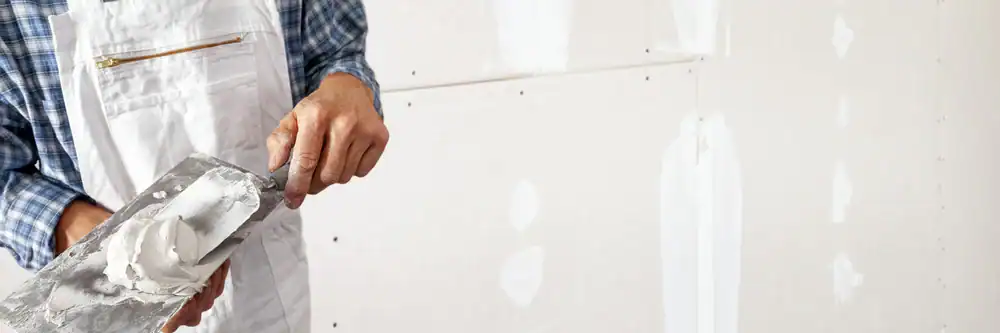
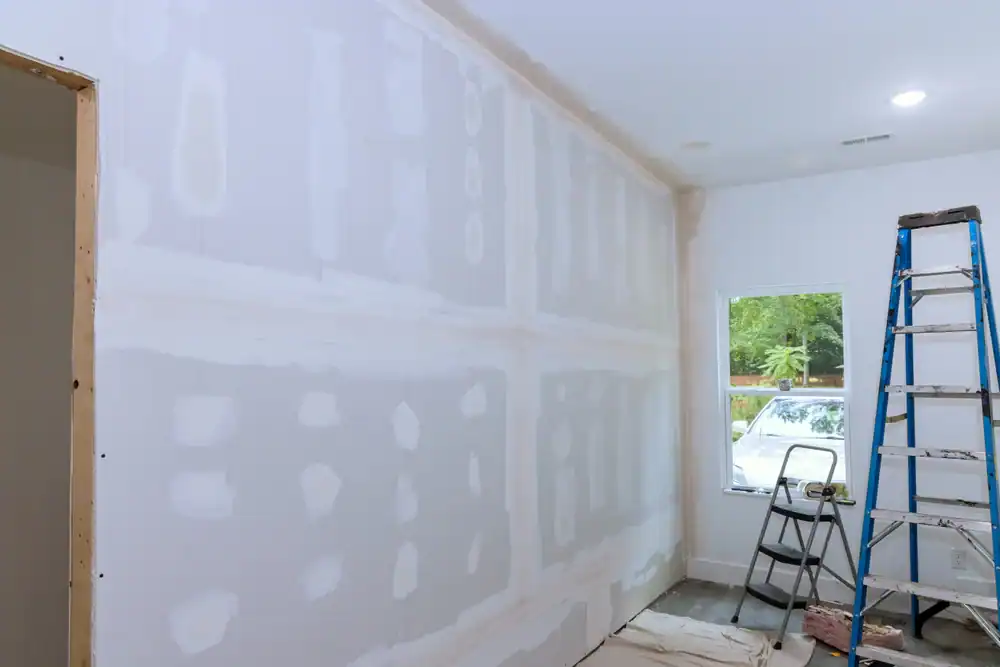
Once we know what we’re dealing with, we prep the area. That means cutting out damaged drywall if needed, securing a backer board, and applying joint compound in layers. Each coat has to dry before the next one goes on—dry time matters. Rushing it means the patch will crack or show through later.
After the joint compound is dry, we sand it smooth and feather the edges so there’s no visible line between the patch and the existing wall. Then we match your texture. That’s the part that separates a decent repair from one that actually disappears.
The final step is priming and painting. We don’t just slap paint over the patch—we prime it first so the sheen matches the rest of the wall. If your paint is older or faded, we’ll tell you up front if the whole wall needs repainting to get a true match.
Ready to get started?
Every drywall patching job in Central Roxborough, PA starts with an assessment. We don’t just cover the hole—we figure out if there’s a bigger issue causing it. That might be a plumbing leak, settling foundation, or just a bad patch job from years ago.
The repair itself includes removing damaged material, installing a patch or backer, applying drywall mud in multiple coats, sanding smooth, and matching your wall texture. We handle everything from small nail holes to larger damage from furniture, doorknobs, or removed fixtures.
Central Roxborough has a lot of homes built in the 1960s, and many still have original plaster walls with drywall patches added over the years. If that’s your situation, we adjust our approach. Plaster and drywall expand differently, so the repair has to account for that or it’ll crack again.
We also handle ceiling repairs, textured walls, and situations where the drywall is water-damaged or crumbling. If the damage is structural or involves mold, we’ll tell you that too—because patching over a bigger problem just means you’ll be calling someone back in six months.
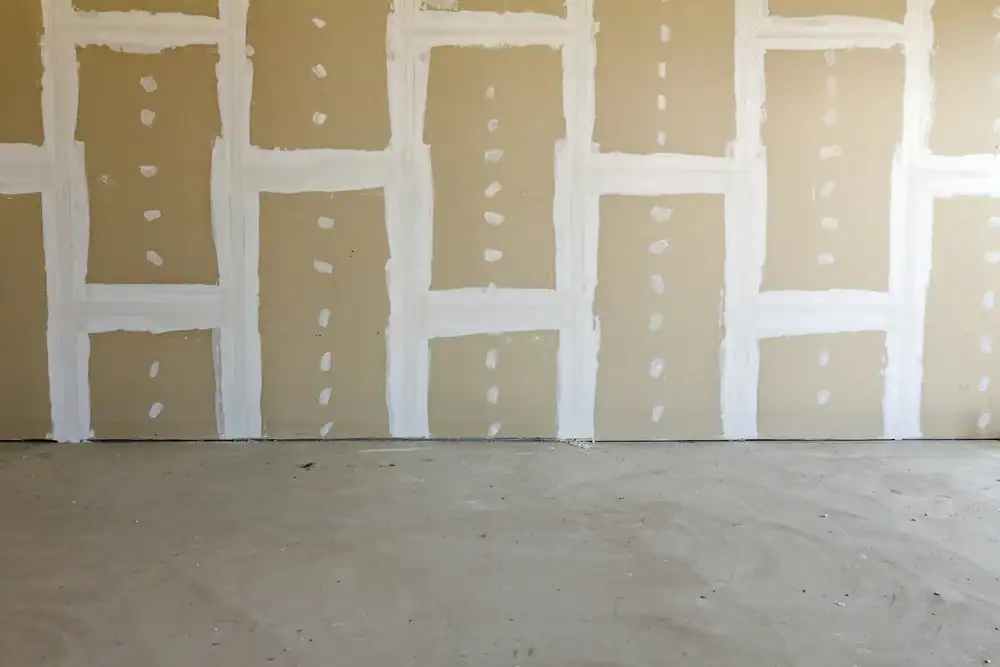
Most drywall patching jobs in Central Roxborough, PA are done in one day. Small repairs—nail holes, doorknob dents, small cracks—usually take a few hours once the first coat of joint compound is dry.
Larger repairs take longer because drywall mud needs time to dry between coats. You can’t rush it. If we apply a second coat before the first one is fully dry, it’ll crack or shrink as it cures.
For bigger holes or damage that requires cutting out a section of drywall and installing a patch, plan on a full day. That includes prep, multiple coats of drywall mud, sanding, texture matching, and priming. If you need paint blending or a full wall repaint to match, that might add another day depending on the size of the area.
Yes. Texture matching is one of the most important parts of drywall patching in Central Roxborough, PA, and it’s also one of the hardest to get right.
Most homes here have some kind of texture—orange peel, knockdown, skip trowel, or something custom that was applied decades ago. We bring samples and test the pattern on scrap material before we apply it to your wall. That way, you see what it’s going to look like before it’s permanent.
The key is in the finishing. After we apply the texture, we feather the edges so there’s no hard line where the repair stops and the original wall starts. Then we prime and paint so the sheen matches. If your paint has faded over the years, we’ll tell you whether the patch will blend or if you’ll need to repaint the full wall to get a seamless look.
If the same crack keeps reopening after you patch it, something is moving behind the wall. That’s usually foundation settling, temperature changes causing the framing to expand and contract, or improper taping when the drywall was originally installed.
In Central Roxborough, PA, a lot of homes were built in the 1960s, and foundation settling is common as houses age. Small cracks at the corners of doors and windows are normal. But if a crack is widening, running vertically down the wall, or opening up in the same spot every few months, that’s a sign of movement.
We assess the wall before we patch it. If the crack is caused by structural movement, we use a flexible joint compound and mesh tape to give the repair some give. If it’s a framing issue, we might need to add blocking or reinforce the studs. Patching over movement without addressing the cause just means you’ll be patching it again in six months.
It depends on your paint. If your walls were painted recently and the color is still bright, we can usually blend the patch so it disappears. We prime the repair first, then apply your paint in thin coats, feathering it out so there’s no visible edge.
But if your paint is more than a few years old, it’s probably faded. Paint changes color over time from sunlight, humidity, and general wear. Even if we use the exact same paint, a fresh coat will look brighter than the surrounding wall.
In those cases, we’ll tell you up front that the patch will blend better if you repaint the full wall. That doesn’t mean the repair is bad—it just means the paint has aged. Most homeowners in Central Roxborough, PA choose to repaint the wall after a larger repair because it gives the whole room a refresh. For small patches, blending usually works fine.
Drywall patching in Central Roxborough, PA typically starts around $150 for small repairs like nail holes or minor dings. Larger holes—anything bigger than your fist—usually run $200 to $400 depending on the size, location, and whether we need to install a backer board.
If the damage involves multiple rooms, water damage, or requires texture matching on a ceiling, the cost goes up. Ceiling repairs take longer because of the overhead work and the difficulty of matching popcorn or knockdown texture.
The price also depends on how many coats of joint compound are needed and whether the repair requires structural reinforcement. We give you a flat quote after we see the damage, so you know what you’re paying before we start. No surprises, no hourly rates that keep climbing. Most of our clients in Central Roxborough find that professional drywall patching costs less than they expected—and way less than repainting a room because a DIY patch didn’t blend.
They’re the same thing. “Drywall mud” and “joint compound” are two names for the material we use to fill holes, cover seams, and smooth out repairs. Some people call it spackle, but that’s technically a different product—spackle is thicker and used for very small holes.
Joint compound comes in different types. There’s all-purpose, which works for most repairs. There’s lightweight, which is easier to sand. And there’s setting-type compound, which dries faster and harder—we use that for larger repairs or areas that need extra strength.
For drywall patching in Central Roxborough, PA, we usually use all-purpose joint compound for the first coat, then a lightweight finishing compound for the final coat. The finishing compound sands smoother, which matters when you’re trying to blend a repair so it disappears. We apply it in thin layers, let each coat dry completely, then sand it smooth before adding the next one. That’s how you get a repair that doesn’t show through the paint.
Other Services we provide in Central Roxborough