You’re not looking at that hole anymore. You’re not explaining it to guests or planning furniture around it.
The patch blends completely. The texture matches. The paint looks consistent from every angle, even when light hits it at weird times during the day.
Most drywall patching in Allegheny West gets finished in one visit. You schedule it, we show up, we handle it, and you move on. No waiting around for multiple appointments or living with plastic sheeting for days.
Your space stays clean throughout. We contain the dust, clean up the mess, and leave your floors exactly how we found them. The work gets done without turning your home into a construction zone.
Historic homes in this neighborhood need someone who understands plaster walls, unusual framing, and texture matching on surfaces that haven’t been touched in decades. You get that expertise without the lecture or the upcharge.
We exist because too many homeowners were dealing with contractors who didn’t show up, left messes, or delivered visible patch jobs that looked worse than the original damage. We built this company to be the call you make when you want it done right the first time.
We work throughout Allegheny West, where most homes date back to the late 1800s and early 1900s. These Victorian and Italianate rowhomes have quirks—plaster over lath, settling foundations, moisture issues from old plumbing. We’ve seen it all, and we know how to work with it without damaging the character you’re trying to preserve.
You’re hiring a licensed, insured contractor who lives in the communities we serve. We’re not a franchise or a national chain. When you call, you’re talking to someone who understands what it’s like to own a historic property in Pittsburgh’s North Side.
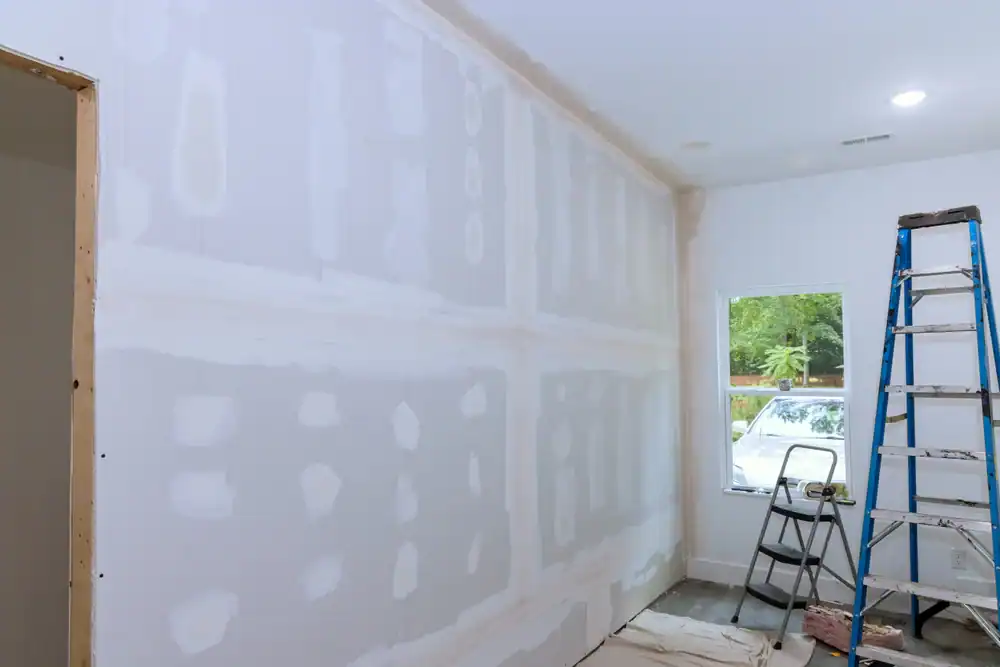
First, we assess the damage. Small holes get filled and sanded. Larger sections might need cutting out and replacing with new drywall that matches your wall thickness. Water damage gets evaluated to make sure we’re not patching over a bigger problem.
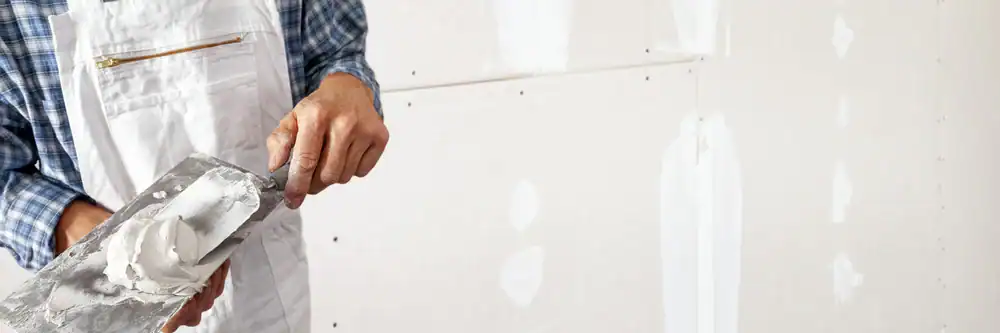
Next comes the drywall mud application. We apply joint compound in thin layers, feathering the edges so there’s no ridge where the patch meets your existing wall. Each coat needs proper dry time before we can sand and apply the next layer. Rushing this step is how you end up with visible repairs.
The first coat fills the gap. The second coat smooths it out. The third coat (if needed) makes it perfect. We sand between layers to keep everything flush and even.
Texture matching comes next. If your walls have knockdown, orange peel, or any other finish, we replicate it exactly. This is where experience matters—getting the pattern and depth right so it blends seamlessly.
Finally, we prime and paint the patched area. The primer seals the new drywall and joint compound so your paint goes on evenly. If you’re painting the whole wall yourself later, we’ll prime the patch so it’s ready when you are.
Ready to get started?
You get a complete repair, not a quick cover-up. That means proper surface prep, multiple coats of joint compound applied correctly, and texture matching that actually works. We don’t skip steps to save time.
Allegheny West homes deal with specific issues. Foundation settling causes cracks along seams. Old plumbing leads to water damage. Freeze-thaw cycles create stress on exterior walls. We address what caused the damage, not just the visible result, so you’re not calling us back in six months.
Every job includes full cleanup. Drywall dust gets everywhere if you’re not careful. We use containment methods, vacuum as we work, and leave your space clean when we’re done. No dust on your furniture, no mud on your floors, no debris in your yard.
You also get transparent pricing. We quote the job upfront based on what needs doing. That number doesn’t change unless you change the scope. No surprise fees, no hidden charges, no “oh by the way” conversations when we’re halfway through.
The materials we use matter. Premium joint compound, mold-resistant drywall for areas with moisture concerns, and proper primers that seal correctly. You’re not getting builder-grade materials that’ll fail in a few years.
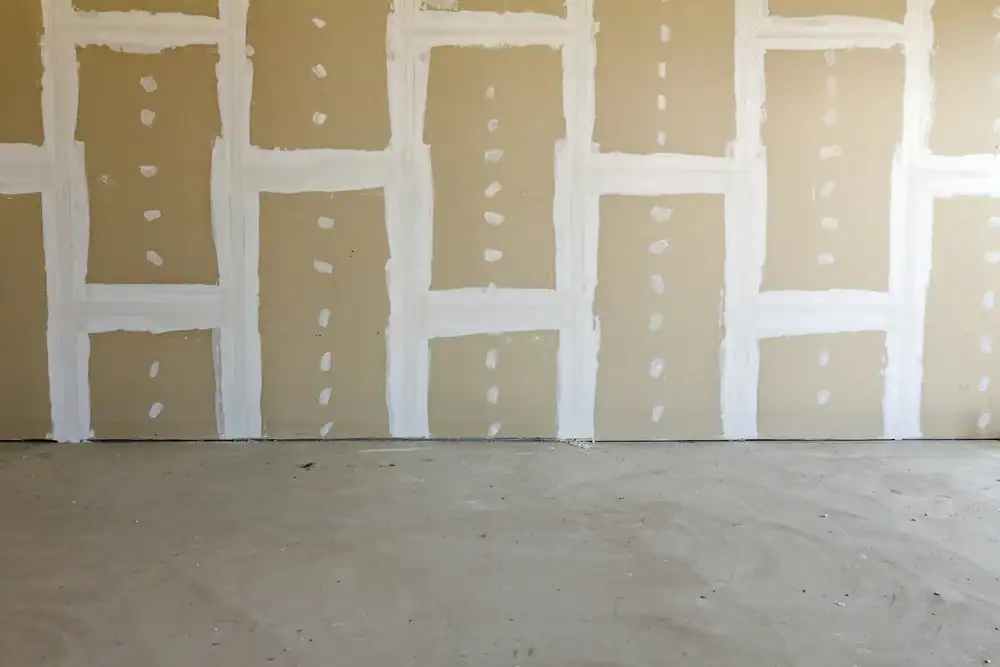
Dry time depends on humidity, temperature, and how thick you applied the joint compound. In normal conditions, you’re looking at 24 hours between coats for a proper cure.
You can’t rush this. Applying the next coat over damp mud causes cracking, shrinking, and adhesion problems. The patch might look fine initially, but it’ll fail within weeks.
Allegheny West’s older homes often have less climate control and higher humidity, especially in basements or exterior walls. That extends dry time. We account for actual conditions in your space, not just what the product label says. If it needs an extra day to cure properly, that’s what happens.
Feathering the edges means gradually thinning out the joint compound as you move away from the damaged area. Instead of a hard line where the patch stops, you create a gentle slope that blends into the existing wall.
This is what separates visible patches from invisible ones. When you don’t feather properly, you see a ridge or bump even after painting. Light catches it at certain angles and the repair is obvious.
The technique involves using a wider knife than the damaged area and applying less pressure as you move outward. Each coat extends slightly beyond the previous one, building up the center while keeping the edges paper-thin. It takes practice to get the pressure and angle right, which is why DIY patches usually look like DIY patches.
Yes, texture matching is part of every drywall patching job we do in Allegheny West. Whether you have knockdown, orange peel, skip trowel, or smooth walls, we replicate it so the repair blends completely.
The challenge with historic homes is that textures were often applied by hand decades ago. There’s variation and inconsistency that actually makes it look authentic. Matching that requires understanding how the original texture was created and what tools were used.
We keep different texture guns, trowels, and application methods on hand. For smooth walls, it’s all about the sanding and finishing technique. For textured surfaces, we test the pattern on scrap material first to dial in the exact look before touching your wall. The goal is for you to forget where the damage was after we paint.
Most Allegheny West homes have plaster walls, not drywall. The repair approach is different because plaster is harder, more brittle, and attached to wood lath strips behind it.
Small holes in plaster get filled with setting-type joint compound or plaster repair compound—not regular drywall mud, which doesn’t bond well to plaster. Larger damaged sections might need cutting back to solid plaster, installing backer material, and building up layers.
The tricky part is matching the hardness and texture of 100-year-old plaster. Modern materials cure differently and can crack if applied wrong. We use techniques specific to plaster repair, including proper bonding agents and reinforcement mesh where needed. The finished repair needs to move with your walls as the house settles and temperatures change, or it’ll crack along the seams within a year.
You need to prime and paint. Leaving exposed joint compound isn’t an option—it’ll absorb moisture, stain easily, and look terrible.
Primer serves a specific purpose here. It seals the porous surface of the drywall and joint compound so your paint goes on evenly. Without primer, the patched area absorbs paint differently than the surrounding wall, creating a visible difference in sheen and color even if you use the exact same paint.
We include priming in our drywall patching service. If you want us to paint the entire wall or room to blend everything perfectly, we can do that too. If you’re handling the painting yourself, we’ll prime the patch and feather it out so you’ve got a uniform surface to work with. Just make sure you’re using the same paint formula and finish as the rest of the wall, and apply at least two coats for consistent coverage.
Water damage is the biggest culprit. Older plumbing systems, roof leaks, ice damming in winter, and poor ventilation in bathrooms all contribute. When drywall gets wet, it needs replacing—not just patching over—because moisture creates mold and weakens the structure.
Foundation settling is common in homes built over a century ago. As the house shifts, you’ll see cracks along seams, corners, and above doorways. These aren’t always structural problems, but they need proper repair so they don’t keep reopening.
Freeze-thaw cycles hit exterior walls hard. Temperature swings cause expansion and contraction, which stresses drywall and plaster. You’ll notice this more on north-facing walls or areas without good insulation. The fix involves addressing the underlying insulation or moisture issue, not just filling the crack repeatedly.
Other Services we provide in Allegheny West