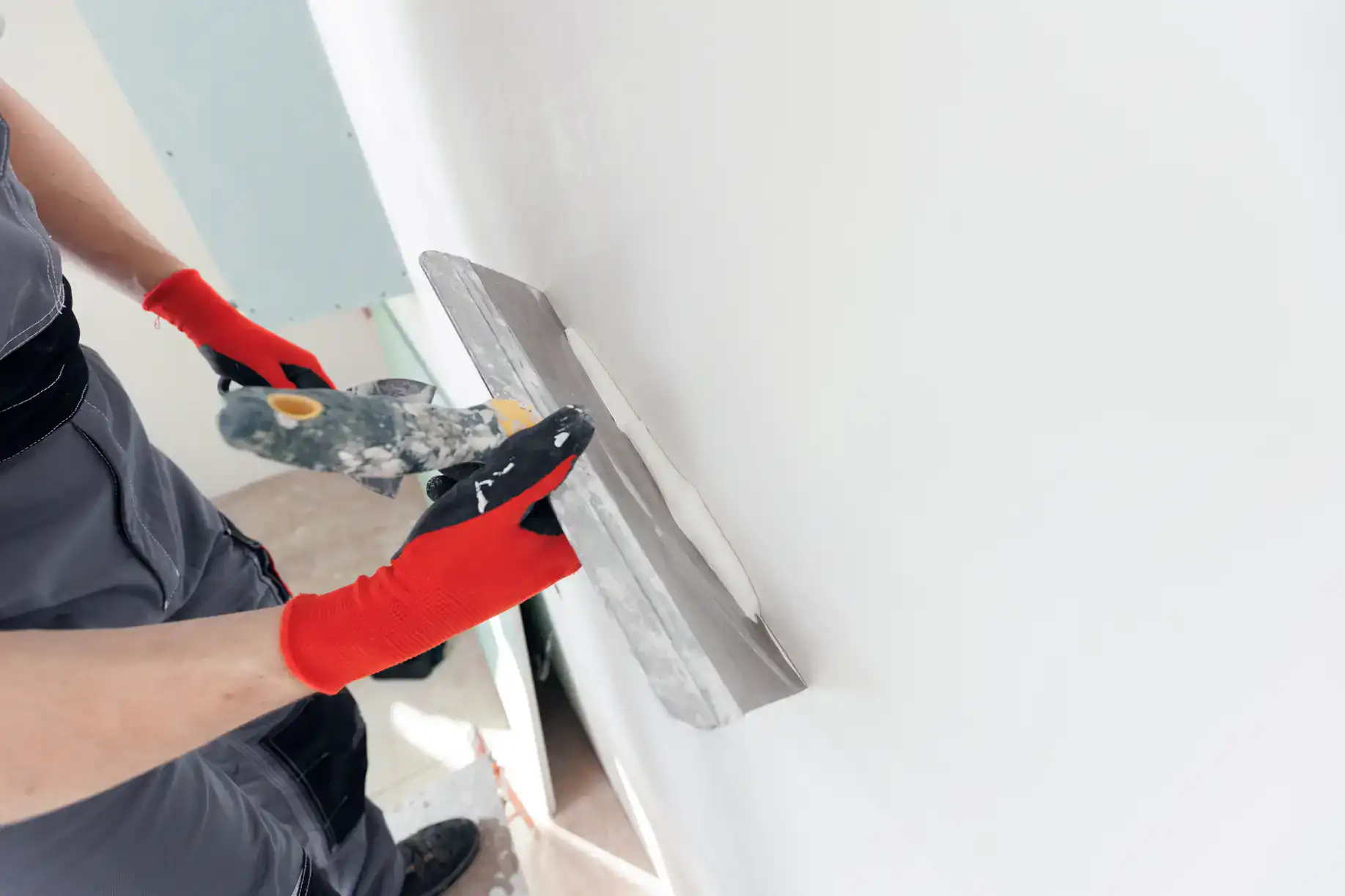
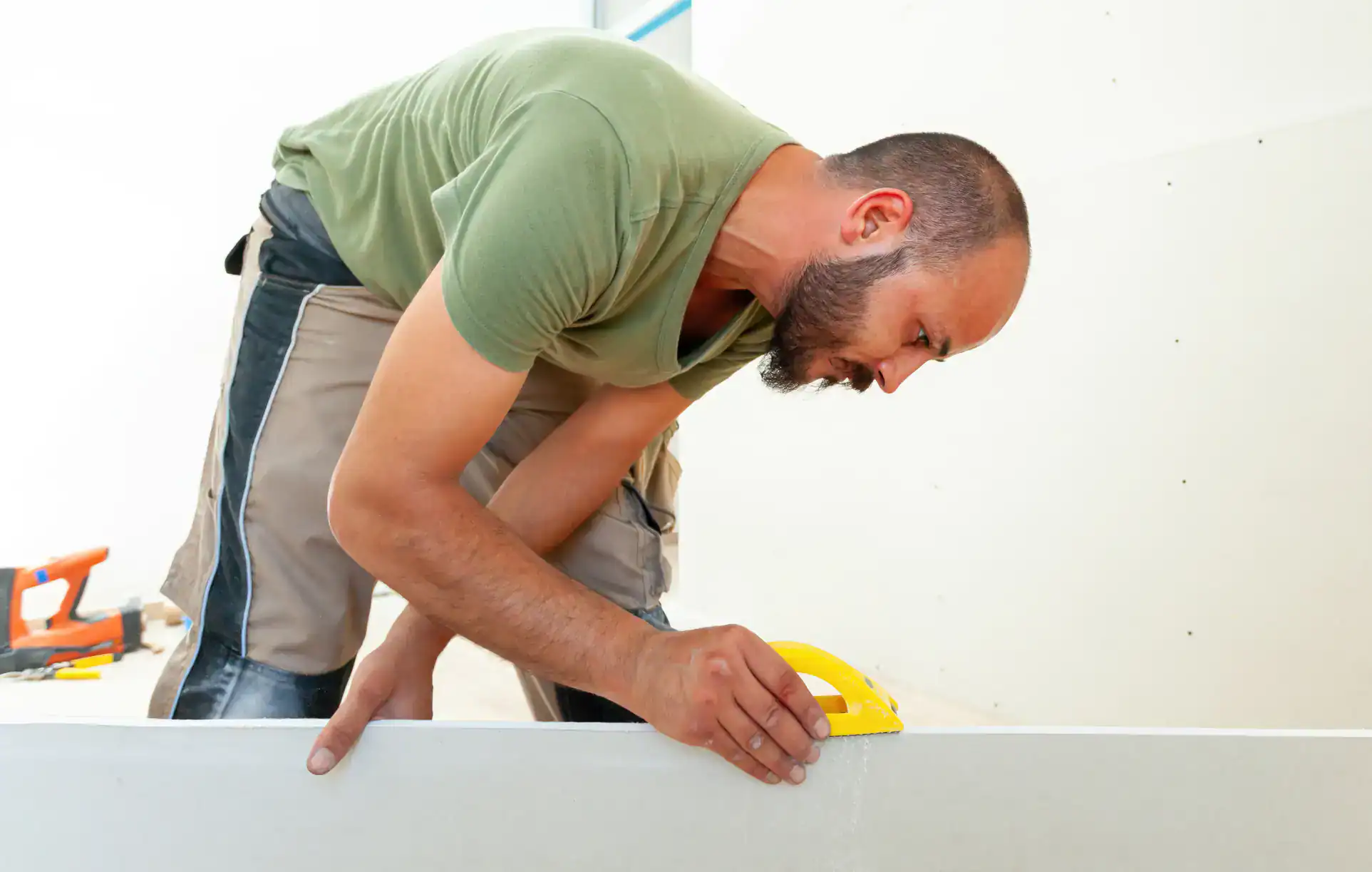
That hole from moving furniture. The crack that’s been growing for months. Water damage you’ve been ignoring because you’re not sure who to call or what it’ll cost.
Here’s what happens when the repair is done right: you stop noticing it. No visible lines. No texture mismatch. No shadow when the light hits it a certain way. Just a smooth, clean wall that looks like the rest of your house.
The average cost for drywall repair in Wynnefield Heights depends on the damage—small patches run less than larger water damage fixes—but you’ll know the price before work starts. Most small repairs wrap in two days. You’re not waiting weeks or dealing with a crew that shows up whenever they feel like it. The work gets done, the mess gets cleaned up, and you move on with your life.
We’ve been handling drywall repair in Wynnefield Heights, PA since before most contractors in the area had websites. We’re not a handyman service that does drywall on the side. This is what we do—every day, all day.
Wynnefield Heights homes deal with settling foundations, older plaster that cracks, and water issues from aging rooflines. We’ve seen it all. Our crews show up on time, in uniform, with the right tools to match your texture and finish the job so it actually looks professional.
You’re hiring people who know the difference between a quick patch and a repair that lasts. Licensed, insured, and local—not a national franchise that subcontracts the work out.
You call or message us. We schedule a time that works for you—usually within a day or two—and come out to look at the damage. You get a clear estimate on the spot. No waiting around for a quote that never comes.
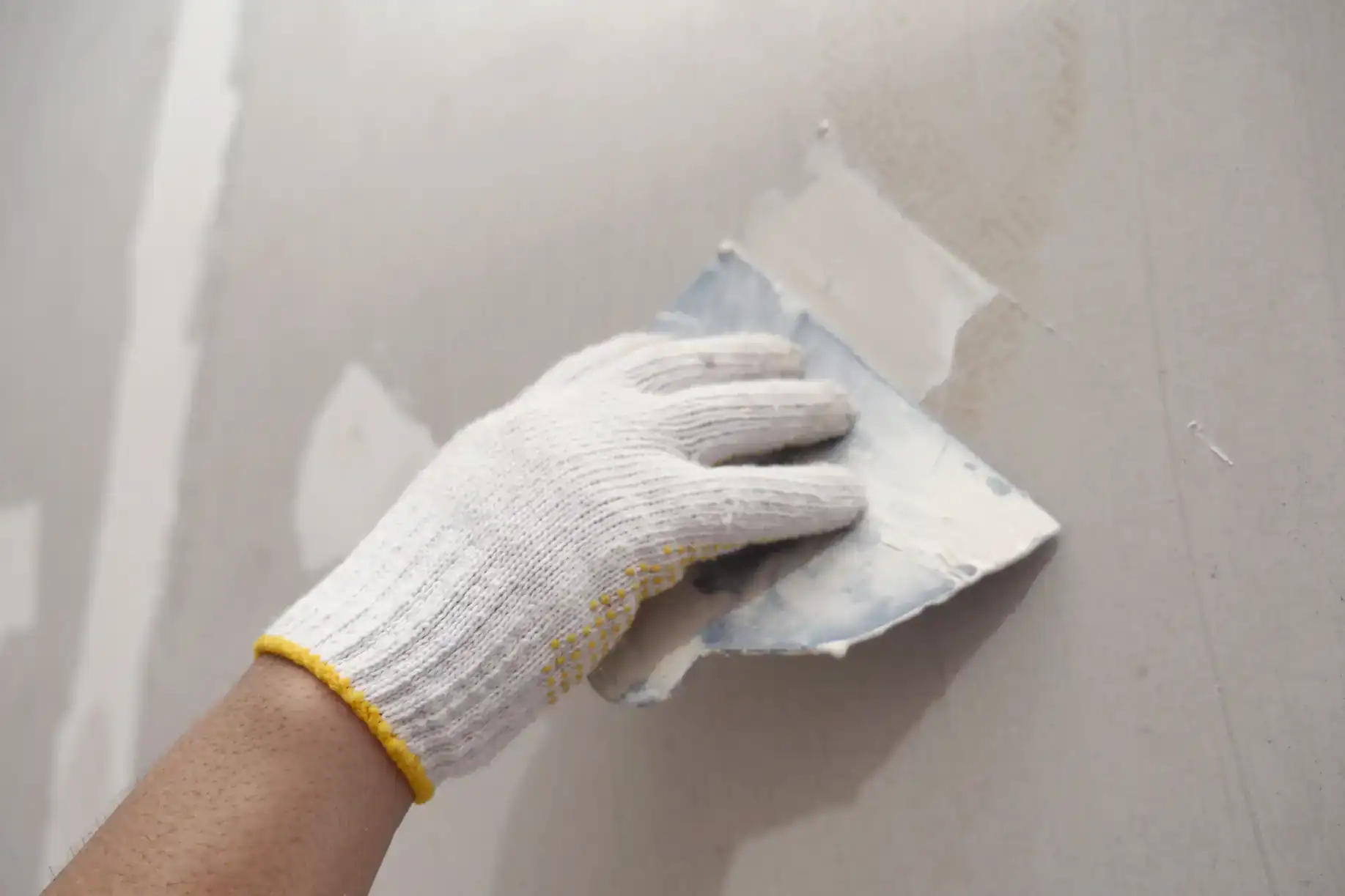
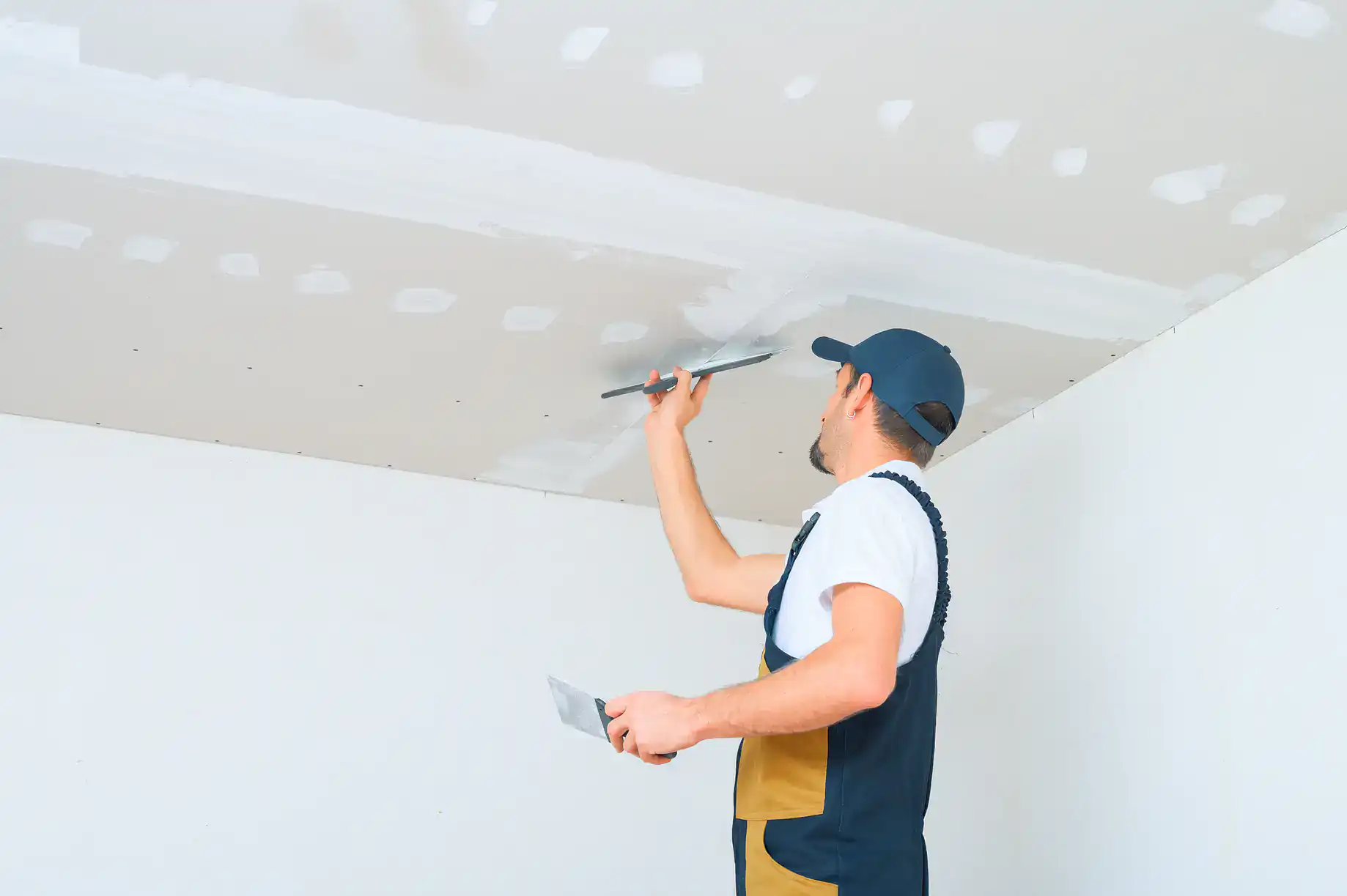
Once you approve the work, we schedule the repair. For sheetrock repair in Wynnefield Heights, we cut out damaged sections, install new drywall, tape and mud the seams, then sand everything smooth. If your walls have texture, we match it. If there’s water damage, we check for mold and handle that first.
The final step is priming the repair so it’s ready for paint. Some jobs need two coats of mud and sanding between each layer—that’s normal, not us dragging things out. When we’re done, we clean up completely. No dust left behind, no trash in your yard. You’re left with a wall that’s ready to blend back into your home.
Ready to get started?
Every drywall repair job includes damage assessment, material removal if needed, new sheetrock installation, taping, mudding, sanding, and texture matching. We don’t charge extra to clean up or move furniture out of the way—that’s part of doing the job right.
In Wynnefield Heights, we see a lot of ceiling repairs from roof leaks and wall damage from radiator pipes. Older homes here weren’t built with drywall—they used plaster and lath—so when you’re patching or updating, the repair has to tie into a different material. That takes experience, not YouTube tutorials.
You also get a one-year workmanship warranty. If something cracks or the seam shows after we leave, we come back and fix it. The cost to repair drywall shouldn’t include paying twice because the first crew didn’t know what they were doing. We handle sheetrock finishing the right way from the start, so you’re not calling someone else six months later to redo it.
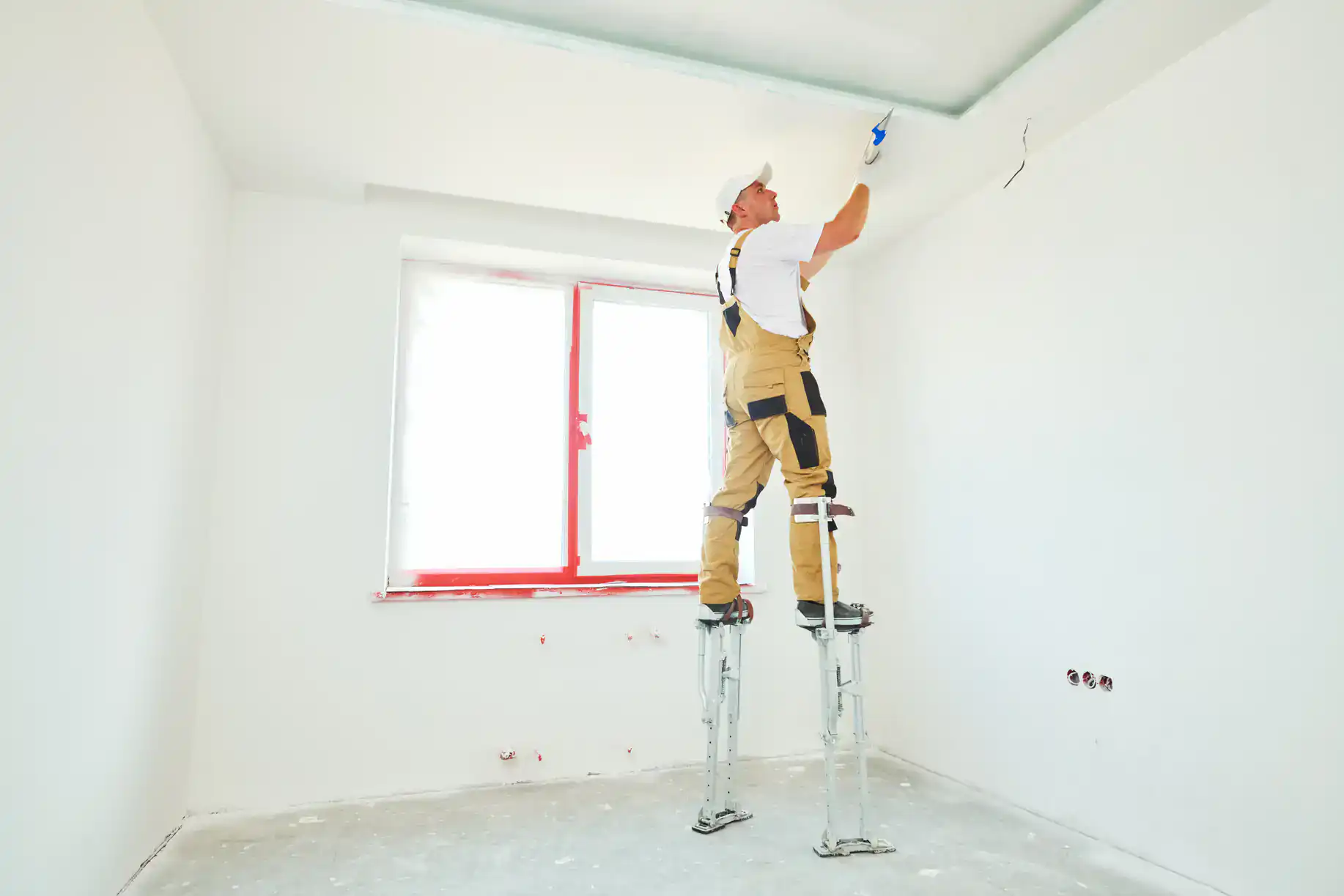
Drywall repair costs in Wynnefield Heights typically range from $150 for small patches to $800 or more for larger water damage repairs that involve multiple sheets of drywall. The price depends on the size of the damage, whether there’s water or mold involved, and how much prep work is needed.
A handyman drywall repair cost might look cheaper upfront, but if they don’t match the texture or the seam shows after painting, you’re paying someone else to redo it. We give you a flat estimate before starting so there’s no confusion about what you’re paying for. Most homeowners are surprised the cost isn’t higher once they see how much work goes into making a repair invisible.
If you’re comparing quotes, make sure you’re comparing the same scope. Some contractors price the patch but not the finish work. Others don’t include cleanup or texture matching. Ask what’s included so you know what you’re actually getting.
There’s no difference—sheetrock is just a brand name for drywall, like Kleenex is for tissues. When people search for sheetrock repair in Wynnefield Heights, they’re looking for the same service as drywall repair. It’s all gypsum board used for interior walls and ceilings.
Some contractors use the terms interchangeably. Others stick with “drywall” because it’s the generic term. Either way, the process is identical: cut out the damaged section, install a new piece, tape and mud the seams, sand it smooth, and match the texture.
The confusion usually comes from older homes that still have plaster walls. Plaster repair is a different process and requires different materials. If you’re not sure what your walls are made of, a quick test is to push a thumbtack into an inconspicuous spot. If it goes in easily, it’s drywall. If it’s rock-hard, it’s plaster.
Yes, and that’s one of the biggest reasons to hire a drywall specialist instead of a general handyman. Matching texture—whether it’s knockdown, orange peel, or popcorn ceiling—takes practice and the right tools. If the texture doesn’t match, the repair stands out no matter how well the patch is done.
We carry texture guns and different spray tips to replicate whatever finish your walls already have. For knockdown texture, we spray the compound and then lightly flatten it with a trowel at the right timing. Too early and it smears. Too late and it doesn’t knock down. That’s the kind of detail that separates a clean repair from one that looks obvious.
Popcorn ceilings are trickier because the original texture often contains asbestos if your home was built before the 1980s. We test first if there’s any question, and if it’s positive, we handle removal according to EPA guidelines. You don’t want to disturb that material without proper containment and disposal.
Small repairs—like fixing a doorknob hole or a crack in the wall—usually take two days. Day one is cutting out the damage, installing the patch, and applying the first coat of joint compound. Day two is sanding, applying the finish coat, sanding again, and priming. Each layer of mud needs to dry completely before you can sand it, so trying to rush it just leads to a sloppy finish.
Larger jobs, like repairing water damage across a whole ceiling or replacing drywall in multiple rooms, can take a week or more depending on the scope. If there’s mold remediation involved, that adds time because we need to treat the area and let it dry before installing new drywall.
The timeline also depends on texture and paint. If you’re painting the whole room anyway, we can prime the repair and you’re good to go. If you’re trying to match existing paint, you might need to paint the entire wall so the sheen matches. That’s not our call—it’s just how paint works when you’re touching up a section.
Yes, and we check for it on every repair that involves a leak or moisture. Water-damaged drywall has to be removed completely—it doesn’t dry out and go back to normal. Once the gypsum core gets wet, it loses its structural integrity and becomes a breeding ground for mold.
We cut out the damaged section, check the studs and insulation behind it, and treat any mold we find. If the framing is wet, we dry it out before installing new drywall. Skipping that step just traps moisture behind the new wall and the problem comes back worse.
In Wynnefield Heights, most water damage we see comes from roof leaks, old plumbing, or ice dams in winter. If you’re seeing discoloration, bubbling paint, or a musty smell, don’t wait. The longer water sits, the more damage it does and the higher the drywall ceiling repair cost gets. Catching it early saves you money and keeps the repair smaller.
You can, but here’s what usually happens: the handyman patches the hole, but the repair is visible after you paint. Either the texture doesn’t match, the seam isn’t feathered out enough, or the surface isn’t sanded smooth. Now you’re stuck with a wall that looks worse than before because the patch draws your eye every time you walk by.
Drywall repair—especially small repairs—is harder than installation. Installing new drywall in an open space is straightforward. Cutting a patch to fit an irregular hole, taping it so the seams don’t crack, and blending the finish into the existing wall takes skill. That’s why many painting companies and general contractors won’t touch it.
The cost difference between a handyman and a drywall specialist is usually $100 to $200 on a small job. If the handyman gets it wrong, you’re paying a specialist anyway to fix their work—and now the repair costs more because we’re undoing their mistakes first. Hiring someone who does this every day means you’re paying once and it’s done right.
Other Services we provide in Wynnefield Heights