
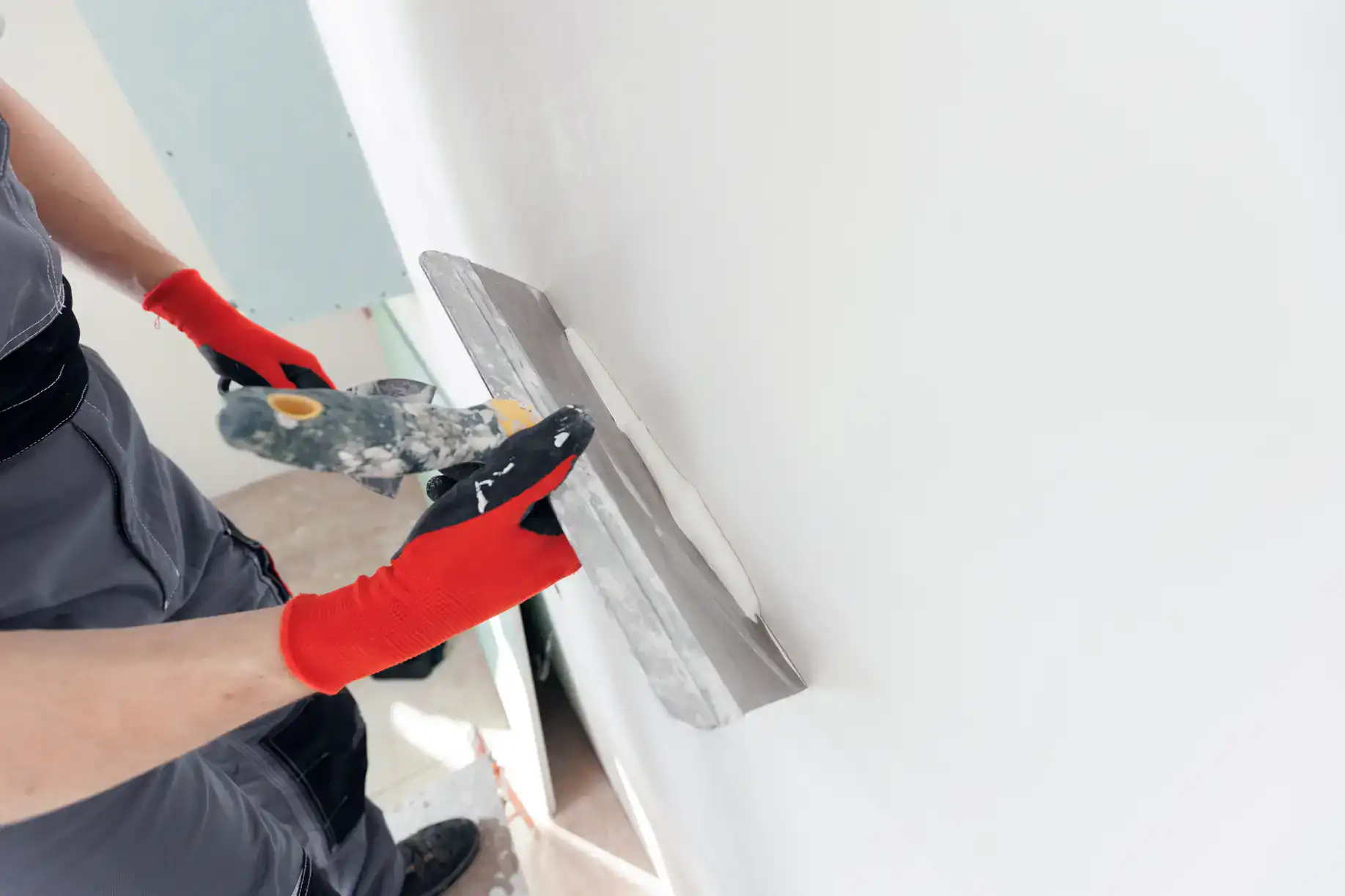
You’re not looking for a contractor who shows up late, leaves dust everywhere, and disappears before the job’s actually done. You need someone who fixes the problem completely—no callbacks, no excuses, no mess to clean up after we leave.
That’s what drywall repair in Mantua, PA should look like. Holes from doorknobs, cracks from settling, water stains from last month’s leak—whatever damaged your walls gets repaired with the same materials and techniques used in new construction. The patch blends in. The seams disappear. The surface is smooth enough to paint over immediately.
Most jobs wrap up in a single visit. You’re not waiting around for multiple appointments or wondering when we’re going to come back and finish. The work gets done, the space gets cleaned, and you move on with your day.
Sharpe Drywall exists because homeowners in Montgomery and Bucks County kept getting stuck with contractors who didn’t show up on time, left jobs half-finished, or created more mess than they fixed. That’s not how this should work.
We’re fully licensed and insured, and we’ve been handling drywall repair in Mantua, PA and surrounding areas for years. Most of the homes here were built in the late 1960s and early 1970s, which means settling cracks, nail pops, and plaster repairs are common. We know these houses.
You’re hiring people who understand what Montgomery County homeowners actually need: reliable service, transparent pricing, and work that doesn’t require a follow-up call three weeks later.
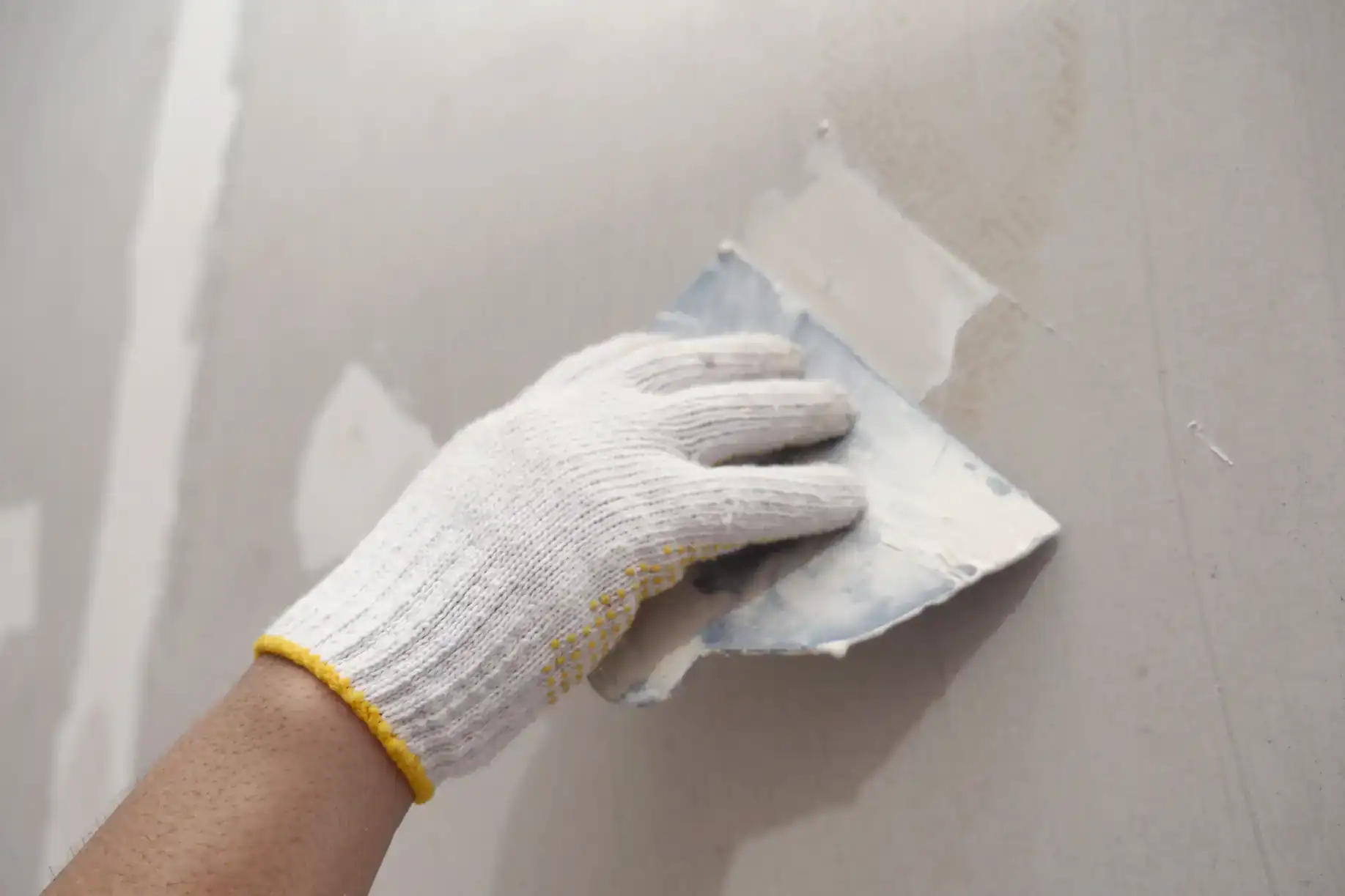
First, we assess the damage. Holes, cracks, and water stains all require different approaches, and the repair method depends on the size and cause. Small holes under a few inches get patched with compound and mesh tape. Larger holes need a backer board or drywall plug to create a solid surface.
If there’s water damage, we check for moisture and address the source before repairing the drywall. Mold grows within 24 to 48 hours, so acting quickly matters. Once the area is dry and stable, we cut out the damaged section, install new drywall, tape the seams, and apply multiple coats of joint compound.
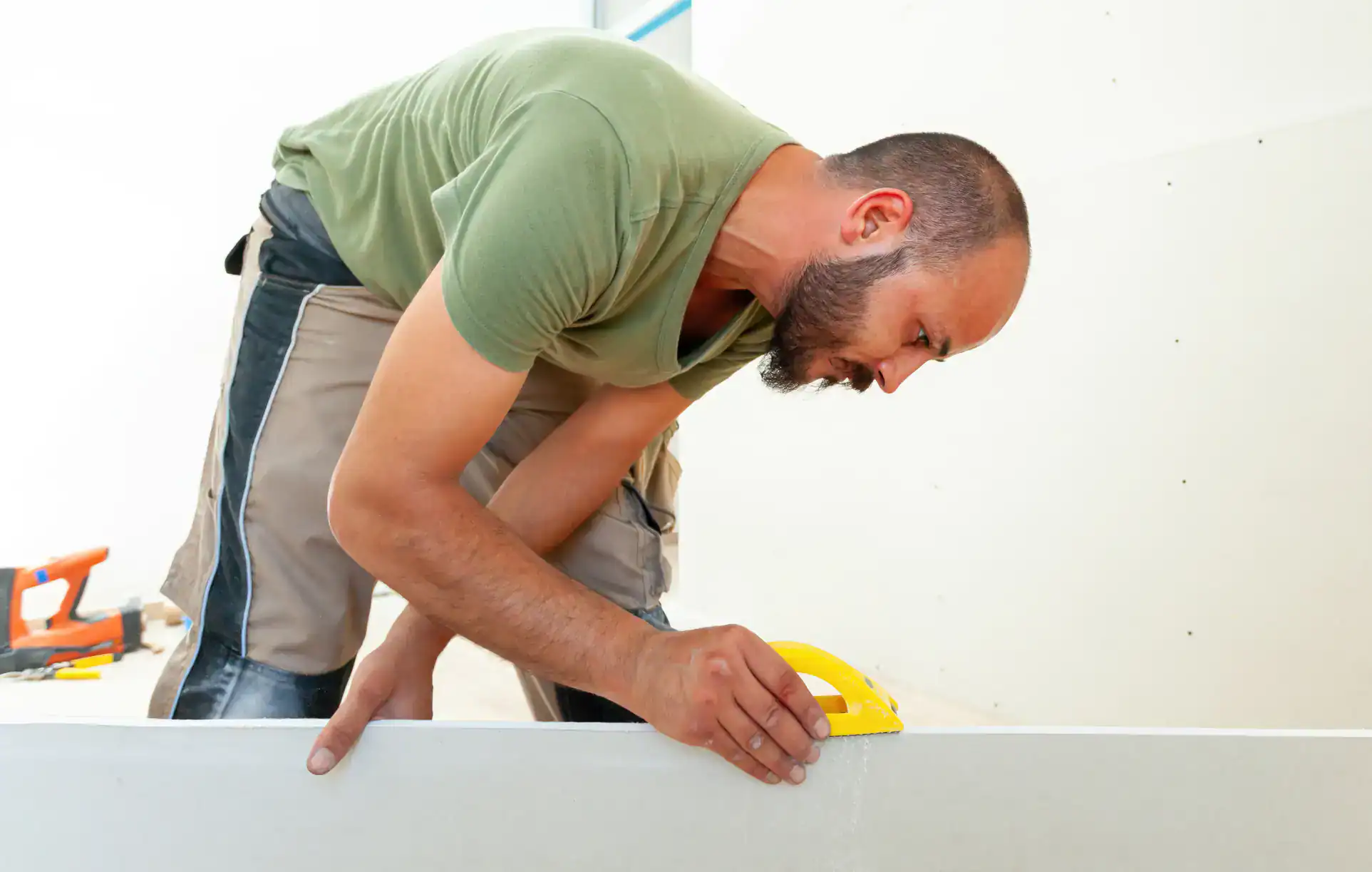
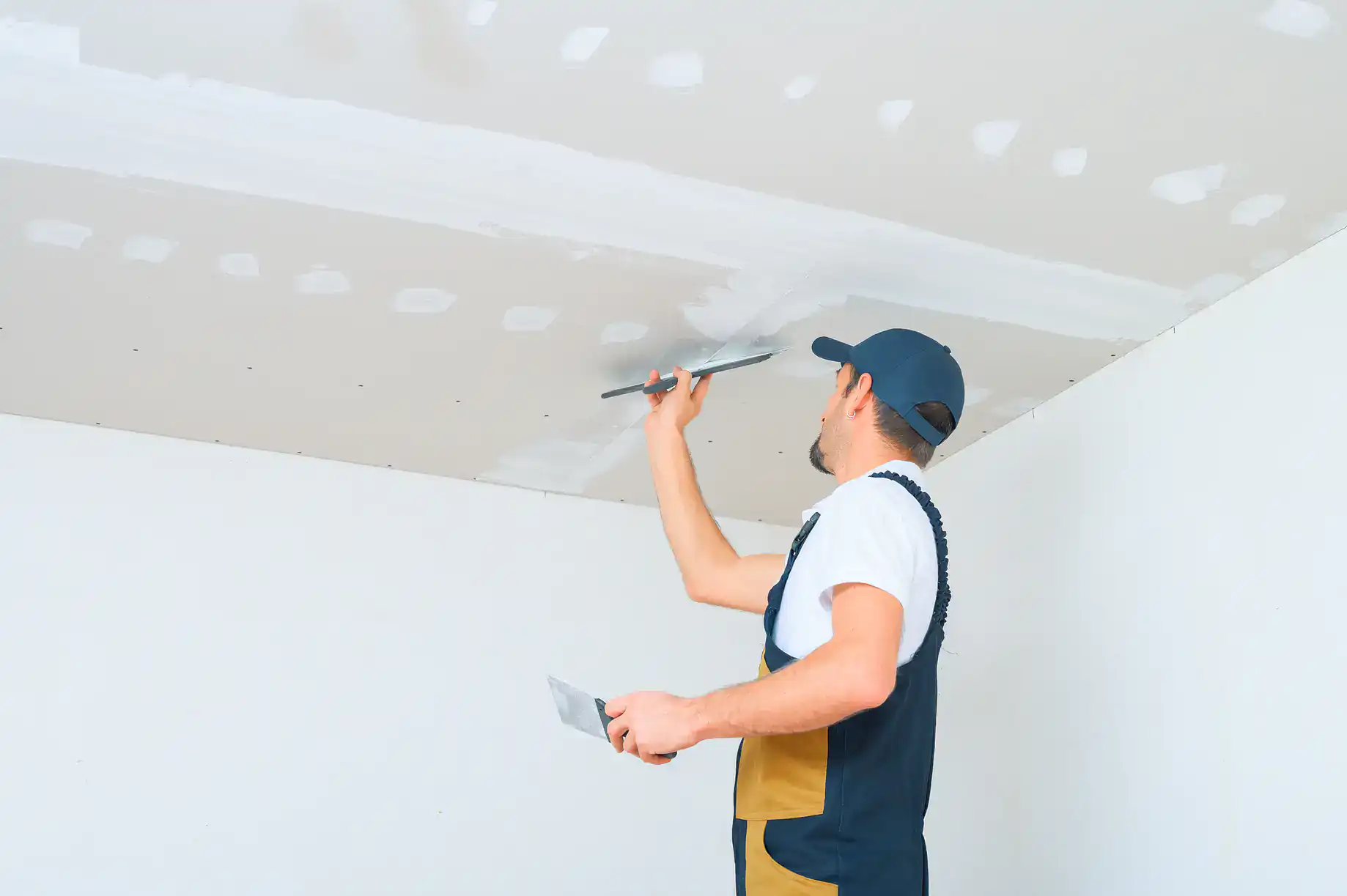
Each coat gets sanded smooth. The goal is a surface that’s completely flush with the surrounding wall—no ridges, no visible seams. After the final sanding, we prime the area so it’s ready for paint. The entire process typically takes one visit for most repairs, and we handle all the cleanup before we leave.
Ready to get started?
The cost to repair drywall in Mantua, PA depends on the size of the damage and what caused it. Small repairs—nail pops, minor cracks, small holes—typically run between $75 and $150. Medium repairs like doorknob holes or larger cracks fall in the $150 to $400 range. Extensive damage from water or large holes can cost $400 to $800 or more, depending on how much drywall needs replacing.
The average cost of drywall repair in this area sits around $300 to $500 for most jobs. That includes materials, labor, and cleanup. You’re not just paying for someone to slap compound on a hole. You’re paying for premium materials that resist moisture and cracking, proper surface prep, multiple coats applied and sanded correctly, and a finish that blends seamlessly with your existing walls.
Montgomery County has a median household income over $111,000 and a homeownership rate above 71%. Most homes here are older, well-maintained properties where quality matters. Cheap repairs show up fast—usually within a few months when the patch cracks or the seam starts lifting. Drywall repair costs more upfront when it’s done right, but you’re not calling someone back next year to fix the same spot.
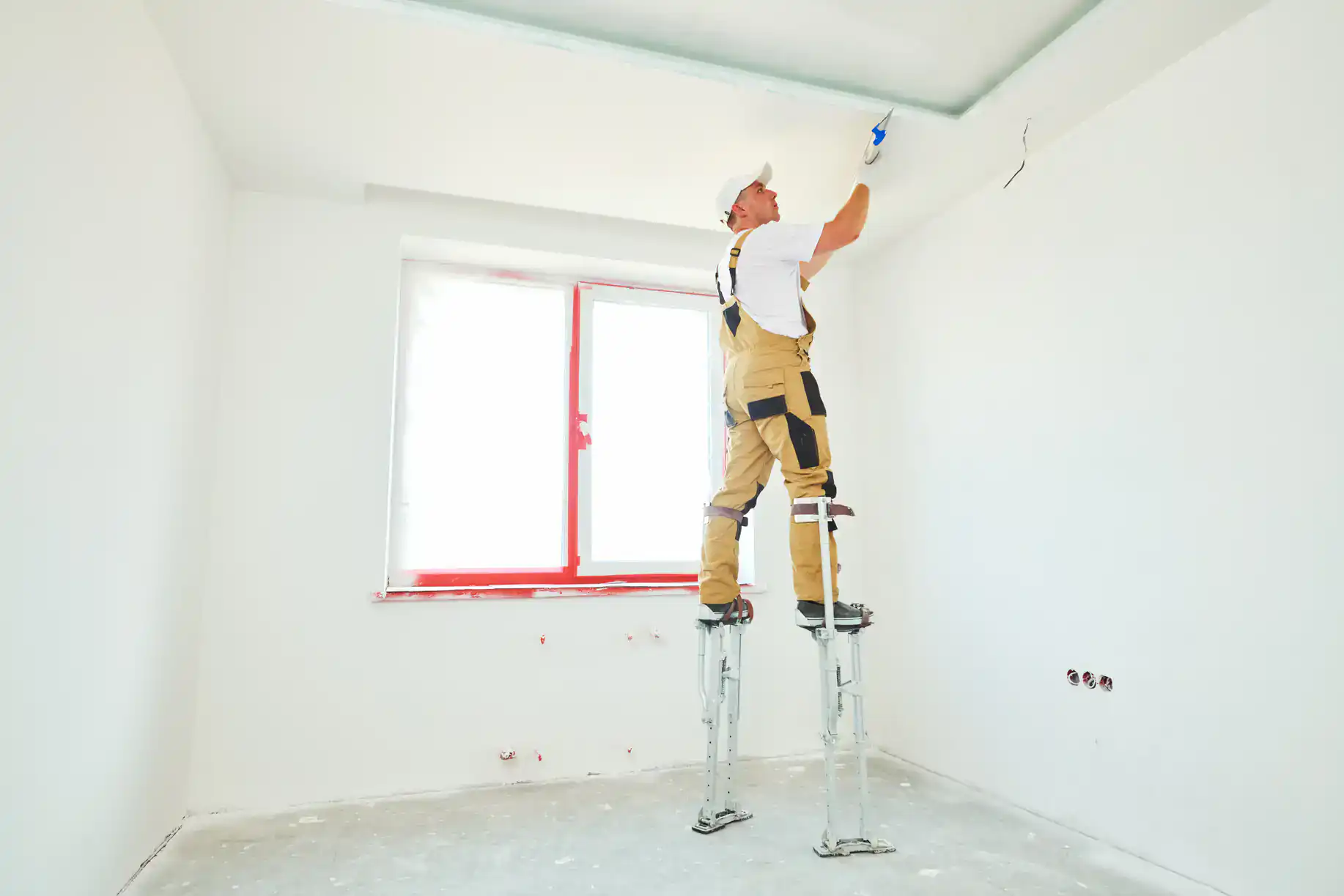
The average cost for drywall repair in Mantua, PA ranges from $300 to $500 for typical jobs, though smaller repairs can cost as little as $75 and larger projects involving water damage or extensive holes can reach $800 or more. The final price depends on the size of the damaged area, what caused the damage, and how much prep work is needed.
Small holes under three inches—like nail pops or minor dings—usually cost $75 to $150. Medium repairs, including doorknob holes or stress cracks, typically fall between $150 and $400. Large repairs involving water damage, multiple holes, or ceiling work can run $400 to $800 depending on the extent of the damage and whether any underlying issues need addressing first.
Most contractors charge a minimum service fee of $125 to $200 just to show up, so bundling multiple repairs into one visit makes sense if you have several spots that need fixing. You’re paying for materials, labor, surface prep, multiple coats of compound, sanding, and cleanup—not just the patch itself.
Most drywall repairs in Mantua, PA are completed in one visit, typically taking two to four hours depending on the size and number of repairs. Small holes and cracks can be finished in under two hours. Larger repairs or multiple spots around the house might take four to six hours, but you’re still looking at same-day completion in most cases.
The process involves multiple steps that can’t be rushed. Each coat of joint compound needs to dry before the next one goes on, but we use fast-setting compounds that cut down on wait time. Small repairs might only need two coats. Larger patches require three or more coats to create a smooth, level surface.
If you’re dealing with water damage, the timeline depends on how wet the drywall is. Damp drywall needs to dry completely before we can repair it, which can add a day or two. But once the area is dry, the actual repair happens in a single visit. You’re not waiting weeks for someone to come back and finish the job.
Cracks in drywall typically come from house settling, temperature changes, or humidity fluctuations—all common in Montgomery County homes built in the 1960s and 1970s. As the foundation shifts slightly over time, stress concentrates at weak points like corners, door frames, and ceiling joints. That’s where you see cracks forming.
If the underlying cause isn’t addressed, yes, the cracks can return. Stress cracks caused by normal settling usually stay fixed once repaired correctly with mesh tape and flexible compound. But if you have foundation issues, ongoing water problems, or major humidity swings, the cracks might reappear even after repair.
We assess what’s causing the crack before we fix it. Hairline cracks from normal settling get patched and stay patched. Larger cracks that keep growing might indicate a foundation issue that needs attention first. Cracks near windows or doors often come from framing movement, which we can stabilize before repairing the drywall. The goal is fixing it once, not creating a repair cycle that never ends.
It depends on how saturated the drywall is and how long it’s been wet. If the drywall is damp but still structurally sound—no sagging, no soft spots, no visible mold—it can often be dried out and repaired. If it’s been soaked for more than 48 hours, feels soft or spongy, or shows signs of mold growth, it needs to be cut out and replaced.
Water damage creates ideal conditions for mold, which starts growing within 24 to 48 hours. That’s why acting fast matters. If you catch it early and the drywall dries completely, we can repair the surface damage without replacing entire sections. But if the paper facing is peeling, the gypsum core is crumbling, or there’s visible mold, replacement is the only safe option.
We don’t guess. We check moisture levels, inspect for mold, and assess the structural integrity before deciding whether to repair or replace. Trying to patch over compromised drywall just hides the problem temporarily. You’ll end up with recurring stains, mold issues, or worse—a bigger repair bill down the road.
Yes. Complete cleanup is included with every drywall repair in Mantua, PA. That means no drywall dust on your floors, no compound smears on your baseboards, and no debris left behind when we’re done. You shouldn’t have to spend an hour vacuuming and wiping down surfaces after paying someone to fix your walls.
Drywall work creates dust—there’s no way around sanding joint compound without it. But we contain the mess as much as possible using dust barriers and shop vacs with HEPA filters. After the repair is finished, we vacuum the work area, wipe down surfaces, and remove all trash and leftover materials.
You’re not dealing with a contractor who packs up and leaves you with a mess to clean. The space should look better than it did before we started, not worse. That’s part of doing the job right.
The difference comes down to materials, prep work, and technique. Cheap repairs use low-grade compound that shrinks and cracks over time, skip proper surface prep, and rush through the finishing steps. You’ll see the patch within a few months—either because it’s cracking, sinking, or showing through the paint.
A repair that lasts uses premium joint compound designed for durability and minimal shrinkage. The damaged area gets properly prepped, which means cleaning edges, securing loose material, and creating a solid base for the patch. Multiple thin coats get applied and sanded smooth instead of one thick coat that looks lumpy. The final surface is primed so paint adheres evenly.
Handyman drywall repair cost might be lower upfront, but you’re often paying twice—once for the cheap fix, and again six months later when it fails. Professional drywall repair costs more because it’s done right the first time. You’re not repainting that wall next year or calling someone else to fix what the first guy messed up.
Other Services we provide in Mantua