You’ve got a hole in your wall from a doorknob, a crack that keeps coming back, or water damage that needs fixing before it gets worse. Whatever it is, you need it handled without turning into a week-long project that disrupts your entire house.
That’s where most drywall repair in Cedar Park, PA falls short. Contractors show up late, leave dust everywhere, or patch things so poorly you can see every seam. Then they hand you a bill that’s double what they quoted.
Here’s what actually happens when the work’s done right. Your repair gets finished in one visit—most jobs take a few hours, not days. The patched area blends seamlessly with your existing wall, so you can’t tell where the damage was. Everything gets cleaned up before we leave, and the price you agreed to is the price you pay. No hidden fees for “unexpected complications” that somehow always come up.
Sharpe Drywall exists because too many homeowners in Cedar Park, PA were dealing with contractors who didn’t show up, didn’t finish, or didn’t care. We’re locally owned, and we live in the same communities we serve—which means our reputation matters more than a quick buck.
Cedar Park has over 31,000 homes, and most were built in the late 1930s. That means settling cracks, plaster repairs, and water damage from old pipes are common. You need someone who understands how these older homes move and what it takes to fix them properly, not just slap mud over the problem and hope it holds.
We’re licensed and insured, and every job gets treated like it’s our own house. That’s not a tagline—it’s how we stay in business in a town where word travels fast.
First, we look at the damage. Is it a simple patch, or is there something behind the wall causing the problem? If you’ve got a crack that keeps reopening, it’s usually because of movement or moisture that never got addressed. We’ll tell you what’s actually going on, not just what’s easiest to fix.
Next, we prep the area. That means cutting out damaged drywall, making sure the edges are clean, and checking for any structural issues or mold. If we find something that needs attention beyond the drywall itself, you’ll know before we start patching.
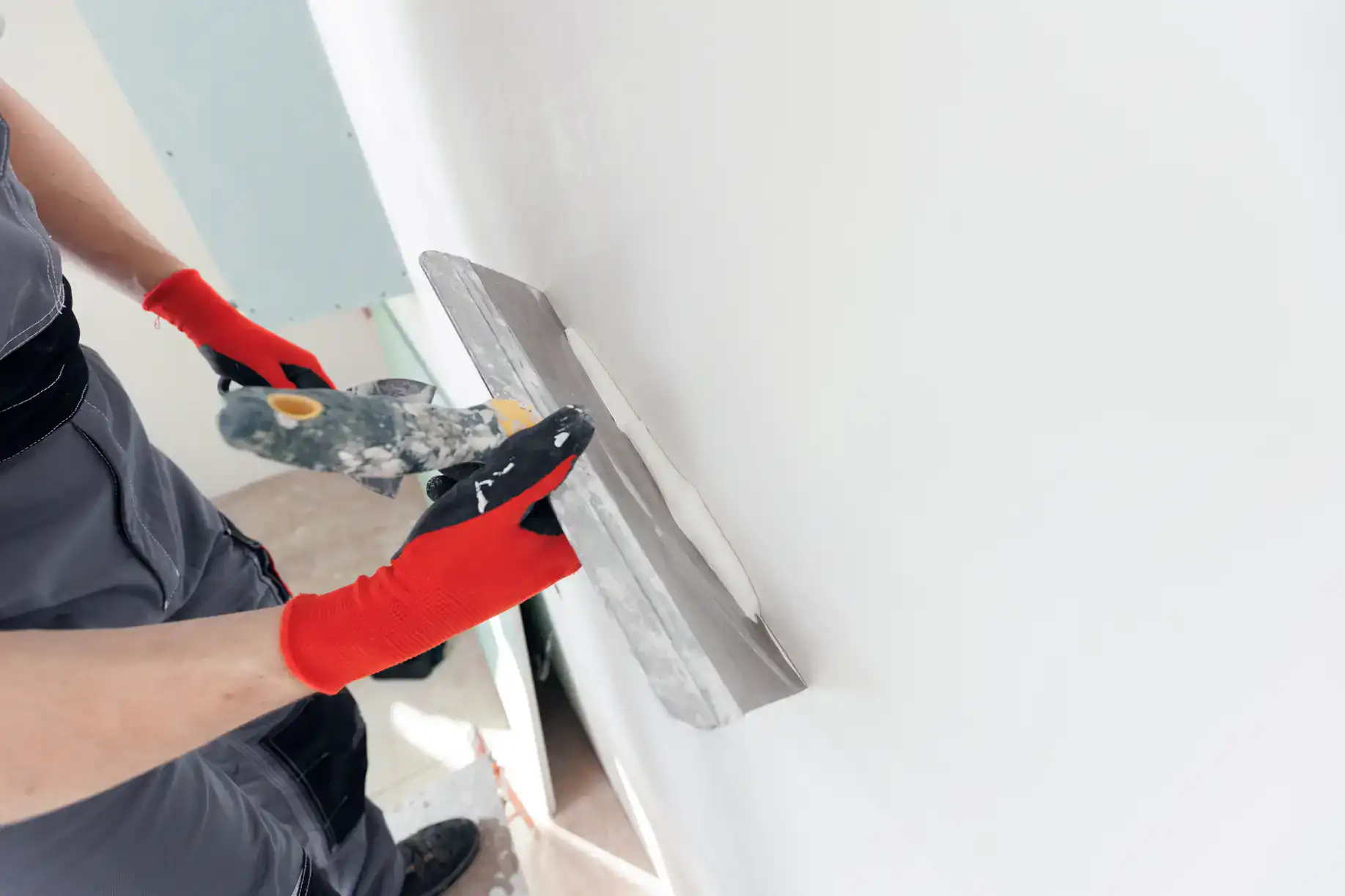
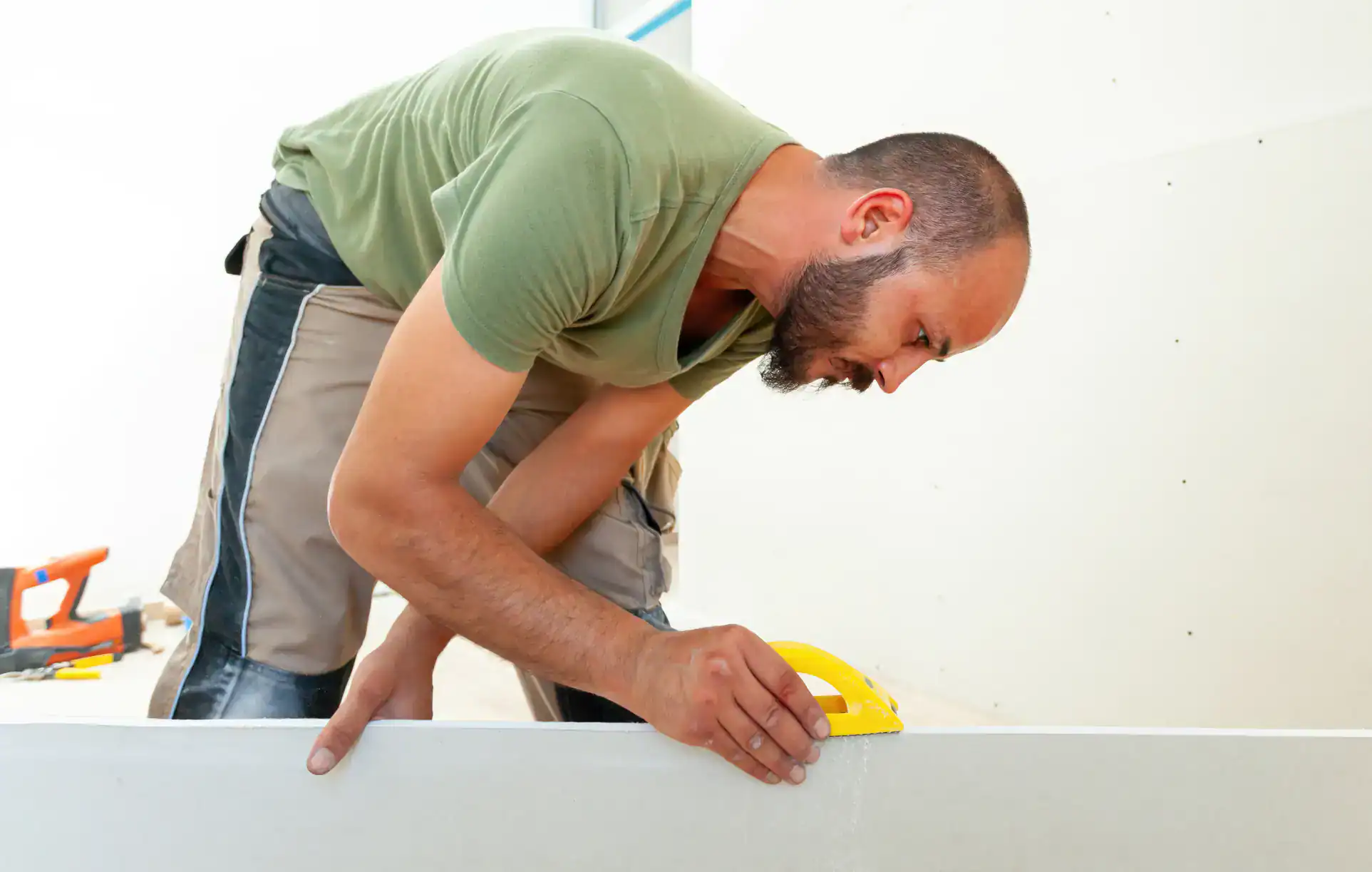
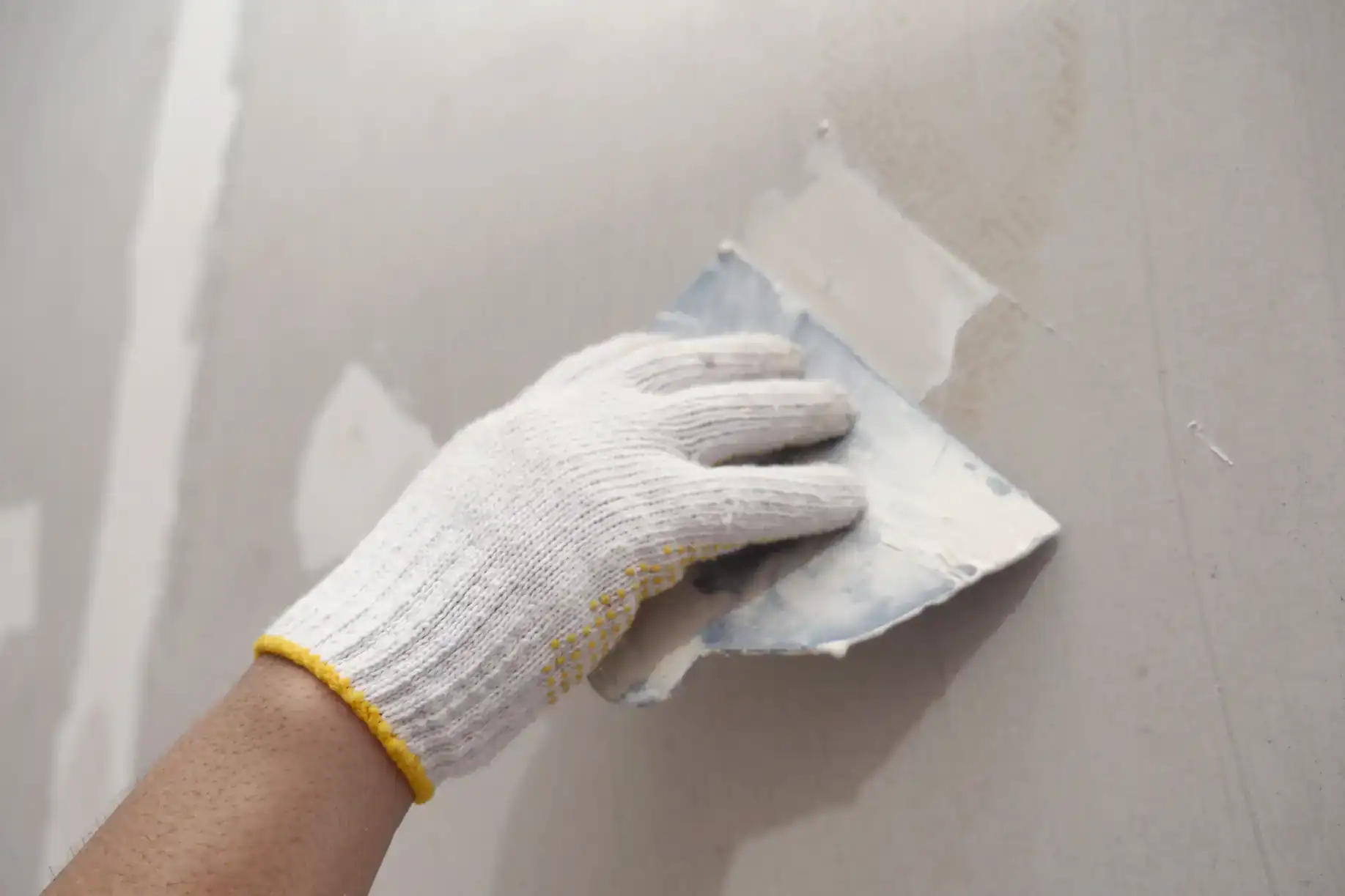
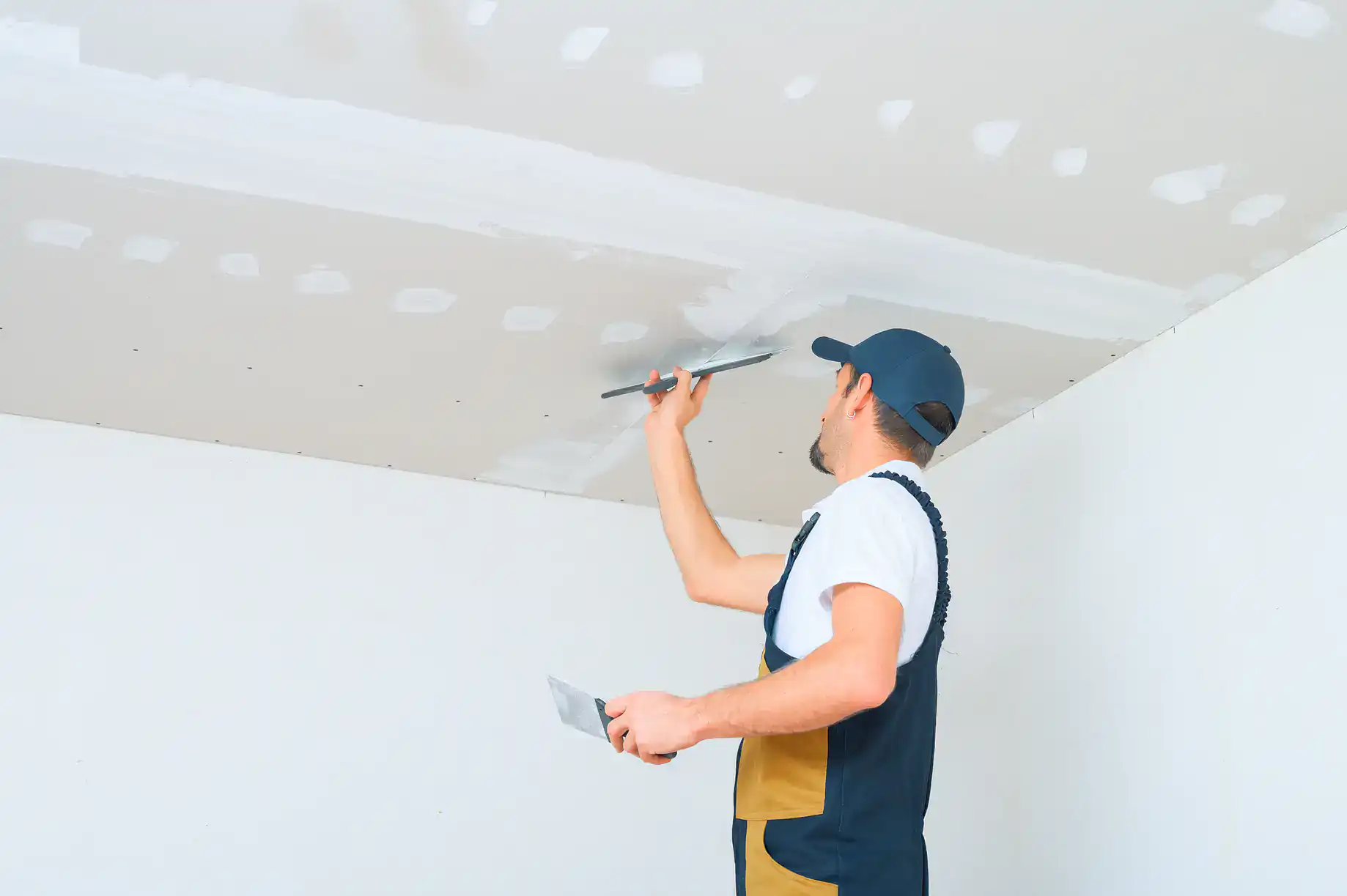
Then comes the repair. We use proper backing, apply joint compound in layers, and sand everything smooth so the texture matches your existing wall. If you’ve got a specific texture or finish, we match it. The goal is for you to forget the damage was ever there.
Finally, cleanup. We don’t leave dust, scraps, or tools behind. Most jobs in Cedar Park, PA are done in a single visit, and by the time we’re finished, your space is ready to use again.
Ready to get started?
The average cost of drywall repair in Cedar Park, PA typically runs between $297 and $472 per repair, depending on the size and complexity. Small holes from doorknobs or picture hangers cost less. Larger repairs from water damage or structural settling cost more. But here’s what matters: you’ll know the price before we start, and it won’t change unless the scope of work changes.
Labor makes up most of the cost to repair drywall—usually 50 to 70 percent. That’s because doing it right takes time. Rushing through a patch job means visible seams, cracks that come back, and texture that doesn’t match. You end up paying twice when you have to call someone else to fix it properly.
In Cedar Park, PA, many homes deal with settling cracks around door frames and ceilings. That’s normal in houses built in the 1930s and 1940s. The key is addressing what’s causing the crack, not just filling it. Otherwise, you’ll see it again in six months.
When you’re comparing quotes, pay attention to what’s included. Does the price cover prep, multiple coats, sanding, texture matching, and cleanup? Or are those all extra? Transparent pricing means you know exactly what you’re getting and what it costs—no surprises when the invoice shows up.
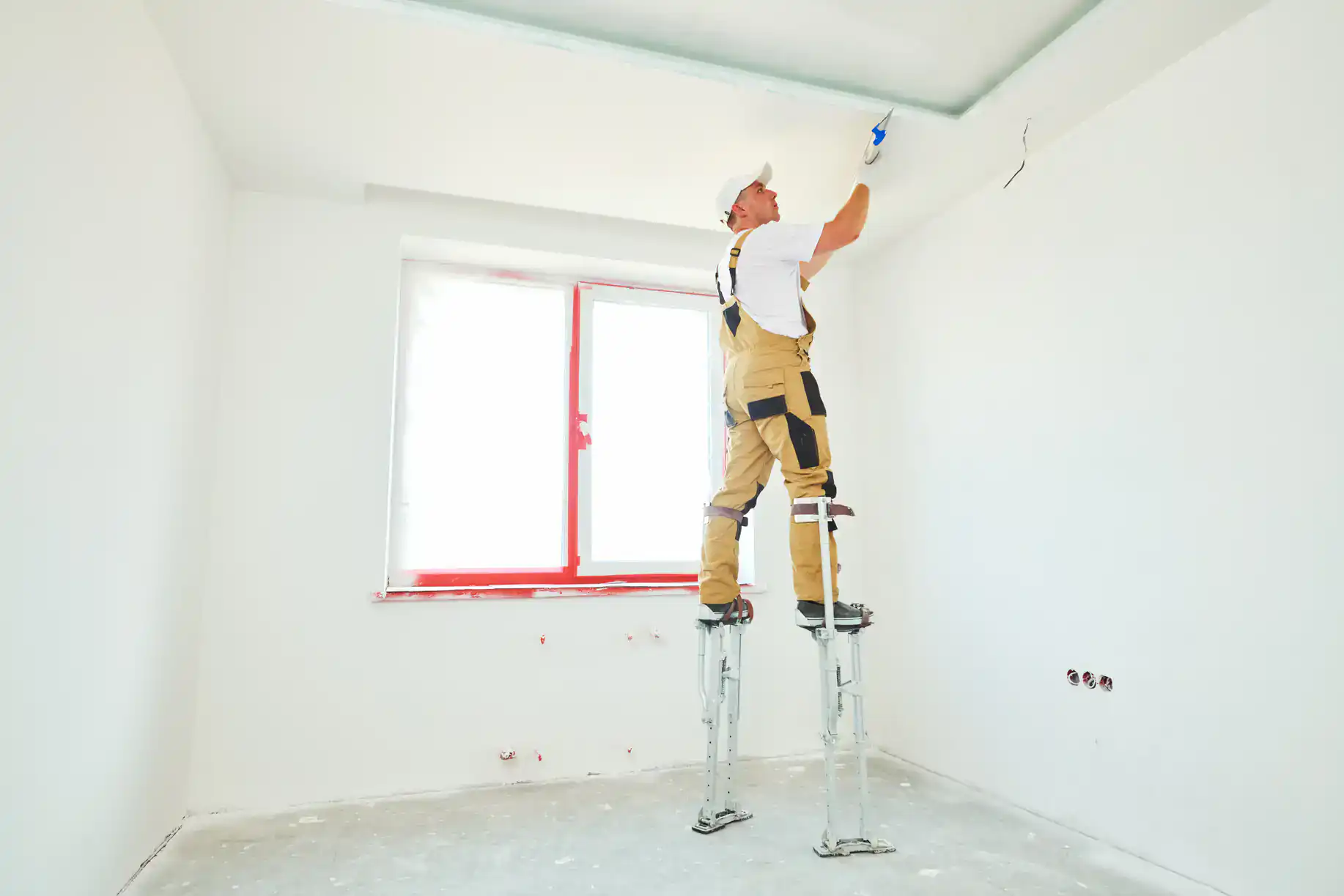
Most drywall repairs in Cedar Park, PA cost between $297 and $472, depending on the size and type of damage. A small hole from a doorknob or picture hanger is on the lower end. Larger repairs from water damage, structural cracks, or ceiling work cost more because they take more time and materials.
Labor is the biggest factor in drywall repair costs—it typically accounts for 50 to 70 percent of the total. That’s because proper repair involves more than just slapping mud in a hole. You’re paying for prep work, multiple coats of joint compound, sanding, texture matching, and cleanup.
If a contractor quotes you significantly less than average, ask what’s included. Are they doing one coat or three? Are they matching your texture? Are they cleaning up, or are you left with dust all over your floors? Cheap quotes usually mean shortcuts, and shortcuts mean you’re calling someone else in six months to fix it again.
Most drywall repair in Cedar Park, PA gets finished in one visit. Small to medium repairs—holes, cracks, minor water damage—typically take a few hours from start to cleanup. You’re not looking at a multi-day project that disrupts your whole week.
Larger repairs or jobs that involve multiple rooms might take longer, but you’ll know the timeline upfront. The key is proper drying time between coats of joint compound. Rushing that process leads to cracking and visible seams, which defeats the purpose of hiring someone in the first place.
If your repair involves water damage, there’s an extra step. The area needs to be completely dry before we patch it, or you’re trapping moisture behind the new drywall. That can lead to mold, which turns a simple repair into a much bigger problem. We’ll let you know if drying time is needed before we can finish the work.
Cracks that reappear in the same spot usually mean the underlying cause was never fixed. In Cedar Park, PA, the most common culprits are settling, temperature changes, and humidity fluctuations. Houses built in the 1930s and 1940s—which make up a large portion of the area—are especially prone to settling cracks around door frames, corners, and ceilings.
If you patch a crack without addressing what’s causing it, you’re wasting time and money. The crack will come back, often within a few months. Proper repair means identifying whether the crack is from normal settling, a structural issue, or moisture problems. Then you fix the cause, not just the symptom.
Hairline cracks from minor settling are normal and can be patched permanently once the house has finished moving. Larger cracks or cracks that widen over time might indicate a foundation issue or water damage that needs professional attention beyond drywall repair. We’ll tell you if what you’re seeing is cosmetic or something that requires a closer look.
Yes, matching texture is part of the job. Whether you’ve got knockdown, orange peel, skip trowel, or smooth walls, the repair should blend in so well you forget where the damage was. That’s the difference between a professional repair and a DIY patch that sticks out like a sore thumb.
Texture matching takes skill and the right tools. It’s not something you can fake or rush through. The joint compound needs to be applied at the right consistency, and the texture needs to be applied while the mud is still workable. Get the timing wrong, and it won’t match. Use the wrong technique, and it’s obvious.
If your walls have a specific finish or custom texture, bring it up before the work starts. Some textures are easier to match than others, and it’s better to know upfront if there are any challenges. The goal is always a seamless repair that doesn’t draw attention to itself.
Yes, you’ll need to repaint the repaired area to match the rest of your wall. Drywall repair involves joint compound and primer, which won’t match your existing paint color or sheen. Even if we texture the area perfectly, it’ll still look different until it’s painted.
Most homeowners paint the entire wall, not just the patched spot, because it’s hard to match paint that’s been on the wall for years. Paint fades over time from sunlight and general wear, so even if you use the exact same color, a fresh patch will look brighter or slightly different. Painting the full wall from corner to corner gives you a uniform finish.
If you’re not comfortable painting it yourself, we can recommend local painters who do quality work. Some homeowners prefer to handle the painting on their own to save money, which is fine—the drywall repair will be fully ready for paint as soon as it’s dry. Just make sure to use primer on the repaired area first, or the paint will absorb unevenly and look blotchy.
If you’ve got water damage, the first step is stopping the source. Whether it’s a leaky pipe, roof issue, or condensation problem, the water needs to be fixed before you repair the drywall. Otherwise, you’re just covering up a problem that will come back worse.
Once the water source is handled, the damaged drywall needs to dry completely. Wet drywall can’t be repaired—it has to be replaced. Trying to patch over it traps moisture, which leads to mold growth and structural issues. In Cedar Park, PA, older homes with original plumbing are especially prone to slow leaks that go unnoticed until the drywall starts sagging or staining.
After everything’s dry, we cut out the damaged section, check for mold or rot in the framing, and replace the drywall. If there’s any sign of mold, that gets addressed before new drywall goes up. Water damage isn’t something to put off—the longer it sits, the more expensive and complicated the repair becomes.
Other Services we provide in Cedar Park