
Most homeowners in Bridesburg spend between $300 and $500 for small to medium drywall repairs. That covers the hole or crack itself, texture matching so you can’t tell where we worked, and a coat of primer so it’s ready for your paint. Larger repairs that need new drywall pieces typically run $500 to $800, depending on the size and whether we’re dealing with ceilings or walls.
The average cost to repair drywall breaks down to about $1.50 to $3.50 per square foot. Small nail holes and minor cracks cost less. Water damage or large sections cost more because there’s more prep work, more materials, and more time spent getting the texture right.
Here’s what matters: you’re not paying for a patch job that looks like a patch job. You’re paying for work that disappears into your wall. The drywall repair cost in Bridesburg reflects the time it takes to do that correctly—sanding smooth, matching your texture perfectly, and making sure the repair holds up long-term.
We’ve been serving Bridesburg homeowners long enough to know the neighborhood inside and out. We’ve worked in the twins north of the Circle, the ranch homes in Winchester Park, and just about every style of home in between.
Most of the houses here were built in the 1950s and 60s, and that means we’re dealing with older construction methods, plaster mixed with drywall from past renovations, and the kind of settling that comes with age. We know how to work with it. We also know that basements near Pennypack Creek flood, and when they do, drywall takes a hit.
We started this company because too many homeowners were getting burned by contractors who didn’t show up, didn’t finish, or left a mess behind. We do the opposite. We show up when we say we will, we finish the job the same day in most cases, and we clean up completely before we leave.
First, we assess the damage. That means looking at the hole or crack, checking for any moisture or structural issues, and figuring out what materials and approach will give you the cleanest result. If it’s water damage, we make sure the source is fixed and the area is dry before we start.
Next, we prep the area. We cut away any damaged drywall, clean up the edges, and secure backing if needed. For smaller holes, we use a patch. For larger damage, we cut and fit a new piece of drywall to match the thickness of your existing wall.
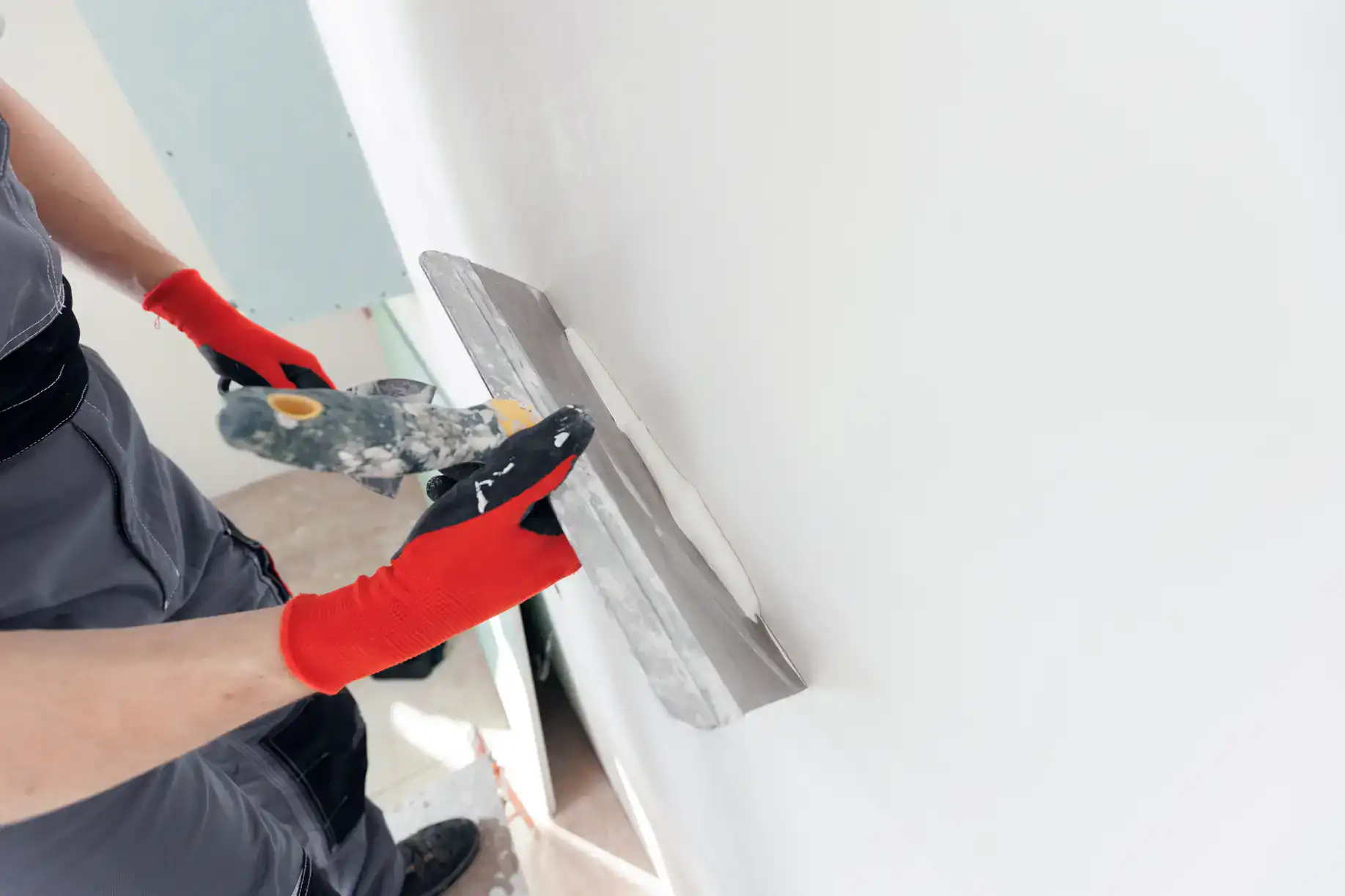
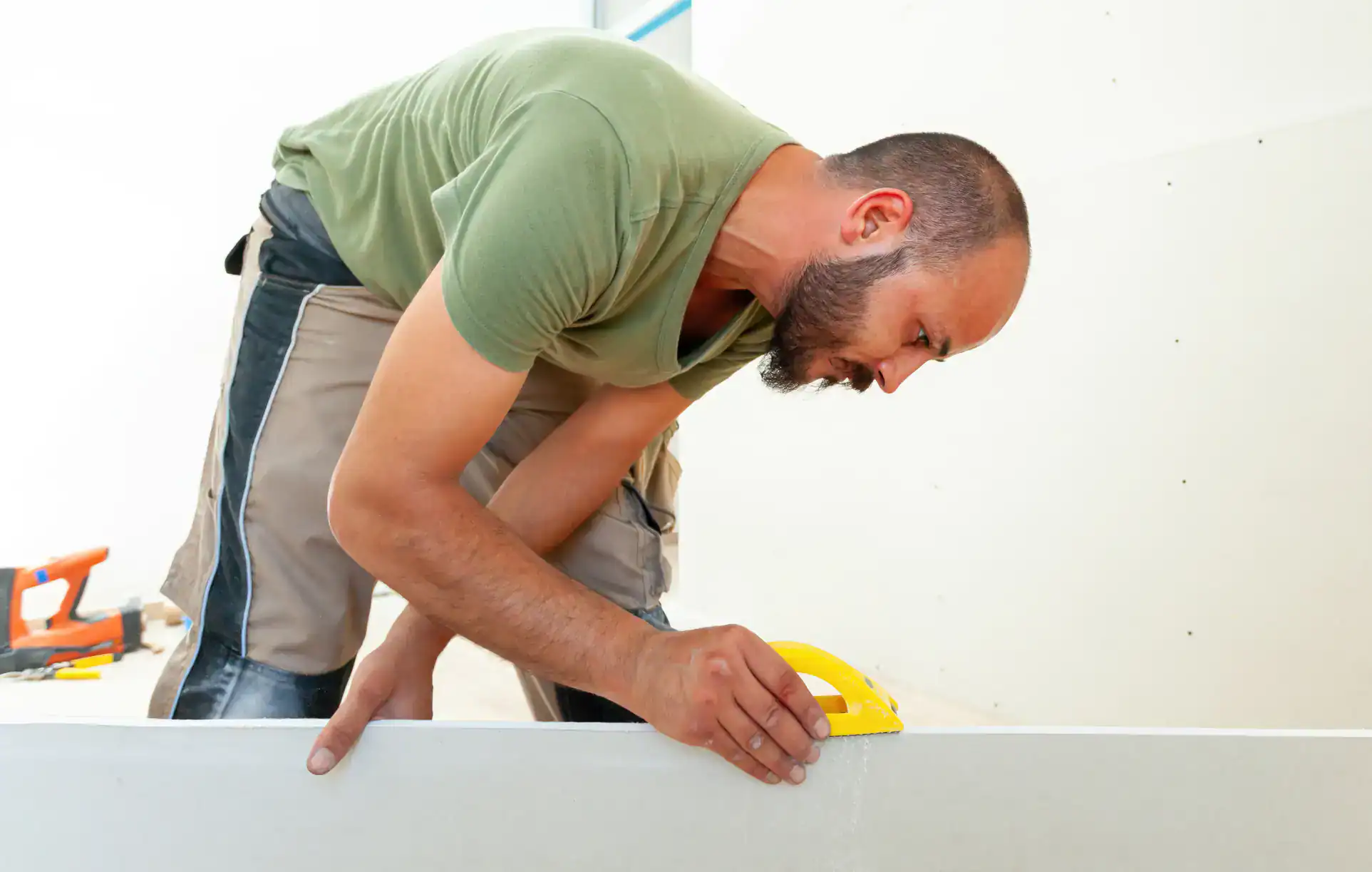
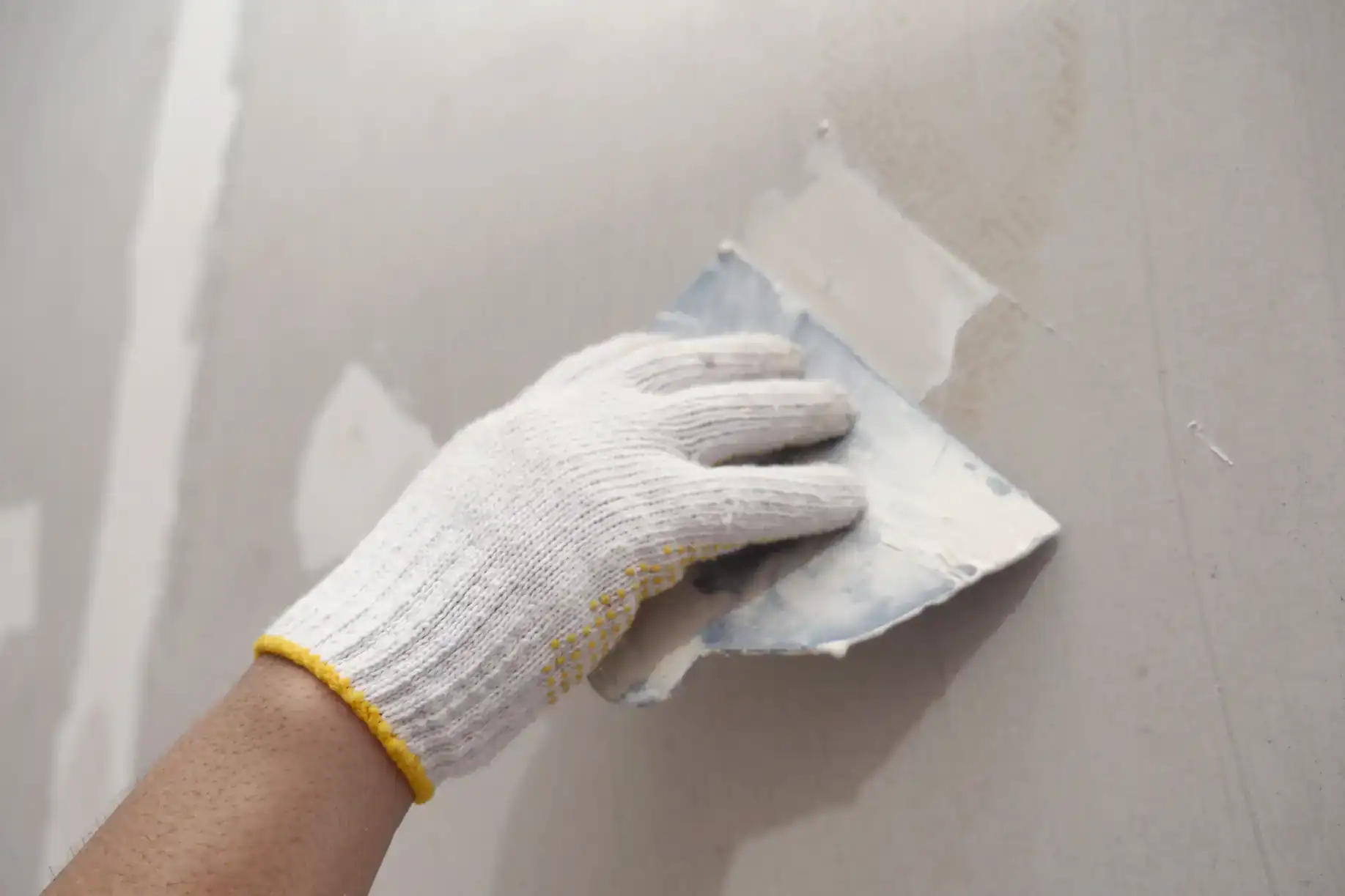
Then comes the finishing work, which is where most DIY jobs fall apart. We apply joint compound in thin layers, let each layer dry, and sand it smooth between coats. Once the surface is level, we match your wall texture—whether that’s orange peel, knockdown, or smooth. We prime the repair so it’s ready for paint.
Most repairs are done in a single visit. Small holes and cracks take a few hours. Larger jobs might take most of a day, but you’re not dealing with a week-long project or multiple trips. We finish, we clean up, and you’re left with a wall that looks like nothing ever happened.
Ready to get started?
Every repair includes the full process: patching or replacing damaged drywall, applying joint compound, sanding, texture matching, and priming. You don’t pay extra for cleanup or for us to move furniture out of the way. That’s part of the job.
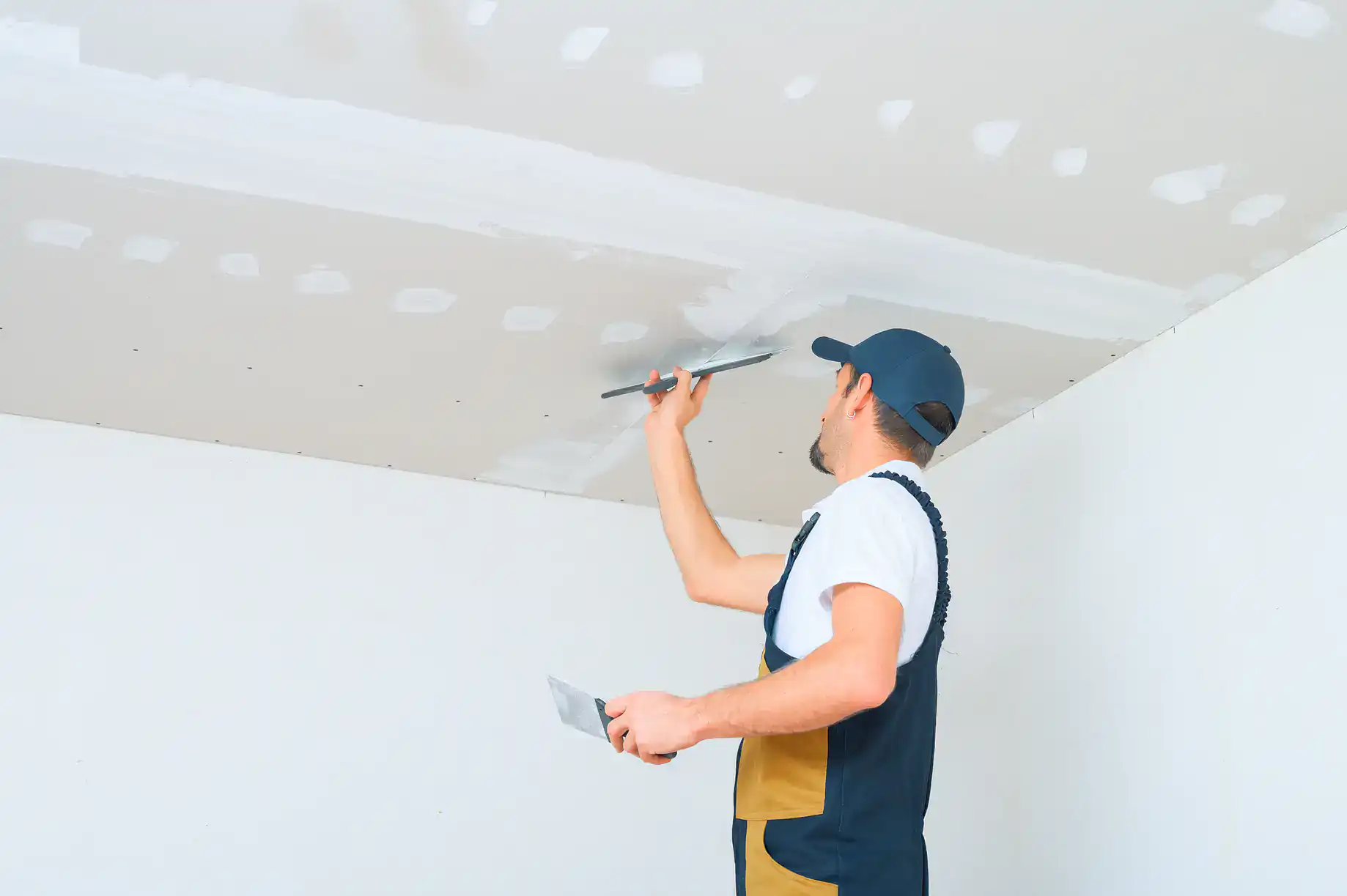
If you’re dealing with ceiling damage, the drywall ceiling repair cost in Bridesburg typically runs higher than wall repairs because ceilings are harder to access and require more precise work to avoid visible seams. Gravity works against you on ceilings, so the compound has to be applied carefully and the texture has to be matched exactly, or you’ll see shadows and lines every time the light hits it.
Water damage repairs include an assessment of whether the drywall can be saved or needs to be replaced. If there’s any sign of mold or if the drywall has been saturated, we replace it. Trying to save compromised drywall just leads to more problems down the road, and you end up paying twice.
For homes in Bridesburg, especially the older twins and ranches, we often run into situations where past repairs were done poorly or where plaster walls were patched with drywall that doesn’t quite match. We fix that too. The goal is to leave you with walls that look consistent, smooth, and professional—no matter what we started with.
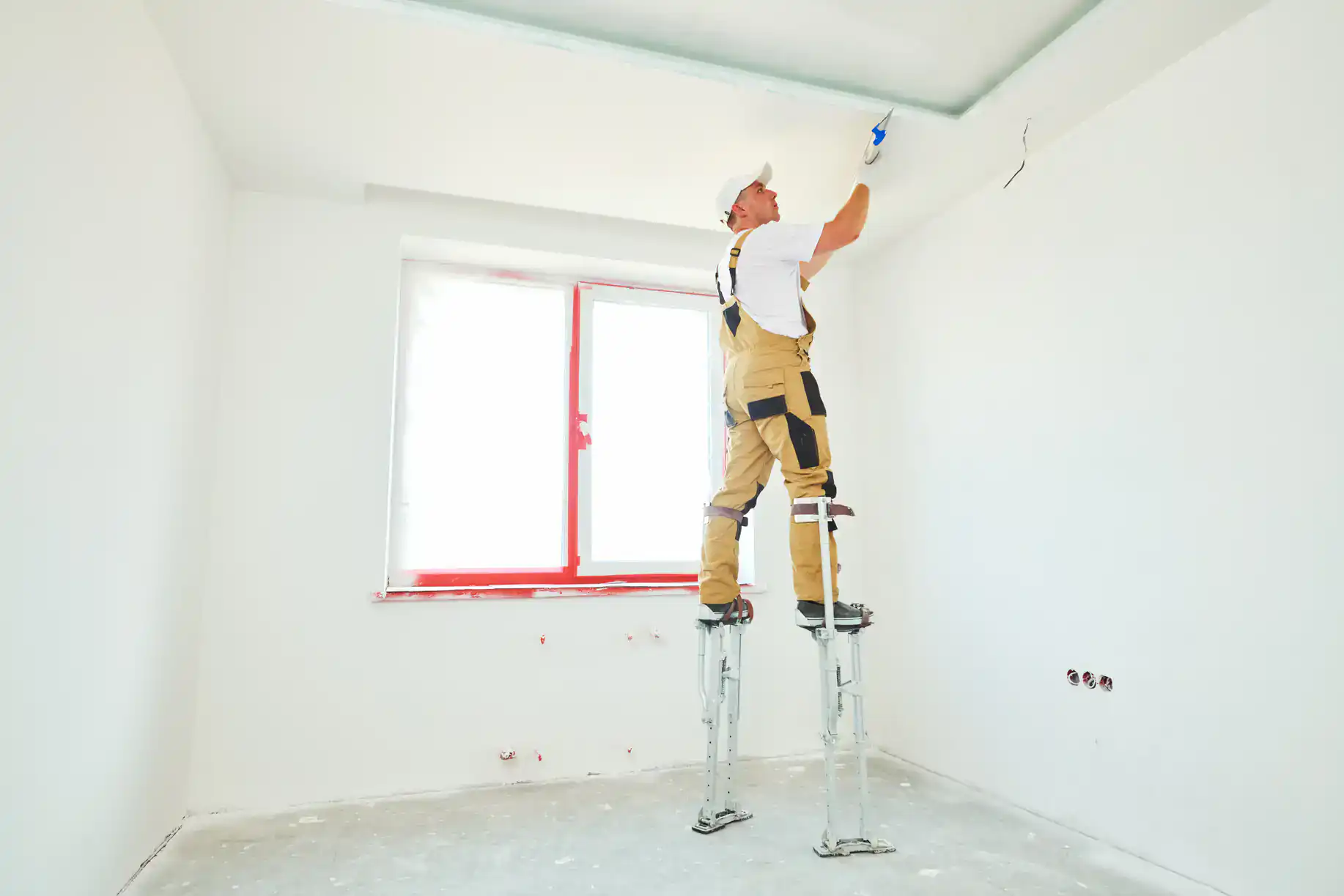
Most homeowners in Bridesburg pay between $300 and $500 for typical drywall repairs like fixing holes from doorknobs, removing old fixtures, or patching cracks. That price covers the repair itself, texture matching, and primer. Larger repairs that involve replacing full sections of drywall usually cost between $500 and $800, depending on the size of the area and whether it’s a wall or ceiling.
The average cost of drywall repair breaks down to roughly $1.50 to $3.50 per square foot. Small repairs like nail holes or hairline cracks fall on the lower end. Water damage, large holes, or ceiling repairs cost more because they require more material, more labor, and more precision to get right.
If you’re comparing quotes, make sure you’re comparing the same scope of work. Some contractors quote just the patching, but don’t include sanding, texture, or primer. That’s not a finished repair—that’s a half-done job that leaves you with more work to do.
Most drywall repairs are completed in a single day. Small holes and cracks typically take just a few hours from start to finish, including prep, patching, sanding, texture matching, and priming. Larger repairs that require cutting in new drywall can take most of a day, but you’re still not looking at a multi-day project.
The timeline depends on the size of the damage and how many layers of joint compound are needed. Each layer has to dry before the next one goes on, but we use professional-grade materials and techniques that speed up the process without cutting corners. For most repairs, we’re in and out the same day.
If you’re dealing with water damage, the timeline might be longer—not because the repair itself takes longer, but because we need to make sure the area is completely dry before we start. Repairing over moisture just traps it in the wall and leads to mold. We’d rather wait an extra day and do it right than rush and create a bigger problem.
Yes. Texture matching is one of the most important parts of drywall repair, and it’s where most DIY jobs and cheap contractors fail. If the texture doesn’t match, you’ll see the repair every time you walk past it. We use professional tools and techniques to replicate whatever texture is already on your walls—whether that’s orange peel, knockdown, skip trowel, or smooth.
Matching texture takes experience. You have to know how much compound to use, what tools to use, and how to apply it so it blends seamlessly with the surrounding area. We’ve been doing this long enough that we can match just about any texture, including the older plaster textures common in Bridesburg homes from the 1950s and 60s.
Once the texture is matched and primed, the repair becomes invisible. You won’t see lines, shadows, or uneven surfaces. That’s the difference between a professional repair and a patch job.
Patching works for small to medium holes and surface damage where the surrounding drywall is still solid. We use a patch, cover it with joint compound, sand it smooth, and match the texture. It’s faster and less expensive, and when done right, it’s just as durable as the original wall.
Replacing drywall is necessary when the damage is too large to patch, when the drywall has been compromised by water, or when the existing drywall is crumbling or moldy. In those cases, we cut out the damaged section and install a new piece of drywall that matches the thickness of your existing wall. Then we tape the seams, apply joint compound, sand, texture, and prime.
For water damage, replacement is almost always the better option. Drywall that’s been soaked loses its structural integrity, and even if it dries out, it’s more likely to crack, crumble, or grow mold. Replacing it costs a bit more upfront, but it saves you from dealing with the same problem again in six months.
Yes. Water damage is one of the most common issues we deal with in Bridesburg, especially in basements near Pennypack Creek and in homes with older plumbing. When drywall gets wet, it needs to be assessed carefully. Sometimes it can dry out and be repaired. More often, it needs to be replaced.
We start by identifying the source of the water and making sure it’s been fixed. There’s no point repairing drywall if the leak is still active. Once we know the area is dry, we check for mold, soft spots, and structural damage. If the drywall is compromised, we cut it out and replace it. If it’s still solid, we can dry it out and repair it.
Water damage repairs also include checking the framing behind the drywall. If the studs are wet or damaged, they need to dry out or be treated before we close up the wall. Rushing through a water damage repair just leads to mold, rot, and more expensive problems down the line. We take the time to do it right.
Handyman drywall repair costs less because handymen typically do surface-level patching without the finishing work that makes a repair invisible. They’ll fill the hole, maybe sand it once, and call it done. You’re left with a lumpy patch that shows through paint and stands out every time you look at it.
A drywall specialist uses professional tools, high-quality materials, and proven techniques to make the repair disappear. That means multiple coats of joint compound, proper sanding between each coat, precise texture matching, and priming so the repair blends perfectly with the rest of the wall. It takes more time and more skill, but the result is a wall that looks like it was never damaged.
The cost difference usually comes down to experience and focus. Handymen do a little bit of everything. We do one thing, and we do it well. If you want a repair that actually lasts and looks professional, it’s worth paying for someone who specializes in it.
Other Services we provide in Bridesburg