
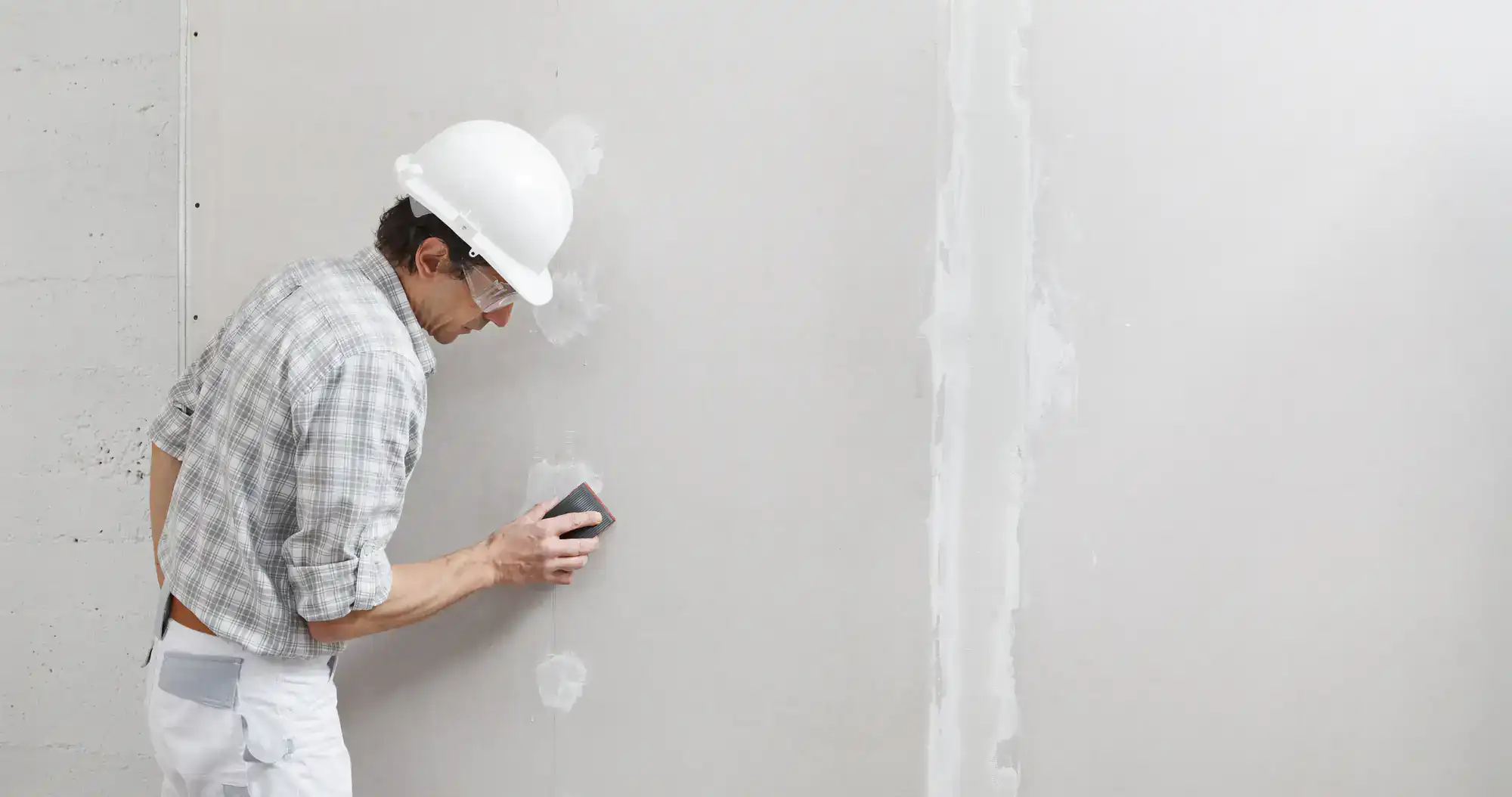
You shouldn’t see where one sheet ends and another begins. That’s the baseline. What you’re really getting is a surface that doesn’t crack six months later, doesn’t show lines through your paint, and doesn’t need touch-ups every time the temperature drops.
Drywall finishing in Whitman, PA means dealing with older homes—many built before 1930—where plaster transitions and patched remodel areas create problem spots. You need taping and mudding that accounts for how these homes settle and shift through Pennsylvania’s cold season.
When the work is done right, your walls disappear. No ridges catching light from the window. No seams you can run your hand across and feel. Just smooth, paint-ready surfaces that let you focus on the color, not the imperfections underneath.
We serve Montgomery and Bucks County homeowners who’ve dealt with contractors that disappeared mid-project or left messes that took days to clean up. We’re locally owned, fully licensed and insured, and we finish what we start.
Whitman homeowners know what it’s like to get an estimate that changes halfway through the job. We don’t operate that way. Your quoted price is your final price—no surprise fees when we’re mudding the seams or matching texture on a repair.
You’re hiring people who understand how homes in this area are built, what goes wrong over time, and how to fix it so it lasts.
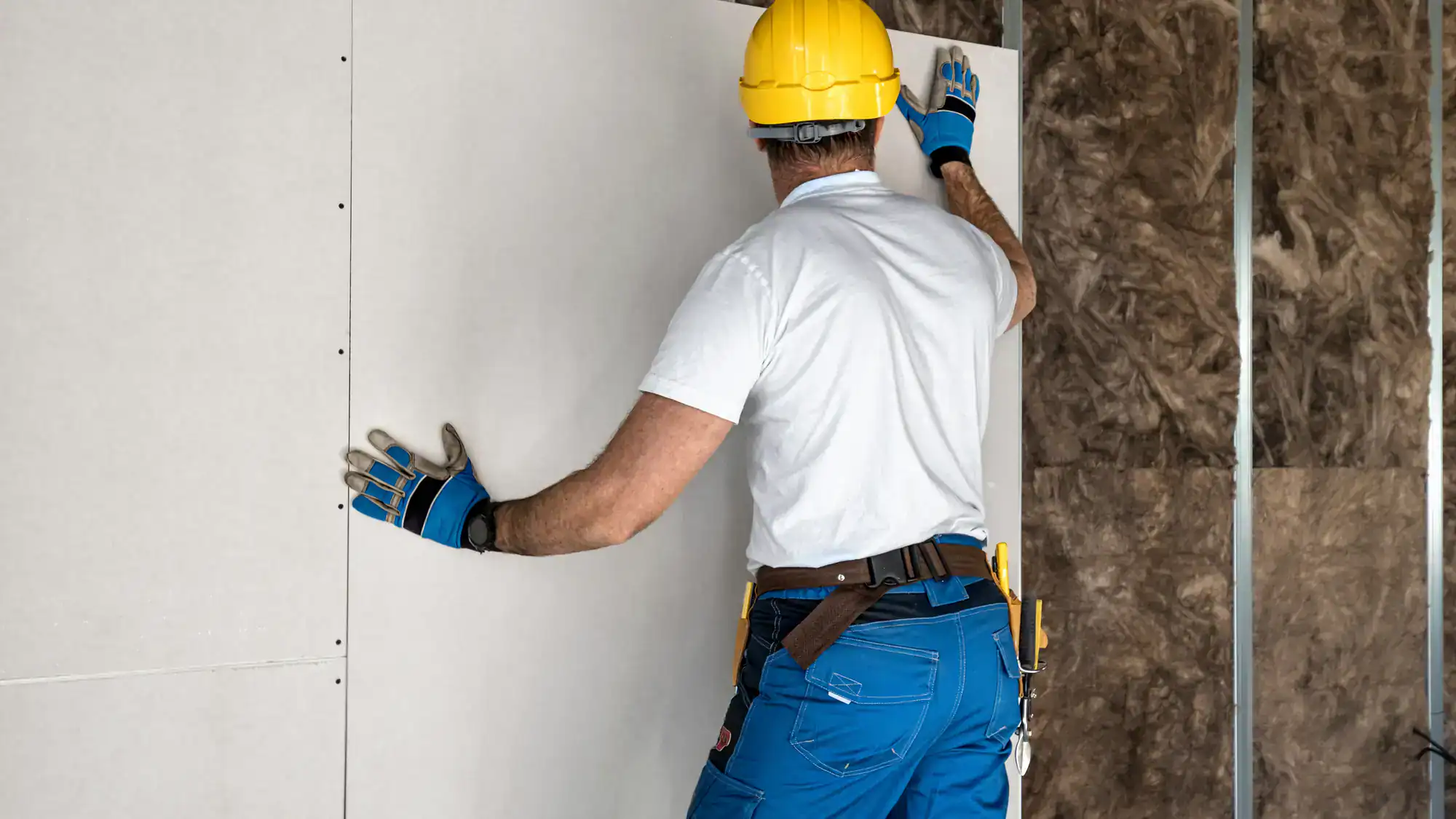
First, we assess what you’re working with—new installation, repair work, or refinishing over old plaster. That determines the prep work and how many coats you’ll need for a smooth finish.
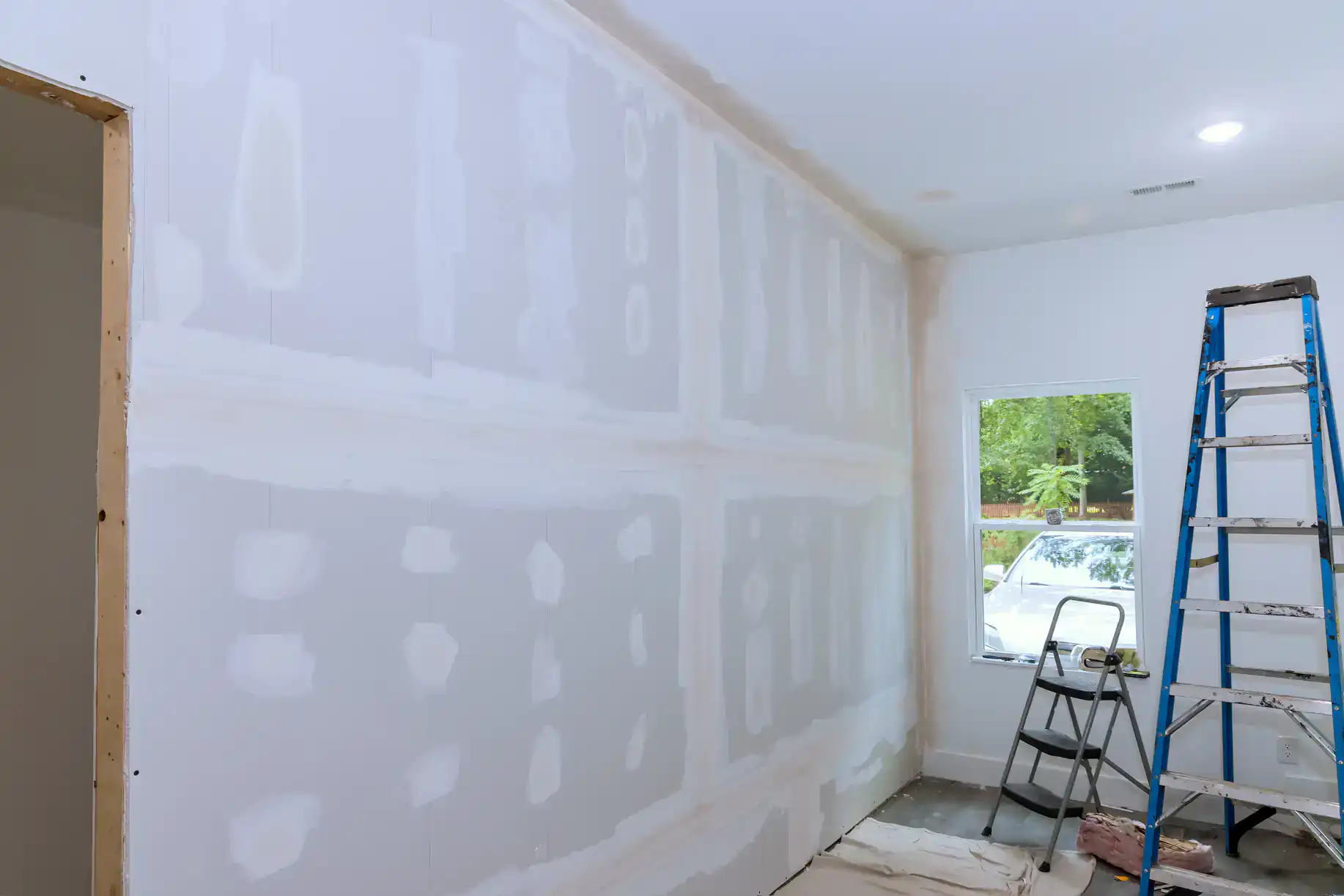
Taping comes next. We use the right tape for the job—paper tape for most seams, fiberglass mesh for repairs—and embed it properly so it doesn’t bubble or lift later. Then comes the mudding: multiple thin coats that get sanded between applications until the surface is completely level.
Most drywall finishing projects in Whitman, PA wrap up in one visit. Larger jobs or Level 5 finishes—the gold standard for luxury work—may take an additional day. Either way, we’re not bouncing between job sites and leaving yours half-done. When we leave, the cleanup is done too. No dust on your floors, no mud on your trim.
Ready to get started?
You’re getting professional drywall finishing services that cover taping, mudding, sanding, and texture matching if you’re blending a repair into existing walls. We don’t cut corners on prep, and we don’t rush the drying time between coats just to finish faster.
Whitman homeowners deal with a mix of construction styles—some newer builds, plenty of older homes with quirks that need attention. If you’re patching over plaster or fixing cracks that keep coming back, we address the underlying issue, not just the visible damage. That might mean reinforcing the area or using flexible compound in spots that move with temperature changes.
Every job includes complete cleanup. We’re not leaving you with drywall dust coating your furniture or dried mud stuck to your baseboards. And if you’re preparing walls for paint or wallpaper, we make sure the surface is smooth enough that your finish coat looks the way it should—no lines, no shadows, no texture you didn’t ask for.
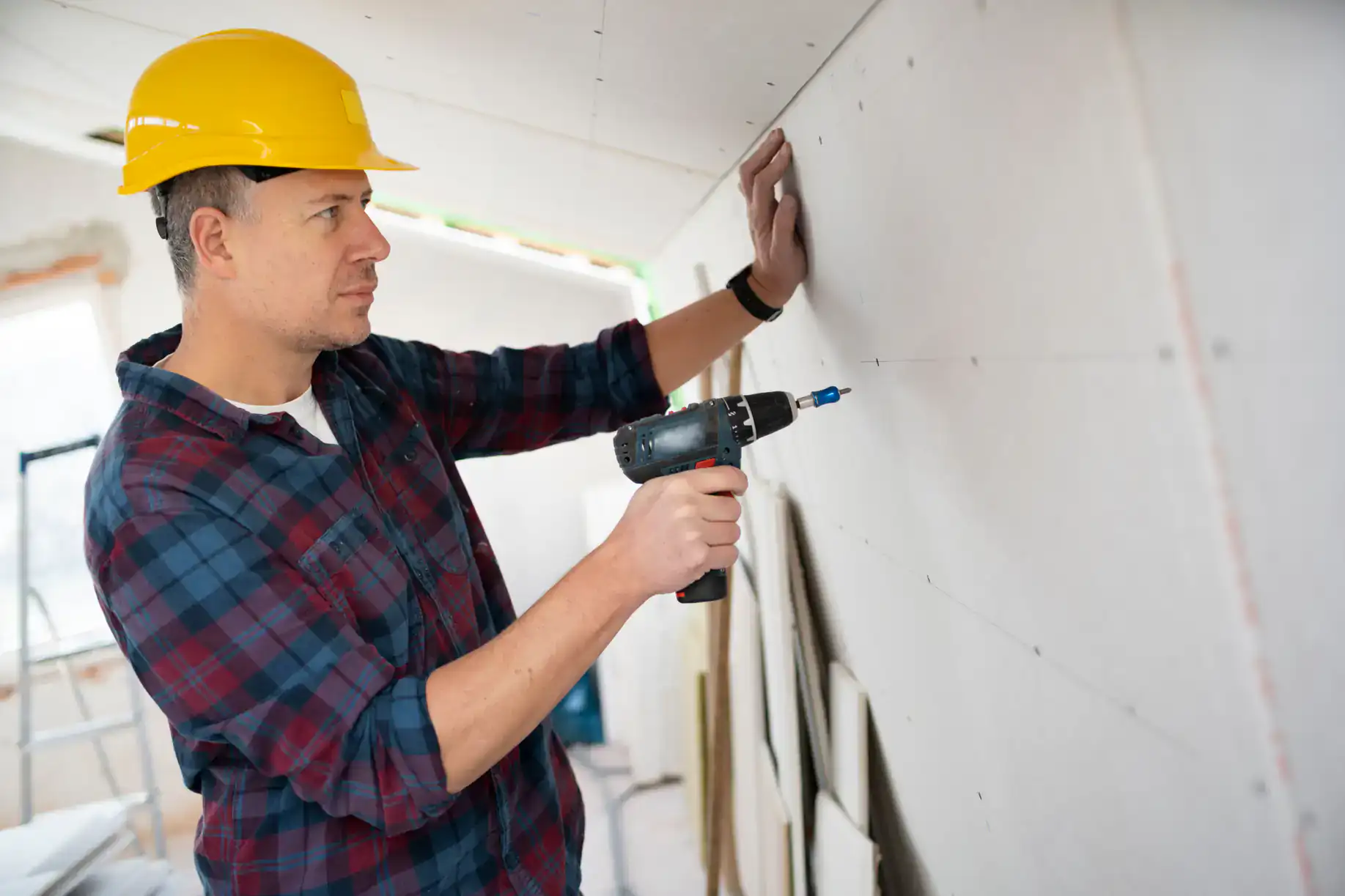
Most drywall finishing work gets done in one visit. Small repairs—patching a hole, fixing a cracked seam—usually take a few hours once the compound dries. Larger projects, like finishing an entire room after new drywall installation, might take a full day or two depending on how many coats are needed.
The timeline depends on the level of finish you’re going for. A standard Level 4 finish, which is what most homes get, involves three coats of joint compound with sanding in between. Level 5 finishes—used when you’re applying flat paint or need a completely flawless surface—add an extra skim coat and more detailed sanding, so that adds time.
We don’t rush the drying process. Wet mud that gets sanded too early just gums up the paper and creates more work. You’ll get a realistic timeline upfront, and we stick to it.
Level 4 is the standard finish for most residential projects. Seams are taped, mudded, and sanded smooth, and the surface is ready for texture or paint. You won’t see ridges or lines under normal lighting, and it’s perfectly fine for walls that will have eggshell or satin paint.
Level 5 takes it further. We apply a thin skim coat over the entire surface—not just the seams—and sand it to create a completely uniform texture. This is what you want if you’re using flat paint, which shows every imperfection, or if you’re going for a high-end look where the walls need to be flawless under any lighting condition.
Most Whitman homeowners go with Level 4 unless they’re doing a renovation where the walls are a focal point or they’re matching the finish quality in a luxury home. Level 5 costs more and takes longer, but if your walls are going to be under scrutiny, it’s worth it.
Yes, and it’s one of the trickier parts of repair work. If you’re patching a section of wall that has knockdown, orange peel, or another texture, the repair needs to blend in so you can’t tell where the old wall ends and the new patch begins.
We start by getting the surface smooth and level with the surrounding area. Then we match the texture using the same application method—spray, trowel, or roller—and feather the edges so there’s no hard line. Once it’s painted, the repair should disappear.
Older homes in Whitman sometimes have hand-troweled plaster texture that’s harder to replicate perfectly, but we get it close enough that you won’t notice it unless you’re looking for it. If the existing texture is inconsistent or damaged in other areas, sometimes the better move is to refinish the whole wall so everything matches.
Seams crack when there’s movement in the wall or when the taping wasn’t done right in the first place. Houses settle, temperature changes cause wood framing to expand and contract, and if the joint compound is too thick or the tape isn’t embedded properly, it can’t flex with that movement.
We prevent it by using the right tape for the situation. Paper tape is stronger and less likely to crack on flat seams. Fiberglass mesh tape works better for repairs where there’s already movement or for inside corners that see stress. We also make sure the first coat fully embeds the tape—no air pockets, no gaps—so it bonds to the drywall.
In Whitman, where older homes shift more than new construction, we sometimes use flexible joint compound in areas that are prone to cracking. It costs a little more but it moves with the wall instead of fighting it. If a seam has cracked before, we’ll reinforce it so you’re not dealing with the same problem a year from now.
Yes, complete cleanup is part of every job. Drywall finishing creates dust—lots of it—especially during sanding. We contain as much as possible while we’re working, but there’s always some that escapes. Before we leave, we vacuum the floors, wipe down surfaces, and make sure there’s no dried compound on your trim or baseboards.
You shouldn’t have to spend your evening cleaning up after us. Some contractors treat cleanup like an optional step or something they’ll “get to” if there’s time. We don’t. It’s part of the job, and it’s built into the price you’re quoted upfront.
If we’re working in an occupied home, we also take care to protect your floors and furniture. Drop cloths go down before we start, and we’re not tracking mud through your house to get to the work area. You’re already dealing with the disruption of having contractors in your space—we’re not adding to it by leaving a mess behind.
Drywall finishing costs depend on the scope of the work, the level of finish, and whether it’s new installation or repair. Small patches typically run $150 to $300. Finishing a full room after new drywall installation usually falls between $400 and $800 for a standard Level 4 finish. Level 5 finishes cost more—sometimes $5 or more per square foot—because of the extra labor and materials.
We give you a fixed price upfront based on what the job actually requires. That price doesn’t change once we start working unless you ask us to do something different. No surprise fees for extra coats, no upcharges because the repair took longer than expected.
If you’ve gotten wildly different estimates from other contractors, it’s usually because they’re quoting different levels of finish or they’re not including prep and cleanup. We break down what’s included so you know exactly what you’re paying for. You’re not getting the cheapest option in Whitman—you’re getting the one that doesn’t need to be redone in six months.
Other Services we provide in Whitman