You’re not looking for the cheapest bid. You’re looking for someone who won’t leave visible seams, won’t ghost you mid-project, and won’t make you hire a painter afterward because we only do drywall.
Most drywall finishing in Old City, PA requires more than standard techniques. Your home wasn’t built with sheetrock. It has plaster walls, horsehair, calcimine ceilings, layers of old paint that react differently to modern compounds. Tying new drywall into those surfaces without visible lines or texture mismatches takes experience you can’t fake.
We’ve spent over a decade working on Philadelphia homes. We know how to prep old surfaces, match existing textures, and finish the job completely—including paint. Most patches get done the same day using quick-setting compound. You’re not waiting weeks for a small repair, and you’re not managing multiple contractors to get one wall fixed.
Sharpe Drywall specializes in drywall installation and finishing for Old City, PA homes and commercial properties. We’re licensed, insured, and we’ve worked on enough historic Philadelphia buildings to know what actually works when you’re dealing with construction that predates modern materials by a century.
Old City properties come with complications most drywall contractors don’t understand. Water damage from old pipes. Settling that creates cracks every few years. Plaster that crumbles when you try to patch it with standard methods. We handle those situations regularly, not occasionally.
You’ll work directly with experienced professionals who show up on time, communicate clearly about what needs to happen, and clean up completely when the job’s done.
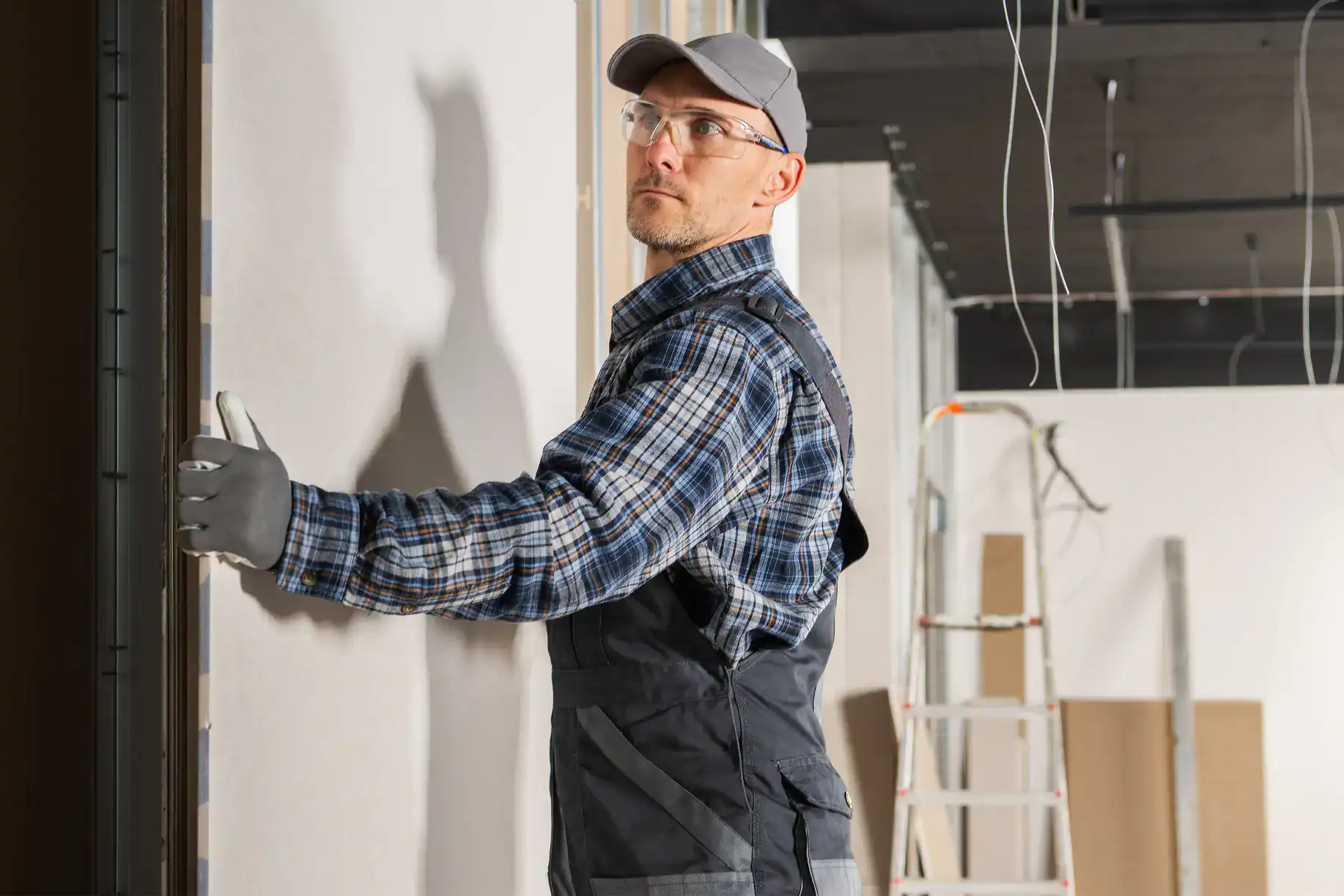
First, we assess what you’re dealing with. Is it a simple patch, water damage that needs remediation first, or a full wall installation? We look at the existing surface—plaster, drywall, texture type—so we know exactly how to match it.
Next comes prep. We protect your floors and furniture, remove damaged material if needed, and make sure the area is clean and dry. For water damage, we verify the source is fixed before we start. There’s no point finishing drywall if the leak’s still active.
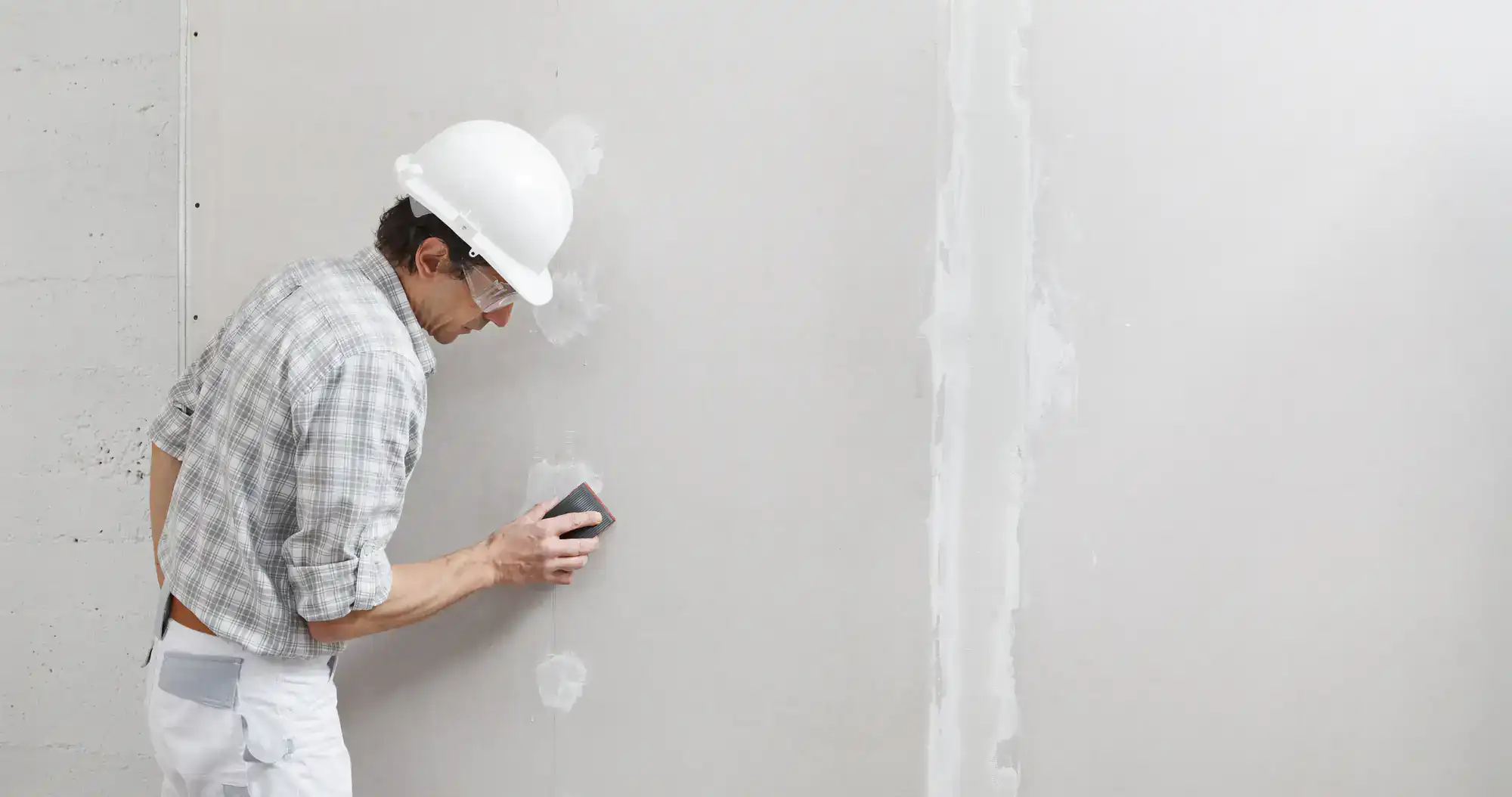
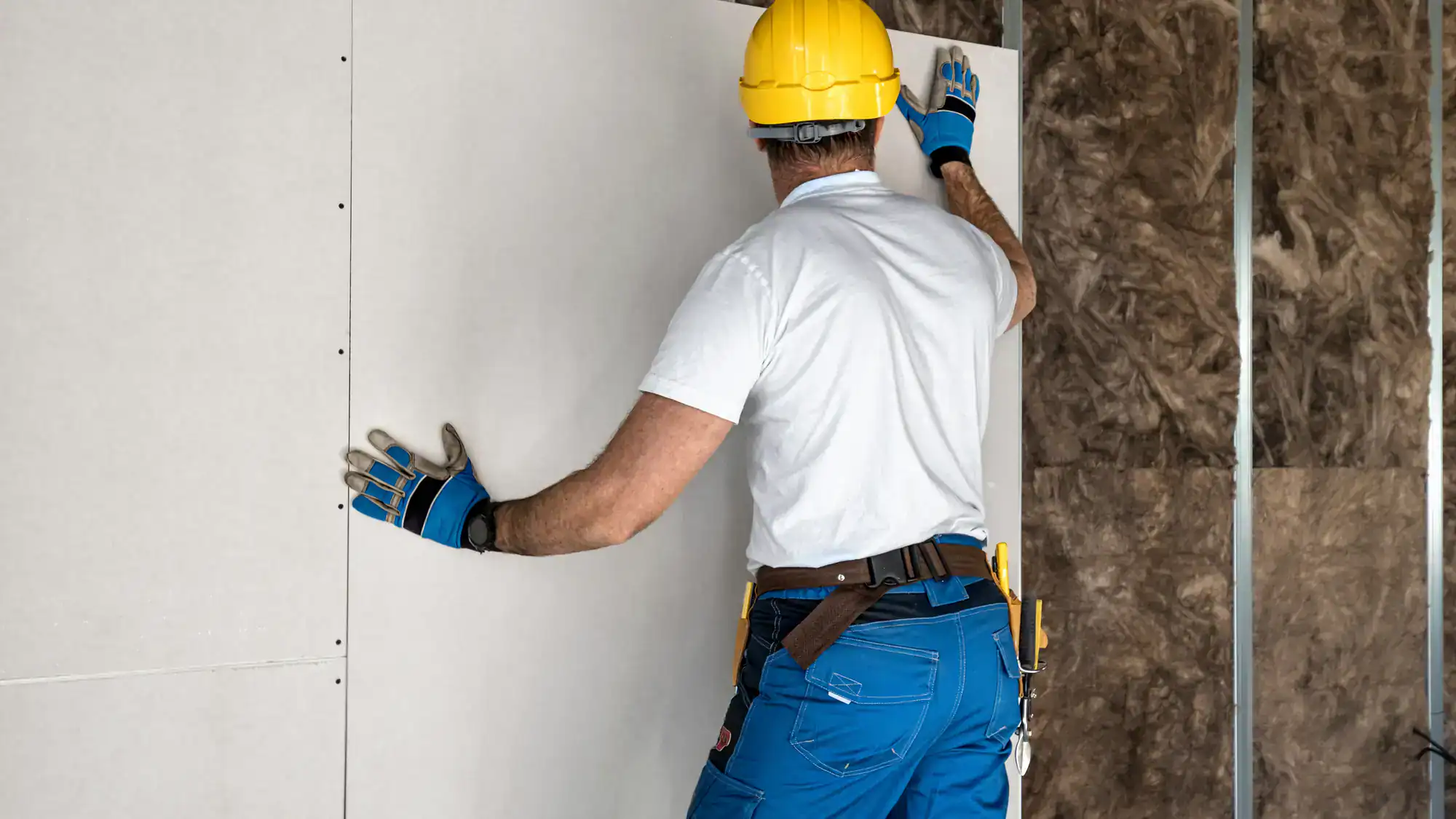
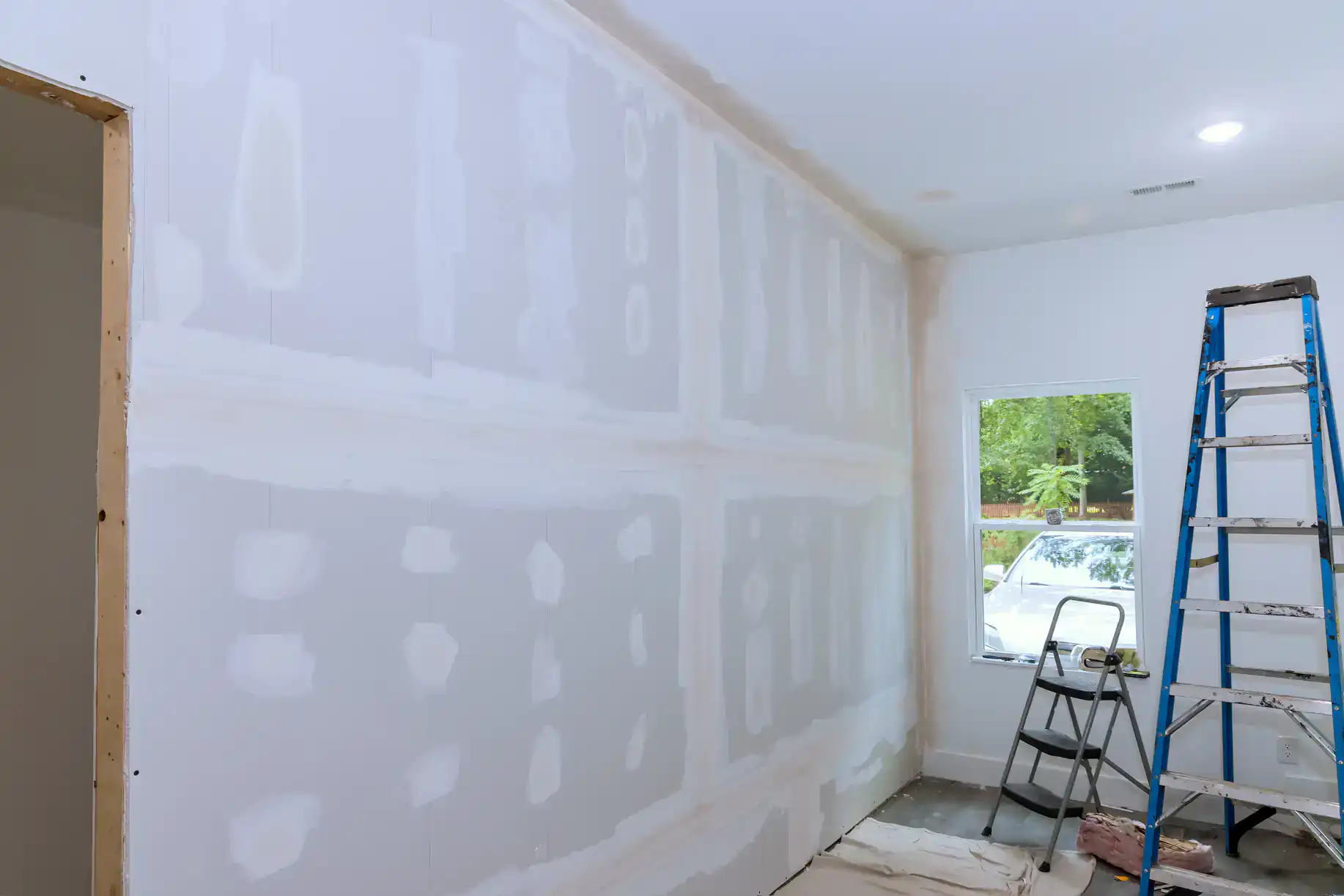
Then we install, tape, and mud. We use the right compounds for your specific situation—quick-setting for fast repairs, standard for larger projects. Multiple coats get applied and sanded smooth. Texture matching happens here, whether it’s orange peel, knockdown, or smooth finish.
Finally, we prime and paint. You’re not left with a white patch on a colored wall. The repair blends completely, and you don’t need to schedule another contractor. We clean up, haul away debris, and the job’s complete.
Ready to get started?
Professional drywall contractors in Old City, PA handle more than just hanging sheets and calling it done. You get complete finishing—taping all seams, applying multiple coats of joint compound, sanding smooth, and matching whatever texture currently exists on your walls or ceilings.
Historic Old City homes often need specialized approaches. We work with different plaster types, understand how calcimine affects adhesion, and know which primers prevent old oil-based paint from bleeding through new finishes. These aren’t minor details—they’re the difference between a repair that lasts and one that fails in six months.
Water damage repairs include assessment of the affected area, removal of compromised material, verification that moisture sources are resolved, and proper drying before new drywall gets installed. Philadelphia’s older buildings deal with water issues regularly—roof leaks, pipe failures, condensation problems. Rushing the repair before everything’s dry just means you’re doing it twice.
Commercial projects get the same attention to detail. We coordinate with your timeline, work around business hours when needed, and maintain job site cleanliness. Whether it’s retail space in a historic building or office renovations, the process stays professional and the results look clean.
Texture matching starts with identifying what you currently have. Old City homes might have smooth plaster, light orange peel, or heavier hand-troweled textures. We look at the existing surface under good lighting and test our approach in an inconspicuous area first.
For smooth plaster walls, we use setting-type compound that hardens chemically rather than just drying. This prevents shrinkage and cracking that standard mud causes when applied thick. Multiple thin coats get sanded progressively finer until the surface feels glass-smooth.
Textured finishes require matching both the pattern and the depth. We use the same tools and techniques that created the original texture—whether that’s a specific roller, trowel work, or spray application. The new section gets blended into the existing texture at the edges so there’s no visible line where old meets new. After priming and painting, you shouldn’t be able to tell where the repair happened.
Yes, for typical patches and smaller repairs. We use quick-setting joint compound that hardens in 20-90 minutes depending on which formula the job requires. This lets us apply multiple coats in one visit instead of spreading the work over several days.
Same-day completion works for holes up to a few square feet, crack repairs, and corner damage. We install the patch, tape and mud it with quick-set compound, sand it smooth, apply texture if needed, prime, and paint. You’re looking at 4-6 hours total for most residential repairs, and the wall’s ready to use immediately.
Larger projects—full wall installations, extensive water damage, or commercial work—take longer. A full room might need 2-3 days to complete properly. We’re not rushing steps that need time. But for the common repairs Old City homeowners face, same-day service is standard, not a special accommodation.
Most Old City properties were built between the 1700s and early 1900s, long before drywall existed. Your walls are likely plaster over wood lath, sometimes multiple layers applied over decades. That construction behaves completely differently than modern drywall.
Old plaster is harder and more brittle than drywall. It doesn’t flex, so it cracks when buildings settle. The surface might have calcimine paint, which is water-based and powdery, or old oil-based paints that prevent modern primers from adhering properly. If we don’t prep these surfaces correctly, new compound won’t stick, or it’ll pull away as it dries.
Historic homes also have irregular wall planes. Nothing’s perfectly flat or square. Trying to install modern drywall against those surfaces requires shimming, scribing, and custom fitting. The compound work needs to gradually transition between different planes without creating visible ridges. This takes significantly more skill than standard new construction drywall finishing, where everything’s straight and level from the start.
Not with us. We handle the complete finish, including priming and painting the repaired area to match your existing wall color. Most drywall companies stop after sanding, which leaves you coordinating another contractor or doing the painting yourself.
We prime all new drywall and compound with the appropriate primer for your situation. If there’s water staining, we use stain-blocking primer. If the existing paint is oil-based, we use a bonding primer. Then we paint the repair to blend with your current color.
For exact color matching, you can provide the paint, or we’ll color-match a sample. We feather the new paint into the surrounding area so there’s no visible edge. On larger projects where we’re finishing entire rooms, we paint everything for a uniform appearance. You get one contractor, one timeline, and a completely finished result.
Small repairs typically start around $200-400 for patches under a square foot, including finishing and paint. Larger holes, multiple repairs, or water damage that requires more extensive work runs higher—anywhere from $500 to several thousand depending on the scope.
Hourly rates for drywall work in Philadelphia generally run $50-75 per hour, but most contractors quote by the job, not the hour. Your total cost depends on the damage size, how many areas need work, whether there’s water remediation involved, ceiling height, and how complex the texture matching is.
Historic home repairs often cost more than standard drywall work because they take more time and skill. We’re not just filling a hole—we’re integrating modern materials with century-old construction. That said, we price fairly for the Philadelphia market. You’re paying for experience that prevents callbacks and redos, not premium rates because your building’s old. Get a specific quote based on your actual situation rather than relying on averages.
Stop the water source first. If it’s an active leak, get a plumber involved immediately. Continuing to repair drywall while water’s still entering accomplishes nothing—you’ll just be fixing the same spot repeatedly.
Once the source is stopped, assess the damage extent. Drywall that’s been wet for more than 48 hours usually needs replacement, not just drying. Mold starts growing quickly in damp conditions, especially in Philadelphia’s humid climate. Soft, sagging, or discolored drywall should be removed and replaced.
Call us for an assessment before you start tearing into walls. Sometimes damage looks worse than it is, and sometimes it’s more extensive than visible staining suggests. We’ll check the affected area, verify everything’s dry, look for mold, and determine what actually needs replacement versus what can be salvaged. Water damage repair done wrong creates bigger problems—mold growth, structural issues, and recurring damage. Get it evaluated properly the first time.
Other Services we provide in Old City