
You get walls ready for paint without visible seams, patches, or texture mismatches. That’s what matters when you’re living in a 100-year-old Fishtown rowhouse where nothing is square and every repair shows if it’s done wrong.
Most drywall problems you’re dealing with aren’t about the drywall itself. They’re about finishing work that was rushed, skipped, or done by someone who didn’t know how to match existing textures. You end up repainting twice, or living with obvious patches that catch the light wrong.
Proper drywall finishing services in Fishtown, PA mean your walls are smooth where they should be smooth, textured where they need to match, and ready for whatever paint or finish you’re planning. You’re not dealing with callbacks or touch-ups six months later because the seams are cracking or the mud is shrinking.
We’ve been handling drywall installation and finishing in Philadelphia, Montgomery, and Bucks counties for over ten years. Most of that work happens in older homes where standard techniques don’t cut it.
Fishtown properties built between 1875 and 1925 come with plaster walls, uneven framing, and textures you can’t just buy in a bucket. You need someone who knows how to work with what’s already there, not just cover it up and hope it holds.
We’re licensed, insured, and local. That matters because our reputation lives in the neighborhoods we work in. If the job isn’t right, we hear about it from people we know.
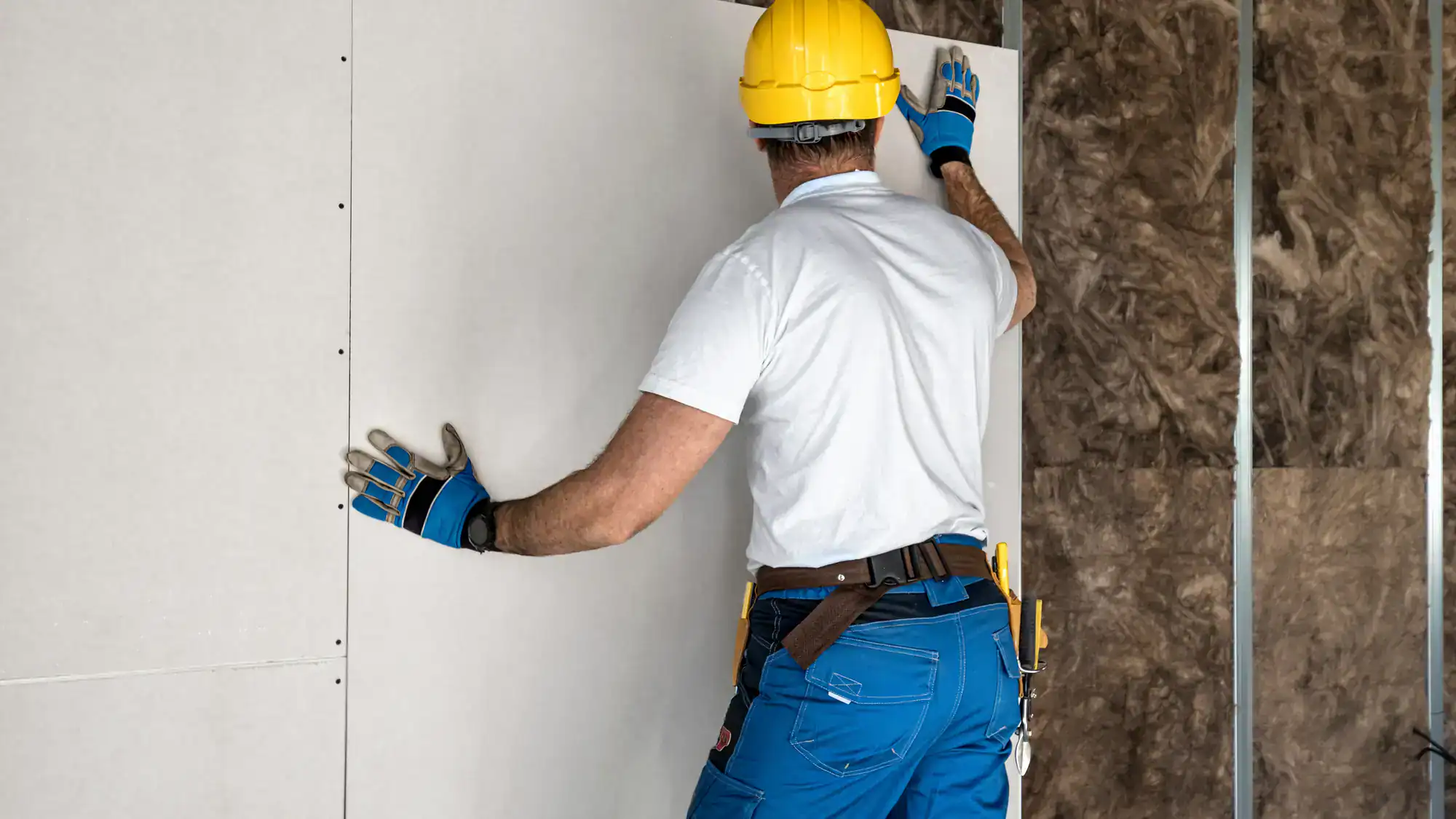
First, we assess what you’re working with. If it’s a repair, we’re looking at the existing texture, the condition of surrounding areas, and whether we’re matching plaster or previous drywall work. If it’s new installation, we’re checking framing, measuring for material, and confirming what finish level you need.
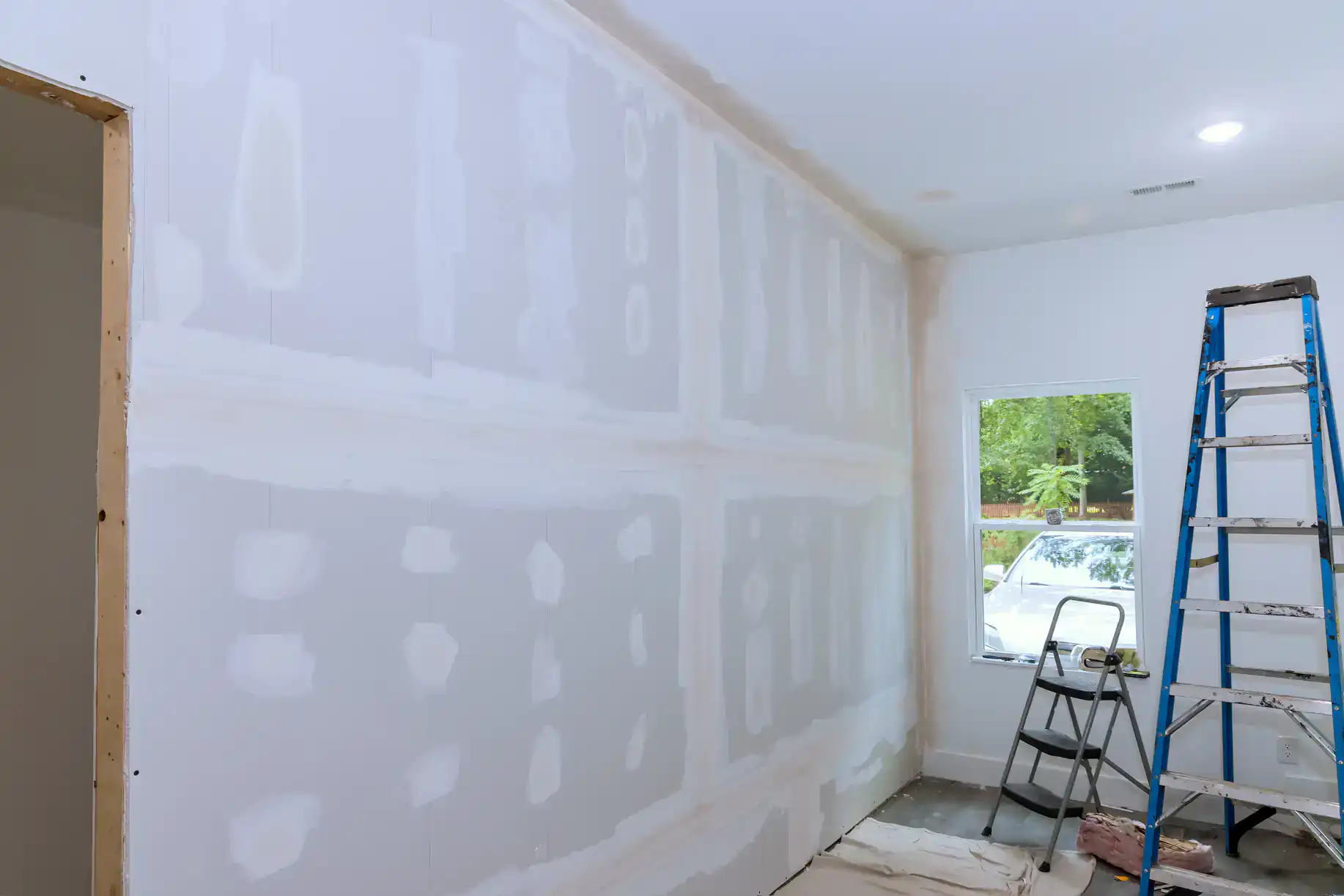
Then comes taping and mudding. This isn’t one coat and done. Joints get taped with the right compound, feathered out properly, and given time to dry. Each coat gets wider and thinner than the last. That’s how you avoid visible seams and ridges that show up after paint.
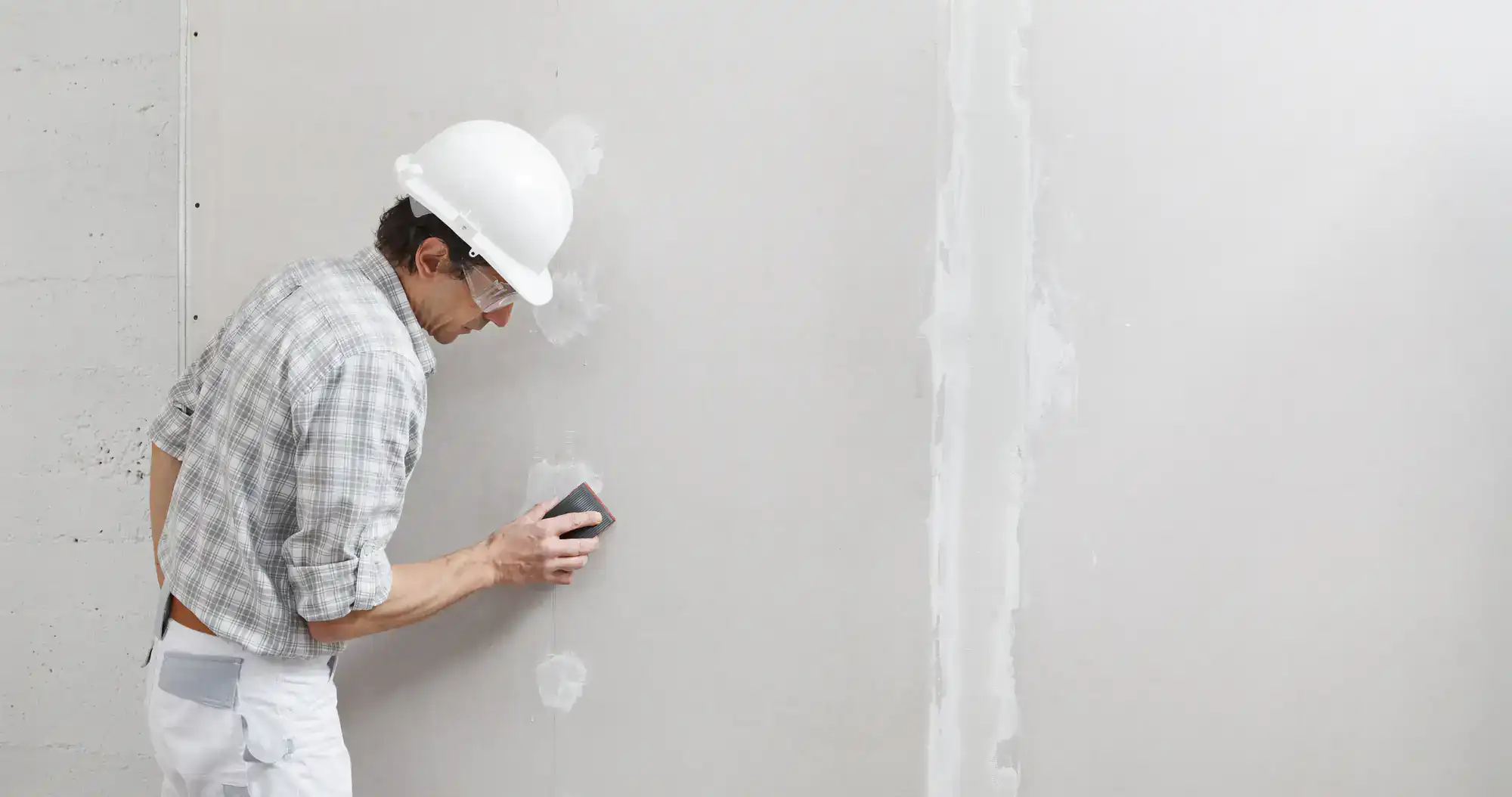
For texture matching, we test samples on scrap or inconspicuous areas first. Whether it’s knockdown, orange peel, skip trowel, or smooth, we’re replicating what’s already on your walls so repairs disappear. Final sanding is done carefully—enough to smooth imperfections, not so much that we create dust storms or damage surrounding surfaces.
Most jobs finish in one day. Larger projects might take two or three, depending on drying time and the number of coats required. We use dust containment methods and clean up completely before we leave.
Ready to get started?
You’re getting professional drywall contractors in Fishtown, PA who show up on time, work clean, and finish the job properly. That includes all materials—drywall, joint compound, tape, corner bead, and any specialty products needed for your specific situation.
For historic Fishtown homes, that often means mold-resistant drywall in areas prone to moisture, premium compounds that don’t shrink or crack, and the tools to replicate older textures that most crews don’t bother with. We’re handling everything from small patches to full room installations.
Level 4 finishing is standard for most walls that will be painted. Level 5 is what you need if you’re using flat paint, have critical lighting, or want a completely smooth surface with no imperfections visible. We’ll tell you which one makes sense for your space and budget.
Cleanup is part of the job, not an extra. No mud left on floors, no dust coating your furniture, no debris sitting in your hallway. We contain the work area, protect your belongings, and leave the space ready for the next step—whether that’s paint, wallpaper, or just moving your furniture back.
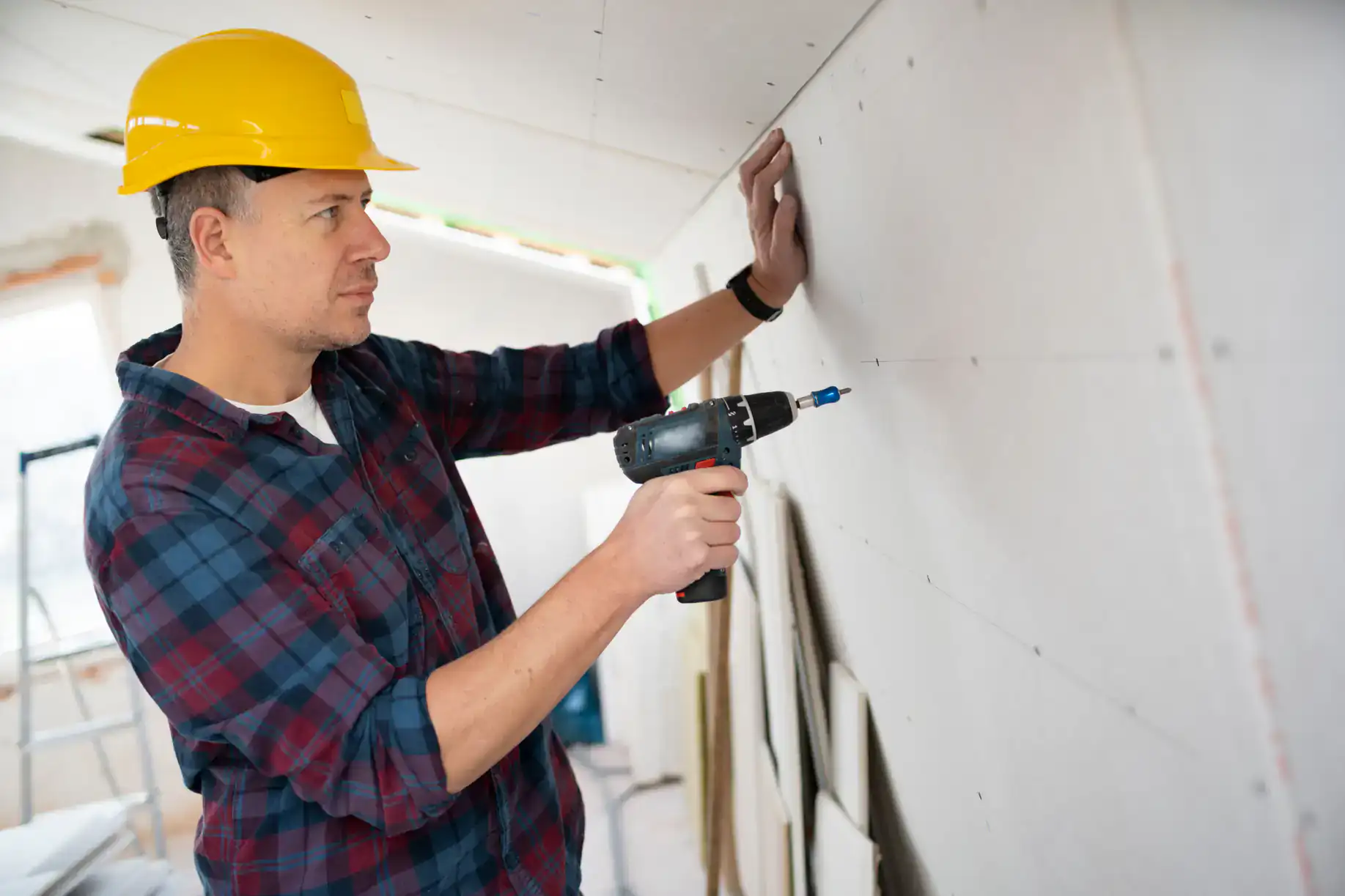
Matching texture on walls built 80 to 150 years ago takes more than guessing. Most older Fishtown homes have either original plaster with hand-troweled textures or previous repairs done with techniques that aren’t standard anymore.
We start by identifying what’s actually on your walls. Plaster has a different feel and pattern than drywall, and the texture might be skip trowel, knockdown, or something custom that was popular in that era. We test our mix and application method on scrap pieces or hidden areas first—usually a closet or behind where furniture sits.
The goal is to blend repairs so completely that you can’t tell where old ends and new begins, even in direct light. That means adjusting compound consistency, matching the pressure and pattern of the original application, and sometimes using tools that aren’t common on job sites anymore. It’s not fast, but it’s the only way to make repairs invisible in homes where the walls have this much character and age.
Level 4 finishing means all joints and fasteners are covered with joint compound, properly taped, and finished smooth enough that they won’t show through most paints under normal lighting. This is the standard for walls and ceilings in typical residential work. You’ll have a uniform surface that’s ready for textured or eggshell/satin paint.
Level 5 adds a skim coat over the entire surface—not just the seams. This creates a completely uniform finish with no variation in texture or absorption. You need this if you’re using flat paint, if your room has harsh lighting that hits walls at severe angles, or if you want a glass-smooth modern look.
Most Fishtown homeowners don’t need Level 5 unless they’re doing high-end finishes or have specific lighting situations that will highlight every imperfection. We’ll walk through your space and lighting and tell you honestly whether the extra cost makes sense. Level 4 done right looks excellent in most homes, especially older properties where some texture and character is expected.
Most drywall finishing in Fishtown, PA takes one day for standard repairs and small to medium projects. Larger jobs—like finishing an entire room or multiple rooms—might take two to three days depending on how many coats are needed and drying time between applications.
Each coat of joint compound needs to dry completely before the next one goes on. Rushing this causes cracking, shrinking, and adhesion problems that show up later. In humid weather or basements with limited airflow, drying takes longer. We don’t move to the next step until the previous coat is actually ready.
After final sanding and cleanup, you should wait at least 24 hours before priming. Joint compound needs to cure fully or it can cause issues with paint adhesion and finish appearance. If we’re doing Level 5 finishing with a skim coat, add another day. Your walls need to be completely dry and stable before paint goes on, or you’ll see problems within weeks.
It depends on how far the damage goes. Surface stains and minor bubbling can sometimes be repaired if the drywall itself is still solid and the moisture source is fixed. But if the drywall is soft, crumbling, or shows mold growth, that section needs to be cut out and replaced.
Water damage in Fishtown rowhouses often comes from roof leaks, old plumbing, or moisture coming through exterior walls that need repointing. The drywall problem is just the visible part. If the source isn’t fixed first, any repair we do will fail again.
When we replace water-damaged sections, we’re cutting back to solid material, checking framing and insulation behind it, and installing mold-resistant drywall in areas prone to moisture. Then we finish and texture-match so the repair blends with surrounding walls. Trying to save damaged drywall usually costs more in the long run because you’re doing the job twice.
We handle both. Many Fishtown homes still have original plaster walls that are in decent shape but need repairs where cracks have formed, sections have failed, or previous patch jobs are falling apart.
Small plaster repairs can often be done with modern materials that bond to the existing plaster and match the texture. Larger failures—where plaster has separated from the lath or entire sections are damaged—sometimes make more sense to replace with drywall. We’ll tell you honestly which approach makes sense for your situation and budget.
When we’re replacing plaster with drywall, thickness matters. Old plaster walls are often thicker than standard half-inch drywall, so we need to account for that when installing new sections so everything sits flush. We’re also matching whatever texture was on the original plaster so the transition isn’t obvious. This kind of work is common in older Philadelphia properties, and it requires understanding how these homes were built.
Drywall work creates dust—that’s unavoidable. But the amount of dust you’re left dealing with depends entirely on how the crew manages containment and cleanup during and after the job.
We use plastic sheeting to seal off work areas from the rest of your home, especially important in rowhouses where dust travels easily between rooms and floors. Sanding is done with vacuum attachments when possible, and we’re not leaving piles of compound or drywall scraps sitting around while we work.
At the end of each day and especially at project completion, we’re sweeping, vacuuming, and wiping down surfaces in the work area. You shouldn’t be finding drywall mud on your floors, dust coating your furniture in other rooms, or debris left in your hallway. Clean work isn’t just professional—it’s part of respecting that you’re living in the space while we’re working in it.
Other Services we provide in Fishtown