
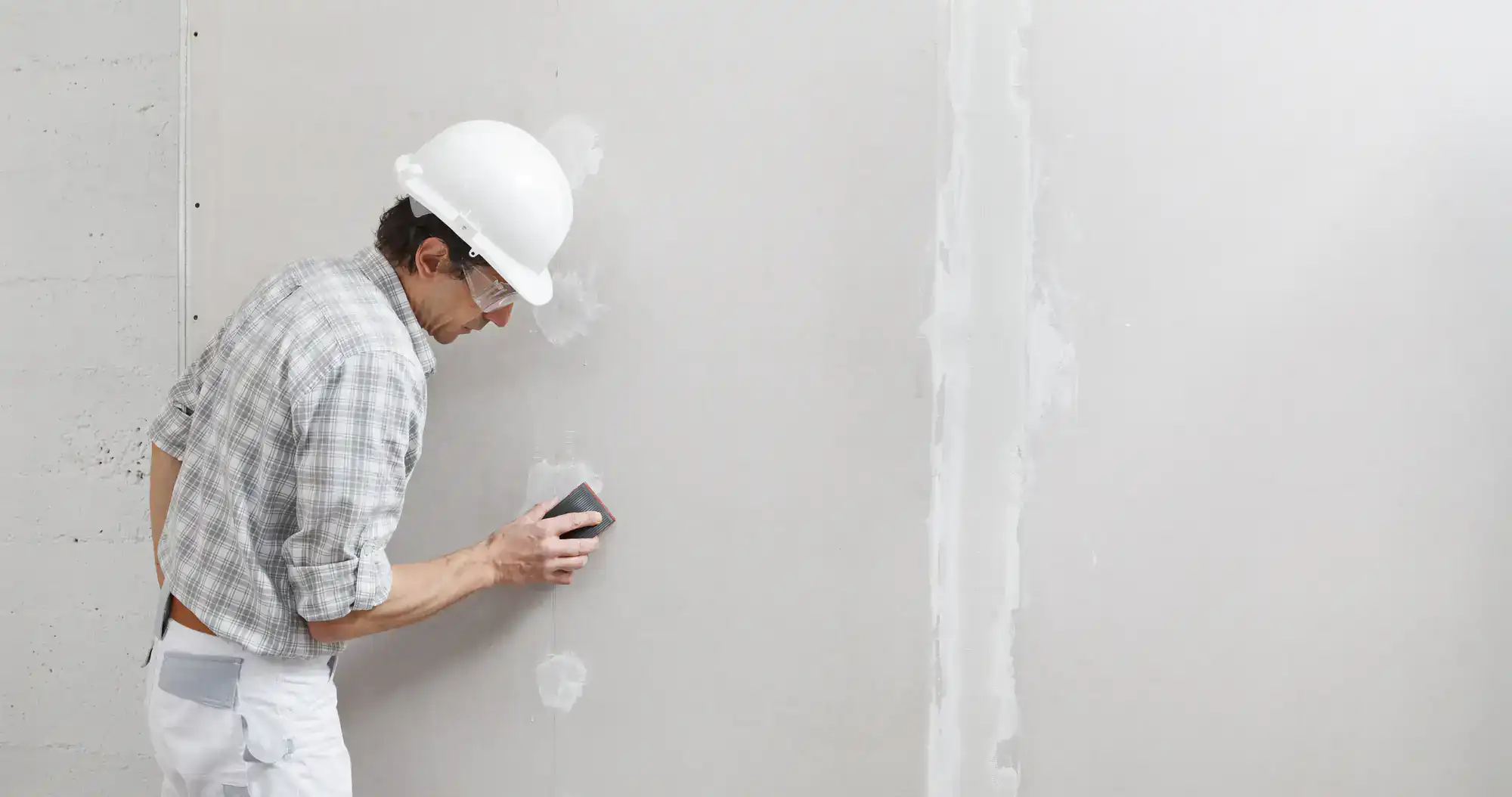
You get walls with zero visible seams. No ridges showing through your paint. No cracks appearing six months later because someone rushed the mudding process or skipped proper drying time between coats.
When drywall finishing is done correctly, you shouldn’t be able to tell where one sheet ends and another begins. Your walls should feel smooth to the touch, look flawless under any lighting, and stay that way for years.
That’s what proper taping and mudding delivers. It’s not just about covering joints—it’s about creating surfaces that hold up to Philadelphia’s humidity swings, seasonal temperature changes, and the normal settling that happens in homes built in 1940. Most homes in Cobbs Creek were built during that era, and they require contractors who understand how older construction behaves and what it takes to make repairs blend seamlessly with original plaster or previous drywall work.
You shouldn’t have to live with lumpy patches, visible tape lines, or repairs that look worse than the original damage. When finishing is handled by someone who knows what they’re doing, your walls become a non-issue—exactly what they should be.
We exist because too many homeowners in Cobbs Creek and throughout Philadelphia were getting burned by contractors who left messes, missed deadlines, and delivered work that didn’t hold up. We saw the same complaints over and over—visible seams, cracked corners, jobs abandoned halfway through.
We built this company to be the alternative. Every drywall finishing project gets treated the same way we’d handle our own homes: proper materials, clean installation, respect for your space and schedule. We’re fully licensed and insured, and we’ve been serving Montgomery, Bucks, and Philadelphia counties for over a decade.
When you’re dealing with classic Philadelphia rowhouses and brick architecture from the early 1900s, you need contractors who understand how these structures move and settle. We know how to match textures from previous renovations, work with both plaster and drywall, and deliver finishes that actually last in the local climate.
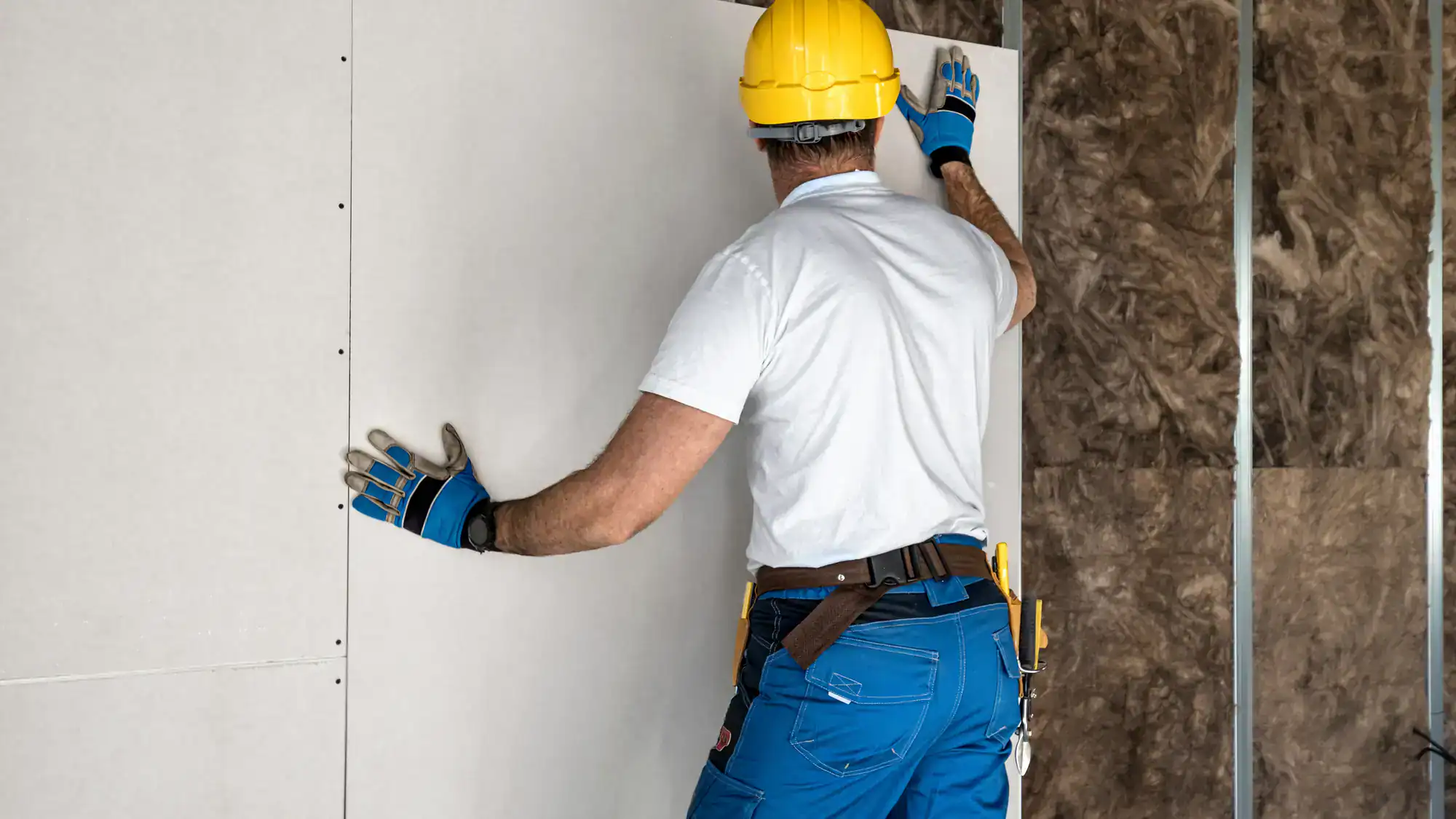
First, we assess what you’re working with. If it’s new drywall installation, we’re looking at the layout, measuring for materials, and confirming what level of finish you need based on lighting and paint plans. If it’s repair work, we’re checking for underlying issues—water damage, structural movement, or previous poor workmanship that needs correction before we can finish properly.
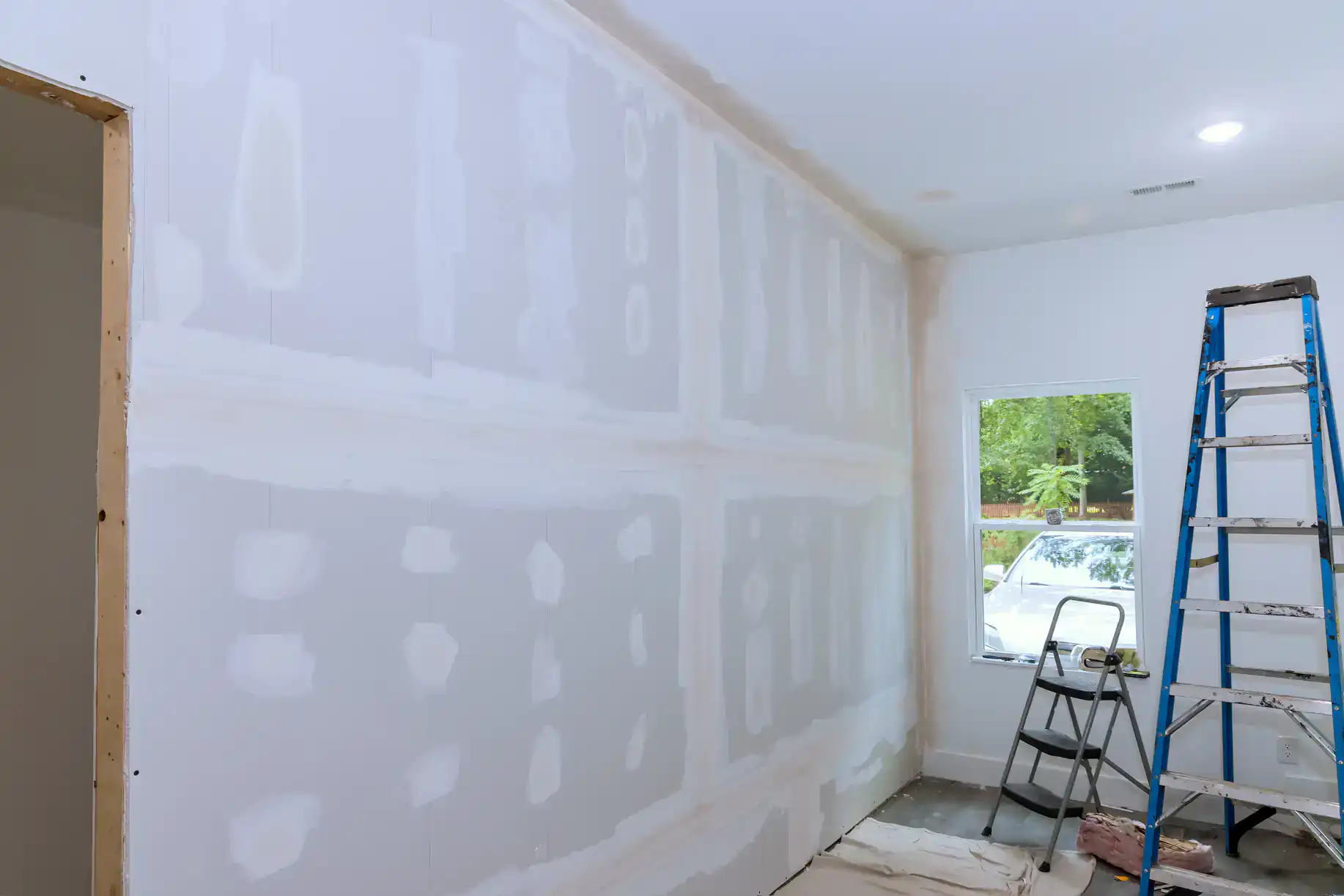
Next comes the actual taping and mudding. We apply joint compound in multiple thin coats rather than one thick layer, because that’s what prevents cracking and creates truly smooth surfaces. Each coat needs proper drying time—rushing this step is where most bad drywall work fails. We tape all seams with paper or mesh tape depending on the application, apply mud to all screw holes and joints, then sand between coats to eliminate any ridges or imperfections.
For texture matching, we use the right tools to recreate whatever pattern exists on your walls—knockdown, orange peel, skip trowel, or smooth. This is especially important in Cobbs Creek homes where you’re often matching work from decades ago.
Final step is complete cleanup. We’re talking about all dust vacuumed, all debris removed, and your space left ready for paint or immediate use. Most projects get completed in a single day, and you’re not left dealing with a mess after we’re gone.
Ready to get started?
You get multiple finish levels depending on your needs. Level 4 finishing is standard for most walls and ceilings—smooth enough that minor imperfections won’t show through flat or eggshell paint. Level 5 finishing adds a skim coat over the entire surface, creating a completely uniform texture that’s essential for high-gloss paints or areas with critical lighting like hallways and living rooms with large windows.
Texture matching is included when you’re repairing sections of existing walls. We bring professional spray equipment and hand tools to recreate patterns that other contractors struggle with. This matters in Cobbs Creek where many homes have had multiple renovations over the decades, creating a mix of plaster, drywall, and various texture styles.
All work includes proper corner beading, which prevents those frustrating cracks that appear at inside and outside corners when houses settle. We use mold-resistant drywall and compounds in areas prone to moisture—bathrooms, kitchens, and anywhere previous water damage occurred. Given that 44% of homes in Cobbs Creek are owner-occupied with a median value of $151,800, protecting your investment with quality materials matters.
Complete cleanup is standard, not an add-on. Drywall dust gets everywhere if not contained properly, and we’re not leaving you to deal with that. Every job includes thorough vacuuming and removal of all materials and debris.
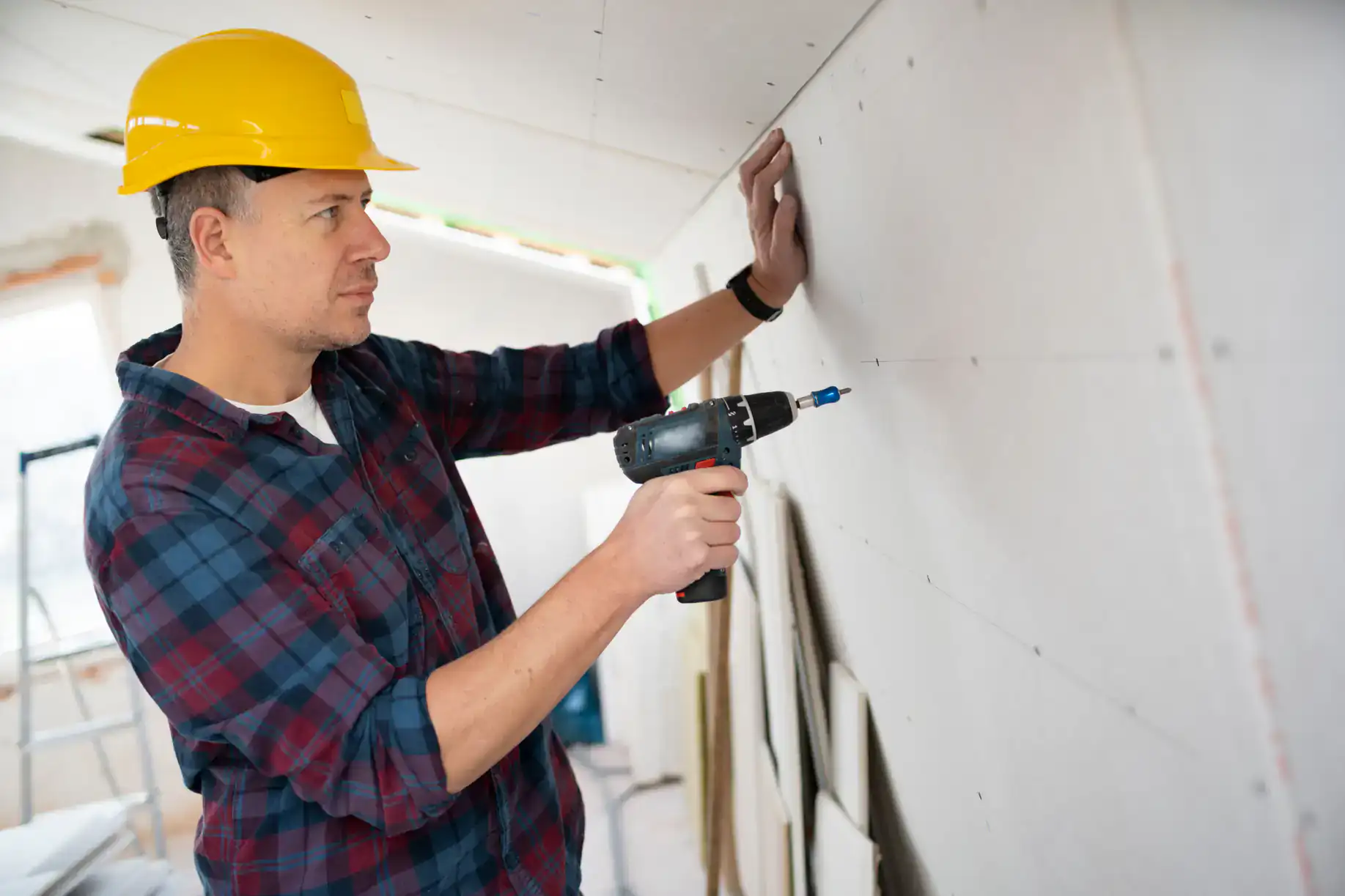
Most drywall finishing projects in Cobbs Creek get completed in one day, but that timeline depends on the scope and finish level you need. A single room with standard Level 4 finishing—taping, mudding, and sanding—typically takes 6-8 hours including drying time between coats.
Larger projects or Level 5 finishing that includes a full skim coat may require a second day. Each coat of joint compound needs adequate drying time before the next application, and rushing this process is what causes cracks and imperfections down the road. Philadelphia’s humidity levels affect drying times, especially in summer months.
If you’re dealing with extensive repairs, water damage remediation, or texture matching across multiple rooms, expect 2-3 days. We’ll give you an accurate timeline during the estimate based on your specific project, and that quoted timeline is what we stick to—no dragging jobs out or disappearing mid-project.
Level 4 finishing means all joints are taped, mudded with multiple coats, and sanded smooth. It’s the standard finish for most residential walls and works perfectly under flat, eggshell, or satin paints. You’ll have smooth walls with no visible seams or fastener marks under normal lighting conditions.
Level 5 finishing adds a thin skim coat of joint compound over the entire wall surface, not just the joints. This creates a completely uniform texture and is essential when you’re using high-gloss or semi-gloss paints, or when walls will be hit with harsh lighting—think large windows, track lighting, or rooms where light hits walls at severe angles.
In Cobbs Creek homes with original plaster walls, Level 5 finishing is often necessary when adding drywall during renovations to match the smooth texture of old plaster. It costs more because it requires additional material and labor, but if your lighting situation demands it, skipping Level 5 means every imperfection will show through your paint. Most homeowners need Level 4 for bedrooms and standard living spaces, but Level 5 for hallways, kitchens with lots of lighting, and feature walls.
Yes, texture matching is a standard part of repair work, and it’s something we handle regularly in Cobbs Creek where homes have been renovated multiple times over decades. Whether you have knockdown, orange peel, skip trowel, or smooth finishes, we bring the right tools to recreate those patterns so repairs blend invisibly with existing walls.
The process involves identifying exactly what texture you have, then using spray equipment or hand tools to replicate it. Knockdown texture gets sprayed on then lightly flattened with a trowel. Orange peel uses a specific spray pattern and pressure. Skip trowel is hand-applied with deliberate trowel marks. Each requires different techniques and experience to get right.
Where this gets tricky is in older Philadelphia homes that have layers of different textures from various renovation periods. Sometimes you’re matching plaster texture with drywall compound, or recreating a pattern that hasn’t been common for 30 years. That’s where experience matters—knowing how to mix compounds to the right consistency, which tools to use, and how to adjust technique until the repair disappears into the surrounding wall.
Professional drywall finishing in Cobbs Creek typically runs $1.50 to $3.50 per square foot depending on the finish level, ceiling height, and project complexity. A standard bedroom with Level 4 finishing usually falls in the $400-$800 range. Level 5 finishing costs more due to the additional skim coat and labor involved.
Repairs and patches cost differently—usually by the repair rather than square footage. Small hole repairs might run $150-$300 depending on size and texture matching requirements. Larger repairs involving multiple sheets of drywall, water damage remediation, or structural issues will cost more based on the scope of work needed.
What affects pricing most is the condition of existing walls, ceiling height (higher ceilings mean more labor and equipment), and whether texture matching is involved. Older Cobbs Creek homes with plaster walls, previous poor repairs, or multiple texture types require more time and skill to finish properly. We provide detailed upfront estimates that break down exactly what you’re paying for, and that price doesn’t change once work begins—no surprise fees or upcharges when we’re halfway through your project.
Yes, water damage is one of the most common reasons homeowners in Cobbs Creek need drywall finishing services. When water hits drywall—whether from roof leaks, plumbing failures, or flooding—the material can be compromised within hours, and mold starts growing within 24-48 hours if not addressed properly.
We assess the extent of damage first. Sometimes drywall can be dried and saved if water exposure was minimal and caught quickly. More often, affected sections need complete removal and replacement with mold-resistant drywall, especially in areas prone to future moisture like bathrooms, kitchens, and basements.
The process involves cutting out damaged sections, treating the framing and surrounding areas for mold, installing new moisture-resistant drywall, then finishing it to match your existing walls. Given the age of housing stock in Cobbs Creek—median year built is 1940—we often find that water damage has exposed underlying issues with old plumbing, roof deterioration, or inadequate ventilation that need addressing before drywall work begins. We’ll flag those issues during assessment so you can make informed decisions about repairs that actually solve the problem rather than just covering it up temporarily.
Recurring cracks usually mean one of three things: poor initial installation, normal house settling, or underlying structural issues. In Cobbs Creek where most homes were built in 1940, settling and seasonal movement are common culprits—houses shift slightly with temperature and humidity changes, and that movement shows up as cracks if drywall wasn’t installed with proper techniques.
Cracks at corners, along seams, or above doorways often indicate insufficient joint compound application, missing corner beads, or tape that wasn’t embedded properly during initial installation. These are installation problems that require proper repair—not just filling the crack with spackle, but re-taping and mudding the joint correctly so it can flex slightly without cracking again.
Larger cracks, especially diagonal ones or cracks that widen over time, can signal foundation issues, roof problems, or structural movement that needs professional assessment beyond drywall repair. We’ll identify which situation you’re dealing with during inspection. For normal settling cracks and poor installation repairs, proper taping and mudding techniques solve the problem permanently. For structural issues, we’ll recommend getting those addressed first—otherwise you’re just patching symptoms while the underlying problem continues causing damage.
Other Services we provide in Cobbs Creek