You’re dealing with walls that show every imperfection. Seams that catch the light wrong. Textures that don’t match. Paint that makes everything look worse instead of better.
Here’s what changes: walls that look flat and smooth under your kitchen pendants, your bathroom vanity lights, even that brutal afternoon sun through your front windows. No shadows along the seams. No ridges you can see from across the room. No wondering if you should’ve hired someone else.
The difference is in the finishing levels. Most residential work gets a Level 4 finish—that’s where joints are smooth, but you might catch a slight texture variation under harsh light or with glossy paint. For spaces where you need perfection—your main living areas, anywhere with direct lighting, rooms you’re painting with high-sheen finishes—Level 5 is what eliminates every trace of joint work. That’s a skim coat over the entire surface, not just the seams.
You get walls ready for whatever paint or lighting you choose. You’re not working around the drywall—the drywall works for you.
We’ve been handling drywall finishing in Brewerytown for years. We know what 100-year-old plaster looks like when it fails. We know how these attached homes settle and where cracks show up. We know you’re probably dealing with a mix of old plaster and newer drywall from past repairs.
Most of Brewerytown’s housing stock was built before 1939. That means plaster walls, weird framing, moisture issues, and repairs that need to blend with original finishes. We’ve worked in enough of these rowhouses to know what’s behind your walls before we open them up.
You’re not getting a crew that shows up, tapes some joints, and disappears. You’re getting people who understand how to prep surfaces in older homes, match existing textures, and handle the moisture and ventilation issues that come with attached housing in Philadelphia.
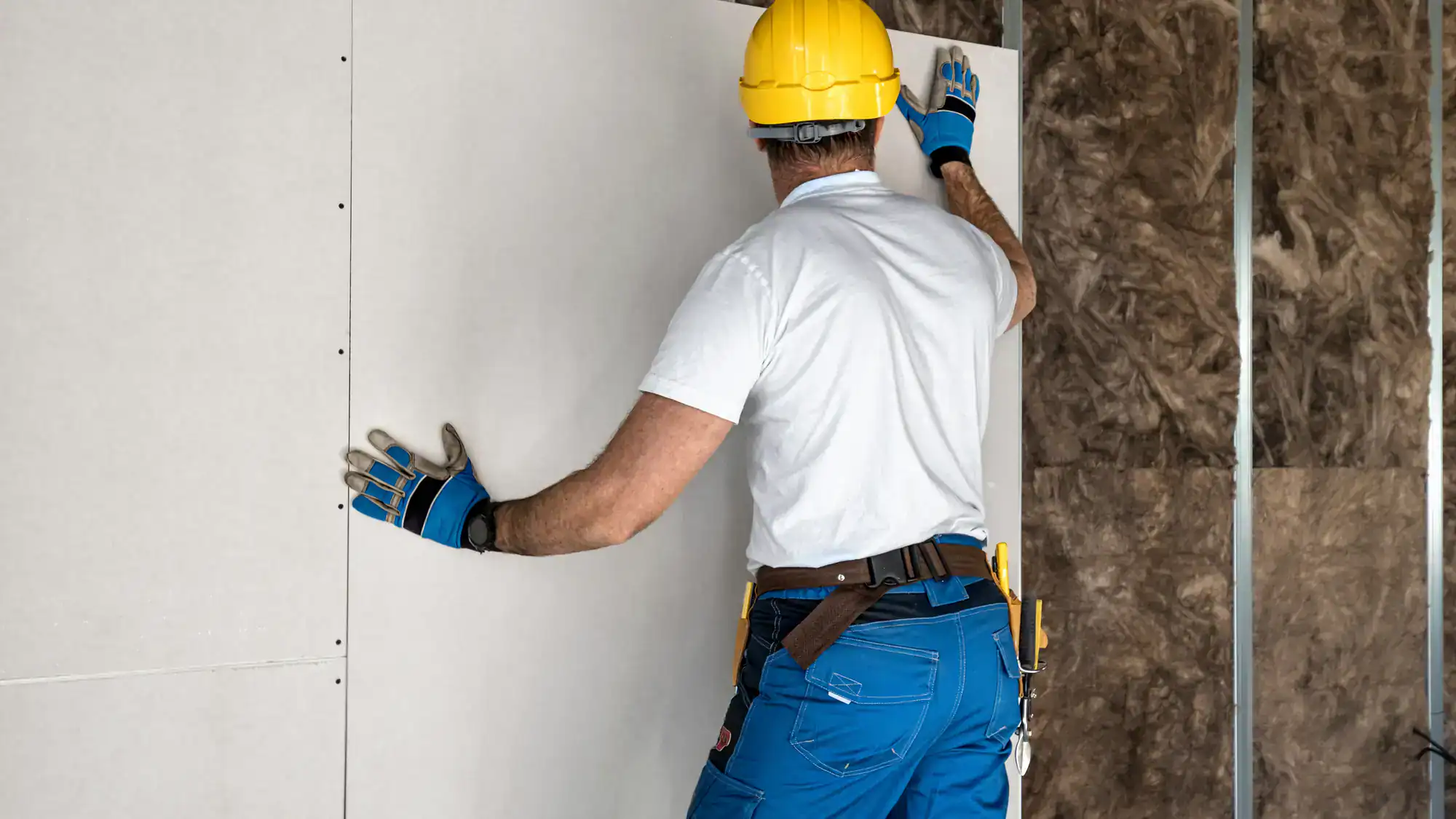
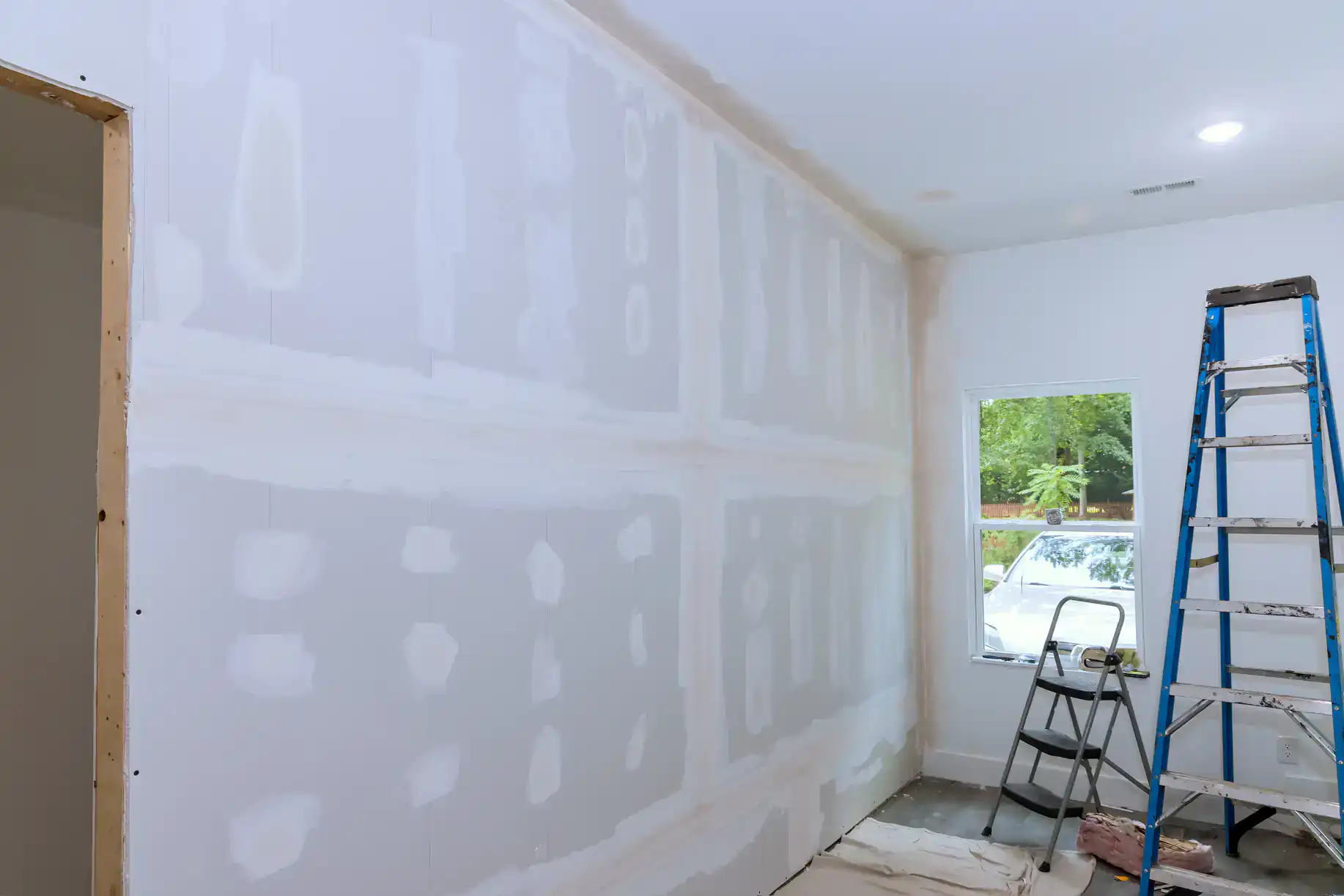
First pass is taping. We embed paper or mesh tape into the joint compound along every seam and corner. This is what keeps cracks from reappearing when your house settles—and in Brewerytown, your house is always settling a little.
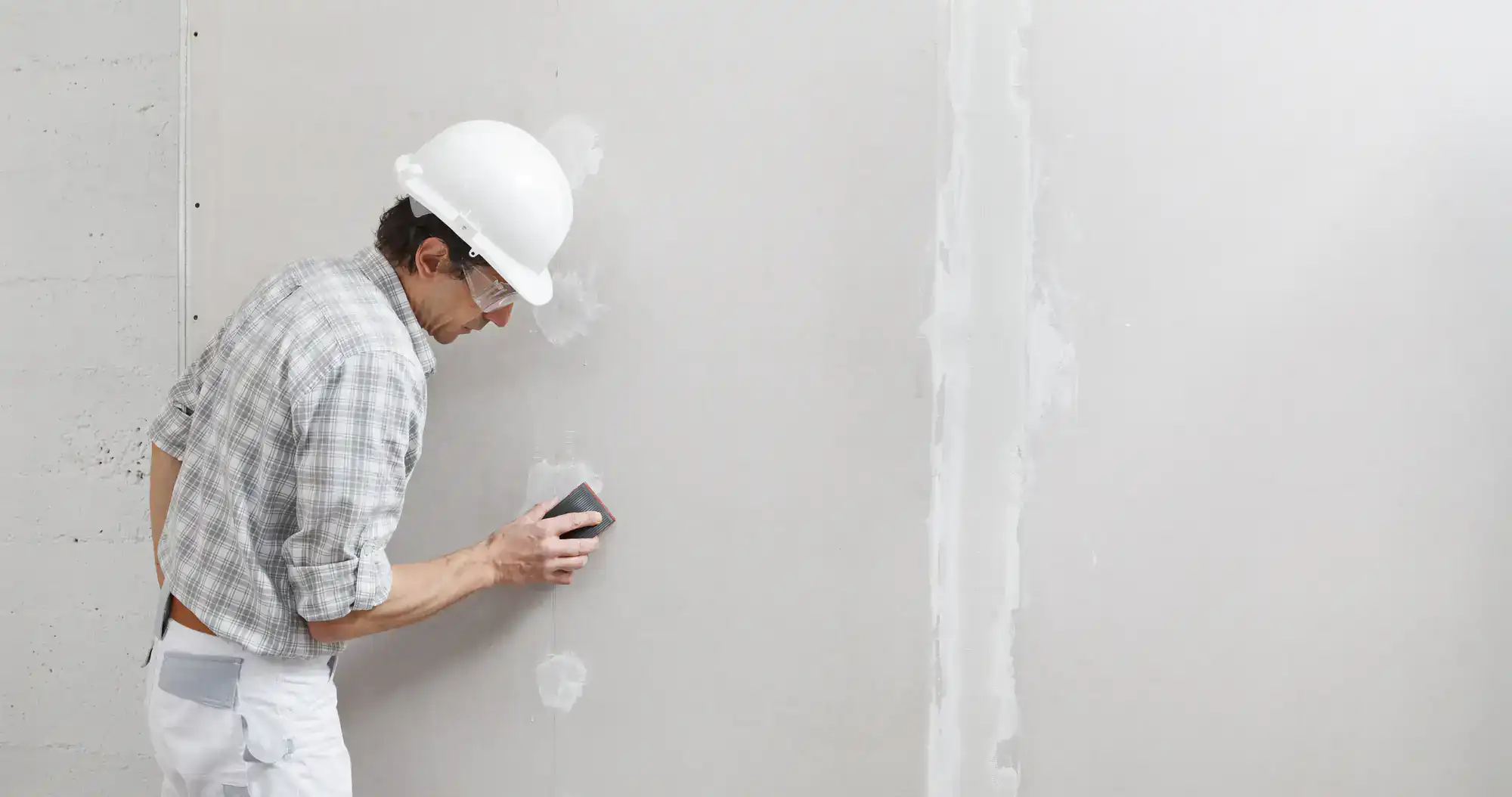
Second and third coats are where the finish happens. We’re feathering out the compound, widening the coverage, and making transitions invisible. Each coat gets sanded smooth before the next one goes on. If you’re getting Level 5 work, we’re adding a skim coat over the entire wall surface, not just the joints.
The sanding is what separates acceptable from invisible. We’re checking with raking light—the same harsh angle that’ll show every flaw once your furniture’s in and the sun’s coming through your windows. If we can see it under our work lights, you’ll see it in your space.
Final step is priming. Drywall compound is porous and will absorb paint differently than the paper face of the drywall. Without primer, you’ll see the joints through your finish coat no matter how well they’re finished. We make sure the surface is sealed and uniform before any paint goes on.
Ready to get started?
You’re getting complete joint treatment—taping, mudding, and finishing to whatever level your project needs. That includes all seams, corners, fastener heads, and any repairs to existing surfaces.
Texture matching is part of the work. If you’ve got existing walls with orange peel, knockdown, or any other texture, we’re matching it so repairs disappear. That matters in Brewerytown where you’re often working with a mix of old and new surfaces in the same room.
We’re using moisture-resistant materials where they make sense. Your bathroom, kitchen, basement—anywhere humidity is a factor. In these attached homes, moisture moves between units and through shared walls. Regular drywall will eventually fail in those conditions. Mold-resistant and moisture-resistant boards handle what these buildings throw at them.
Surface prep and protection is standard. We’re covering your floors, taping off trim, and controlling dust as much as possible. Sanding creates fine dust that gets everywhere—we’re managing that, not leaving you to deal with it. Cleanup is complete before we consider the job done.
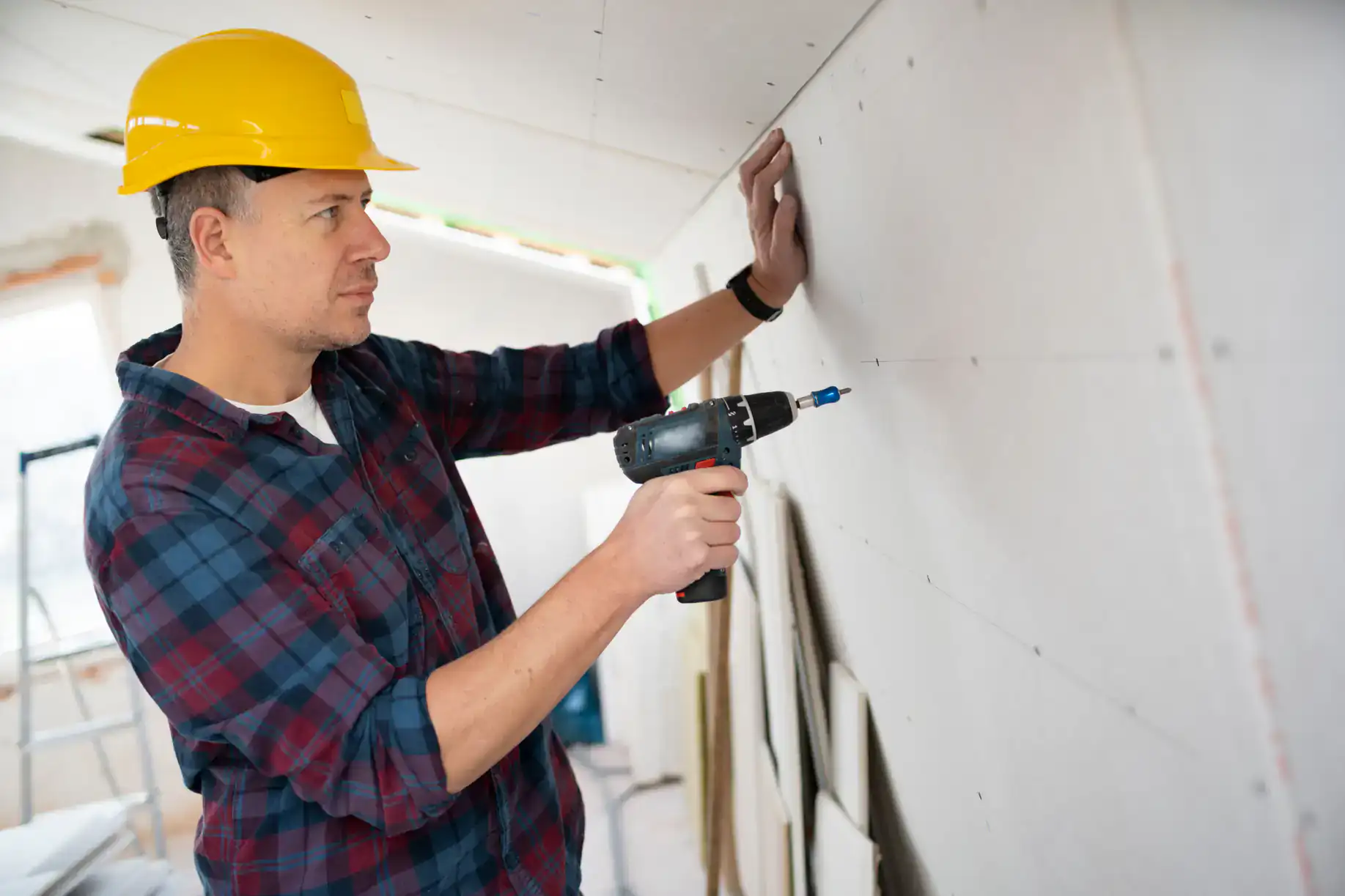
Level 4 is the standard for most residential work. Joints are taped, coated, and sanded smooth. You’ll have a flat surface that looks good under normal lighting and with flat or eggshell paints. Under harsh lighting or with glossy paints, you might see slight texture variations or very subtle shadows along seams.
Level 5 adds a skim coat over the entire surface—not just the joints. That thin layer of compound covers everything and gets sanded to a uniform finish. It’s what you want when you’re using semi-gloss or high-gloss paint, when you have direct lighting that rakes across the walls, or when you just want zero chance of seeing joint work.
The cost difference is real because it’s significantly more labor. You’re coating and sanding entire walls instead of just seams. But if you’re investing in high-end paint or lighting, or if you’re selling and want walls that photograph perfectly, Level 5 is what eliminates any question about finish quality.
A single room with standard Level 4 finishing typically takes three to four days. That’s not four days of active work—it’s the time needed for coats to dry between applications. Each coat of joint compound needs to cure before you can sand and apply the next one.
Rushing that process is how you end up with cracks, poor adhesion, and joints that show through your paint. The compound needs to dry completely, and in Philadelphia’s humidity, especially in summer, that takes time.
Larger projects or Level 5 work takes longer. If we’re finishing multiple rooms or doing whole-floor renovations, we can overlap work to stay efficient—finishing in one room while earlier coats dry in another. But you’re still looking at a minimum of three coats plus sanding and priming.
Weather affects timing. High humidity slows drying. Cold temperatures slow curing. We’ll give you a realistic timeline based on the scope and conditions, not an optimistic guess that leaves you waiting.
Yes, and it’s something we do regularly in Brewerytown’s older homes. Most of these rowhouses have original plaster with some kind of texture—either intentional or just the natural variation of troweled plaster.
Matching texture is part art, part experience. We’re looking at the existing surface, identifying the pattern and depth, and replicating it with joint compound or texture materials. Common textures like orange peel or knockdown are straightforward. Hand-troweled plaster or unusual historic finishes take more work.
The key is blending the transition between old and new. Even a perfect texture match will look wrong if there’s a hard line where repair meets original. We’re feathering that transition so your eye doesn’t catch where one ends and the other begins.
Sometimes the existing texture is failing or inconsistent. In those cases, we’ll talk through whether matching makes sense or if refinishing the entire wall gives you a better result. Patching into bad texture just means you’ll be calling someone back in a year.
In bathrooms and kitchens, absolutely. Moisture-resistant drywall (often called green board or purple board) has a treated core and facing that resists moisture absorption and mold growth. Regular drywall will eventually degrade in those conditions.
Brewerytown’s attached housing creates specific moisture challenges. You’ve got shared walls, limited ventilation, and humidity that moves between units. Basements are often damp. Bathrooms frequently lack proper exhaust fans or have undersized ones that don’t move enough air.
Standard drywall in those spaces will absorb moisture, lose structural integrity, and grow mold. You’ll see it first around tubs, showers, and sinks—areas with direct water exposure. But you’ll also see it on exterior walls in bathrooms and kitchens where condensation happens.
The cost difference between standard and moisture-resistant drywall is minimal compared to the cost of replacing failed drywall in two years. For any space that regularly sees humidity above 50% or any direct water exposure, moisture-resistant materials are the baseline, not an upgrade.
Usually it’s because your house is still moving. Brewerytown rowhouses are over 100 years old in most cases. They’ve settled, they’re still settling, and they’ll keep settling. That movement creates stress at the seams, and if the repair isn’t done right, the cracks come back.
Proper taping is what prevents recurring cracks. Paper tape embedded in joint compound creates a strong bond that moves with minor settling. Mesh tape is faster to apply but doesn’t have the same strength for structural cracks. If someone’s just smearing compound over a crack without tape, it’ll fail as soon as the house moves again.
The other common cause is improper drying between coats. If compound isn’t fully cured before the next coat goes on, you get shrinkage cracks as the material continues to dry under subsequent layers. Those cracks might not show up immediately—they appear weeks or months later, usually right before you’re trying to sell or after you’ve just painted.
If your cracks keep coming back in the same spots, there might be a structural issue—a header that’s failing, a joist that’s moving, or settlement that’s ongoing and significant. In those cases, the drywall repair is just cosmetic until you address what’s causing the movement.
You can, but it adds coordination, timeline delays, and potential finger-pointing if something doesn’t look right. If the paint shows flaws, is that a finishing problem or a painting problem? You’re now managing two contractors and two schedules instead of one.
We handle both drywall finishing and painting, which means you’re working with one crew, one timeline, and one point of contact. We’re responsible for the final result—if the walls don’t look right under your paint, that’s on us to fix, not a debate about whose fault it is.
The transition from finishing to painting is where a lot of projects stall. Drywall contractors finish their work and leave. You’re waiting for painters to have availability. Meanwhile, your house is torn up and you’re living around the project longer than necessary.
The quality control is also tighter when the same people doing the finishing are doing the painting. We’re not priming and painting over someone else’s work and hoping it looks good. We’re seeing our own finish work under paint and making sure it meets our standards before we call it done.
Other Services we provide in Brewerytown