
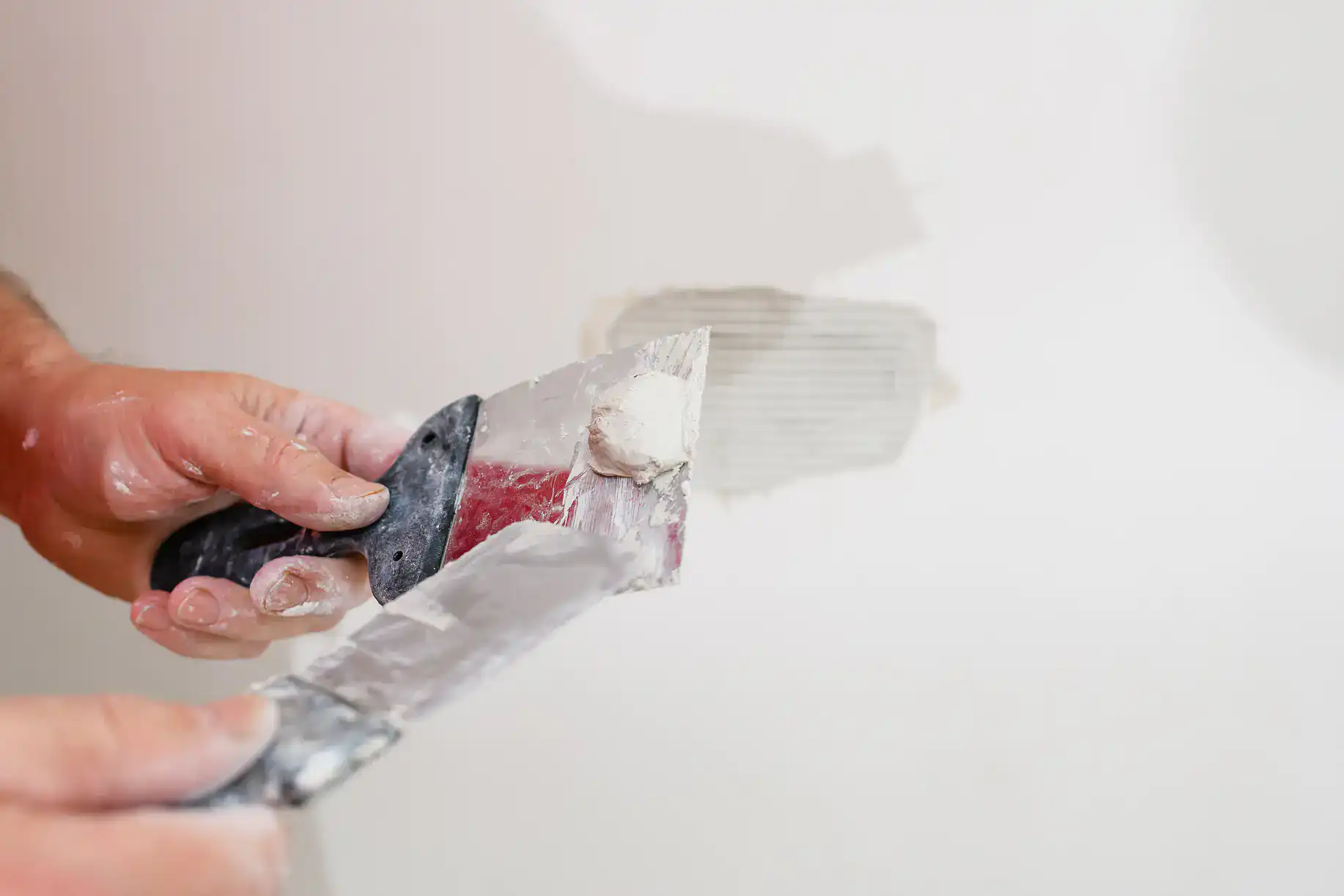
You’re not dealing with tape that starts peeling after the first winter. Your corners stay crisp. The seams disappear under paint instead of telegraphing through every coat.
That’s what happens when someone who knows what they’re doing handles your drywall installation in University City, PA. You get walls that look finished, not rushed. Rooms that feel solid, not like someone slapped up sheets and called it done.
The difference shows up when you’re not scheduling a repair six months later. When your painter isn’t texting you photos of problems they found. When you can actually move on to the next part of your project without circling back to fix what should’ve been right from the start.
We work in University City homes that date back a century and new construction that’s still getting framed. That range matters because the approach changes depending on what you’re working with.
Older homes around here weren’t built with drywall in mind. You’re integrating modern materials with plaster, lath, and framing that’s settled over decades. That takes more than hanging sheets—it takes understanding how these houses move and what actually holds up long-term.
We’re licensed and insured in Philadelphia, Delaware County, and Montgomery County. We’ve handled enough ceiling repairs and full-room installations in University City to know what works and what creates problems down the line.
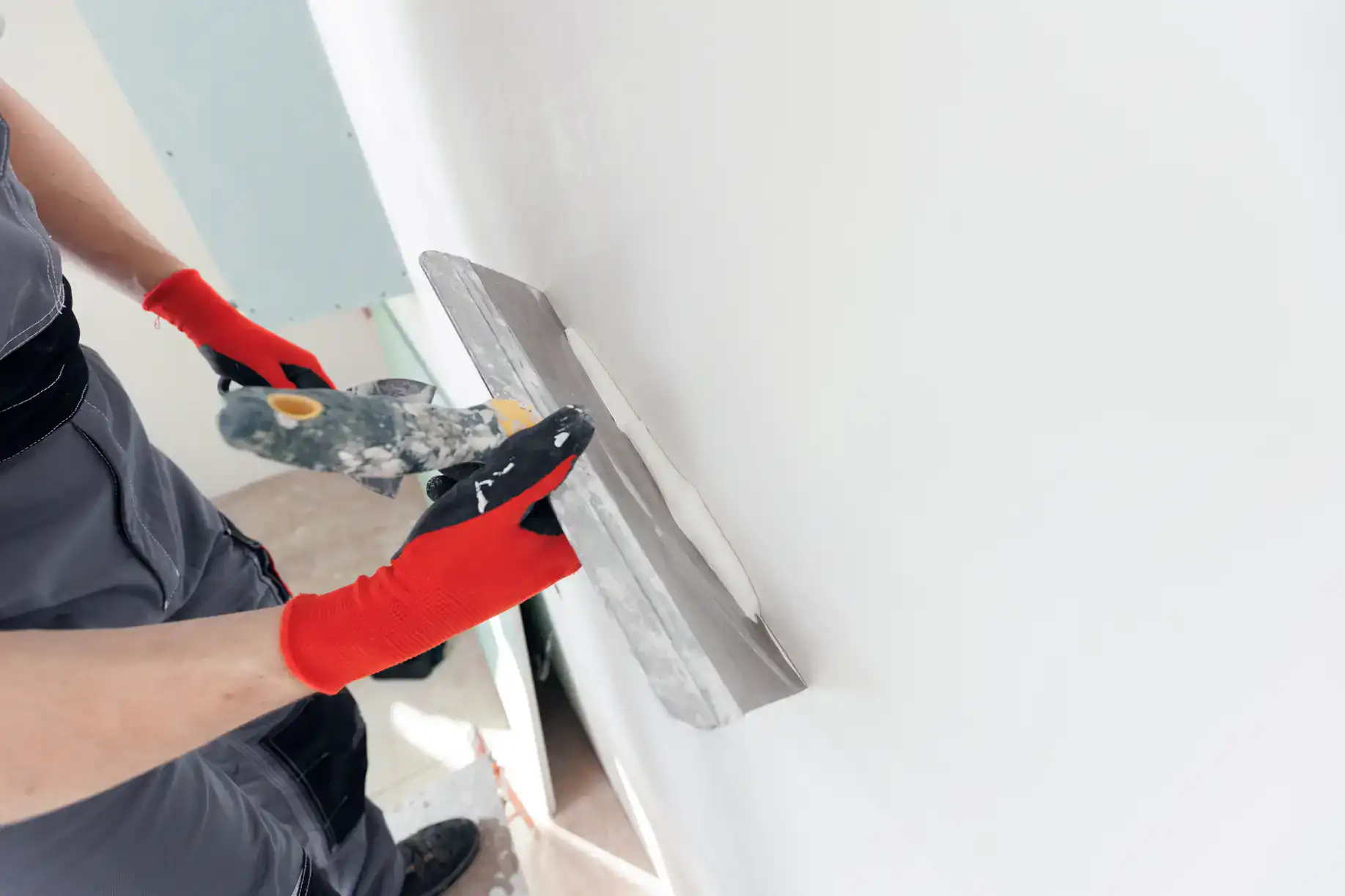
First, we look at what you’re working with. Is this new framing or are we tying into existing walls? What’s the condition of the studs? Any moisture issues or structural concerns that’ll cause problems later?
Then we protect your space. Thick plastic goes down, doorways get sealed, and we set up so dust doesn’t migrate through your whole house. Most drywall installers skip this part—you’ll know the difference when we’re done.
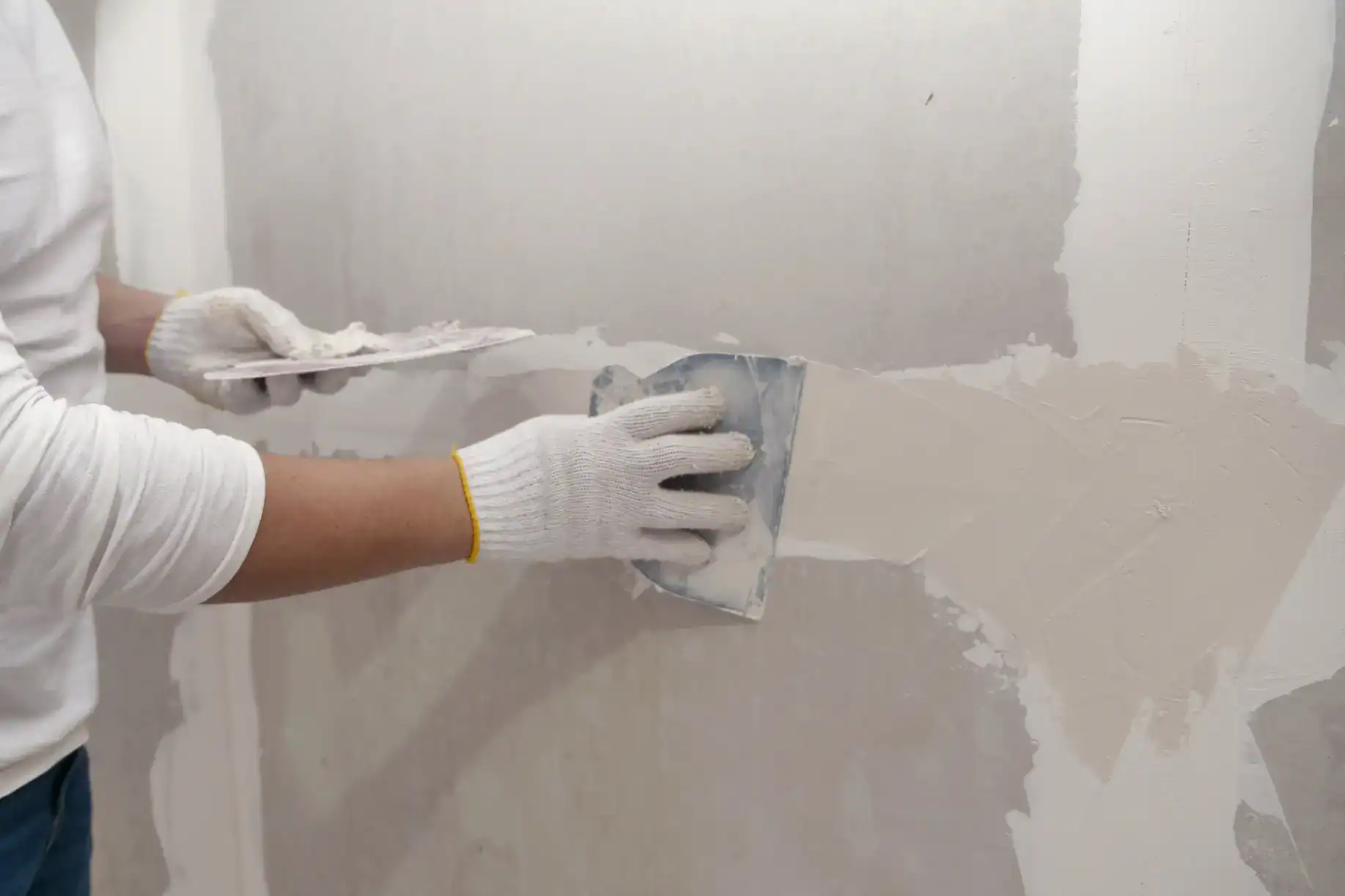
Hanging comes next. Sheets go up with the right fastener spacing and proper placement so seams land where they’re supposed to. Then taping, multiple mud coats, and sanding between each one until the surface is actually flat.
We use dehumidifiers and proper ventilation so mud dries right. Rushing this part is where most drywall installation jobs in University City, PA fall apart. We finish when it’s ready, not when it’s convenient.
Ready to get started?
The average cost to install drywall in University City runs between $1,077 and $3,118 depending on room size, ceiling height, and how much prep work your space needs. That’s the honest range—not the lowball number that doubles once someone sees the actual job.
You’re paying for materials that meet code, labor that knows the difference between fast and correct, and the insurance coverage Philadelphia requires. A licensed drywall installer carries at least $1 million in general liability. That’s not optional here, and it’s built into legitimate pricing.
University City homes add complexity that affects cost. If we’re working around old plaster, dealing with uneven framing, or matching existing textures, that takes more time than new construction. But it also means the finished product actually integrates with your home instead of looking like a patch job.
You’ll also see the 8% Philadelphia sales tax on materials. That’s separate from labor and it’s not negotiable. Any drywall contractor in University City, PA quoting without mentioning it is setting you up for surprise costs later.
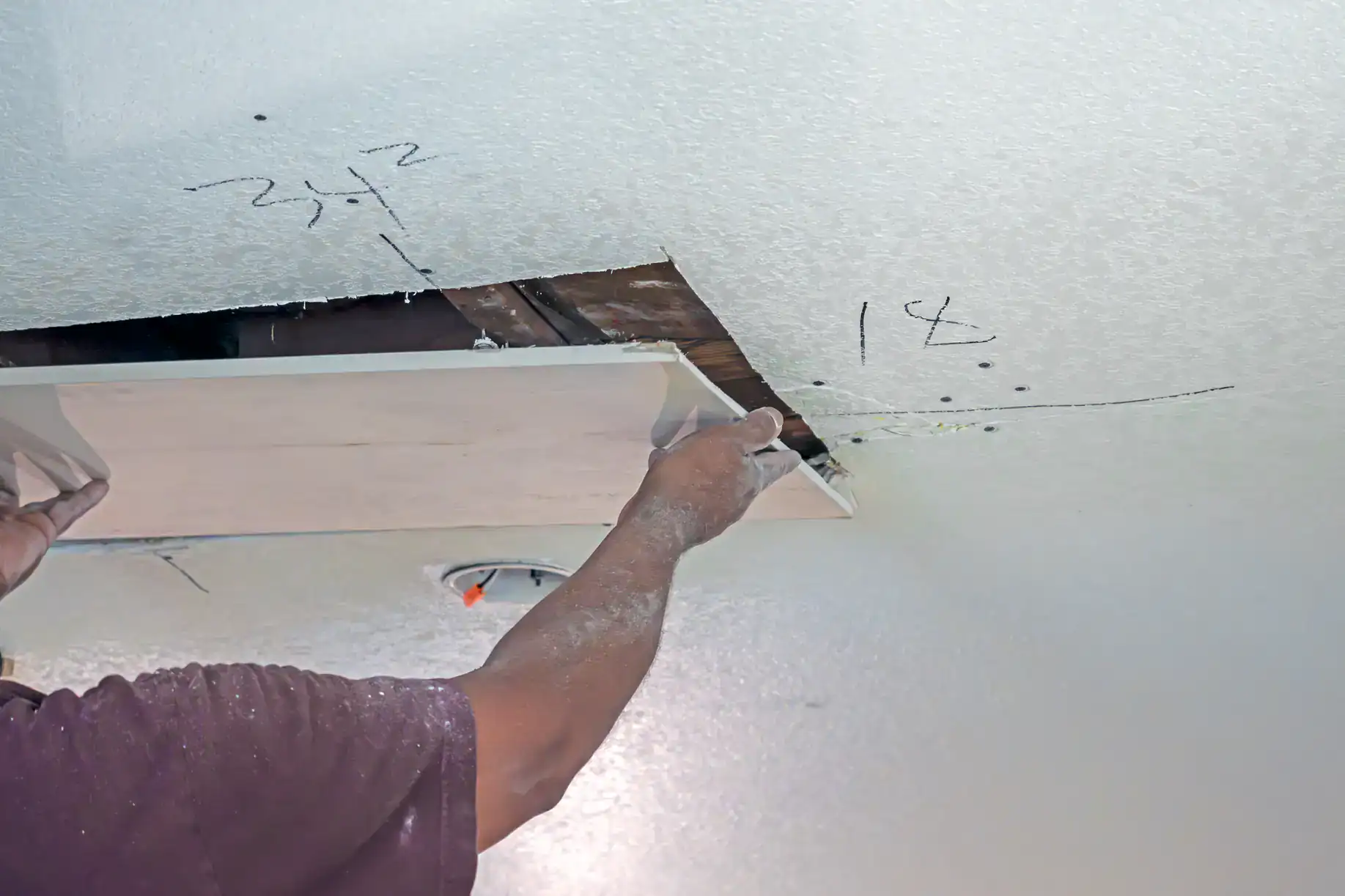
Most homeowners in University City, PA pay between $1,077 and $3,118 for drywall installation, with the average landing around $2,095. That covers a typical room—materials, labor, taping, mudding, and sanding to a smooth finish.
The range exists because every job is different. A straightforward 12×12 bedroom with 8-foot ceilings costs less than a living room with 10-foot ceilings, multiple windows, and old plaster you’re tying into. Square footage matters, but so does access, ceiling height, and how much prep work the space needs before we even hang the first sheet.
You’ll pay between $0.90 and $2.00 per square foot for professional drywall installation in University City. Lower end of that range is basic hanging and finishing in new construction. Higher end covers older homes where you’re dealing with irregular framing, plaster integration, or repairs that need addressing before new drywall goes up. Don’t forget Philadelphia’s 8% sales tax on materials—that’s on top of the labor rate and it applies to every job in the city.
Most rooms get completed in one day if we’re talking about hanging, taping, and first coats. But here’s the part that matters—drying time between mud coats means the full finish takes three to five days depending on humidity and ventilation.
We can hang drywall in a 12×14 bedroom in a few hours. Taping and first mud coat happens the same day. Then each subsequent coat needs 24 hours to dry properly before sanding and applying the next layer. Rushing this creates problems—mud that isn’t fully dry sands poorly, leaves rough spots, and can crack as it continues curing under paint.
University City’s older homes sometimes stretch that timeline. If we’re working around existing plaster or dealing with framing that needs shimming to get everything level, prep adds time up front. But that prep work is what makes the difference between drywall that looks good for six months and drywall that’s still perfect five years later. We use dehumidifiers and heat when needed to keep the schedule moving without compromising the finish.
Yes, but it takes more than just hanging drywall and hoping it blends. Older University City homes have plaster walls that are thicker, harder, and textured differently than modern drywall. Getting new drywall to integrate seamlessly means understanding how these materials behave differently.
The thickness issue comes first. Plaster over lath is often thicker than half-inch drywall, so we build out the framing or use thicker sheets to match the existing wall plane. If we don’t, you end up with a visible step where new meets old—and no amount of mud hides that.
Texture matching is the other challenge. Old plaster has a hand-troweled quality that’s hard to replicate with modern drywall techniques. We can get close using specific trowel methods and texture matching, but it requires looking at your existing walls and adjusting technique to match what’s already there. Most drywall installers in University City, PA don’t bother with this level of detail. You’ll see the difference at the seams where old and new meet—ours disappear, theirs don’t.
It depends on what else you’re doing. Replacing damaged drywall in an existing room typically doesn’t require a permit in Philadelphia. But if you’re moving walls, adding rooms, or doing drywall installation as part of a larger renovation that involves electrical, plumbing, or structural changes, you need permits.
Philadelphia’s Department of Licenses and Inspections is strict about this. If you’re finishing a basement, converting an attic, or doing anything that changes the use or layout of space, permits are required. The drywall itself might not trigger the permit, but the work happening before the drywall goes up probably does.
Here’s why this matters to you—unpermitted work creates problems when you sell. Home inspectors find it, buyers get nervous, and you end up either getting permits retroactively (which is expensive and complicated) or negotiating your sale price down. We know when permits apply and we’re willing to work with inspectors. If someone’s pushing you to skip permits that are clearly required, that’s a red flag about what other shortcuts they’re taking.
Insurance, experience, and accountability. A licensed drywall installer in University City, PA carries at least $1 million in general liability coverage, has their credentials on file with Philadelphia’s Department of Licenses and Inspections, and specializes in drywall—not drywall plus fifteen other services.
Handymen can handle small repairs, but full drywall installation is where the gap shows. Hanging sheets isn’t complicated, but getting seams invisible, corners crisp, and surfaces flat enough to pass inspection takes repetition. Someone who does drywall twice a month isn’t developing that skill the same way someone doing it daily does.
The insurance piece matters more than most people realize. If someone gets hurt on your property or damages something during installation, you want to know there’s coverage. Licensed contractors carry workers comp and liability insurance because Philadelphia requires it. Handymen often don’t, which means you’re exposed if something goes wrong. For small patch jobs, that risk might be acceptable. For whole-room drywall installation in University City, you want someone who’s properly licensed, insured, and doing this work as their primary business.
Start with licensing and insurance. In Philadelphia, that means current registration with the Department of Licenses and Inspections and at least $1 million in general liability coverage. Don’t take their word for it—ask to see proof. We expect this question and have documentation ready.
Then look at how they quote the job. Vague estimates that don’t break out materials, labor, and timeline are a warning sign. You want specifics: square footage, number of coats, drying time between coats, and what prep work is included. If someone quotes your University City drywall installation over the phone without seeing the space, they’re guessing—and that guess will change once they show up.
Ask about their process for protecting your home during the work. Drywall creates dust. A lot of it. Professional installers contain that dust with plastic barriers, seal off work areas, and clean thoroughly when they’re done. If this doesn’t come up in the conversation, it’s probably not part of their process. Finally, check how long they’ve been working in University City specifically. Philadelphia’s older homes require different approaches than suburban new construction. You want someone who’s dealt with plaster integration, uneven framing, and the specific challenges these houses present.
Other Services we provide in University City